Life Insurance for Congestive Heart Failure Options
Securing life insurance with congestive heart failure (CHF) is possible, though options vary based on the severity of your condition. While traditional term policies are available for well-managed, mild cases, individuals with advanced...
Securing life insurance with congestive heart failure (CHF) is possible, though options vary based on the severity of your condition. While traditional term policies are available for well-managed, mild cases, individuals with advanced CHF typically qualify for guaranteed issue or simplified issue whole life plans that do not require medical exams.
Contents
Understanding Congestive Heart Failure in Life Insurance Underwriting
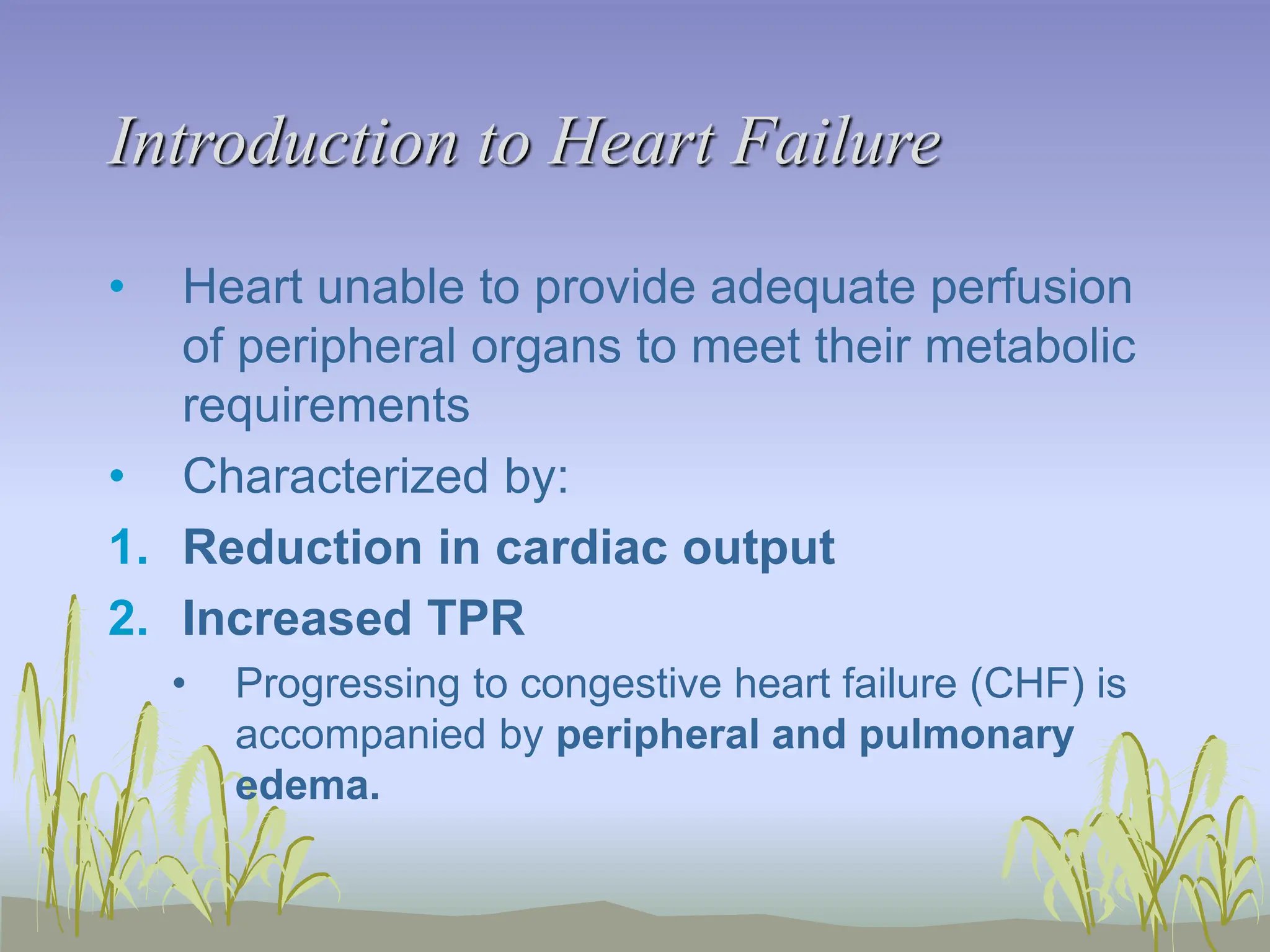
When applying for life insurance in 2026, underwriters view congestive heart failure as a significant "high-risk" condition. CHF occurs when the heart muscle does not pump blood as well as it should, leading to fluid buildup in the lungs and extremities. Because the condition is progressive, insurance companies focus heavily on the stability of the diagnosis and the effectiveness of the applicant’s treatment plan.
Underwriters primarily use two metrics to determine eligibility: the New York Heart Association (NYHA) Functional Classification and the Ejection Fraction (EF).
The NYHA Classification System
- Class I: No limitation of physical activity. Ordinary physical activity does not cause undue fatigue or dyspnea.
- Class II: Slight limitation of physical activity. Comfortable at rest, but ordinary physical activity results in fatigue or palpitations.
- Class III: Marked limitation of physical activity. Comfortable at rest, but less than ordinary activity causes symptoms.
- Class IV: Unable to carry out any physical activity without discomfort. Symptoms of heart failure at rest.
Generally, individuals in Class I or II may qualify for standard or "substandard" rated traditional life insurance. Those in Class III or IV are almost exclusively limited to guaranteed issue products.
The Role of Ejection Fraction (EF)
Ejection fraction measures the percentage of blood leaving the heart each time it contracts. A normal EF is typically between 55% and 70%. For life insurance purposes, an EF below 40% is often a "decline" for traditional term or whole life policies. If your EF has improved over time due to medication or lifestyle changes, providing documented proof from a cardiologist can significantly improve your rating.
Primary Life Insurance Options for CHF Patients
Navigating the market requires understanding which policy types align with your specific health profile. In 2026, the industry has branched into three main categories for those with heart conditions.
1. Traditional Term or Whole Life Insurance
This is the most affordable option but the hardest to obtain. It requires a full medical exam and an Attending Physician Statement (APS). If you were diagnosed with mild CHF several years ago, have a stable EF above 50%, and take your medications consistently, you might qualify for a "Table Rated" policy. This means you pay a base premium plus an extra percentage (often 25% to 100% more) to cover the increased risk.
2. Simplified Issue Life Insurance
Simplified issue policies bridge the gap between traditional and guaranteed plans. There is no medical exam, but there is a health questionnaire. If you can answer "no" to questions regarding recent hospitalizations (usually within the last 12–24 months) or oxygen use, you may qualify. These policies often have a higher face value than guaranteed issue plans—up to $50,000 or $100,000—and coverage can begin immediately if approved.
3. Guaranteed Issue Life Insurance
For those with advanced CHF (Class III or IV) or a recent diagnosis, guaranteed issue is the most viable path. There are no medical exams and no health questions. If you meet the age requirements (typically 45–85), you cannot be turned down.
However, these policies come with two major caveats:
- Graded Death Benefit: If you pass away from natural causes within the first two years of the policy, your beneficiaries will only receive a refund of premiums plus interest (usually 5–10%). Accidental death is covered 100% from day one.
- Lower Coverage Limits: These policies usually max out at $25,000 or $25,000 in 2026.
Factors That Influence Your Eligibility and Premiums
Insurance companies do not just look at the heart; they look at the "whole person." Several secondary factors can make or break an application for someone with CHF.
Comorbidities and Lifestyle
Underwriters are particularly concerned with conditions that exacerbate heart failure. If you have CHF combined with Type 2 Diabetes, Chronic Obstructive Pulmonary Disease (COPD), or Chronic Kidney Disease, the risk is often considered too high for traditional coverage. Conversely, being a non-smoker for at least 12 months is a massive advantage. Tobacco use combined with a heart condition is one of the leading causes of immediate application denial.
Medication Compliance
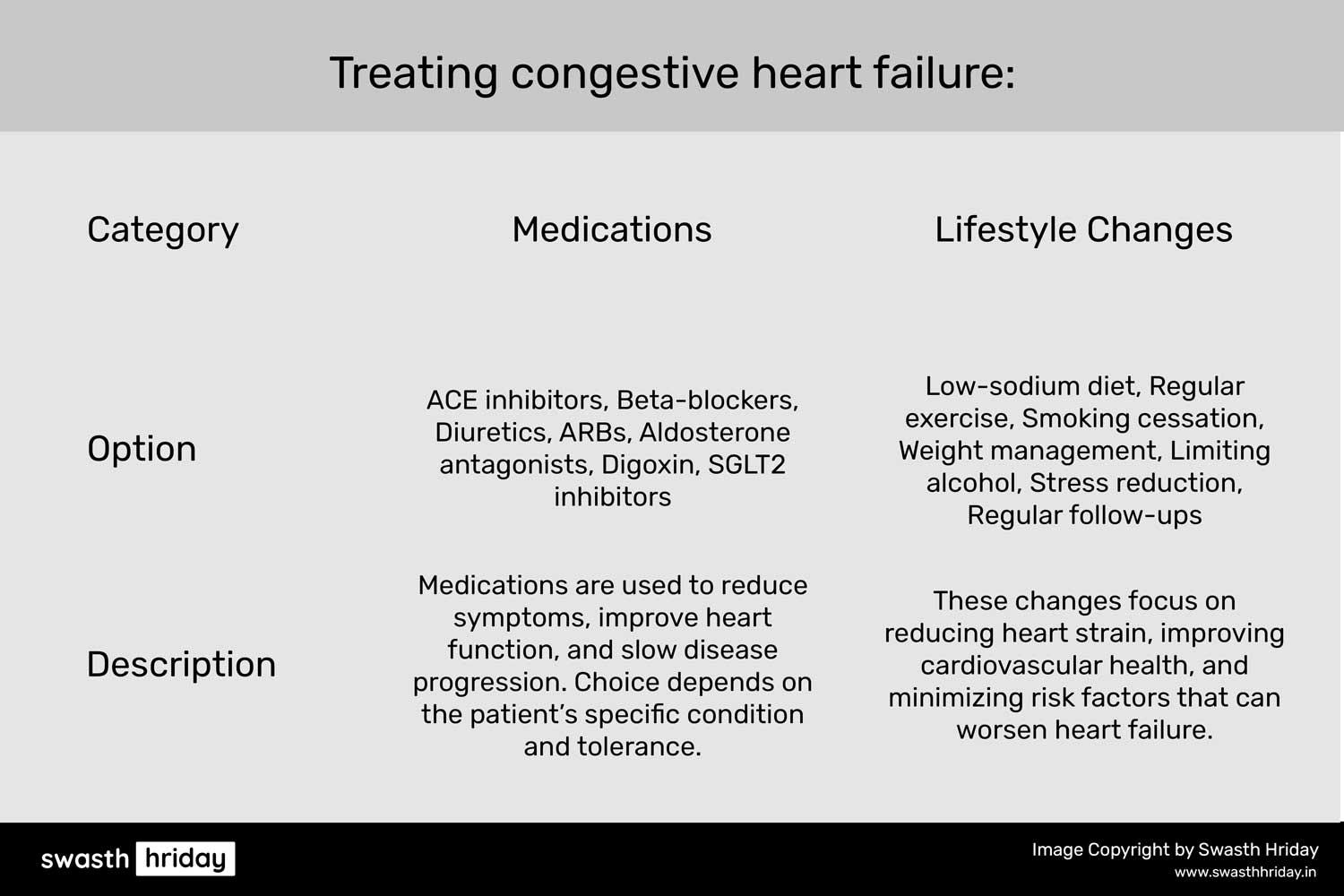
In 2026, medical records are easily accessible via digital clearinghouses. Underwriters will check your prescription history to ensure you are filling your medications (such as ACE inhibitors, beta-blockers, or SGLT2 inhibitors) consistently. A history of missed refills suggests "non-compliance," which is a major red flag for risk assessment.
Time Since Last Event
The "stability period" is crucial. Most insurers want to see at least 6 to 12 months of stability since your initial diagnosis, last hospitalization, or any surgical intervention (like the placement of a pacemaker or ICD). If you apply too soon after a crisis, you will likely be postponed or declined until more time has passed.
Comparison of Life Insurance Options for CHF
| Policy Type | Medical Exam? | Health Questions? | Max Coverage (Est.) | Best For |
|---|---|---|---|---|
| Traditional Term | Yes | Extensive | $1M+ | Mild CHF (Class I), High EF, Stable |
| Simplified Issue | No | 10–20 Questions | $100,000 | Moderate CHF, No recent hospitalizations |
| Guaranteed Issue | No | None | $25,000 | Advanced CHF (Class III/IV), Recent diagnosis |
| Group Life (Employer) | No | Often None | 1x–3x Salary | Anyone currently employed and eligible |
Strategies to Improve Your Chances of Approval
If you are aiming for a policy better than guaranteed issue, preparation is key. Following these steps can help you present the lowest possible risk to the insurance carrier.
- Work with an Independent Broker: Do not apply to a single "big name" company directly. Independent brokers have access to high-risk "impaired risk" carriers who specialize in heart conditions. They can shop your anonymous profile to multiple carriers before you ever submit a formal application.
- Gather Your Records Early: Have the names and addresses of all cardiologists you have seen in the last five years ready. Obtain a copy of your most recent Echocardiogram report so you know exactly what your Ejection Fraction is before the underwriter sees it.
- Write a "Cover Letter": A brief personal statement explaining your commitment to health—such as following a low-sodium diet, participating in cardiac rehab, and strict medication adherence—can sometimes sway an underwriter in a borderline case.
- Consider "Layering" Policies: If you cannot get a $100,000 policy, you might buy a $25,000 simplified issue policy and a $25,000 guaranteed issue policy to reach your desired coverage level.
Alternatives to Traditional Life Insurance
If individual life insurance is unavailable or prohibitively expensive, consider these alternative financial protection routes:
- Employer-Sponsored Group Life: Many employers offer a basic amount of coverage (e.g., $50,000) that is "guaranteed issue" as part of your benefits package. Always maximize this if you have a heart condition.
- Accidental Death and Dismemberment (AD&D): While this does not pay out for death due to heart failure, it provides a safety net for your family in the event of a fatal accident. It is very cheap and requires no health screening.
- Final Expense Insurance: This is essentially a small whole life policy designed to cover funeral and burial costs. Most final expense plans are either simplified or guaranteed issue, making them ideal for CHF patients.
Frequently Asked Questions
Can I get life insurance if I have a pacemaker or ICD?
Yes. Many people with CHF have an Implantable Cardioverter Defibrillator (ICD) or a pacemaker. While this confirms the seriousness of the heart condition, it also shows that the heart's rhythm is being managed. Insurers typically require a 6-month waiting period after the device is implanted before they will consider an application.
Is life insurance more expensive after a CHF diagnosis?
Yes, significantly. For traditional policies, you will likely pay "substandard" rates, which are premiums higher than the standard healthy rate. For guaranteed issue plans, the cost per $1,000 of coverage is much higher because the insurer is taking on a high-risk pool without medical vetting.
What happens if I lie about my CHF on an application?
Lying on an insurance application is considered material misrepresentation (fraud). Insurance companies have a two-year contestability period. If you die within the first two years and the insurer discovers you hid a CHF diagnosis, they can legally deny the claim and only refund the premiums to your beneficiaries.
Does a high Ejection Fraction guarantee approval?
Not necessarily, but it helps. A high EF (over 50%) suggests your heart is still pumping effectively despite the failure diagnosis. However, underwriters will still look at symptoms, hospitalizations, and other health factors like blood pressure and kidney function.
Are there specific companies that specialize in CHF?
While specific company names change, certain carriers are known as "impaired risk" specialists. These companies use more liberal underwriting guidelines for heart conditions compared to "preferred-risk" carriers who only want the healthiest applicants. An independent agent can identify the 2026 leaders in this niche.
Final Recommendation for CHF Applicants
If you are living with congestive heart failure in 2026, your first priority should be to check for employer-sponsored coverage, as this is the most cost-effective way to get insured without a medical exam. If that is not an option, or if you need more coverage, consult with an independent high-risk insurance specialist. Avoid applying for multiple traditional policies simultaneously, as a string of denials can make it harder to get coverage in the future. For most people with moderate to severe CHF, a Guaranteed Issue Final Expense policy remains the most reliable way to ensure your family is not burdened by end-of-life expenses.
For more information on managing heart health, visit the American Heart Association or the National Institute on Aging for resources on living with chronic conditions.
Image Gallery