How to Install a Bird Fountain Solar Panel
Installing a bird fountain solar panel transforms a static garden water feature into a dynamic, eco-friendly attraction that draws local wildlife without increasing your electricity bill. By capturing photovoltaic energy, these systems...
Installing a bird fountain solar panel transforms a static garden water feature into a dynamic, eco-friendly attraction that draws local wildlife without increasing your electricity bill. By capturing photovoltaic energy, these systems power low-voltage pumps autonomously, relying directly on sunlight to circulate water. Whether you are upgrading an existing traditional electric fountain or setting up a brand-new wildlife water station, understanding component placement, electrical connections, and seasonal maintenance ensures a reliable, continuous flow that keeps garden birds safe and healthy.
Contents
Understanding Bird Fountain Solar Panel Systems
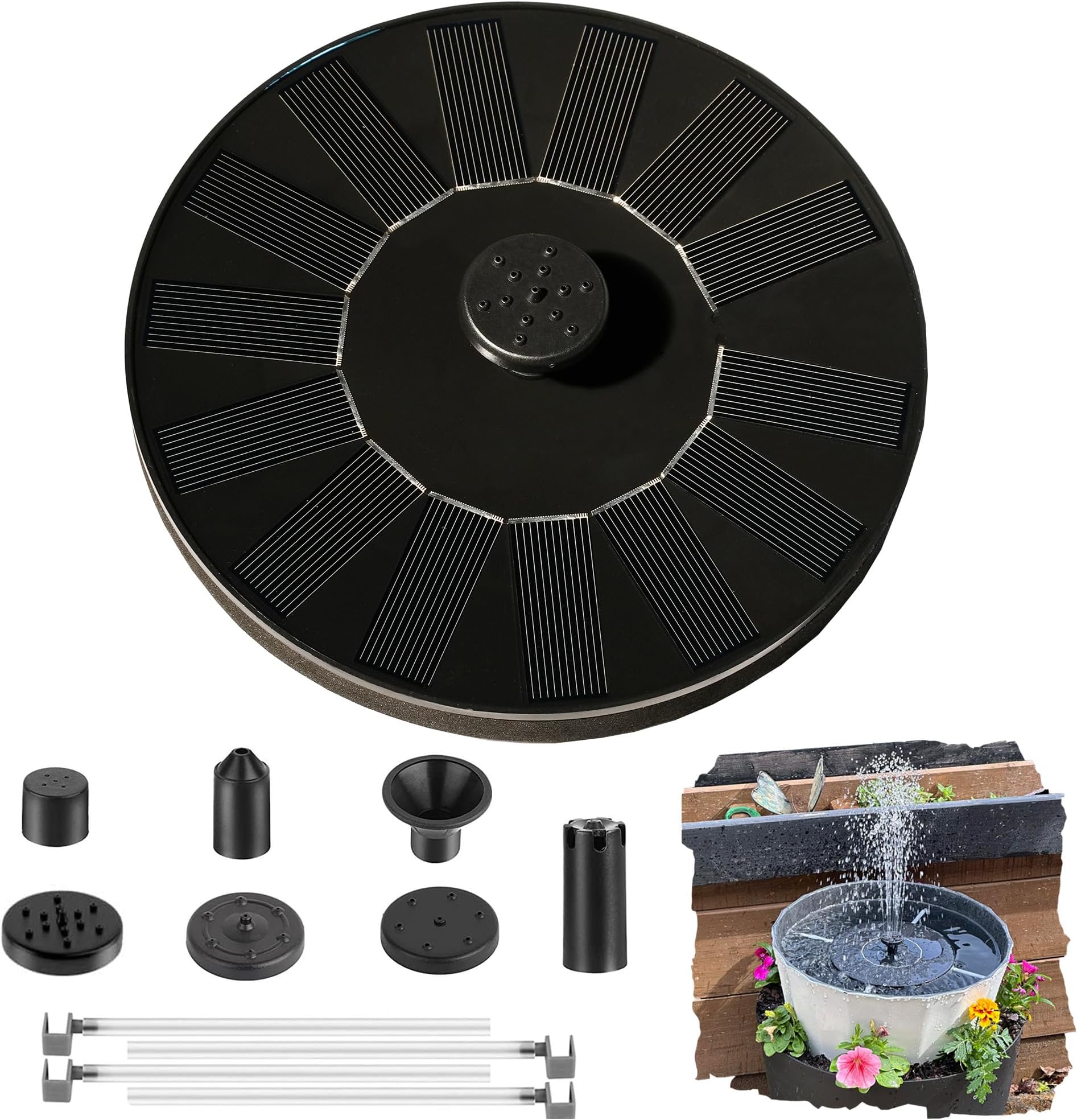
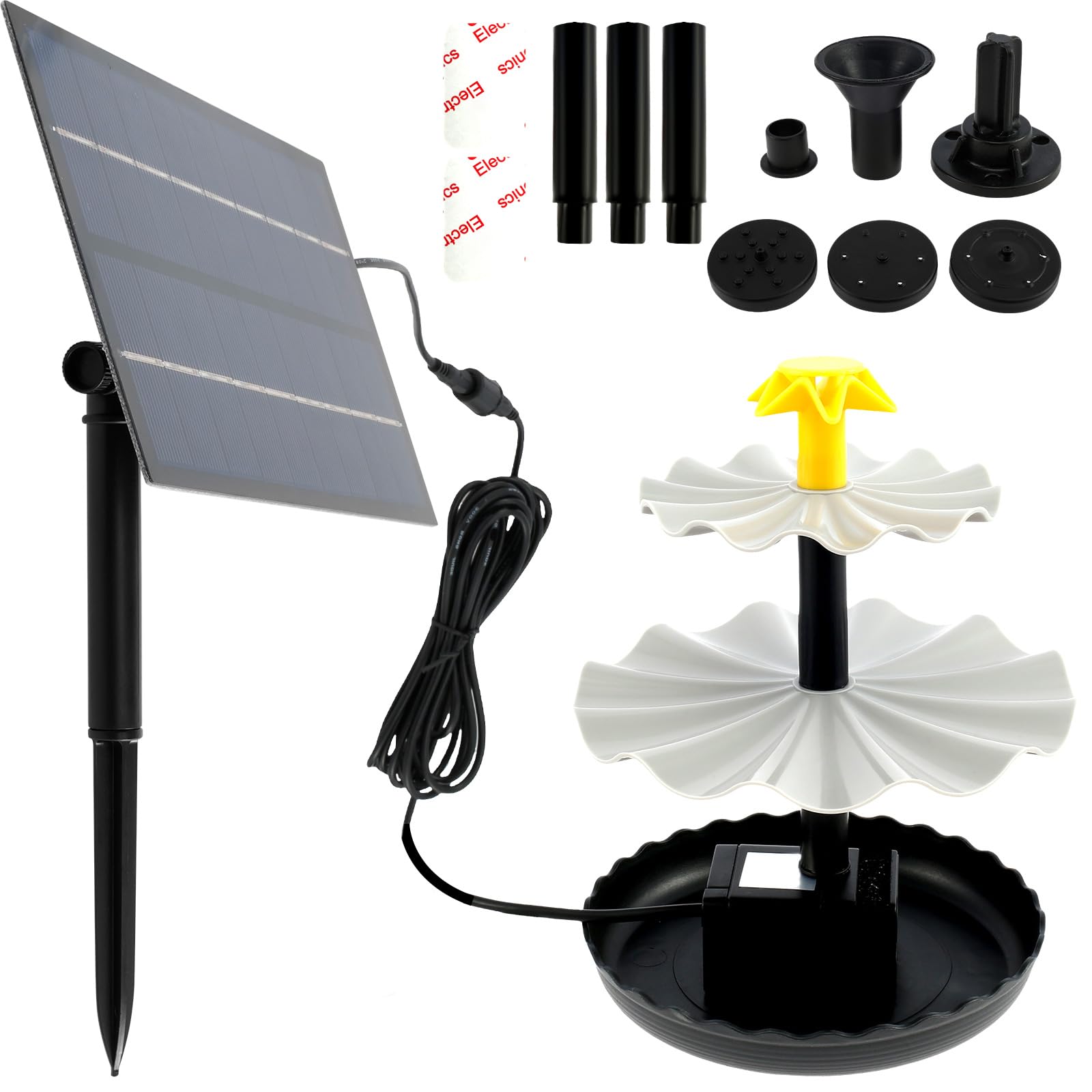
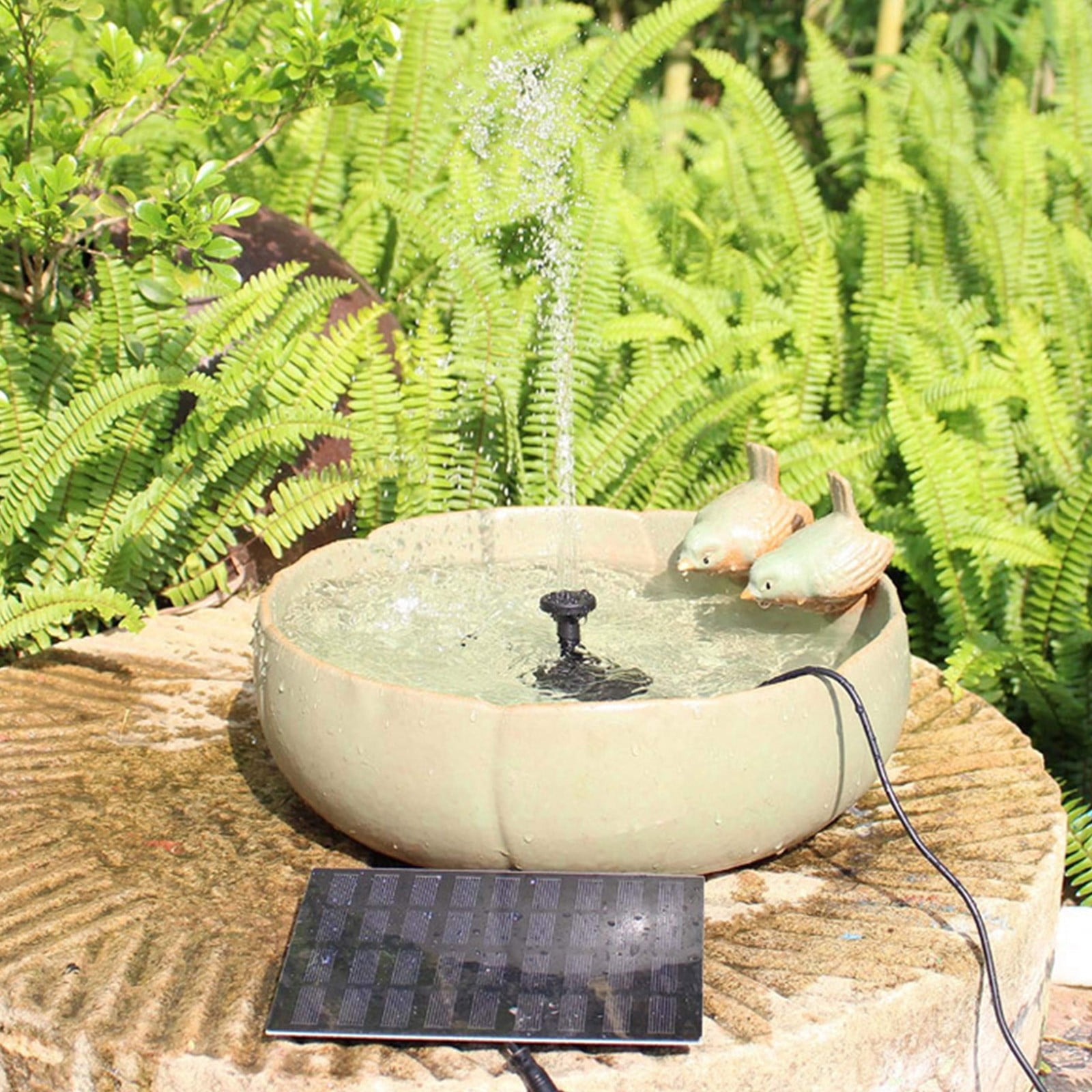
A standard solar-powered bird fountain setup relies on a few core components: a photovoltaic (PV) panel, a low-voltage direct current (DC) water pump, a connection cable, and various fountain spray nozzles. Unlike conventional AC-powered pumps that require a dedicated outdoor electrical outlet or extension cords, solar kits operate independently. When sunlight strikes the silicon cells of the solar panel, it generates direct current electricity. This electrical current travels through a waterproof cable to the submersible water pump, which draws water from the fountain basin and pushes it up through a nozzle to create a continuous stream or spray.
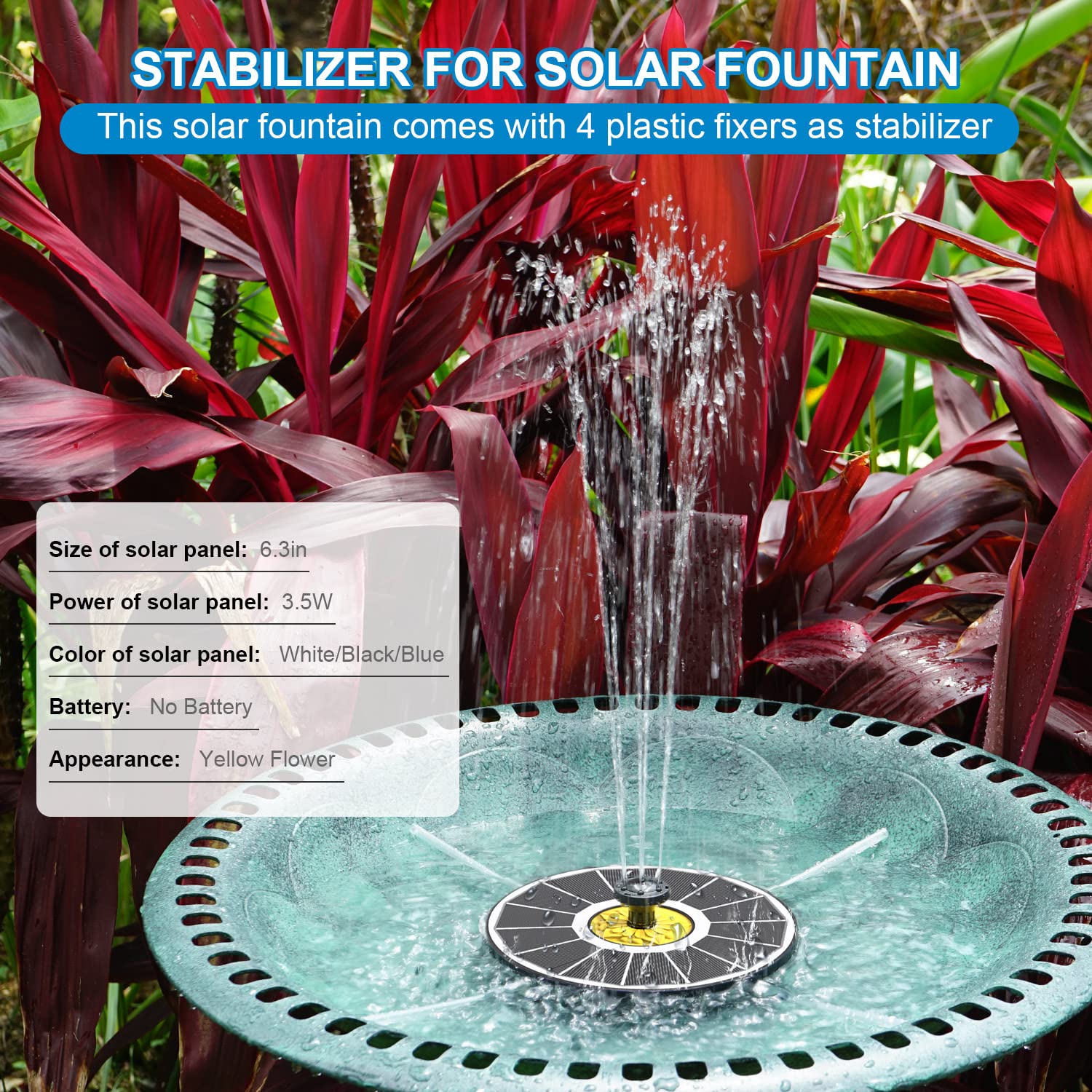
Most residential bird fountain solar panels fall into two categories: integrated floating units and remote-panel configurations. Integrated units feature a small solar panel mounted directly on top of a compact floating pump. These all-in-one devices are remarkably easy to deploy, requiring nothing more than placing them directly into a filled basin. However, they must remain in direct sunlight to function, meaning the entire fountain must be positioned in a sunny spot.
Remote-panel configurations separate the solar collector from the water pump via a longer cable. This design gives you the flexibility to place your bird fountain in a shaded garden corner for aesthetic reasons or bird safety, while positioning the solar panel several feet away in a sun-drenched patch of soil, a fence, or a rooftop mount. Remote setups also frequently include a rechargeable lithium-ion battery backup. This battery stores excess solar energy during peak daylight hours, allowing the fountain to continue running on cloudy days or during the early evening hours when birds are often most active.
Essential Tools and Materials
Before beginning the installation process, gathering the correct tools and accessories prevents frustrating interruptions and protects your equipment from premature failure. While many solar fountain kits arrive ready to assemble out of the box, specialized installation locations may require additional hardware.
- Solar Fountain Kit: Includes the PV panel, submersible DC pump, connection cable, and interchangeable spray heads.
- Mounting Hardware: Ground stakes, wall brackets, or mounting clamps (if using a remote-panel system).
- Cleaning Supplies: A soft-bristle brush, white vinegar or a bird-safe enzymatic cleaner, and clean microfiber cloths.
- Water Source: Clean, dechlorinated tap water or collected rainwater.
- Personal Protective Equipment: Standard utility gloves for handling rough stones or basin edges.
Having a stable basin or bird bath is equally important. Ensure your bird bath bowl is deep enough to submerge the pump fully—typically requiring a minimum depth of two to three inches—while remaining shallow enough at the edges for small songbirds to splash safely without risk of drowning.
Step-by-Step Installation Instructions
Executing the installation systematically ensures optimal hydraulic performance and protects sensitive electrical components from water damage and overheating. Follow this sequential workflow to set up your solar bird fountain correctly.
1. Select the Ideal Location
Evaluate your garden for sunlight exposure and wildlife safety. The solar panel needs unobstructed access to direct sunlight for at least six hours daily. Avoid positioning the panel directly beneath dense tree canopies, overhanging eaves, or heavy shade structures. Simultaneously, place the bird bath where local cats or predators cannot easily ambush bathing birds, ensuring clear sightlines and proximity to protective shrubs or trees.
2. Position the Solar Panel
If you are using an integrated floating unit, simply place the device in the center of the water basin. For remote-panel kits, secure your solar panel using the included ground stake or mounting bracket. Tilt the panel toward the equator—facing south in the Northern Hemisphere or north in the Southern Hemisphere—at an angle roughly equal to your geographical latitude to maximize solar absorption throughout the day.
3. Prepare and Submerge the Pump
Inspect the submersible water pump to ensure the intake grates are clean and free of manufacturing debris. Connect the chosen spray nozzle to the pump outlet. Submerge the pump into the bottom of the bird bath basin. Many pumps feature small suction cups on the base; press these firmly against the bottom or sides of the basin to prevent the pump from shifting or vibrating against the ceramic or stone surface.
4. Connect the Electrical Components
Route the waterproof cable from the solar panel to the pump, taking care not to pinch, stretch, or kink the cord along hard stone edges. Push the waterproof connectors together firmly and tighten any protective screw caps to ensure a weatherproof seal. If your system includes a battery backup box, place the housing in a shaded, dry area near the base of the fountain to prevent overheating.
5. Fill and Test the System
Fill the bird bath basin with clean water until the pump is completely submerged under at least an inch of water. Never run a solar water pump dry, as running without lubrication can burn out the motor bearings within minutes. Expose the solar panel to direct sunlight and observe the fountain. Adjust the spray nozzle or use the pump’s built-in flow control valve to achieve a gentle, bubbling stream that stays within the basin, preventing water loss through splashing.
Comparative Overview of Solar Fountain Configurations
Choosing the right solar fountain architecture depends on your specific garden layout, aesthetic preferences, and local climate patterns.
| Feature / Consideration | Integrated Floating Solar Fountains | Remote-Panel Solar Fountains |
|---|---|---|
| Ease of Installation | Extremely high; drop-and-go setup. | Moderate; requires panel mounting and cable routing. |
| Sunlight Flexibility | Low; entire fountain must be in full sun. | High; panel can be moved to sun while bath is in shade. |
| Battery Storage | Rare; generally operates only in direct sunlight. | Common; stores power for cloudy days and evening operation. |
| Aesthetic Impact | Visible floating disc in the water basin. | Clean water basin with discreet hidden pump. |
| Maintenance Effort | Low; easy to lift out and rinse entirely. | Low to moderate; panel and basin maintained separately. |
Maintenance and Seasonal Troubleshooting
Solar bird fountains require regular upkeep to maintain water hygiene and peak electrical efficiency. Algae growth, mineral deposits from hard water, and organic debris like fallen leaves and bird droppings can quickly clog pump intakes and coat photovoltaic panels in a light-blocking film.
Clean your solar panel every two to four weeks by wiping the glass surface with a damp microfiber cloth. Avoid abrasive scouring pads or harsh chemical detergents, which can scratch the anti-reflective coating on the solar cells. For the water basin and pump, empty the water weekly, scrub away algae with a stiff brush and a splash of white vinegar, and rinse thoroughly before refilling with fresh water. If the pump output begins to sputter or stops entirely, disconnect the unit, open the pump impeller cover, and remove any trapped hair, dirt, or calcium buildup around the magnetic rotor.
During freezing winter months, completely disassemble the solar fountain system. Drain all water from the pump housing, clean and dry all components, and store the solar panel and pump indoors in a frost-free environment to prevent ice expansion from cracking the plastic casings or damaging internal electronics.
Frequently Asked Questions
Can a bird fountain solar panel run at night?
Standard direct-drive solar fountains only operate when sunlight actively strikes the photovoltaic panel, meaning they shut off at dusk. However, systems equipped with an integrated battery backup store surplus energy during daylight hours, allowing the pump to run for several hours after sunset or on overcast days.
What should I do if the pump stops working even in bright sunlight?
First, check the water level in the basin to ensure the pump is fully submerged. Next, inspect the cable connections to ensure they are secure. If the water level is correct and connections are tight, unplug the pump, remove the front intake cover, and clear any debris lodged inside the impeller chamber.
Will hard water damage my solar water pump?
Mineral deposits from hard water can accumulate inside the pump motor and spray nozzle over time, reducing water flow. Regular cleaning with a 50-50 solution of water and white vinegar dissolves calcium buildup and restores normal operating performance.
Do I need to anchor the solar panel against high winds?
Yes. If you use a remote-panel configuration mounted on a ground stake or wall bracket, ensure it is firmly secured. High winds can easily tip over lightweight panels or snap mounting brackets, damaging the delicate glass surface and wiring connections.
Is it safe for birds to drink from a solar-powered fountain?
Solar fountains are entirely safe for birds. They operate on low-voltage direct current (typically 5V to 12V), posing no electrical shock hazard. Furthermore, the moving water discourages mosquitoes from breeding and attracts a wider variety of local avian wildlife to your garden.
Image Gallery