Discover Which Twilight Character Matches Your Personality
Discovering which Twilight character matches your personality involves mapping your core psychological traits, social behaviors, and emotional responses to the archetypal profiles established in Stephenie Meyer’s iconic universe. Wheth...
Discovering which Twilight character matches your personality involves mapping your core psychological traits, social behaviors, and emotional responses to the archetypal profiles established in Stephenie Meyer’s iconic universe. Whether you align with the brooding introspection of Edward Cullen, the steadfast determination of Bella Swan, or the fiery loyalty of Jacob Black, understanding your literary alter ego provides a compelling lens through which to examine your own decision-making styles and interpersonal dynamics.
Contents
The Psychological Framework of Literary Character Matching
The enduring appeal of personality typing within pop culture lies in the human desire for self-categorization and narrative alignment. When readers attempt to discover which twilight character matches your personality, they are engaging in a process similar to established psychological frameworks like the Myers-Briggs Type Indicator (MBTI) or the Big Five personality traits. Each primary character in the series embodies a distinct set of psychological drivers: introversion versus extraversion, emotional volatility versus stoicism, and independent rebellion versus traditional duty.
Examining these characteristics requires looking past the supernatural elements—such as vampirism or shape-shifting—and focusing on core behavioral patterns. For instance, characters like Edward Cullen represent hyper-vigilance, intellectualism, and deep-seated internal conflict, whereas characters like Alice Cullen embody high extraversion, intuitive foresight, and unyielding optimism. By isolating these behavioral markers, individuals can draw accurate parallels between their real-world habits and the fictional responses of Forks’ residents.
Core Profiles: Analyzing the Main Contenders
To successfully navigate a character match, one must evaluate the defining traits of the primary figures in the Twilight saga. Each character represents a specific psychological blueprint characterized by distinct strengths, interpersonal flaws, and coping mechanisms under pressure.
Bella Swan: Pragmatism and Internal Resilience
Bella Swan is defined by her quiet resilience, self-sacrifice, and an internal monologue that often prioritizes the safety of others over her own physical or emotional well-being. Individuals who match with Bella typically possess a grounded, pragmatic approach to crises. They are observant, adaptable to strange or overwhelming environments, and fiercely loyal to a fault. Rather than seeking the spotlight, they operate as the emotional anchor for their social circles, often internalizing stress to maintain external peace.
Edward Cullen: Intellectualism and Heavy Conscience
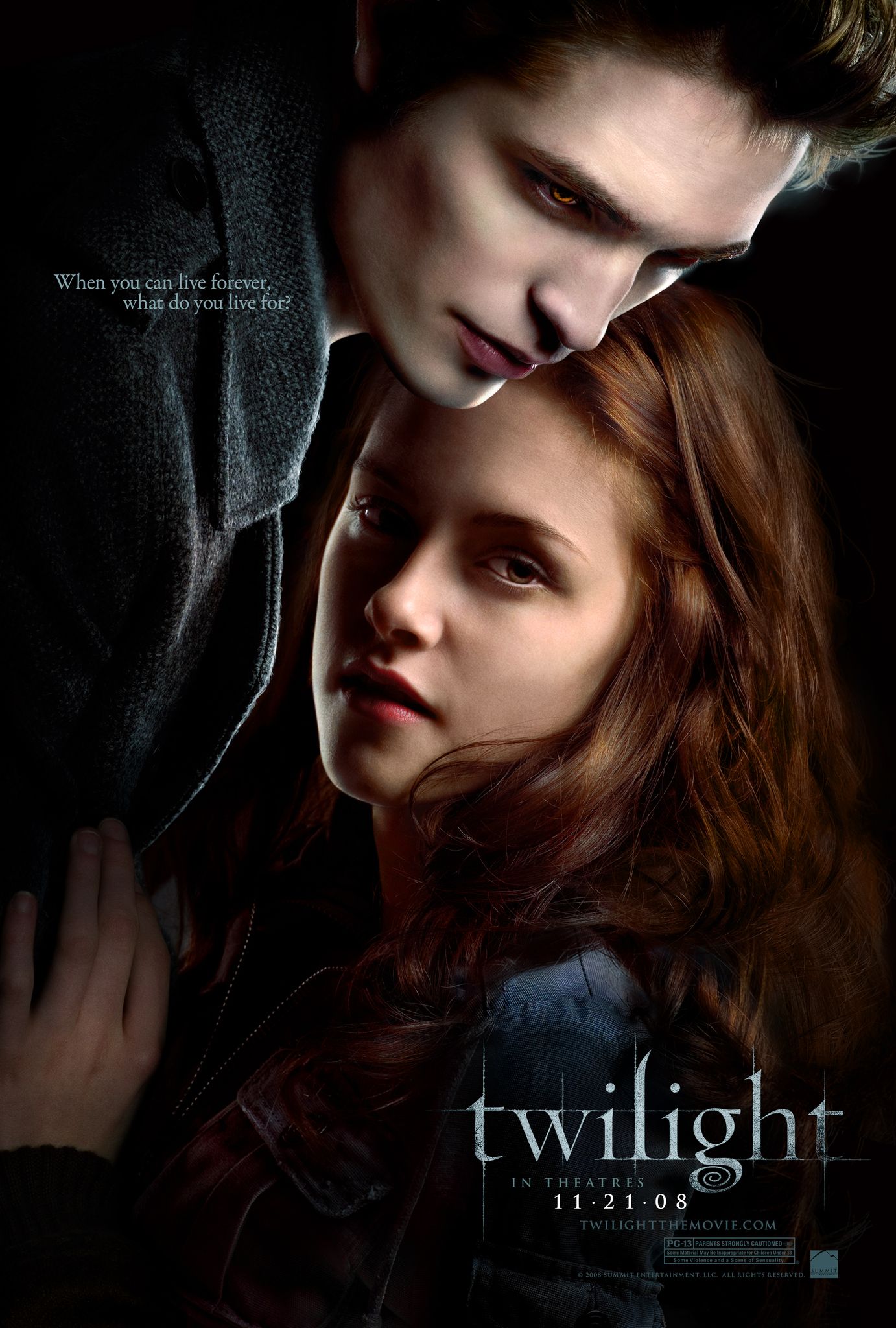
Edward Cullen embodies the archetype of the tormented intellectual. Characterized by high levels of introversion, perfectionism, and a rigorous moral code, Edward struggles constantly with his own nature and his impact on those around him. Matching with Edward suggests a tendency toward overthinking, a strong sense of personal responsibility, and a protective instinct that can sometimes cross into hyper-control. Those who share his profile value deep, singular connections over broad social networks and often carry a heavy internal burden of self-imposed expectations.
Jacob Black: Emotional Transparency and Relentless Loyalty
Jacob Black represents warmth, physical expression, straightforward honesty, and fierce territorial loyalty. Unlike the cerebral nature of the vampires, Jacob’s archetype is grounded in instinct, passion, and rapid emotional shifts. Matching with Jacob indicates an extroverted, hands-on personality. These individuals value direct communication, despise deceit, and will go to extraordinary lengths to protect their loved ones. They thrive in active environments and prefer straightforward resolutions to complex emotional manipulations.
Alice Cullen: Intuition, Joy, and Social Dynamism
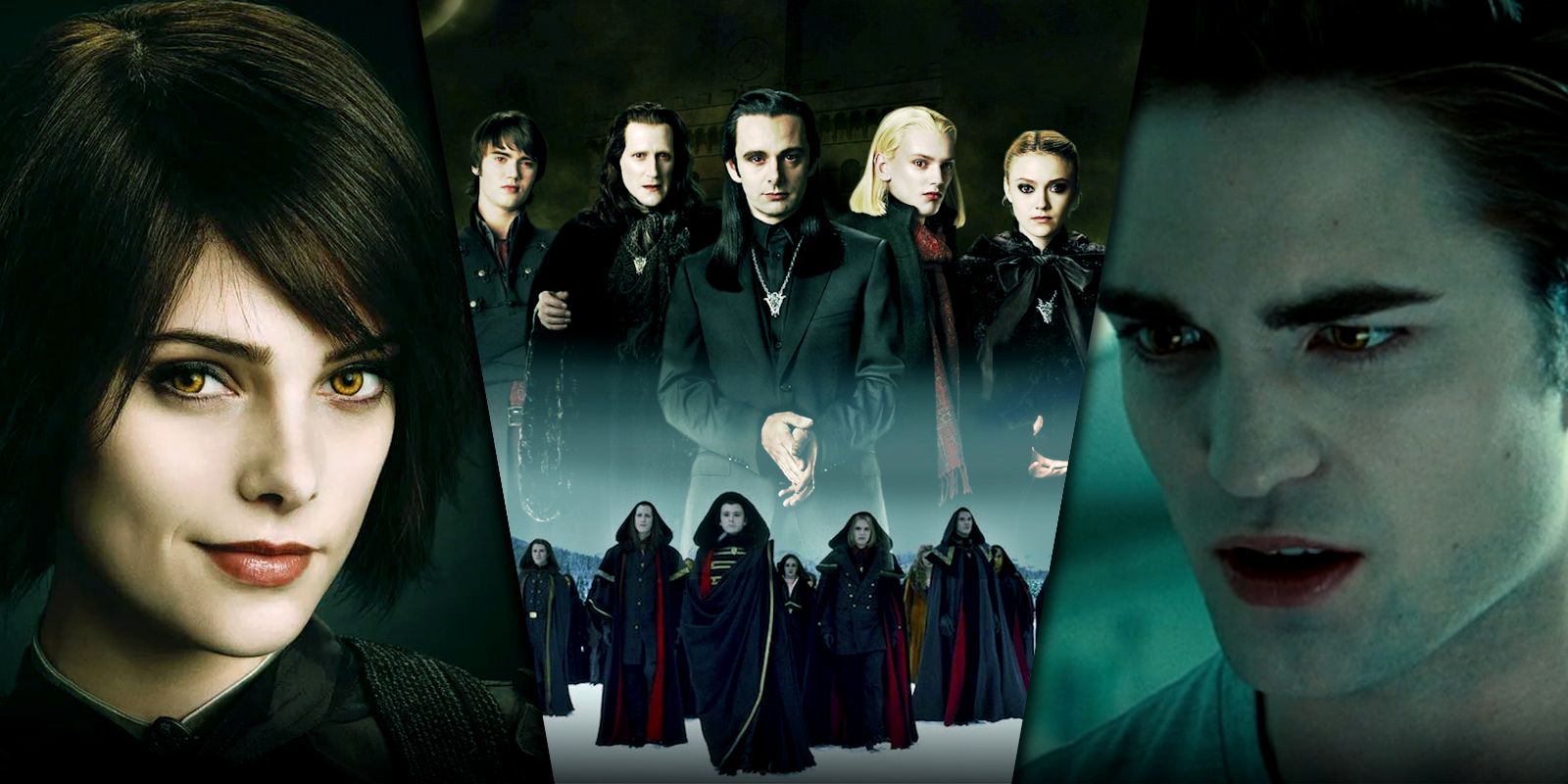
Alice Cullen is the embodiment of boundless enthusiasm, empathy, and intuitive processing. Her ability to foresee outcomes based on human choices highlights a hyper-awareness of social dynamics and future implications. A match with Alice points toward high social intelligence, optimism, and a talent for organization and aesthetic design. These individuals energize groups, champion their friends unconditionally, and maintain a cheerful exterior even when navigating high-stakes uncertainty.
Trait Comparison Matrix
| Character | Primary Archetype | Core Strength | Potential Blind Spot | Interpersonal Style |
|---|---|---|---|---|
| Bella Swan | The Pragmatic Anchor | Resilience and adaptability | Self-neglect and stubbornness | Quietly supportive, deeply devoted |
| Edward Cullen | The Tortured Intellectual | Moral integrity and focus | Overthinking and guilt | Protective, reserved, intense |
| Jacob Black | The Passionate Protector | Loyalty and emotional transparency | Impulsivity and jealousy | Direct, expressive, hands-on |
| Alice Cullen | The Optimistic Visionary | Empathy and social intuition | Intrusive boundary-crossing | Enthusiastic, inclusive, energetic |
Secondary Characters and Niche Personalities
The Twilight universe extends far beyond its primary trio, offering nuanced archetypes for personalities that do not neatly fit the central conflict. Evaluating these secondary figures ensures a comprehensive matching process for diverse psychological profiles.
Rosalie Hale: Uncompromising Strength and Self-Worth
Rosalie Hale represents unwavering self-possession, protection of personal boundaries, and a rejection of vulnerability as a weakness. Individuals matching Rosalie are fiercely independent, hold high standards for themselves and others, and possess a protective streak that stems from past hardships. They prioritize justice, capability, and authentic respect over superficial social harmony.
Emmett Cullen: Epicurean Joy and Physical Competitiveness
Emmett Cullen embodies lightheartedness, physical strength, and a continuous search for amusement. Those who align with Emmett are typically extroverted, humorous, and resilient against stress. They view life as a series of challenges to be enjoyed rather than obstacles to be feared, bringing levity to tense situations through physical humor and unwavering camaraderie.
Charlie Swan: Steady Authority and Unconditional Acceptance
Charlie Swan represents unpretentious reliability, emotional stability, and quiet observation. A match with Charlie indicates a grounded, low-drama personality. These individuals are pillars of their communities, offering non-judgmental support and valuing routine, honesty, and simple comforts over dramatic upheaval.
Methodology for Discovering Your Match
Arriving at an accurate character match requires an objective assessment of how you handle stress, relationships, and daily decision-making. To determine your true literary counterpart, consider the following evaluative steps:
- Analyze Your Conflict Response: When faced with an insurmountable obstacle, do you internalize the problem and try to solve it alone (Edward/Bella), confront it with raw emotion and physical action (Jacob), or seek a creative, socially driven workaround (Alice)?
- Evaluate Your Social Battery: Do you draw energy from a massive collective of varied acquaintances, or do you require a singular, intensely bonded relationship to feel secure?
- Examine Your Moral Framework: Are your decisions guided by an internal, rigid philosophy of right and wrong, or are they flexible, driven primarily by the immediate emotional needs of your inner circle?
- Identify Your Coping Mechanisms: Do you use humor and physical activity to deflect stress, or do you withdraw into introspective silence until you find a logical resolution?
By honestly answering these behavioral questions, readers can bypass superficial quizzes and identify the psychological archetype that genuinely mirrors their internal landscape.
Frequently Asked Questions
Can my Twilight character match change over time?
Yes, personality alignment can shift as you mature, encounter new life stressors, and develop different coping mechanisms. An individual who resonated with Bella's isolated vulnerability in their youth might find themselves aligning more closely with Charlie's steady pragmatism or Rosalie's protective independence later in life.
What if my traits match multiple characters?
Most complex individuals exhibit traits from several archetypes. It is common to have a primary match based on your core stress response and a secondary match based on your social or professional persona. For example, you might possess Edward’s intellectual caution paired with Alice’s social optimism.
Are vampire and werewolf archetypes psychologically distinct?
In the context of personality typing, the vampire archetypes generally represent introversion, intellectualism, internal conflict, and specialized focus. Conversely, the shape-shifter archetypes lean toward extraversion, community reliance, physical action, and transparent emotional expression.
How does this character matching relate to real-world psychology?
While fictional characters are dramatized for narrative effect, they are constructed around recognizable human psychological profiles. Matching with them utilizes narrative projection, allowing you to examine your interpersonal patterns, strengths, and vulnerabilities through a structured, entertaining framework.
Conclusion and Next Actions
To finalize your exploration, take time to reflect on the specific behavioral patterns outlined in the core profiles. Select the character whose primary strength and blind spot most closely mirror your own reactions to daily challenges. By understanding these fictional archetypes, you gain a clearer, more objective perspective on your own interpersonal dynamics and emotional drivers.
Image Gallery