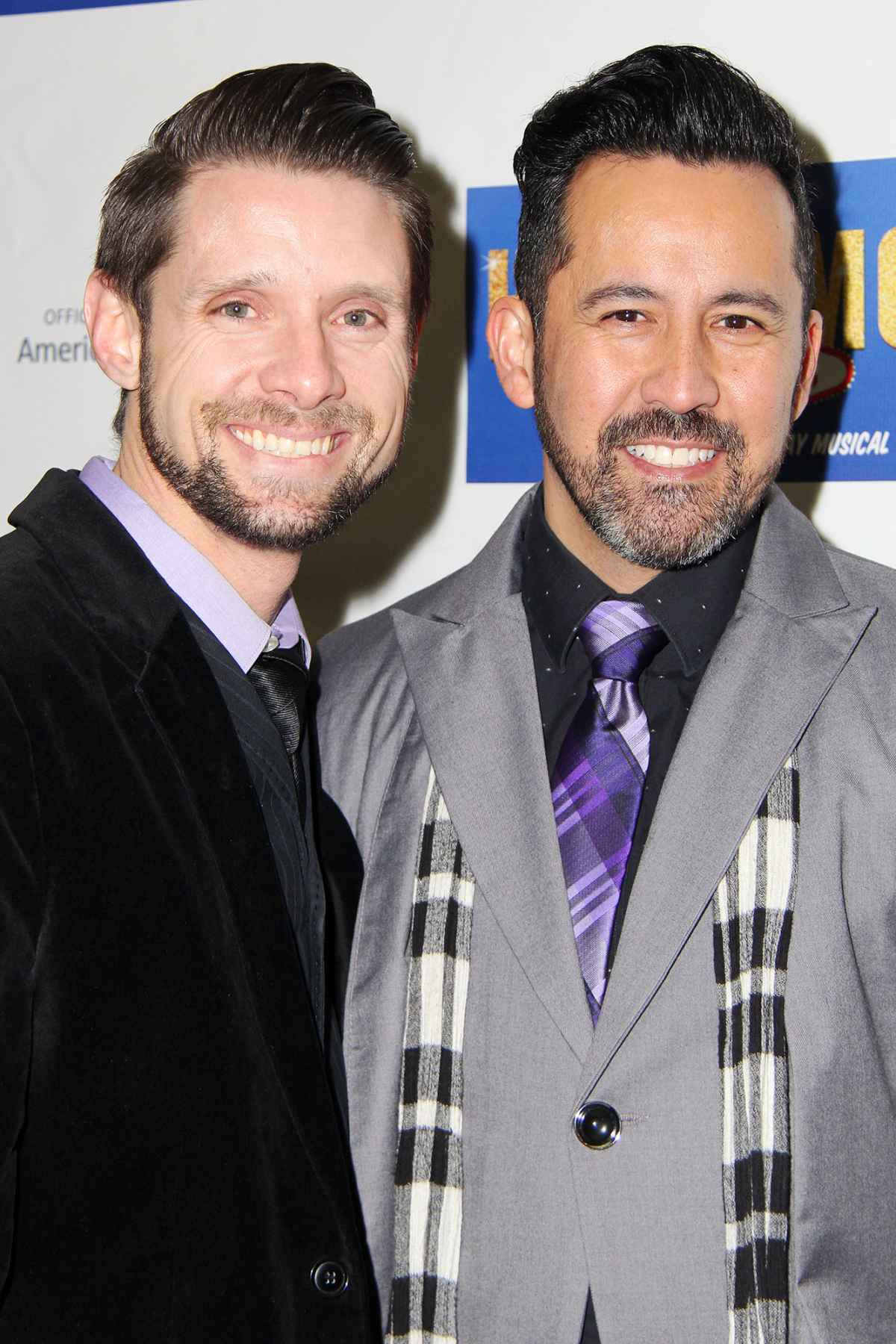
Exploring the Danny Pintauro ImageCollect Collection: A Comprehensive Guide to Celebrity Photo Archives
The Danny Pintauro ImageCollect collection is a specialized digital photo archive containing professional editorial and red-carpet images of the actor known for his childhood role on the television sitcom Who's the Boss?. These curated...
The Danny Pintauro ImageCollect collection is a specialized digital photo archive containing professional editorial and red-carpet images of the actor known for his childhood role on the television sitcom Who's the Boss?. These curated photo repositories serve media outlets, researchers, and pop-culture historians by providing high-resolution, licensed imagery spanning decades of public appearances, press junkets, and entertainment industry events.
Contents
Understanding Entertainment Photo Archives and ImageCollect
Entertainment photography archives serve as the visual backbone of modern media, documenting the lives, careers, and public transitions of public figures. Platforms like ImageCollect function as comprehensive syndication and licensing hubs where media organizations, biographers, and digital publishers acquire verified, high-quality photographs. Understanding how these repositories operate requires looking at the intersection of celebrity culture, digital asset management, and commercial licensing rights.
Unlike personal photo collections or unverified user-generated social media feeds, professional photo archives maintain strict standards for image clarity, metadata tagging, and legal provenance. Every photograph within an established commercial repository is cataloged with precise timestamps, location data, event titles, and photographer credits. This meticulous organization ensures that publishers can legally acquire and utilize images for editorial articles, documentaries, retrospectives, and news coverage without running afoul of copyright restrictions.
For researchers and media professionals tracking the career of a specific public figure, these collections offer a chronological visual timeline. In the case of child stars who transition into adult advocacy or alternative careers, photo archives capture the complete narrative arc of public visibility, documenting fashion evolutions, industry milestones, and major life events as recorded by professional photojournalists.
The Scope and Historical Context of the Danny Pintauro Collection
The photographic record of Danny Pintauro within major commercial archives primarily spans his extensive television career, most notably his seven-season run as Jonathan Bower on the ABC sitcom Who's the Boss? alongside Tony Danza and Judith Light, which aired from 1984 to 1992. During this era, promotional photography was heavily managed by network publicity departments, capturing studio portraits, cast photocalls, and on-set production stills that remain staples of television nostalgia features.
As the entertainment industry evolved from print-dominated syndication to digital-first asset management, the volume of captured imagery expanded to include red-carpet appearances at charity galas, theatrical premieres, and public advocacy events. Following his public disclosure of his HIV-positive status in 2015, the photographic record shifted to reflect his role as an outspoken health advocate, documenting his participation in public health campaigns, interviews, and awareness panels.
| Era / Period | Primary Focus of Imagery | Typical Licensing Use Case |
|---|---|---|
| 1984–1992 | Promotional stills, cast portraits, and press events for Who's the Boss? | Television retrospectives, pop-culture articles, and nostalgic features. |
| 1993–2014 | Independent projects, theater appearances, and general entertainment industry events. | Biographical profiles, theater reviews, and career retrospectives. |
| 2015–Present | Advocacy panels, public health awareness campaigns, and interview documentation. | News reporting on public health, documentary features, and profile updates. |
Licensing, Usage Rights, and Access Requirements
Navigating professional image repositories requires a clear understanding of licensing tiers, copyright compliance, and intended usage types. Images housed within platforms like ImageCollect are strictly protected by copyright law and are made available primarily for editorial use rather than commercial product endorsement or advertising.
Editorial Versus Commercial Restrictions
- Editorial Use: Photographs in this category can be utilized to illustrate news stories, biographical articles, historical retrospectives, and educational commentaries. The subject matter must be newsworthy or of public interest.
- Commercial Restrictions: Under standard editorial licenses, images cannot be used to promote a commercial product, service, brand, or political campaign without explicit releases from the individuals depicted and the copyright holders.
Media organizations and freelance writers must select the appropriate license tier based on their distribution channel, geographic scope, and publication duration. Failure to secure proper licensing can result in copyright infringement claims, underscoring the importance of acquiring assets directly through authorized syndication channels.
Evaluating Image Quality, Metadata, and Technical Specifications
Professional photo archives distinguish themselves through rigorous technical standards and comprehensive metadata tagging. When media professionals evaluate images within a digital collection, several technical parameters determine usability for print and digital publishing.
Resolution and color depth are paramount. Archival images are typically delivered in high-resolution uncompressed or lightly compressed formats (such as high-quality JPEGs or raw TIFF files) to support everything from small mobile thumbnails to full-page print spreads. Color profiles are standardized (frequently sRGB for web display and Adobe RGB for print production) to ensure color fidelity across different mediums.
Metadata tagging goes beyond basic keywords to include:
- IPTC (International Press Telecommunications Council) Data: Embedded directly into the image file, containing copyright notices, creator names, captions, and creation dates.
- Geospatial and Event Tagging: Specific location identifiers (e.g., Los Angeles, New York) and exact event names (e.g., network upfronts, charity galas) to facilitate rapid search retrieval.
- Entity Recognition Tags: Keywords linking the image to specific individuals, organizations, and brand partners associated with the event.
Navigating Platform Search and Retrieval Best Practices
Efficiently locating specific photographs within large commercial databases requires utilizing advanced search operators and understanding indexing structures. Users searching for specific celebrity archives should employ targeted query strategies to filter out irrelevant or generic results.
- Use Exact Phrasing: Combine the subject's full name with specific event descriptors (e.g., "Danny Pintauro red carpet," "Danny Pintauro press event") to narrow search parameters.
- Filter by Date Ranges: Narrow results by specific decades or years to isolate promotional material from contemporary appearances.
- Utilize Orientation Filters: Select horizontal, vertical, or square orientations depending on the layout requirements of the intended publication platform.
- Inspect Watermarks and Previews: Review low-resolution watermarked previews to verify facial expression, framing, and overall image composition before executing a license purchase.
Frequently Asked Questions
What types of photos are typically included in the Danny Pintauro ImageCollect collection?
The collection features professional editorial photography, including historical television promotional stills, red-carpet event appearances, theatrical portraits, and documentation from public health advocacy events spanning his career.
Can these images be used for commercial advertising or marketing?
No. Standard licenses for editorial photo archives permit use in news reporting, biographical articles, educational contexts, and historical retrospectives. Commercial endorsements, advertising, and merchandise applications require separate commercial releases and licensing agreements.
How do publishers verify the copyright and licensing terms of archived photos?
Each image file contains embedded IPTC metadata detailing the copyright holder, creator, and permissible usage terms. Publishers should review these licensing parameters directly on the hosting platform before downloading or publishing any asset.
Are historical images from the 1980s available in high resolution?
Yes. Major archives digitize and restore historical negatives and print transparencies to provide high-resolution digital files suitable for modern digital displays and high-density print formats.
What is the difference between editorial use and personal use for these collections?
Editorial use is intended for journalists, authors, and media outlets reporting on public figures and events. Personal use typically refers to non-commercial, private viewing, though most commercial repositories restrict access strictly to licensed publishing professionals and media organizations.
Practical Next Actions for Media Professionals
For writers, researchers, and producers seeking to incorporate verified visual assets into their projects, the primary step is to establish an authorized account with the hosting image repository. Verify your intended publication scope against the platform's licensing tiers to ensure compliance with copyright standards. Always verify embedded IPTC metadata upon download to maintain accurate attribution and creator credits in your final published work.
Image Gallery