Training at the Fencing Center of Chicago: A 2026 Guide to Programs and Competitive Excellence
The Fencing Center of Chicago (FCC) is a premier athletic institution dedicated to the sport of Olympic fencing, offering comprehensive training in foil, epee, and saber. Located in the heart of the Chicago metropolitan area, the cente...
The Fencing Center of Chicago (FCC) is a premier athletic institution dedicated to the sport of Olympic fencing, offering comprehensive training in foil, epee, and saber. Located in the heart of the Chicago metropolitan area, the center serves students ranging from six-year-old beginners to competitive adult athletes and veterans. Whether you are seeking a unique fitness regimen or a path to NCAA collegiate recruitment, the center provides the technical coaching and facility infrastructure necessary to master the "physical chess" of fencing.
Contents
The Foundations of Fencing at the Center
Fencing is often misunderstood as a purely recreational activity, but at the Fencing Center of Chicago, it is treated as a rigorous athletic discipline. Under the direction of elite coaching staff—often including masters with deep roots in the European fencing tradition—the center emphasizes a balance of tactical intelligence, explosive footwork, and technical blade precision.
The 2026 season continues the center’s tradition of fostering a community where discipline and sportsmanship are as important as the score on the strip. The facility is equipped with modern electronic scoring systems and grounded metal strips (pistes), which are essential for simulating the environment of regional and national tournaments sanctioned by USA Fencing.
The Three Weapons: Choosing a Path
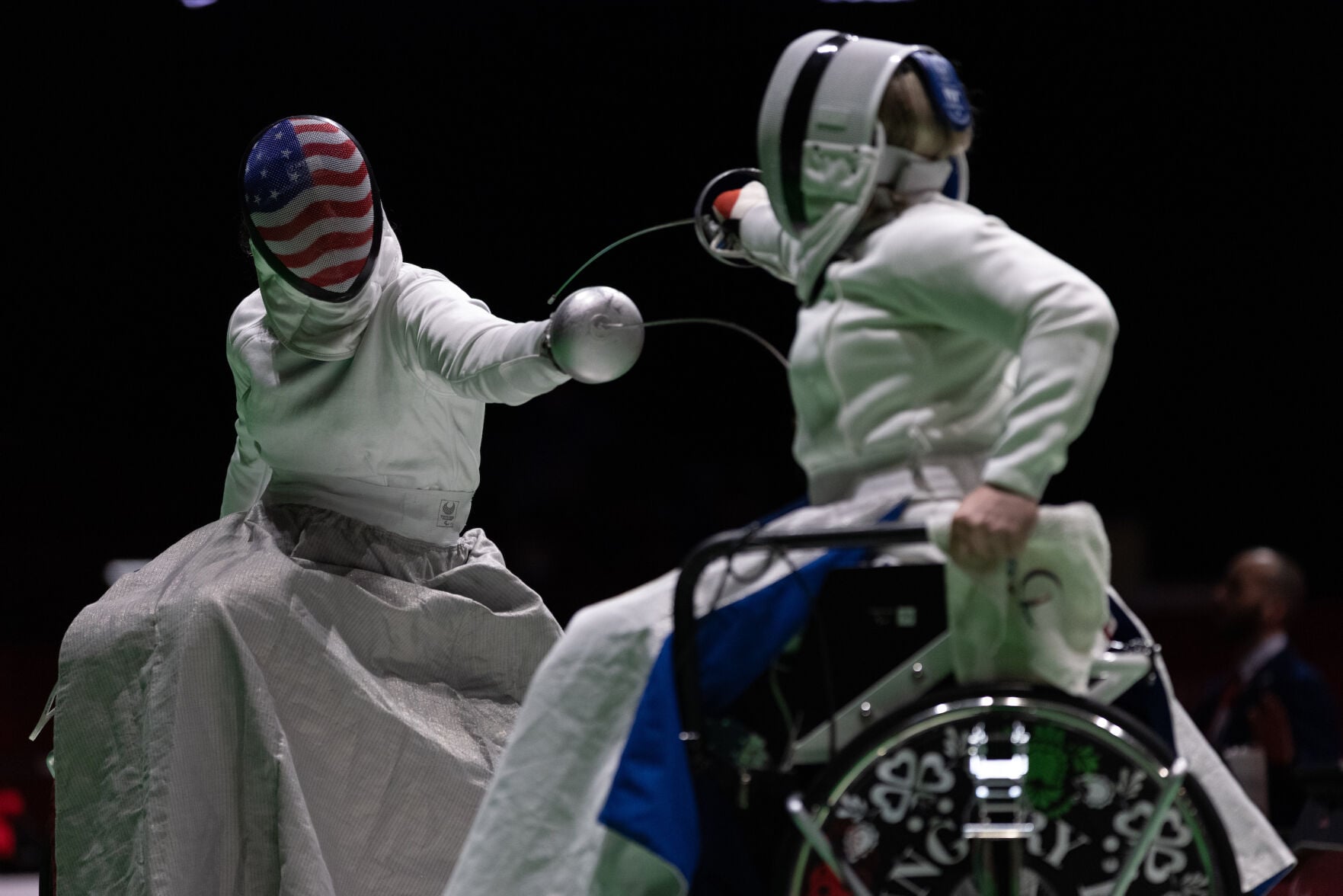
While many beginners start with a general introduction, students at the Fencing Center of Chicago eventually specialize in one of the three Olympic weapons. Understanding the distinctions between them is critical for any prospective fencer:
- Foil: A light thrusting weapon. The target area is restricted to the torso (including the back but excluding the arms and head). Foil uses "right-of-way" rules, meaning the fencer who initiates the attack has priority in scoring unless the opponent parries the blade.
- Epee: The heaviest of the three weapons. In epee, the entire body is a valid target, from the mask to the toes. There are no right-of-way rules; whoever hits first scores. If both fencers hit simultaneously, both receive a point.
- Saber: A cutting and thrusting weapon. The target area is everything from the waist up, including the arms and head. Like foil, saber follows right-of-way rules, but it is known for being significantly faster and more aggressive due to the ability to score with the edge of the blade.
Programming and Class Structures for 2026
The Fencing Center of Chicago organizes its curriculum by age and skill level to ensure that every student receives age-appropriate instruction.
Youth and Junior Development
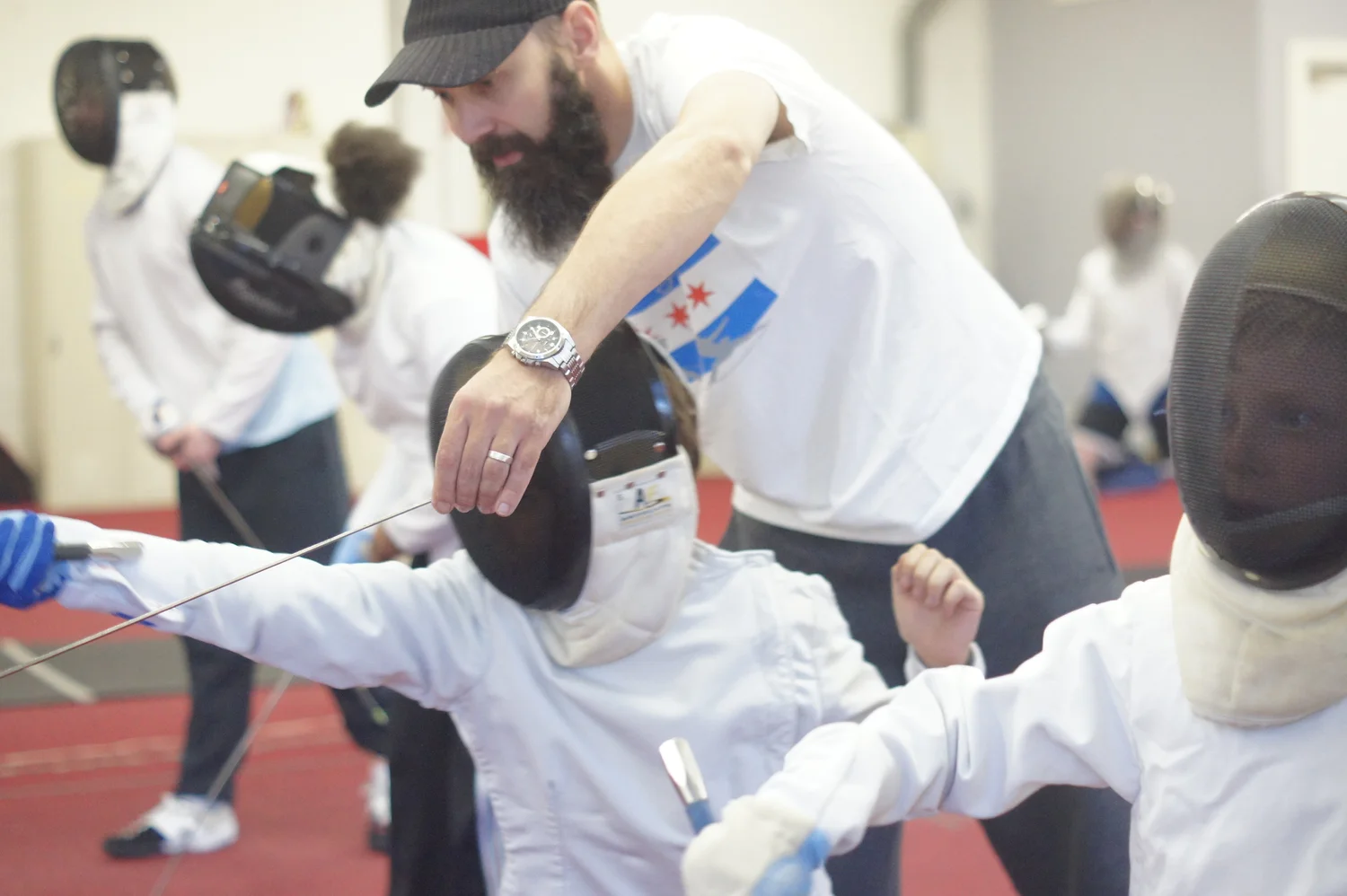
For younger children, typically ages 6 to 10, the focus is on coordination, basic motor skills, and an introduction to the rules of the sport. At this stage, the center uses lighter, modified equipment to ensure safety and comfort. As students progress into the Junior categories (ages 11–17), the intensity increases.
The Junior program is the backbone of the center’s competitive success. Many students in this bracket compete in the North American Cup (NAC) circuit. Coaches work closely with high school students who aim to fence at the collegiate level, providing guidance on how to navigate the recruitment process for NCAA programs at universities such as Notre Dame, Columbia, and Northwestern.
Adult and Veteran Programs
Fencing is a lifelong sport, and the Fencing Center of Chicago maintains a robust adult community. The 2026 adult program caters to two primary groups:
- Fitness Enthusiasts: Adults looking for a high-intensity cardio workout that also engages the brain.
- Competitive Veterans: Fencers aged 40 and older who compete in the "Veteran" age brackets. This is one of the fastest-growing segments of the sport, offering a competitive outlet for those who discovered fencing later in life or are returning to it after a hiatus.
Equipment Requirements and Membership Costs
Entering the sport of fencing requires a specific set of safety gear. While the Fencing Center of Chicago provides introductory equipment for first-time students in "Beginner 1" classes, long-term participants are expected to purchase their own kit for hygiene and fit purposes.
Necessary Gear for Competitive Play
A full competitive set includes:
- Mask: Must pass a 12kg punch test for safety.
- Jacket and Underarm Protector (Plastron): Constructed from puncture-resistant ballistic fabrics.
- Glove: To protect the weapon hand.
- Breeches (Knickers): Specifically designed to protect the legs while allowing mobility.
- Weapon and Body Cords: For connection to the electronic scoring system.
2026 Membership and Tuition Overview
The following table outlines the typical investment for different levels of participation at the Fencing Center of Chicago. Note: Prices are estimates based on 2026 seasonal rates and may vary based on specific coaching packages.
| Program Level | Monthly Tuition | Annual Membership | Best For |
|---|---|---|---|
| Introductory (1x/week) | $150 – $180 | Included in first term | Newcomers testing the sport |
| Intermediate (2x/week) | $250 – $300 | $100 – $150 | Recreational fencers improving skills |
| Competitive Elite | $450 – $600 | $200+ | National-level athletes with private lessons |
| Private Lessons (per 20 min) | $40 – $60 | N/A | Focused technical refinement |
The Tactical Edge: Why Training in Chicago Matters
Chicago is a major hub for fencing in the United States, and the Fencing Center of Chicago benefits from its proximity to various high-level competitions. Being part of the Illinois Division of USA Fencing allows FCC athletes to participate in local qualifiers that lead directly to the Junior Olympics and the Summer Nationals.
The coaching philosophy at the center prioritizes distance control and timing over raw strength. In a typical training session, fencers spend the first 30 minutes on "footwork"—the rhythmic, repetitive movement patterns that allow a fencer to move in and out of an opponent’s range without being hit. This is followed by blade work drills and "electric" bouting, where the electronic equipment tracks hits with millisecond precision.
Safety and Technical Regulations
In 2026, safety standards remain the highest priority. All equipment must meet the standards set by the Fédération Internationale d'Escrime (FIE) for international competition, though "club-level" gear is often sufficient for domestic practices.
Modern fencing is statistically one of the safest sports in the Olympic lineup, largely due to the rigorous testing of protective clothing. The Fencing Center of Chicago enforces strict rules regarding the wearing of masks and chest protectors at all times during blade-on-blade contact. Additionally, the center utilizes state-of-the-art wireless scoring technology in some of its advanced lanes, reducing the trip hazard of traditional floor cords.
Frequently Asked Questions
Is fencing a good workout for weight loss?
Yes. Fencing is a high-intensity interval activity that burns a significant number of calories. A typical one-hour class involves constant movement, lunging, and retreating, which targets the core, glutes, and quadriceps. Because it requires intense focus, many participants find it more engaging than traditional gym workouts.
At what age should a child start at the center?
Most coaches recommend starting between the ages of 7 and 9. At this age, children have developed the coordination necessary to handle the weapon safely but are still young enough to develop the "muscle memory" required for elite-level footwork. However, the Fencing Center of Chicago has successful students who started as late as 14 or 15 and still reached collegiate levels.
Do I need to be in peak shape to start?
No. While fencing is physically demanding, the center’s beginner programs are designed to build your fitness levels gradually. The sport relies as much on timing and strategy as it does on athleticism. Many fencers find that their "fencing fitness" improves naturally as they master the technical aspects of the sport.
How do I prepare for my first class?
Wear comfortable athletic clothing, specifically long pants (like sweatpants or leggings) and indoor court shoes with non-marking soles. Avoid shorts, as they leave the legs exposed during drills. The center provides the mask, jacket, and weapon for your initial trial period.
How often should I take private lessons?
For those on a competitive track, one to two private lessons per week are standard. These one-on-one sessions with a coach allow for the correction of subtle technical flaws that cannot be addressed in a large group setting.
Next Steps for Prospective Fencers
For those interested in joining the Fencing Center of Chicago, the first step is typically an introductory assessment or a beginner’s workshop. These sessions are designed to introduce the basic stances—the en garde position—and the fundamental mechanics of the lunge.
After completing an introductory course, students are encouraged to join a membership tier that matches their goals. For those pursuing the sport seriously, it is highly recommended to obtain a "Competitive" level membership with USA Fencing, which allows you to track your progress through the national rating system (ranging from 'U' for unrated to 'A' for the highest-ranked athletes).
Whether your goal is to compete on the national stage or simply to find a challenging new hobby in the 2026 season, the Fencing Center of Chicago offers the expertise and environment to help you succeed.
Image Gallery