Capital One 360 Checking Features, Fees, and the Consumer Debate in 2026
Capital One 360 Checking is a fee-free, digital-first bank account that combines the high-tech features of a neobank with the security of a top-tier traditional institution. In 2026, it remains a primary choice for consumers seeking no...
Capital One 360 Checking is a fee-free, digital-first bank account that combines the high-tech features of a neobank with the security of a top-tier traditional institution. In 2026, it remains a primary choice for consumers seeking no-minimum balances, early direct deposit access, and a massive fee-free ATM network.
Contents
While Capital One 360 Checking is frequently lauded for its accessibility and elimination of traditional "junk fees," it is also the subject of an ongoing consumer debate regarding the evolution of physical banking. As the bank continues to replace traditional branches with "Capital One Cafes," customers are divided on whether this hybrid model provides sufficient support compared to legacy banking structures. This article provides a comprehensive analysis of the account’s current features, its fee-free structure, and the nuances of the public discourse surrounding its service model.
The Core Features of Capital One 360 Checking
As of 2026, the 360 Checking account serves as the flagship transactional product for Capital One. It is designed to bridge the gap between users who want a mobile-centric experience and those who still require occasional physical touchpoints.
Digital Integration and the Mobile App
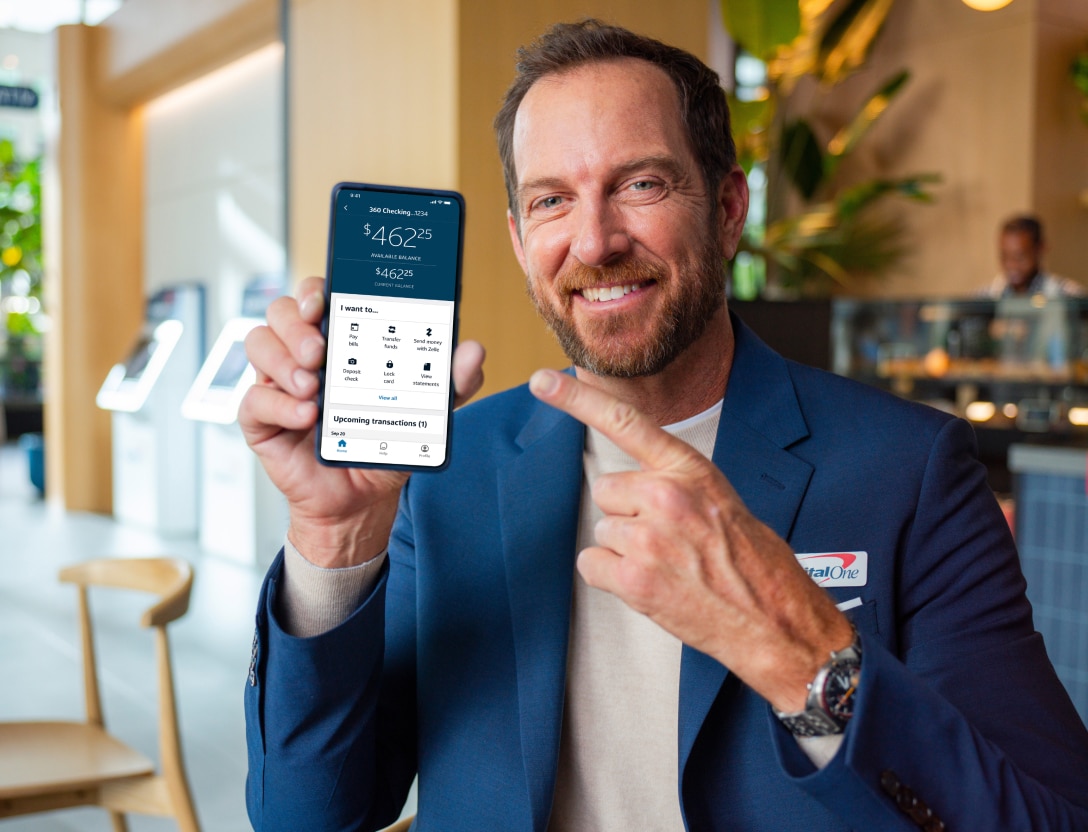
The primary interface for 360 Checking is the Capital One mobile app, which consistently ranks high for user experience. Beyond standard balance checks and transfers, the app integrates CreditWise, a tool that allows users to monitor their credit health without impacting their scores. In 2026, the app’s security features include instant card locking, virtual card numbers for safer online shopping, and sophisticated fraud alerts that utilize machine learning to identify unusual spending patterns before the transaction is even completed.
Early Payday and Direct Deposit
A standard feature for 360 Checking is Early Payday. By processing ACH instructions as soon as they are received from employers, Capital One often makes funds available to users up to two days earlier than the scheduled payday. This feature has become a competitive necessity in 2026, helping users manage cash flow and avoid high-interest short-term credit options.
ATM Access and Cash Management
One of the most significant hurdles for digital banks is cash access. Capital One addresses this through a partnership with the Allpoint and MoneyPass networks. Users have access to over 70,000 fee-free ATMs globally. Furthermore, 360 Checking allows for cash deposits at any Capital One branch, Cafe, or through select retail partners like CVS, resolving a common pain point for gig economy workers and small cash-based earners.
Comprehensive Fee Analysis: What Costs Remain?
Capital One was among the first major U.S. banks to eliminate several common fees entirely, a trend that has shaped the banking industry leading into 2026.
The "Zero Fee" Promise
The 360 Checking account carries no monthly maintenance fees, regardless of the account balance or monthly deposit volume. This distinguishes it from many "Big Four" competitors that require a minimum balance (often $1,500 or more) or a monthly direct deposit to waive a $12–$15 fee.
Overdraft and Non-Sufficient Funds (NSF)
Following their landmark 2021 decision, Capital One continues to operate with no overdraft fees. Users have three primary choices for handling transactions that exceed their balance:
- Auto-Decline: The transaction is simply denied at the point of sale with no fee.
- Next Day Grace: The bank covers the transaction, and the user has one business day to bring the balance back to zero to avoid a lockdown on further spending.
- Overdraft Transfer: Funds are automatically moved from a linked 360 Performance Savings account to cover the shortfall.
Foreign Transaction Fees
For travelers, 360 Checking is particularly valuable because it charges no foreign transaction fees on debit card purchases. This is a rarity among traditional checking accounts, which often charge 3% on every swipe made outside of the United States.
| Fee Category | Capital One 360 Checking | Typical Traditional Bank |
|---|---|---|
| Monthly Maintenance | $0 | $10 – $15 |
| Minimum Balance to Avoid Fee | $0 | $1,500+ |
| Overdraft Fee | $0 | $30 – $35 |
| NSF Fee | $0 | $30 – $35 |
| Foreign Transaction Fee | 0% | 3% |
| Cash Deposit at ATM | Free (Capital One/Select Retailers) | Usually Restricted to Own Brand |
The Consumer Debate: Cafes vs. Branches
The most heated debate surrounding Capital One 360 Checking involves the bank’s physical footprint. Unlike Chase or Wells Fargo, which maintain thousands of full-service branches, Capital One has pivoted toward the Capital One Cafe model.
The Argument for the Cafe Model
Proponents of the Cafe model argue that it reflects the reality of modern banking. Most customers rarely need a teller for routine transactions like depositing checks or withdrawing cash. The Cafes provide a relaxed environment where customers can get a coffee (at a discount for cardholders), use free Wi-Fi, and speak with "Ambassadors" about their accounts. This model reduces overhead, allowing the bank to pass savings to customers in the form of zero fees and higher interest rates on savings.
The Argument Against the Cafe Model
Critics and traditionalists argue that the Cafe model is a "hollowed-out" version of banking. When complex issues arise—such as medallion signature guarantees, complicated wire transfers, or notary services—the lack of traditional branch infrastructure can become a major obstacle. For consumers who are less tech-savvy or who deal with large amounts of physical paperwork, the transition from branches to Cafes can feel like a reduction in service quality.
Account Security and "Lockouts"
A secondary point of debate in consumer forums involves the bank's aggressive fraud prevention algorithms. While high security is generally a positive, some users have reported instances where their accounts were frozen due to "suspicious activity" that was actually legitimate. In a digital-only environment, resolving these freezes can sometimes involve long wait times on phone lines, which fuels the debate about whether the lack of a physical branch manager to verify identity in person is a systemic flaw.
Technical Specifications and Integration
To understand the 360 Checking experience, one must look at how it interacts with the broader Capital One ecosystem. The account is designed to be a "hub" for a user's financial life.
- Zelle Integration: Peer-to-peer payments are handled natively within the app via Zelle, allowing for near-instant transfers to almost anyone with a U.S. bank account.
- Automatic Savings: The "Add to Savings" feature allows users to set up recurring transfers from 360 Checking to a 360 Performance Savings account, which typically offers one of the more competitive APYs in the market.
- Check Deposits: The mobile check deposit feature uses advanced image recognition to clear most checks within one to two business days, with the first $225 often available immediately.
For more information on federal protections for these accounts, consumers can visit the Official FDIC Website to verify coverage limits and bank status.
Suitability: Who Should Choose 360 Checking?
In 2026, the 360 Checking account is ideally suited for digital natives and those who prioritize fee avoidance over high-touch personal service. It is an excellent fit for:
- Frequent Travelers: Due to the lack of foreign transaction fees and wide ATM access.
- Students and Young Professionals: Who may have fluctuating balances and need to avoid monthly maintenance or overdraft fees.
- Hybrid Bankers: Individuals who do 95% of their banking on a phone but want the option to walk into a Cafe if they have a general question.
Conversely, it may not be the best fit for business owners who deal heavily in physical cash or those who require specialized legal or estate banking services that necessitate a traditional bank officer.
Frequently Asked Questions
Can I deposit cash into my Capital One 360 Checking account? Yes. You can deposit cash at any Capital One branch or Cafe. Additionally, Capital One has partnered with several retail locations (including many CVS and Walgreens stores) where you can "Add Cash in Store" by having a cashier scan a barcode generated in your Capital One mobile app.
Does Capital One 360 Checking pay interest? Yes, though the rate is generally lower than what you would find in their 360 Performance Savings account. In 2026, the checking account typically offers a modest APY to ensure that even your "walking around money" is earning some return, but for significant growth, users are encouraged to sweep excess funds into the linked savings account.
Are there any hidden fees I should know about? While the primary fees (monthly, overdraft, foreign transaction) are eliminated, you may still encounter fees for specialized services. These include outgoing domestic wire transfers, expedited delivery of a replacement debit card, or ordering a book of physical checks (though the first 20 checks are often free).
What happens if I lose my debit card? You can instantly lock your card via the mobile app to prevent unauthorized transactions. You can then order a replacement through the app. In many cases, Capital One provides a "Virtual Card" number that you can use for online purchases immediately while waiting for the physical plastic to arrive in the mail.
Is my money safe with Capital One? Capital One is a member of the FDIC (Federal Deposit Insurance Corporation). This means your deposits are insured up to $250,000 per depositor, per account ownership category, in the event of a bank failure.
Final Recommendation
For the vast majority of consumers in 2026, Capital One 360 Checking offers an unbeatable combination of low costs and high functionality. The debate over the "Cafe model" is largely a matter of personal preference; if you are comfortable managing your finances through an app and don't require frequent in-person teller interactions, the lack of fees makes this account a top-tier choice. To get started, users should download the app or visit the Capital One website to verify current interest rates and promotional offers.
Image Gallery