EKWB: An Analysis of the Water Cooling Ecosystem and Industry Position
EKWB, often referred to as EK, is a Slovenia-based manufacturer that specializes in custom liquid cooling solutions for high-performance computing hardware. The company designs and produces a wide range of components, including CPU wat...
EKWB, often referred to as EK, is a Slovenia-based manufacturer that specializes in custom liquid cooling solutions for high-performance computing hardware. The company designs and produces a wide range of components, including CPU water blocks, GPU water blocks, distribution plates, pumps, reservoirs, radiators, and coolant fluids, enabling enthusiasts and professionals to build bespoke thermal management systems for their personal computers and workstations.
Contents
The Role of EKWB in the PC Cooling Market
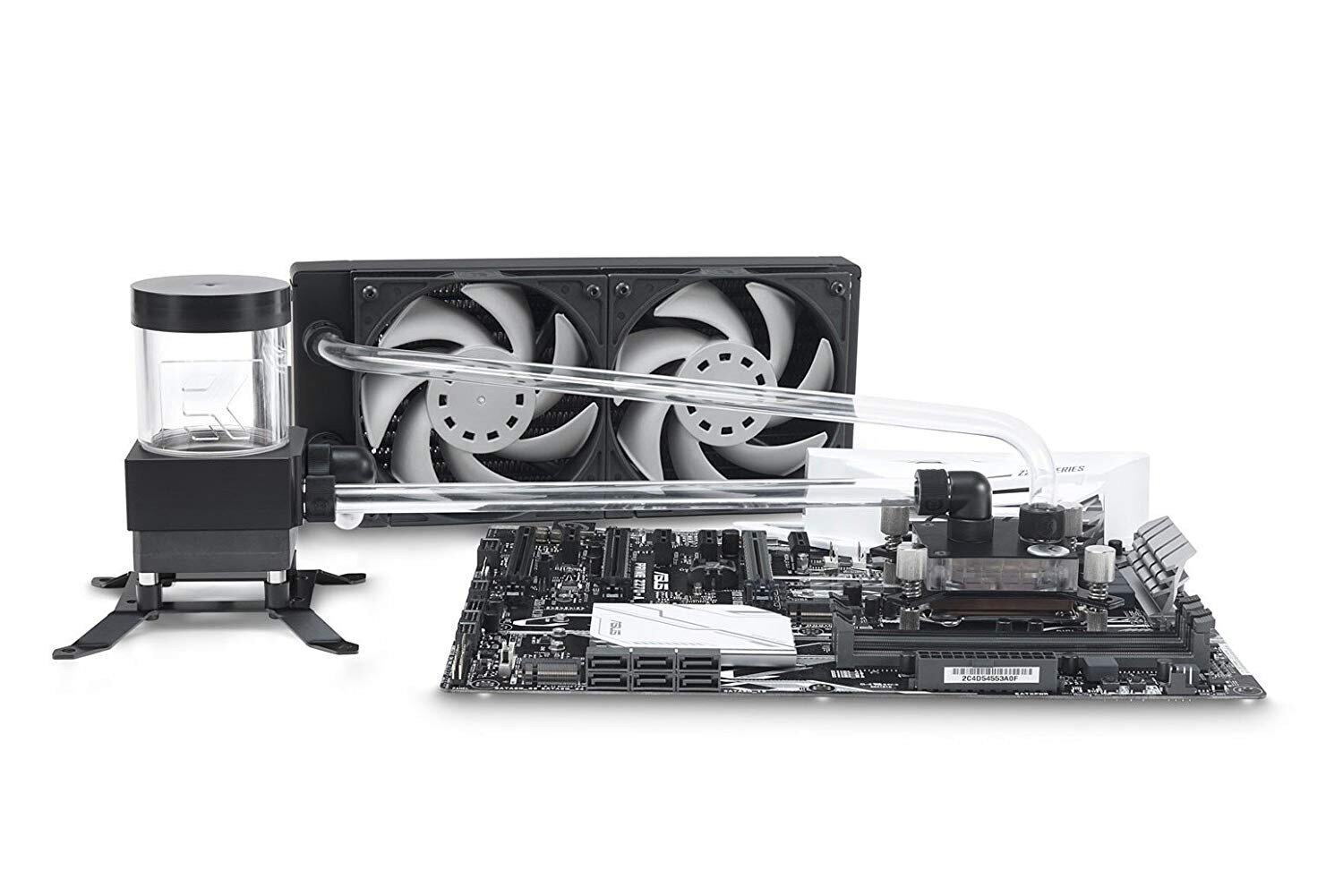
In the landscape of modern computing, thermal management has moved from a secondary consideration to a critical performance factor. High-end processors and graphics cards generate significant thermal output, which can lead to thermal throttling—a process where hardware lowers its clock speed to prevent damage from excessive heat. EKWB occupies a dominant position in the liquid cooling market by providing the infrastructure necessary for "custom loops." Unlike "All-in-One" (AIO) coolers, which are pre-assembled and sealed, an EKWB-based system allows users to select individual components to manage heat across multiple components in a single circuit.
The technical depth required to manage a custom loop is substantial. EKWB provides the physical components to transfer heat from a silicon die to a copper or nickel-plated block, where the heat is then absorbed by a circulating liquid. This fluid is pumped through a radiator, where fans dissipate the heat into the surrounding environment. Because EKWB components are modular, they offer users the ability to expand their cooling capacity to handle overclocked CPUs, high-wattage GPUs, or even multiple graphics cards within the same loop.
Core Component Categories
To understand how EKWB facilitates custom cooling, one must examine the fundamental parts of their product lineup. These components are designed with material compatibility in mind, as mixing metals (such as aluminum and copper) within a single loop can lead to galvanic corrosion—a chemical reaction that degrades parts over time.
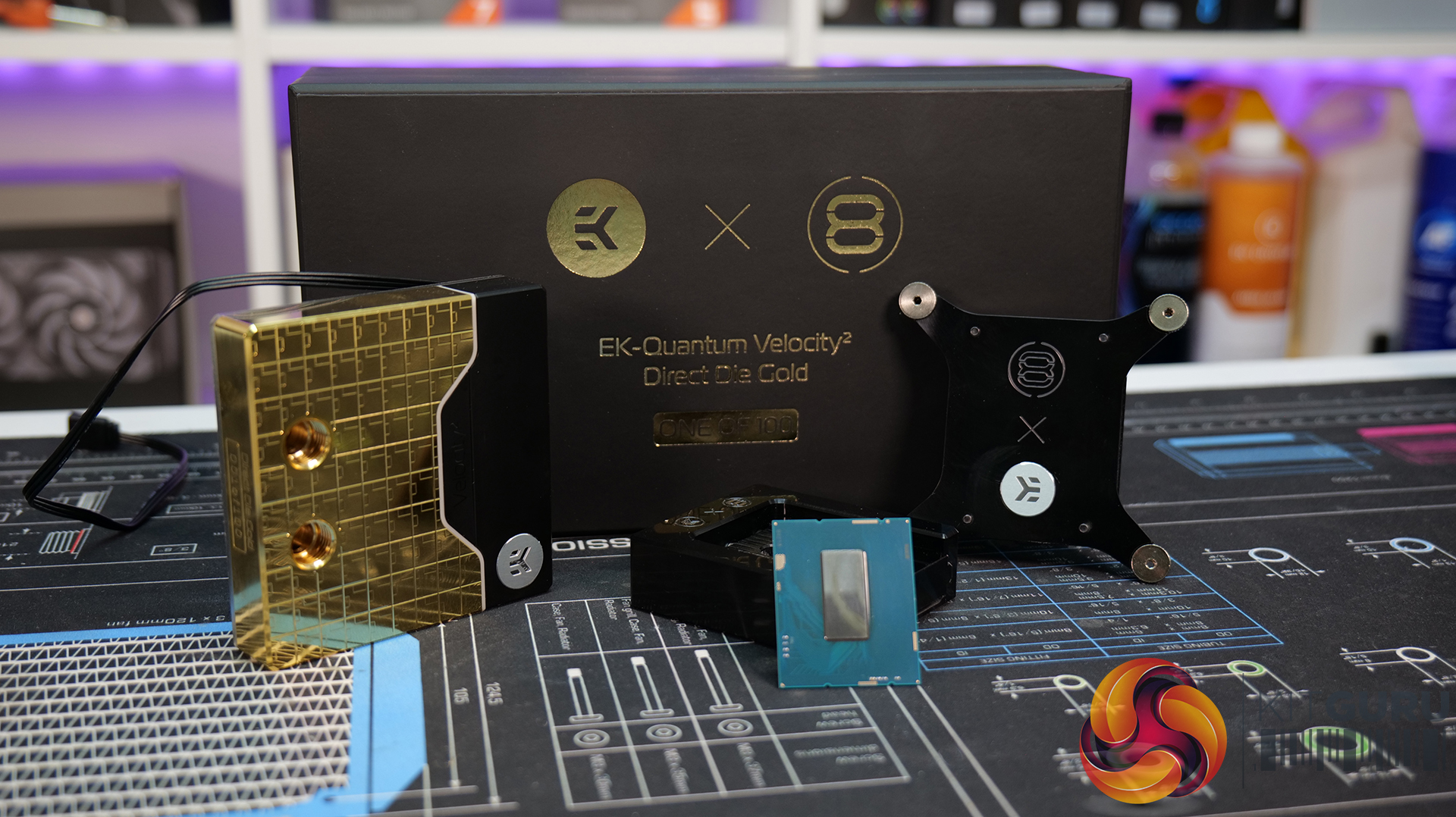
- Water Blocks: These are the primary contact points. EKWB designs specific blocks for processors (CPU blocks) and graphics cards (GPU water blocks). The latter, often referred to as full-cover blocks, provide active cooling not just for the GPU core, but also for the video memory (VRAM) and voltage regulator modules (VRMs), which are essential for stable high-performance operation.
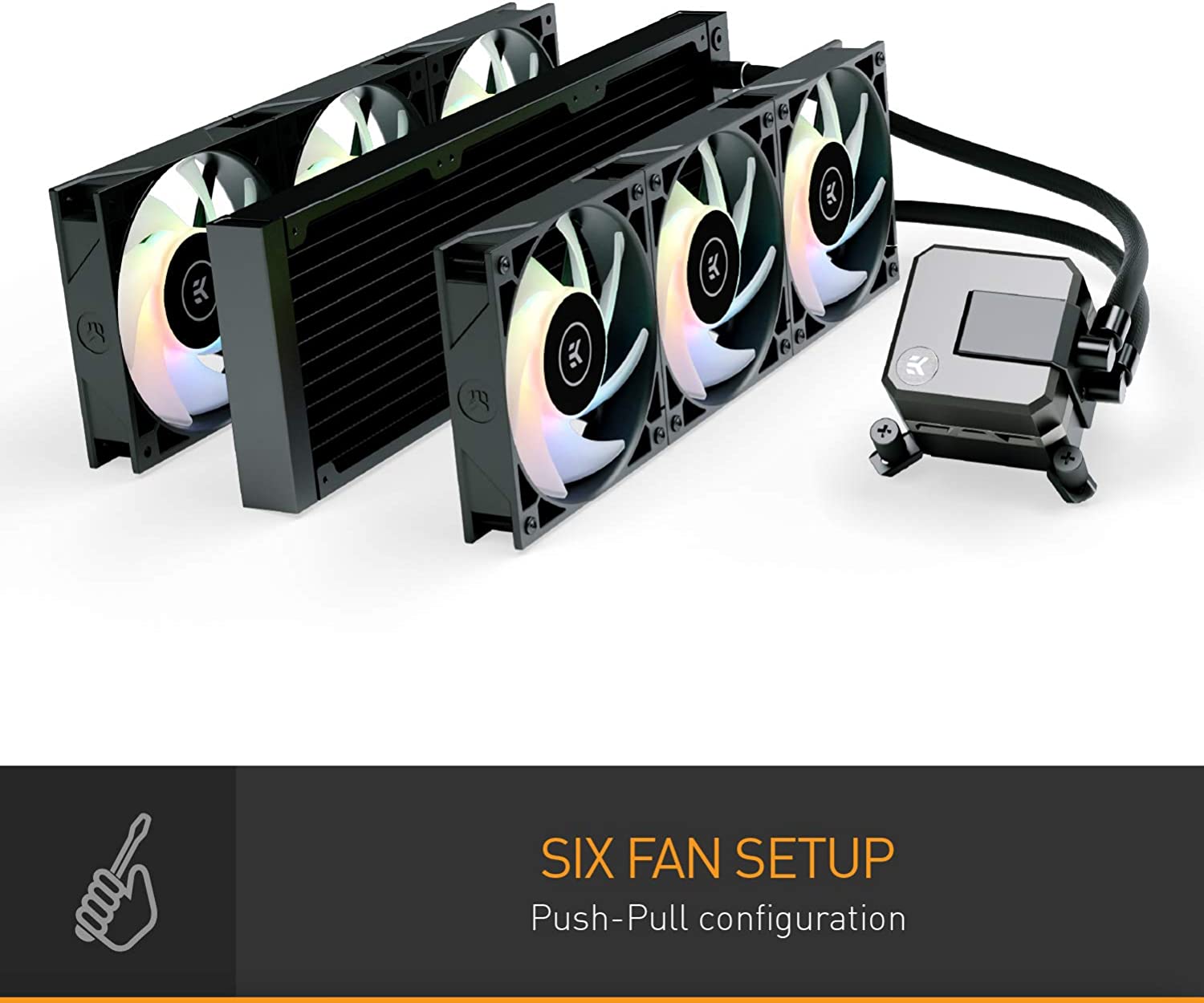
- Radiators: These function as heat exchangers. EKWB offers radiators in various thicknesses and lengths (typically measured by 120mm fan increments, such as 240mm, 360mm, or 480mm). The thickness of the radiator core, combined with the fin density, determines how effectively heat is rejected at specific fan speeds.
- Pumps and Reservoirs: The pump is the heart of the loop, circulating the coolant. EKWB frequently integrates pumps directly into reservoir units (pump-res combos), which simplifies the installation process and reduces the number of fittings required.
- Fittings and Tubing: These connect the components. EKWB produces both soft-tubing fittings (usually rubber or silicone) and hard-tubing fittings (typically acrylic or PETG). The precision of these fittings is vital for maintaining a leak-free environment, as the custom nature of the builds places high demands on the structural integrity of every connection.
Technical Considerations for System Integrators
For users evaluating EKWB products, the primary technical challenge is loop planning. Unlike standardized components, custom liquid cooling requires a high degree of spatial awareness. Users must calculate the layout of their chassis to ensure that the tubing runs do not kink and that the fluid flow path is logical.
| Component Type | Primary Function | Installation Complexity | Maintenance Requirement |
|---|---|---|---|
| CPU Block | Transfers heat from CPU to fluid | Moderate | Low (periodic cleaning) |
| GPU Block | Cools GPU, VRAM, and VRMs | High | Moderate (requires disassembly) |
| Radiator | Dissipates heat into air | Moderate | Low (dust clearance) |
| Pump/Res | Circulates and stores fluid | Moderate | Moderate (bleed air/refill) |
| Hard Tubing | Conveys fluid through rigid paths | Very High | Low |
Planning and Maintenance Requirements
Building a custom loop with EKWB components is not a "set it and forget it" process. Maintenance is a recurring requirement. Most high-performance coolants contain inhibitors to prevent corrosion and biological growth, but these additives degrade over time. EKWB generally recommends draining and flushing the loop once every 12 to 24 months to ensure the system remains free of debris and chemical breakdown.
Troubleshooting common issues often involves identifying "air pockets" within the loop, which can cause pump noise or reduced flow. Users must be prepared to tilt their PC chassis during the filling process to ensure air is displaced from the radiators into the reservoir. Leak testing is perhaps the most critical step; it is standard practice to power the pump via an external power supply—without turning on the PC components—for several hours to verify the integrity of the seals before introducing electricity to the rest of the hardware.
Comparative Analysis: Custom vs. AIO Cooling
While EKWB serves the custom enthusiast market, it is essential to distinguish their offering from the broader market of pre-filled cooling solutions.
- Performance Ceiling: Custom loops allow for virtually unlimited radiator surface area. If a user requires extreme thermal dissipation for high-end rendering or overclocking, they can scale their EKWB loop far beyond what any mass-produced AIO can provide.
- Aesthetics and Personalization: Custom loops allow for the use of colored fluids, specialized rigid tubing geometries, and individual component lighting. This level of customization is inherently incompatible with the sealed, static nature of AIOs.
- Cost and Complexity: An AIO typically costs between $100 and $200 and takes minutes to install. A custom EKWB loop can range from $500 to over $1,500 depending on the complexity of the loop and the quality of the materials (such as using high-end nickel-plated blocks or specialized glass tubing).
Frequently Asked Questions
Is EKWB the only manufacturer of custom cooling parts? No, the industry includes several manufacturers such as Corsair, Alphacool, and Bitspower. EKWB is widely recognized for its extensive product catalog and compatibility with the latest motherboard and GPU PCBs.
Can I use EKWB parts with parts from other companies? Yes, but you must strictly adhere to material compatibility standards. Ensure that you do not mix aluminum and copper components in the same loop, as this will cause corrosion. Always verify that thread standards (typically G1/4" for cooling) match.
How often does the fluid need to be changed? Depending on the specific coolant used, it is generally recommended to drain, flush, and refill the loop every 1 to 2 years to maintain optimal performance and avoid sediment buildup.
Is custom cooling more dangerous for my PC than air cooling? While the risk of a leak exists, it is statistically low if the system is assembled correctly, leak-tested, and maintained. Users should use non-conductive coolant and perform rigorous testing before the system is fully operational.
Does EKWB provide compatibility checks? EKWB maintains an online tool called the "Custom Loop Configurator." Users input their specific hardware (CPU model, GPU model, and case), and the tool generates a list of compatible blocks and components.
Next Steps for Enthusiasts
If you are considering a move into custom water cooling, the first step is to verify the compatibility of your current hardware. Use the EKWB Configurator to identify whether your specific GPU model has a corresponding "full-cover" block. Once you have identified the necessary components, draft a loop diagram to visualize your flow path—from pump to block to radiator and back. Prioritize a leak tester or a simple bypass power supply method to ensure your loop is watertight before engaging your CPU and GPU. For those new to the process, starting with a basic CPU-only loop can provide the experience needed to eventually expand into a full-system configuration.
Image Gallery