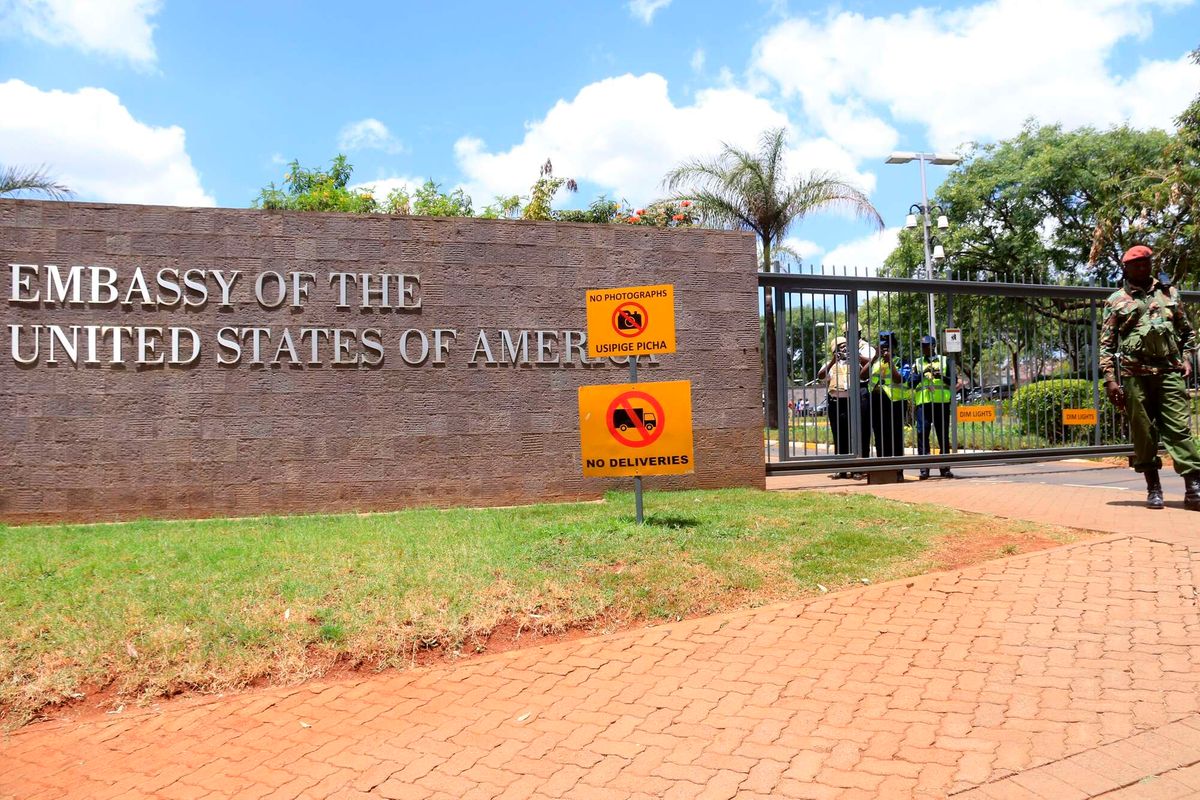
Understanding What US Embassies Are Used For
A United States embassy serves as the primary diplomatic outpost representing the American government in a foreign capital, functioning as the headquarters for bilateral relations, consular services, citizen assistance, and the coordin...
A United States embassy serves as the primary diplomatic outpost representing the American government in a foreign capital, functioning as the headquarters for bilateral relations, consular services, citizen assistance, and the coordination of various federal agencies operating abroad.
Contents
Introduction to United States Diplomatic Missions
When individuals encounter foreign policy in headlines, they often visualize international summits, treaty signings, or high-level negotiations between world leaders. However, the daily execution of foreign policy happens largely within the walls of United States embassies. A U.S. embassy is more than just a grand building flying the American flag; it is a multi-functional operational hub that bridges the gap between the United States and the host nation.
Understanding what U.S. embassies are used for requires looking beyond the prestige of diplomacy. These facilities are secure operational bases designed to protect national security, foster economic partnerships, assist American citizens in distress, and manage complex regulatory and legal processes across international borders. Operating under the umbrella of the U.S. Department of State, an embassy houses not only career diplomats but also representatives from dozens of federal agencies, ranging from law enforcement to agricultural trade regulators.
The Core Diplomatic and Political Functions
At its foundational level, a U.S. embassy exists to maintain official diplomatic relations with the government of the host country. This political mission involves continuous communication, negotiation, and reporting.
Representing the U.S. Government
The Ambassador, appointed by the President and confirmed by the Senate, serves as the personal representative of the President of the United States to the head of state of the host country. The embassy's political section monitors the host nation's domestic and foreign policies, analyzes political stability, and reports findings back to Washington. These insights inform the President, the Secretary of State, and Congress as they formulate foreign policy decisions.
Bilateral Negotiations and Treaty Execution
Embassies serve as the negotiating tables where bilateral agreements are hammered out. Whether the subject is defense cooperation, environmental protection, extradition treaties, or scientific collaboration, embassy staff work directly with host-country ministries. They ensure that international commitments align with U.S. strategic objectives and that treaty obligations are faithfully executed by both parties.
Consular Services: Supporting American Citizens Abroad
While political negotiations occupy high-level diplomats, the most visible function of a U.S. embassy for the average traveler is the provision of consular services. The Consular Section acts as a domestic lifeline for American citizens living, working, or traveling abroad.
Emergency Assistance and Crisis Response
When Americans face emergencies overseas—such as arrest, medical crises, natural disasters, or civil unrest—the embassy steps in. Consular officers visit detained citizens to ensure they receive fair treatment under local laws, coordinate with local hospitals during medical emergencies, and organize evacuation procedures during geopolitical crises or natural disasters.
Routine Citizen Services
Beyond emergencies, embassies handle routine bureaucratic tasks for expatriates and travelers. These services include:
- Issuing and renewing U.S. passports.
- Notarizing legal documents for use in the United States.
- Registering the births of children born abroad to U.S. citizen parents (Consular Report of Birth Abroad).
- Providing voting assistance and distributing federal election ballots.
- Disseminating travel advisories and security warnings for the host country.
Visa Processing and Immigration Control
A major operational component of nearly every U.S. embassy is the processing of travel documents for foreign nationals wishing to visit, study, or immigrate to the United States. This function is strictly regulated by U.S. immigration law and is overseen by the Department of State's Bureau of Consular Affairs, often in coordination with the Department of Homeland Security.
Nonimmigrant Visas
Foreign nationals seeking temporary entry into the U.S. for tourism, business, temporary work, or education must apply for a nonimmigrant visa through an embassy or consulate. Consular officers conduct interviews to verify the applicant's intent, ensure they meet statutory requirements, and confirm that they intend to return to their home country after their authorized stay.
Immigrant Visas and Refugee Processing
For individuals seeking permanent residency in the United States—through family sponsorship, employment petitions, or humanitarian programs—the embassy processes immigrant visas. This includes reviewing complex civil documents, conducting medical examinations through approved panel physicians, and performing rigorous background checks to safeguard national security.
Economic, Commercial, and Agricultural Diplomacy
Economic security is a cornerstone of national security, and U.S. embassies play an active role in fostering trade and investment between the United States and the host nation.
Promoting American Business and Exports
Through the Foreign Commercial Service (part of the International Trade Administration within the Department of Commerce), embassies help American companies export goods and services abroad. They provide market research, vet potential foreign business partners, advocate for U.S. firms bidding on foreign government contracts, and work to eliminate trade barriers or intellectual property violations.
Agricultural Trade and Market Access
Similarly, the Foreign Agricultural Service (FAS) of the U.S. Department of Agriculture operates within embassies to expand export opportunities for U.S. agricultural products. FAS attachés monitor crop conditions, analyze foreign agricultural policies, and work to resolve sanitary and phytosanitary restrictions that might block American farm exports.
| Federal Agency | Primary Function Within a U.S. Embassy |
|---|---|
| Department of State | Overall mission management, political reporting, diplomacy, and consular services. |
| Department of Homeland Security | Immigration enforcement, transport security, and customs coordination (via agencies like USCIS, CBP, and HSI). |
| Department of Commerce | Commercial advocacy, export promotion, and foreign market research. |
| Department of Agriculture | Agricultural trade promotion, commodity analysis, and food safety standards alignment. |
| Department of Defense | Military-to-military cooperation, security assistance, and Defense Attaché Office operations. |
Security, Law Enforcement, and Intelligence Coordination
Modern embassies are fortified diplomatic compounds designed to protect personnel and sensitive information from espionage, terrorism, and civil unrest. Within these secure perimeters, various agencies collaborate on regional and international security.
Counterterrorism and Criminal Investigations
Law enforcement agencies, most notably the Federal Bureau of Investigation (FBI) and Homeland Security Investigations (HSI), station attachés at key embassies. These officials work closely with local law enforcement counterparts to combat transnational crime, human trafficking, narcotics smuggling, and international terrorism that threatens U.S. interests.
Military and Defense Cooperation
The Defense Attaché Office and the Office of Defense Cooperation manage military relations with the host nation. They coordinate joint military exercises, oversee foreign military sales, provide training to allied armed forces, and advise the Ambassador on defense matters.
Embassies Versus Consulates: Understanding the Distinction
While the terms "embassy" and "consulate" are often used interchangeably by the public, they possess distinct administrative and geographical differences within the diplomatic network.
An embassy is always located in the capital city of a foreign country and serves as the primary diplomatic mission. It is headed by the Ambassador and houses the main administrative offices for all federal agencies operating in that country.
A consulate (or consulate-general), on the other hand, is located in major commercial or regional cities outside the capital. While an embassy also performs consular functions for its immediate region, consulates are established to handle high volumes of visa processing, trade promotion, and localized citizen services in densely populated areas far from the capital. For example, while the U.S. Embassy in Mexico is located in Mexico City, the United States also maintains multiple consulates throughout the country in cities like Monterrey, Guadalajara, and Tijuana to manage regional demand.
Frequently Asked Questions
What is the primary difference between a U.S. embassy and a U.S. consulate?
An embassy is the main diplomatic mission located in a country's capital city, headed by an ambassador, and responsible for overall bilateral relations. Consulates are secondary offices located in other major cities that primarily focus on regional consular services, such as issuing visas and assisting American travelers.
Can anyone walk into a U.S. embassy for help?
Access to a U.S. embassy is strictly controlled for security reasons. While American citizens requiring emergency consular assistance or individuals with confirmed visa interview appointments are permitted entry, walk-ins for general inquiries or non-urgent matters are typically not allowed. Visitors must pass through rigorous security screenings.
Do U.S. embassies possess sovereign U.S. territory?
Contrary to a common misconception, U.S. embassies do not sit on sovereign American soil. The land remains the territory of the host nation. However, embassies enjoy diplomatic immunity and inviolability under the Vienna Convention on Diplomatic Relations, meaning local law enforcement cannot enter the premises without the Ambassador's permission.
How do I contact a U.S. embassy in an emergency?
Every U.S. embassy maintains a 24/7 telephone hotline and an emergency email address specifically for American citizens facing urgent crises abroad. These contact details are published on the official website of the specific embassy and through the U.S. Department of State's travel portal.
Are all employees at a U.S. embassy diplomats?
No. While the mission is led by career diplomats and foreign service officers, an embassy employs personnel from dozens of federal agencies. This includes agricultural specialists, law enforcement agents, commercial attachés, intelligence analysts, and locally engaged staff who provide administrative, linguistic, and technical support.
Next Actions and Recommendations
If you are planning international travel or relocating abroad, identify the nearest U.S. embassy or consulate in your destination country before your departure. Register your trip with the Smart Traveler Enrollment Program (STEP) to receive vital safety updates and allow the embassy to contact you in an emergency. Keep digital and physical copies of your passport and emergency contact numbers separate from your primary documents to ensure swift assistance should the need arise.
Image Gallery