Facilitating Kids Pen Pal Programs in Schools: A Comprehensive Guide for 2026
School-based pen pal programs connect students with peers in different geographic or cultural contexts to foster literacy, empathy, and global awareness. To implement a successful program, educators must select a secure platform, align...
School-based pen pal programs connect students with peers in different geographic or cultural contexts to foster literacy, empathy, and global awareness. To implement a successful program, educators must select a secure platform, align exchanges with curriculum goals, and adhere to strict privacy standards. Whether using traditional "snail mail" or modern digital interfaces, these programs provide authentic writing opportunities that improve student engagement and cross-cultural understanding.
Contents
The Educational Value of Pen Pal Exchanges in 2026
In 2026, the integration of pen pal programs in schools serves as a critical bridge between traditional literacy and global citizenship. While digital communication is instantaneous, the deliberate act of composing a letter—whether typed or handwritten—encourages students to organize their thoughts, practice perspective-taking, and refine their grammar and syntax for a real-world audience.
Improving Literacy Through Authentic Audience
When students write for a teacher or a grade, the motivation is often extrinsic. However, writing to a peer provides an authentic audience, which significantly boosts student engagement. Research in educational psychology consistently shows that students put more effort into clarity, spelling, and narrative structure when they know a peer will be reading their work. This "audience effect" helps bridge the gap between rote writing exercises and functional communication.
Developing Global Citizenship and Empathy
Pen pal programs allow students to move beyond stereotypes and textbook descriptions of other cultures. By exchanging personal stories about daily life, school lunches, holidays, and hobbies, students develop a nuanced understanding of "the other." This direct contact is instrumental in building social-emotional learning (SEL) skills, particularly empathy and curiosity. In an increasingly interconnected world, the ability to communicate across cultural boundaries is a core competency for future career readiness.
Historical Context and Modern Evolution
Traditionally, pen pal programs were facilitated through independent organizations that matched individual students. Today, the focus has shifted toward classroom-to-classroom partnerships. This shift ensures that all communication is mediated by educators, providing a layer of safety and allowing the exchange to be integrated directly into the Social Studies or Language Arts curriculum.
Identifying Secure Platforms and Partners
Finding a partner classroom is the first logistical hurdle. It is essential to use verified platforms that vet participating teachers to ensure a safe environment for minors.
Leading Platforms for School Pen Pals
Several organizations specialize in connecting classrooms while maintaining high safety standards. As of 2026, the following platforms are the most reputable:
- ePals (by Cricket Media): One of the oldest and most robust networks, ePals connects millions of students worldwide. It offers a secure environment where teachers can find partners based on age group, language, and subject interest.
- PenPal Schools: This platform provides structured "projects" where students from different countries collaborate on topics like climate change, robotics, or human rights while exchanging messages.
- Global Penfriends: While it offers individual matching, it has a dedicated section for teachers to find partner classes for traditional mail exchanges.
- The Postcrossing Project: Though primarily for postcards, many teachers use this to receive mail from around the world, creating a "passport" experience for their students.
Teacher-Led Networking
Many educators prefer a more organic approach by using professional networks. Platforms like LinkedIn, X (formerly Twitter) via hashtags like #EdChat, and Facebook Educator Groups allow teachers to post "partner wanted" ads. This method requires more due diligence, as the teacher must manually verify the identity and credentials of their potential partner.
Digital vs. Traditional Mail: Choosing the Right Medium
The choice between digital messaging and physical letters depends on the school’s budget, time constraints, and pedagogical goals.
The Case for Snail Mail
Physical letters offer a tactile experience that digital messages cannot replicate. For younger students, practicing handwriting and the mechanics of addressing an envelope are valuable life skills.
- Pros: Excitement of receiving a physical package; opportunity for "artifact" exchanges (stickers, drawings, local snacks).
- Cons: High cost of international postage; long transit times (often 2–4 weeks); risk of mail being lost.
The Case for Digital Exchanges
Digital platforms allow for faster communication and the inclusion of multimedia elements like photos or short video clips.
- Pros: Instantaneous; zero cost; easier for teachers to monitor and archive; allows for real-time collaboration on shared documents.
- Cons: Lacks the "keepsake" quality of a letter; requires 1:1 device access; may feel less personal.
Comparison of Program Formats
| Feature | Snail Mail (Physical) | Digital Platforms | Hybrid Model |
|---|---|---|---|
| Primary Tool | Paper, Envelopes, Stamps | Secure Portals (ePals, etc.) | Email + Seasonal Packages |
| Cost Level | Moderate to High (Postage) | Low (Subscription/Free) | Moderate |
| Delivery Speed | 7–21 Days | Instant | Mixed |
| Student Privacy | High (School address only) | High (Encrypted/Monitored) | High |
| Curricular Focus | Handwriting/Geography | Tech Literacy/Collaboration | Multi-disciplinary |
Safety Protocols and Privacy Requirements
When facilitating pen pal programs, student safety is the paramount concern. Schools must comply with national and regional data privacy laws, such as COPPA (Children's Online Privacy Protection Act) in the United States and GDPR (General Data Protection Regulation) in Europe.
Privacy Best Practices
- Use School Addresses Only: Students should never share their home addresses. All physical mail must be sent to the school office.
- No Last Names: Students should only use their first names or a pseudonym assigned by the teacher.
- Teacher Review: In both digital and physical formats, the teacher should review the content of outgoing and incoming messages to ensure appropriateness and prevent the disclosure of personal identifiable information (PII).
- Parental Consent: Before the program begins, send a detailed permission slip home explaining the platform being used, the location of the partner school, and the safety measures in place.
- Secure Platforms: Only use platforms that offer end-to-end encryption and teacher-moderated dashboards. Avoid using personal social media or unencrypted email for student communication.
Step-by-Step Implementation Guide
Setting up a program requires roughly 4–6 weeks of lead time before the first letter is sent.
Phase 1: Planning and Approval
- Define Goals: Is the goal to practice Spanish? To learn about Japanese geography? Or simply to improve general writing skills?
- Obtain Admin Approval: Present your plan to the school principal or district technology coordinator, focusing on safety and curricular alignment.
- Secure Funding: If doing snail mail, determine if the school will pay for stamps or if you need to apply for a small grant.
Phase 2: Finding and Vetting a Partner
- Register on a platform like ePals.
- Screen potential partners. Look for teachers who have a similar class size and a compatible school calendar (be mindful of Northern vs. Southern Hemisphere break schedules).
- Conduct a video call with the partner teacher to establish expectations, frequency of writing, and "back-up" plans if one class falls behind.
Phase 3: Launching with Students
- The "Hook": Show students a map of where their pen pals live. Discuss what they think life is like there.
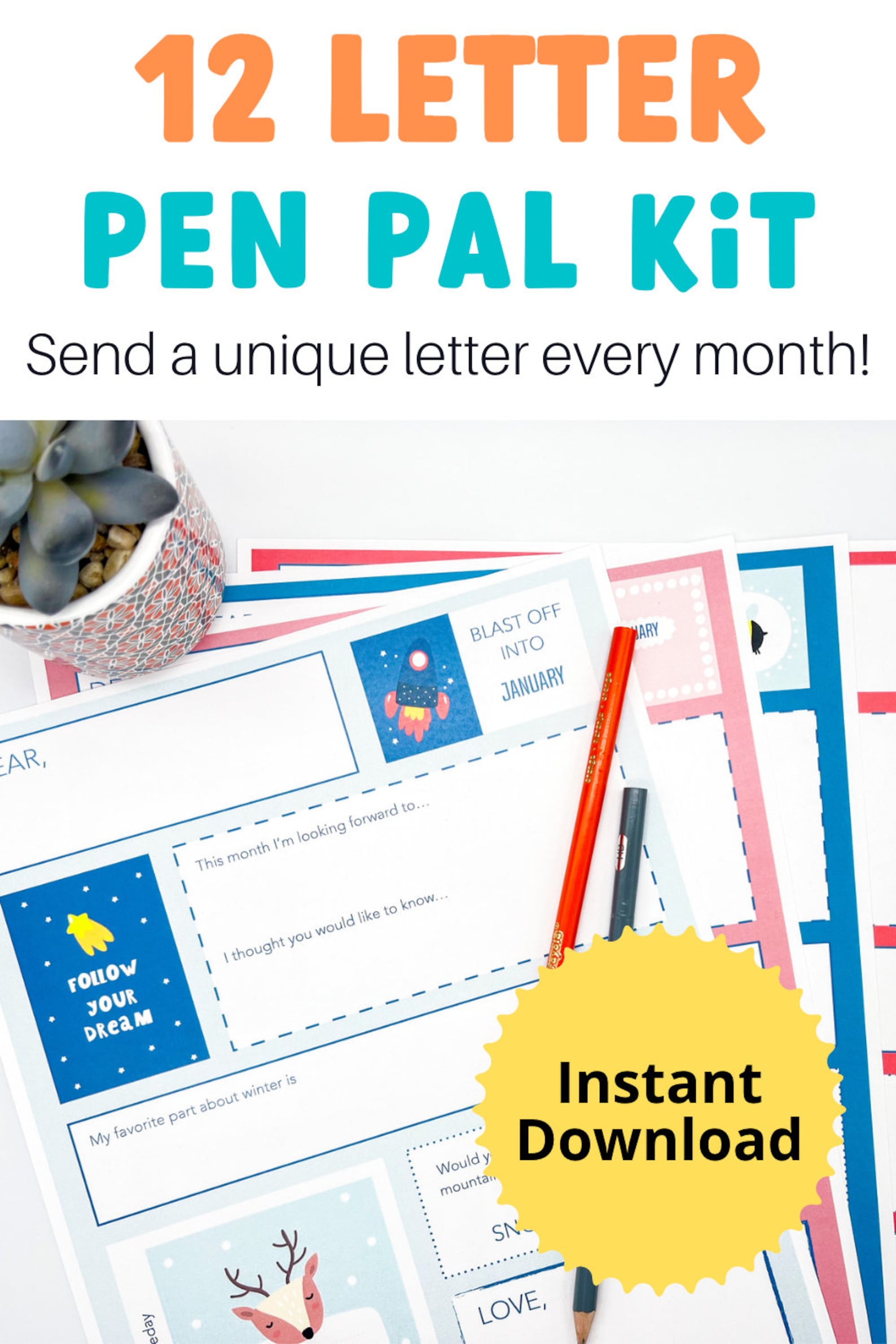
- Drafting: Provide students with templates or "sentence starters" for the first letter. Common topics for the first exchange include: "My typical school day," "My favorite local foods," and "What I want to be when I grow up."
- The Exchange: Collect, review, and send the letters.
Phase 4: Integration and Reflection
- Use the incoming letters as primary source documents for Social Studies lessons.
- Have students reflect on what surprised them about their pen pal’s life.
- Map the journey of the letters if using physical mail.
Curricular Integration and Lesson Planning
A pen pal program should not be an "add-on" but rather a core component of the existing curriculum.
Language Arts
The program serves as a laboratory for writing. Teachers can focus on:
- Letter Formatting: Date, salutation, body, closing, and signature.
- Inquiry Skills: Teaching students how to ask open-ended questions rather than "yes/no" questions to keep the conversation flowing.
- Descriptive Writing: Encouraging students to use sensory details to describe their environment to someone who has never seen it.
Social Studies and Geography
- Map Skills: Tracking the distance between schools and analyzing time zones.
- Comparative Cultures: Creating Venn diagrams to compare and contrast the two communities.
- Current Events: Discussing how global news affects their pen pal’s region differently than their own.
Troubleshooting Common Challenges
Even the best-planned programs encounter hurdles. Preparation is key to maintaining student enthusiasm.
- Delayed Responses: If a partner class is slow to respond, have your students write "bonus" letters to a different class or create a class blog to keep the momentum going.
- Language Barriers: For international exchanges, use translation tools as a learning opportunity. Have students write simple sentences and include drawings to aid comprehension.
- Student Turnover: If a student moves away, the teacher should step in to write a "closing" letter to the pen pal or re-assign the pen pal to a student who joined the class late.
Frequently Asked Questions
What is the ideal age for a school pen pal program?
While kids of all ages benefit, the "sweet spot" is often between ages 8 and 14 (3rd to 8th grade). At this stage, students have enough writing stamina to compose meaningful letters but are still young enough to find the "novelty" of a distant friend highly engaging.
How much does it cost to run a pen pal program?
Digital programs are often free or cost between $50–$100 per year for a premium classroom license. Snail mail programs are more expensive; in 2026, international postage for a class of 30 can cost upwards of $60 per exchange. Many teachers mitigate this by sending one large "class envelope" to the partner school instead of 30 individual stamped letters.
How do I ensure students don't share inappropriate content?
The "Review and Approve" phase is non-negotiable. For physical mail, the teacher reads the letters before they are sealed. For digital platforms, most reputable services include a "Teacher Dashboard" where every message sits in a "Pending" queue until the educator clicks "Approve."
Can homeschoolers participate in school pen pal programs?
Yes. Many platforms like Global Penfriends and Postcrossing allow individual registrations. Homeschool cooperatives can also register as a "class" on ePals to find partner groups.
How often should students write to their pen pals?
Consistency is more important than frequency. A successful cadence is usually once per month. This allows enough time for mail to travel (if physical) and for students to have new things to report without the task feeling like a repetitive chore.
Recommendation for Next Actions
If you are an educator looking to start a program for the upcoming semester, begin by registering on a verified platform such as ePals or PenPal Schools. Draft a one-page proposal for your administration that highlights how the program meets specific state or national standards for literacy and social studies. Once approved, reach out to potential partner teachers at least two months before your intended start date to align your schedules and project goals.
Image Gallery