The Best Lunch Meeting Food Ideas for Productive Teams
Selecting the right catering strategy for professional gatherings requires balancing nutritional value, ease of consumption, and logistical efficiency. High-performing teams benefit from meals that sustain cognitive focus, prevent post...
Selecting the right catering strategy for professional gatherings requires balancing nutritional value, ease of consumption, and logistical efficiency. High-performing teams benefit from meals that sustain cognitive focus, prevent post-lunch fatigue, and minimize physical distractions, allowing the meeting’s agenda to remain the central priority throughout the afternoon.
Contents
The Cognitive Impact of Corporate Catering
The physiological response to food significantly influences meeting outcomes. Meals high in simple carbohydrates and refined sugars often trigger a rapid glucose spike followed by a precipitous crash, leading to the well-documented "afternoon slump." For a productive team, this manifests as reduced concentration, slower decision-making, and irritability.
To maintain optimal focus, prioritize meals that emphasize lean proteins, healthy fats, and fiber-rich vegetables. These macronutrients provide sustained energy release, stabilizing blood glucose levels. When selecting menus for 2026, planners should move away from heavy, "heavy-starch" buffet styles—such as pasta-centric lunches or deep-fried appetizers—and toward "brain food" that supports sustained mental output.
Essential Criteria for Productive Lunch Menus
Before selecting specific dishes, evaluate the logistics of the meeting room. A meal is only productive if it facilitates, rather than hinders, the primary goal of the session.
1. Low-Mess Factor
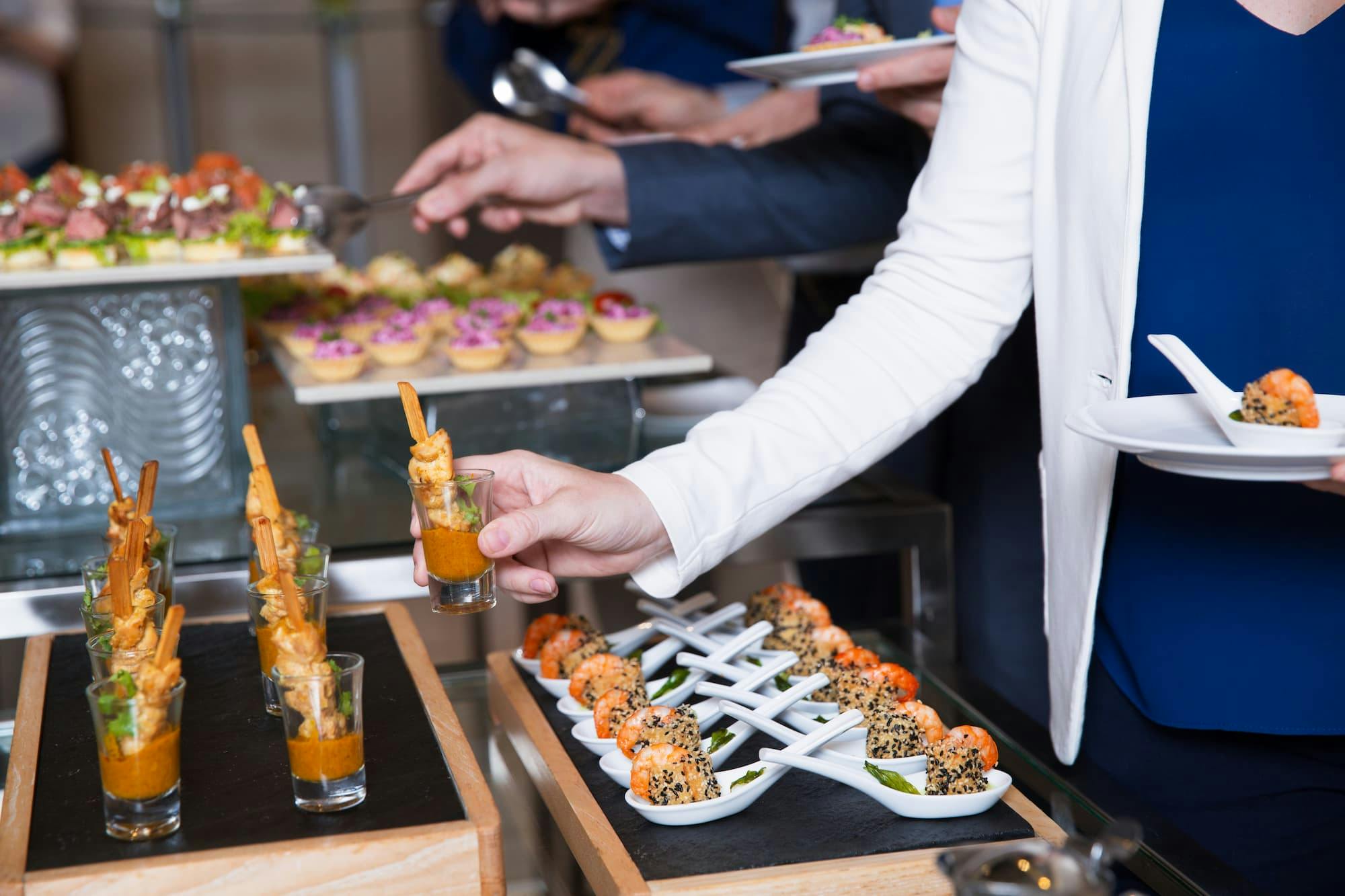
Avoid items that require complex cutlery or are prone to crumbling or staining. Sticky sauces, overly large sandwiches that are difficult to manage, and soups that risk spills should be avoided. The best food is "finger-friendly" or manageable with a single fork, allowing participants to keep one hand free for documentation or gesturing.
2. Dietary Inclusivity
Modern professional standards dictate that the entire team must be able to share the same meal experience. Failing to accommodate allergies (gluten, nut, dairy) or dietary preferences (vegan, vegetarian, Halal) creates unnecessary social friction and logistical delays. A successful host verifies dietary restrictions 48 hours prior to the event.
3. Temperature Stability
Meetings frequently run over schedule. Choose foods that maintain their texture and safety status at room temperature for at least 60 minutes. Cold salads, wraps, and charcuterie-style proteins are more reliable than dishes requiring constant heat, which may become unpalatable or unsafe if the meeting conversation extends unexpectedly.
Categorized Food Concepts for Professional Settings
When planning the menu, consider the following structural approaches based on the meeting’s duration and the level of engagement required.
The "Build-Your-Own" Protein Bar
Interactive stations, such as a salad or grain bowl bar, offer the highest level of customization. By providing grilled chicken, tofu, chickpeas, and a variety of legumes alongside fresh greens and complex grains like quinoa or farro, you allow individuals to control their portion sizes and nutritional intake. This method effectively neutralizes dietary conflicts by design.
The Balanced Bento Concept
Individual bento boxes are the gold standard for high-stakes meetings. Because each attendee receives a pre-portioned, contained meal, there is no communal reaching, no sharing of utensils, and no risk of a "run out" scenario where late-arriving participants find the platters depleted.
The Mediterranean Mezze
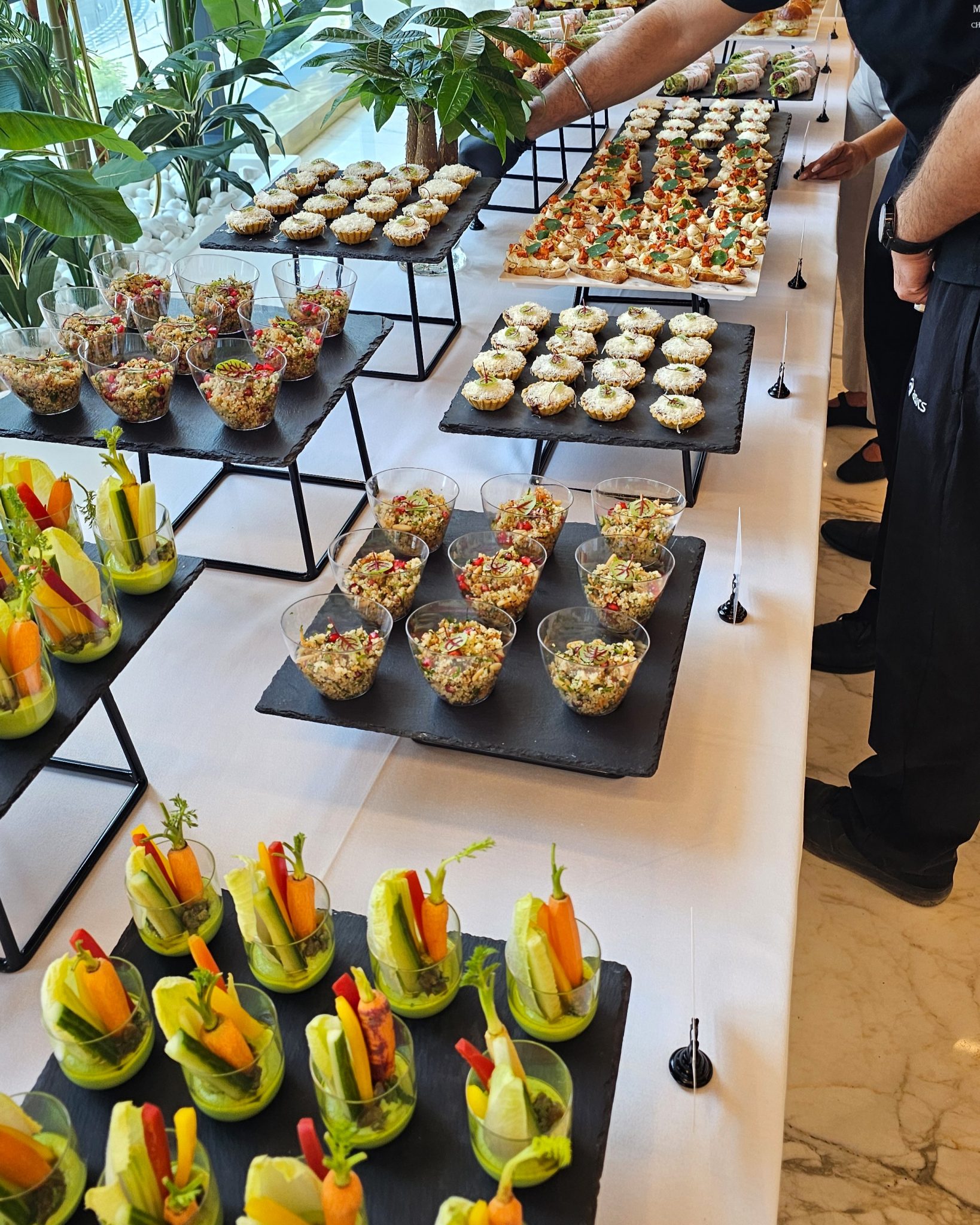
Mediterranean-inspired menus are inherently built around shareable, nutrient-dense components. Hummus, tzatziki, grilled vegetables, falafel, and skewers provide varied textures without the lethargy-inducing heaviness of traditional American catering.
Strategic Comparison of Catering Styles
| Catering Style | Best Use Case | Operational Benefit | Potential Drawback |
|---|---|---|---|
| Individual Bento | Formal strategy sessions | High hygiene and portion control | Higher per-unit cost |
| Buffet Stations | Team building/Networking | Cost-effective for large groups | Risk of cross-contamination |
| Pre-wrapped Wraps | Brief tactical updates | Minimal cleanup required | Often high in refined carbs |
| Mezze Platters | Mid-length workshops | High dietary flexibility | Requires more table space |
Managing Beverage and Dessert Logistics
The most overlooked aspect of productive catering is the drink menu. Dehydration is a leading cause of afternoon cognitive decline. Ensure an ample supply of chilled water is accessible at each seat. Avoid heavy consumption of sugary sodas or excessive caffeine, which may cause jitteriness or subsequent exhaustion.
For desserts, if necessary, opt for bite-sized portions of fresh fruit or dark chocolate. Avoid large, heavy cakes or pastries that signal an end to the "work mode" and encourage a transition toward a relaxed, unproductive state.
Common Catering Mistakes to Avoid
- Late Delivery: Always schedule food arrival 15 minutes before the lunch break begins. If the catering arrives at the same time the meeting is supposed to resume, productivity is immediately compromised by the logistical distraction of setup.
- Excessive Ordering: Over-ordering leads to food waste and often encourages overeating. Aim for 1.2 servings per person rather than doubling the order, which can cause attendees to feel physically weighed down.
- Ignoring Ventilation: If the meeting room is small and the food is particularly aromatic, it may become a distraction. Choose neutral, fresh scents over heavily spiced options for confined spaces.
Frequently Asked Questions
How far in advance should I confirm dietary restrictions?
Aim for a formal confirmation 48 to 72 hours before the meeting. This allows the catering service enough time to source specialized ingredients or modify recipes without compromising the quality of the meal for the rest of the group.
Is it better to order "heavy" or "light" for a multi-hour session?
Always opt for light, nutrient-dense meals. Heavy meals high in fat and simple carbohydrates redirect blood flow to the digestive system, which can cause significant cognitive fatigue during the afternoon portion of a long meeting.
What is the most cost-effective way to cater for large teams?
Buffet-style stations are generally more cost-effective than individual portioning. However, ensure that the station is staffed by at least one professional to maintain speed and hygiene, which prevents the bottlenecks that often occur when employees serve themselves.
Should I provide coffee during lunch?
Generally, no. Coffee is better served during morning breaks or in a dedicated station outside the immediate meeting space. Providing coffee during lunch can encourage members to remain in the room for a "caffeine break" rather than transitioning back to the agenda.
How do I handle leftovers appropriately?
If the meeting is held in a professional facility, ensure your contract specifies the handling of leftovers. It is best practice to have containers ready so participants can take portions home, preventing food waste while adhering to food safety guidelines regarding temperature.
How do I ensure food safety for items left out?
Follow the two-hour rule: perishable foods should not be left at room temperature for more than two hours. If your meeting is scheduled to last longer, ensure the catering team utilizes ice baths for chilled items and chafing dishes for warm ones, or switch to a "drop-and-go" service that provides fresh, room-temperature-safe items.
Final Recommendation
For maximum productivity, transition your catering strategy toward individual, nutrient-dense, and temperature-stable bento-style meals. This approach minimizes logistical distraction, respects dietary diversity, and ensures that the physical requirements of the team are met without inducing the fatigue associated with heavier fare. By standardizing your menu to prioritize stable energy, you provide the biological foundation for more effective team collaboration and sustained focus throughout the afternoon session.
Image Gallery