Comprehensive KTM EXC 350 Specs in Detail: Engine, Chassis, and Performance Breakdown
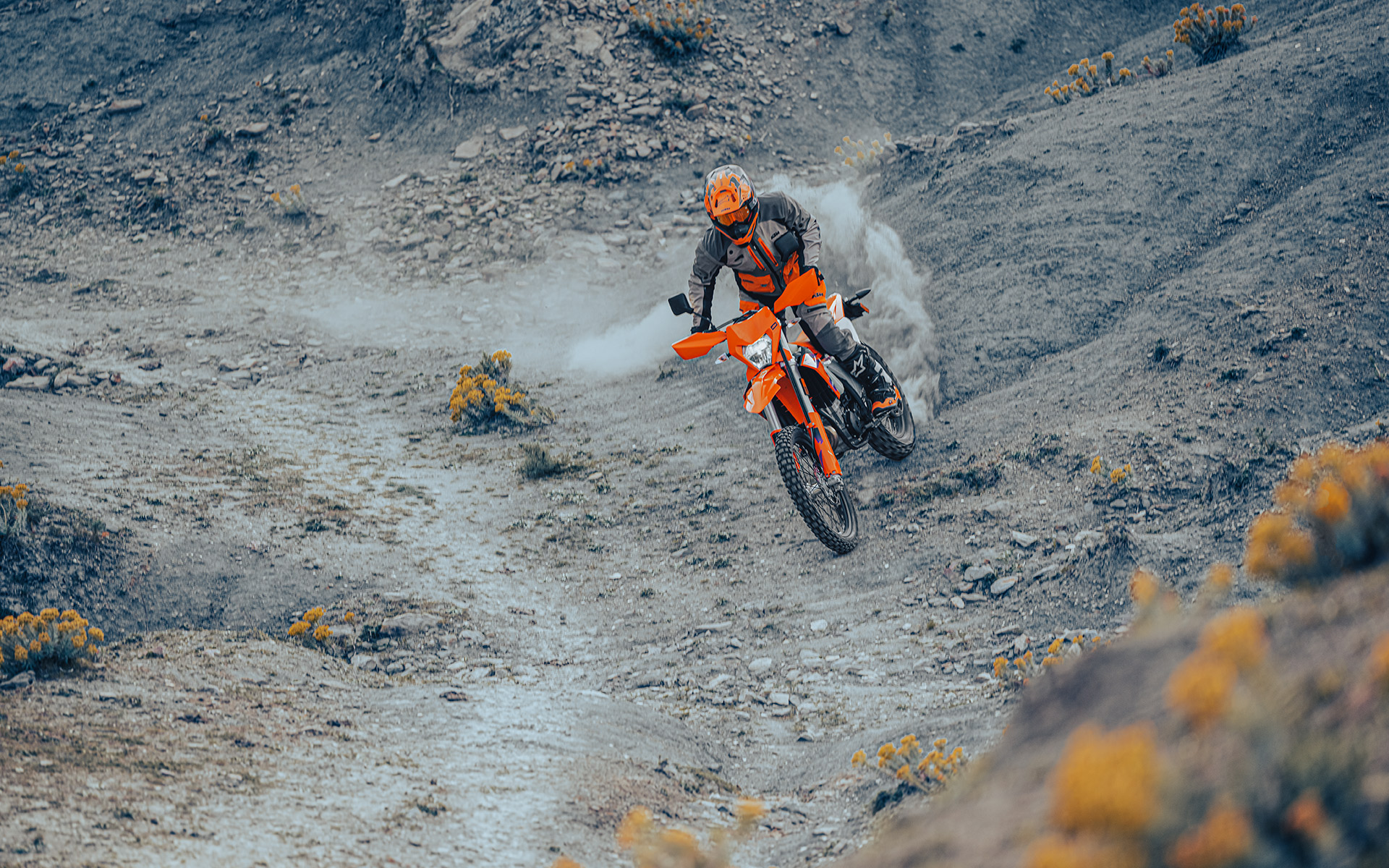
The KTM EXC 350 bridges the gap between the agile handling of a 250cc machine and the brute force of a 450cc open-class dirt bike, featuring a compact, high-revving 350cc DOHC four-stroke engine, a lightweight chromoly steel frame, and...
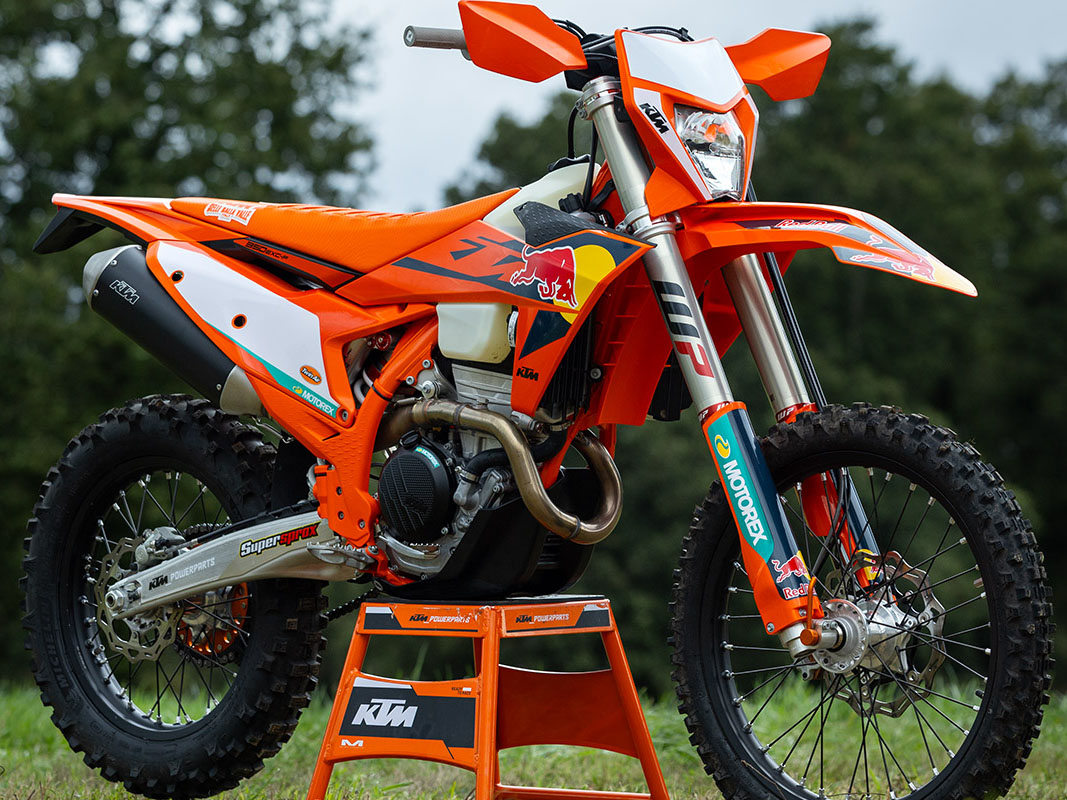
The KTM EXC 350 bridges the gap between the agile handling of a 250cc machine and the brute force of a 450cc open-class dirt bike, featuring a compact, high-revving 350cc DOHC four-stroke engine, a lightweight chromoly steel frame, and high-performance WP XACT suspension designed for extreme enduro riding.
Contents
Introduction to the KTM EXC 350
The KTM EXC 350 has established a unique legacy in the dirt bike community since its inception. By combining the lightweight, nimble handling characteristics of a 250-class motorcycle with a power-to-weight ratio that rivals traditional 450cc open-class bikes, it appeals to both professional enduro racers and weekend trail riders.
Understanding the technical nuances of the KTM EXC 350 requires looking beyond marketing claims and diving straight into the engineering specifications. Whether evaluating engine architectures, chassis geometries, suspension components, or electronic rider aids, every bolt and alloy on this machine serves a calculated purpose. This review explores the technical architecture of the KTM EXC 350 in complete detail, providing the precise data riders need to evaluate its capability, maintenance requirements, and overall performance envelope.
Engine Architecture and Performance
At the heart of the KTM EXC 350 lies a liquid-cooled, single-cylinder, four-stroke engine that utilizes a dual overhead camshaft (DOHC) design. This powerplant is engineered to rev high while maintaining a broad, tractable torque curve. The engine architecture strikes an ideal balance, allowing riders to short-shift like a 450 or wind it out to high RPMs like a 250.
Cylinder Head and Valvetrain
The compact cylinder head houses lightweight titanium valves actuated by ultra-rigid finger followers featuring a hard carbon-coated (DLC) surface. This low-friction valvetrain design allows for high operational speeds—often reaching up to 12,000 RPM—without floating valves. The camshaft layout optimizes gas flow through the combustion chamber, maximizing both low-end tractability and top-end power delivery.
Bore, Stroke, and Displacement
The engine utilizes a bore and stroke configuration of 88 mm by 57.5 mm, yielding a precise displacement of 349.7 cc. This over-square design encourages high-revving characteristics while maintaining enough piston surface area for efficient combustion.
Fuel Injection and Engine Management
Fuel delivery is handled by a Keihin engine management system (EMS) featuring a 42 mm throttle body. The electronic fuel injection (EFI) system ensures crisp throttle response and automatic altitude and temperature compensation. Riders can also integrate optional map switches to toggle between different power maps or engage traction control and a quickshifter function, depending on the specific model year configuration.
Transmission, Clutch, and Final Drive
Power delivery is only as good as the system transferring it to the rear wheel. The KTM EXC 350 relies on a robust multi-disc clutch and a wide-ratio transmission tailored specifically for enduro and trail applications.
Clutch System
KTM utilizes the revolutionary Brembo hydraulic clutch system paired with a DDS (Damped Diaphragm Steel) clutch basket. Instead of traditional coil springs, the DDS clutch employs a single diaphragm spring, which significantly reduces the operating effort at the lever while improving overall durability. An integrated rubber damping system absorbs severe shock loads, protecting the transmission gears and enhancing rear-wheel traction in slippery terrain.
Transmission Gear Ratios
The transmission is a Pankl Racing Systems 6-speed wide-ratio gearbox. The lower gears (first through third) are engineered for tight, technical single-track obstacles, rock gardens, and steep hill climbs. Conversely, the taller fifth and sixth gears act as overdrive ratios, allowing riders to maintain high cruising speeds on liaison sections and hard-packed fire roads without overrevving the engine.
Chassis, Frame, and Ergonomics
A powerful engine requires a stable, communicative chassis to translate power into forward motion. The KTM EXC 350 is built around a lightweight, laser-welded chrome-molybdenum steel frame designed with precisely calculated torsional and longitudinal stiffness.
Frame and Subframe
The hydroformed frame members provide optimized energy absorption during heavy impacts while delivering exceptional straight-line stability and cornering agility. Attached to the main frame is a lightweight, two-piece polyamide-reinforced aluminum subframe. This subframe design balances durability with weight savings while housing electrical components safely away from moisture and debris.
Ergonomics and Bodywork
The bodywork is designed around rider movement, featuring slim contact points that allow the rider to grip the bike securely with their knees. The seat height sits comfortably around 960 mm (depending on sag settings and model iterations), and the handlebar position is adjustable via a rubber-mounted triple clamp to suit various rider heights and preferences.
Suspension Systems: WP Performance
Suspension performance separates a standard trail bike from an elite enduro machine. The KTM EXC 350 is equipped with premium WP (Wohlfarth and Painsipp) suspension components designed to soak up small chatter while absorbing massive G-outs.
Front Suspension: WP XACT Fork
Up front, the bike utilizes a WP XACT closed-cartridge spring fork featuring a 48 mm tube diameter. Unlike older open-cartridge designs, the closed-cartridge system maintains consistent damping performance throughout long, punishing rides by preventing oil cavitation. The fork features tool-less clicker adjustments for compression and rebound damping, allowing riders to tune their front end trailside in seconds.
Rear Suspension: WP XPLOR PDS
In the rear, KTM famously retains its Progressive Damping System (PDS) linkless setup. By eliminating the traditional linkage under the swingarm, the PDS design increases ground clearance, preventing the bike from hanging up on rocks and logs. The WP XPLOR shock absorber features a second damping piston combined with a closed-cup design toward the end of the stroke, supported by a progressive spring to prevent bottoming out on heavy hits.
| Technical Specification | KTM EXC 350 Specification |
|---|---|
| Engine Type | Single-cylinder, 4-stroke |
| Displacement | 349.7 cc |
| Bore x Stroke | 88 mm x 57.5 mm |
| Starter | Electric starter |
| Transmission | 6-speed wide-ratio |
| Fuel System | Keihin EFI, 42 mm throttle body |
| Clutch | Wet, multi-disc DDS-clutch with Brembo hydraulics |
| Frame Design | Central double-cradle 25CrMo4 steel |
| Front Suspension | WP XACT-USD, Ø 48 mm closed cartridge |
| Rear Suspension | WP XPLOR PDS shock absorber |
| Wheelbase | 1,482 mm (± 10 mm) |
| Ground Clearance | 354 mm |
| Seat Height | 960 mm |
| Fuel Tank Capacity | Approx. 8.5 liters / 2.2 gallons |
| Weight (Dry) | Approx. 104.6 kg (230.6 lbs) |
Braking and Wheels
Stopping power on technical descents is just as critical as acceleration. The KTM EXC 350 utilizes braking components sourced from Brembo, paired with high-strength lightweight wheels.
Braking System
High-performance Brembo brake callipers clamp onto wave-style brake discs—typically 260 mm up front and 220 mm in the rear. These discs are designed to shed mud and dissipate heat rapidly during sustained braking. The brake master cylinders feature optimized internal mechanics to provide exceptional lever feel, progressive stopping power, and reduced arm pump.
Wheels and Tires
The machine rolls on CNC-machined hubs paired with high-grade black anodized Giant or D.I.D. alloy rims. These are wrapped in DOT-approved enduro tires (such as Maxxis Enduro or similar OEM specifications), making the bike ready for road-legal registration in jurisdictions that permit dual-sport or street-legal enduro configurations.
Electrical Systems and Maintenance
Modern enduro bikes rely heavily on complex electrical architectures to manage mapping, lighting, and instrumentation.
Electrical Architecture
The bike runs on a robust 12-volt electrical system powered by a compact lithium-ion starter battery, which saves crucial weight compared to traditional lead-acid units. A waterproof wiring harness houses all critical relays and fuses under the seat. LED lighting provides illumination for dark trail sections or evening liaison rides, while a digital dashboard displays speed, mileage, and essential warning indicators.
Maintenance Considerations
Due to its high-performance racing DNA, the KTM EXC 350 requires disciplined maintenance intervals. Engine oil and oil filter changes are recommended every 15 to 30 operating hours depending on riding intensity, while air filters must be cleaned or replaced after every dusty ride. Valve clearances should be inspected every 40 to 50 hours to ensure long-term valvetrain health.
Frequently Asked Questions
Is the KTM EXC 350 street legal out of the factory?
Street legality depends entirely on the country and regional regulations. In many European and international markets, the EXC line comes fully homologated with turn signals, mirrors, and a horn for street use. In the United States, models are typically sold as off-road closed-course or green-sticker vehicles, requiring state-specific conversion kits to obtain a license plate.
How does the EXC 350 compare to the EXC 450?
The EXC 350 revs higher and requires a more active riding style, utilizing clutch and throttle management to extract maximum power. The EXC 450 offers significantly more low-end torque, allowing riders to cruise in taller gears with less physical fatigue, though it carries slightly more gyroscopic engine weight in tight turns.
What is the advantage of the PDS rear suspension over a linkage system?
The PDS (Progressive Damping System) design eliminates the traditional bottom linkage arm, which provides greater ground clearance and prevents the bike from catching on rocks, logs, and deep ruts. It also simplifies rear-end maintenance by reducing the number of bearings that require periodic greasing.
What kind of fuel should I run in a KTM EXC 350?
The high compression ratio of the KTM EXC 350 engine requires high-octane unleaded gasoline. Premium fuel rated at 91 octane (RON 95) or higher is recommended to prevent engine knock, pre-ignition, and potential internal damage during high-load operating conditions.
Can beginners handle riding the KTM EXC 350?
While the bike is exceptionally lightweight and agile, its high-performance DOHC engine is responsive and aggressive when the throttle is opened wide. Novice riders can comfortably manage the bike if they exercise throttle control, though its true potential is best unlocked by intermediate to advanced riders.
Conclusion and Final Recommendation
The KTM EXC 350 stands as a masterclass in dirt bike engineering, successfully fusing the agility of a lightweight quarter-liter machine with the robust capabilities of a larger displacement enduro bike. By analyzing its high-revving DOHC engine, responsive chromoly chassis, and balanced WP suspension, riders can appreciate why this motorcycle dominates enduro racing paddocks worldwide. For riders seeking a versatile, competition-ready machine capable of conquering technical single-track and open fire roads alike, the KTM EXC 350 remains a benchmark choice.
Image Gallery