Understanding the Differences Between GEICO and Allstate Auto Insurance
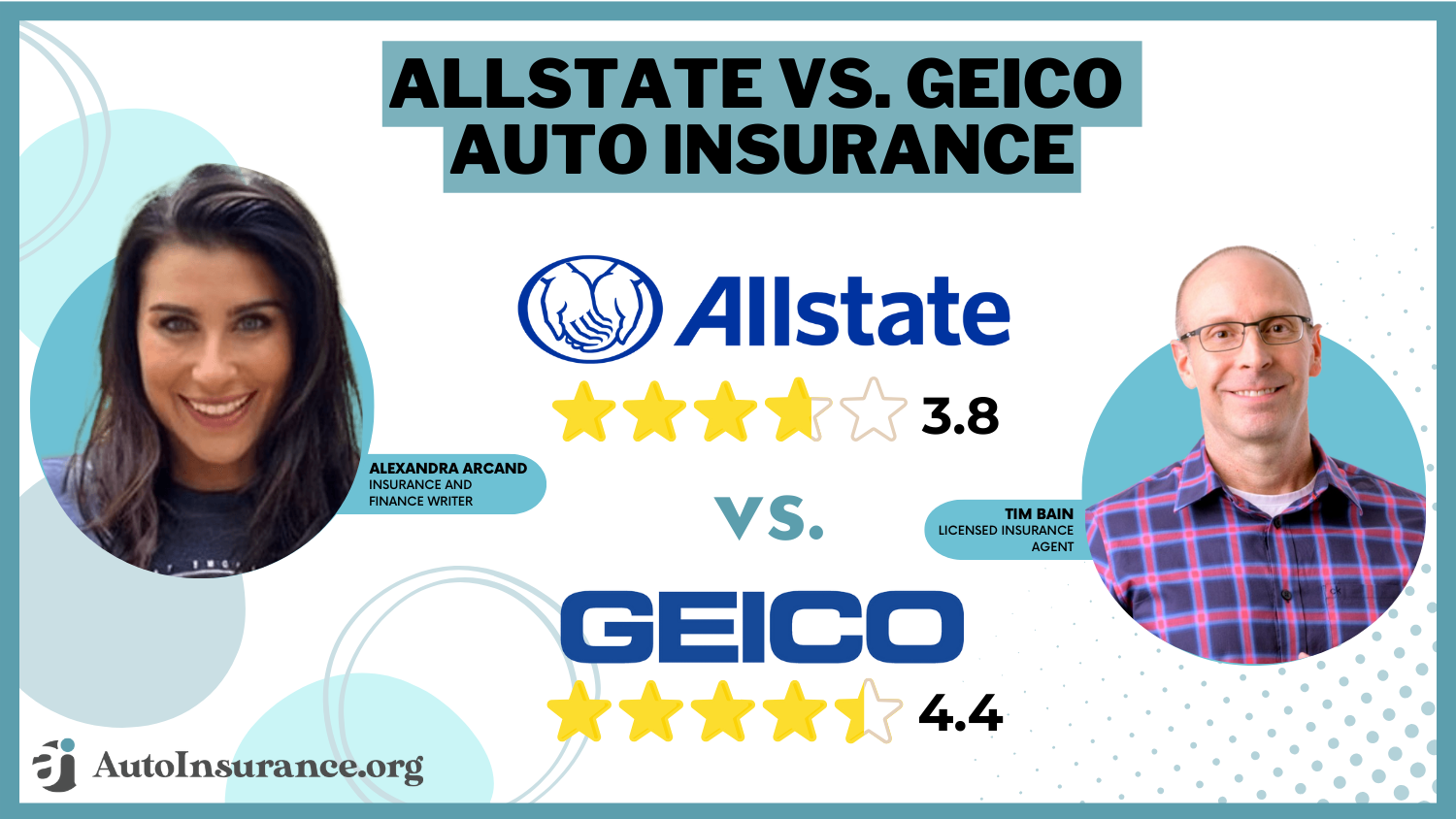
Choosing between GEICO and Allstate depends largely on whether you prioritize the lowest possible premium or a personalized, agent-driven service experience. GEICO typically offers more competitive pricing through its direct-to-consume...
Choosing between GEICO and Allstate depends largely on whether you prioritize the lowest possible premium or a personalized, agent-driven service experience. GEICO typically offers more competitive pricing through its direct-to-consumer digital model, while Allstate provides more comprehensive coverage options and local, in-person support through its extensive network of dedicated agents.
Contents
Selecting an auto insurance provider is one of the most consequential financial decisions for a vehicle owner. In 2026, the insurance landscape remains dominated by several key players, with GEICO and Allstate consistently ranking among the top five providers in the United States. While both companies offer the foundational protections required by law—such as liability, collision, and comprehensive coverage—their business philosophies, pricing algorithms, and customer service models differ significantly.
To make an informed choice, it is necessary to examine how these two giants operate, the specific demographics they target, and the unique policy features that might make one more suitable for your specific driving habits and financial goals.
Business Philosophy: Direct Efficiency vs. Personalized Agency
The most fundamental difference between GEICO and Allstate is how they interact with their policyholders. This structural difference influences everything from the price of your premium to how you resolve a claim after an accident.
GEICO’s Digital-First Direct Model
GEICO (Government Employees Insurance Company), a subsidiary of Berkshire Hathaway, has built its reputation on a direct-to-consumer model. By removing the "middleman"—in this case, independent or captive agents—GEICO significantly reduces its operational overhead. This efficiency is passed on to the consumer in the form of lower rates.
For most GEICO customers, the relationship is entirely digital or telephonic. The GEICO mobile app is frequently cited as one of the best in the industry, allowing users to manage policies, pay bills, and even request roadside assistance without ever speaking to a human being. This model appeals strongly to tech-savvy drivers and those who prefer a "do-it-yourself" approach to insurance management.
Allstate’s Local Agent Presence
Allstate operates under a different philosophy, emphasizing the value of the "Good Hands" experience. Unlike GEICO, Allstate maintains a massive network of local agents who operate in communities across the country. These agents are not just sales representatives; they are intended to act as risk advisors.
When you purchase a policy through Allstate, you typically have a specific person to call if you have questions or need to file a complex claim. This personalized service is designed for customers who want professional guidance on coverage limits, bundling options, and long-term financial protection. While this human-centric model often results in higher premiums to cover commission costs and office overhead, many drivers find the peace of mind worth the additional expense.
Comparing Premiums and Pricing Structures
Pricing is often the primary driver for consumers switching insurance carriers. In 2026, data continues to suggest that GEICO holds a price advantage for the average driver, though Allstate remains competitive for specific "niche" demographics and those who bundle multiple types of insurance.
Why GEICO Often Leads on Price
GEICO’s pricing strategy is aggressive. By utilizing sophisticated data modeling and maintaining low administrative costs, they frequently provide the lowest quotes for drivers with clean records. Their underwriting tends to favor drivers who fall into "standard" or "preferred" risk categories.
Furthermore, GEICO offers a variety of discounts that are easy to qualify for, such as those for federal employees, military members, and students with good grades. Because GEICO does not have to pay agent commissions on every policy renewal, their retention pricing remains very competitive over the long term.
Assessing Allstate’s Premium Positioning
Allstate is generally considered a "premium" carrier. Their baseline quotes are often higher than GEICO’s for the same limits. However, Allstate’s pricing becomes more attractive when you look at their bundling discounts. If you own a home, a boat, and multiple cars, Allstate’s multi-policy discounts can sometimes bring the total cost closer to what a direct carrier would offer.
Allstate also uses "usage-based" pricing models extensively. For low-mileage drivers or those willing to have their driving habits monitored via telematics, Allstate can offer significant reductions that may beat GEICO’s standard rates.
Coverage Options and Policy Add-ons
While both companies cover the basics, the "extras" are where they truly diverge. These add-ons can be the difference between a minor inconvenience and a financial disaster following a total loss.
GEICO’s Specialized Mechanical Breakdown Insurance
One of GEICO’s standout features is Mechanical Breakdown Insurance (MBI). This coverage is essentially an extended warranty provided by the insurance company rather than a dealership. It covers repairs to all mechanical parts of the car, often with a lower deductible than traditional third-party warranties. It is available for new or nearly new vehicles (usually less than 15 months old and with fewer than 15,000 miles) and can be a significant value-add for drivers who plan to keep their cars for many years.
Allstate’s Robust Value-Added Features
Allstate tends to offer a wider variety of "bells and whistles" that protect the value of the vehicle and the driver’s record. Key features often include:
- New Car Replacement: If your new car is totaled within the first two model years, Allstate will pay to replace it with a new car of the same make and model, rather than just paying the depreciated actual cash value.
- Accident Forgiveness: Allstate is well-known for its options that prevent your rates from rising after your first at-fault accident.
- Deductible Rewards: For every year you drive without an accident, Allstate may reduce your collision deductible, potentially bringing it down to zero.
Telematics and Modern Discount Programs
In 2026, both GEICO and Allstate rely heavily on telematics—using mobile app sensors to track braking, speed, and phone usage—to determine individual risk.
| Feature | GEICO (DriveEasy) | Allstate (Drivewise) |
|---|---|---|
| Primary Goal | Monitor driving habits for potential discounts or surcharges. | Reward safe driving with cash back or policy credits. |
| Data Tracked | Braking, cornering, phone distraction, time of day. | Speed, braking, and time of day. |
| Impact on Rate | High-risk behavior can lead to rate increases in some states. | Primarily focused on discounts; less likely to increase base rate. |
| Low-Mileage Option | Standard policies only. | Milewise (Pay-per-mile insurance). |
Allstate’s Milewise program is a significant differentiator. It is a true pay-per-mile insurance plan designed for people who work from home or use public transit, charging a low daily base rate plus a few cents per mile. GEICO does not currently offer a dedicated pay-per-mile product that is as integrated as Milewise.
Customer Satisfaction and Claims Handling
A policy is only as good as the claims process. According to J.D. Power’s 2025 and 2026 U.S. Auto Insurance Studies, both companies generally perform well, but they excel in different areas.
GEICO’s claims process is built for speed. Through their app, you can upload photos of damage, get an estimate via AI-assisted photo review, and schedule repairs at a GEICO-managed "Auto Repair Xpress" facility. This streamlined process is highly rated by customers who want the claim settled as quickly as possible with minimal phone calls.
Allstate’s claims process is more consultative. While they also have a robust app (Allstate Mobile), the presence of a local agent provides an extra layer of advocacy. If there is a dispute over the value of a total loss or the quality of a repair, having a local agent who knows your history can be a significant advantage in navigating the bureaucracy of a large insurance corporation.
Frequently Asked Questions
Which is cheaper: GEICO or Allstate?
In most scenarios, GEICO is cheaper for the average driver. GEICO’s business model is designed to minimize expenses, which typically results in lower premiums. However, drivers who bundle home and auto insurance or those who drive very few miles may find Allstate's Milewise or bundling discounts more cost-effective.
Does Allstate have better coverage than GEICO?
"Better" is subjective, but Allstate offers more "luxury" coverage options, such as New Car Replacement and Deductible Rewards. GEICO focuses on the essentials and Mechanical Breakdown Insurance. If you want a policy that protects against every possible financial "sting," Allstate generally has more tools to do so.
Can my rates go up with GEICO's DriveEasy or Allstate's Drivewise?
With GEICO’s DriveEasy, your rates can potentially increase in certain states if the data shows you are a high-risk driver (e.g., frequent hard braking or phone use while driving). Allstate’s Drivewise is primarily marketed as a discount program where safe driving earns you rewards, making it a "safer" bet for those worried about rate hikes.
Which company is better for young drivers?
GEICO is often the preferred choice for young drivers and students due to their lower base rates and specific "Good Student" and "Emergency Deployment" discounts. Allstate can be expensive for teens unless they are bundled onto a parent’s policy that includes a long-standing multi-policy discount.
Do I need an agent to buy Allstate?
While you can start a quote online, Allstate’s model is built around agents. Even if you buy online, you will likely be assigned to a local agent who will manage your account. GEICO allows you to manage your entire insurance life without ever having a dedicated agent.
Making the Final Decision
When deciding between GEICO and Allstate, the choice usually comes down to your personal "service-to-price" ratio.
Choose GEICO if:
- You are looking for the lowest monthly premium.
- You are comfortable managing your policy and claims entirely through a mobile app.
- You want Mechanical Breakdown Insurance for a newer vehicle.
- You have a clean driving record and a relatively simple insurance need.
Choose Allstate if:
- You value a personal relationship with a local agent who can provide expert advice.
- You want to bundle multiple types of insurance (home, life, auto, power sports).
- You drive significantly less than the national average and can benefit from Milewise.
- You want extra protections like Accident Forgiveness and New Car Replacement.
To ensure you are getting the best deal in 2026, it is recommended to get quotes from both carriers using the same coverage limits. For more information on state-specific insurance requirements and consumer rights, you can visit the National Association of Insurance Commissioners (NAIC).
Disclaimer: Insurance rates and policy availability vary by state and individual underwriting factors. This article is for informational purposes only and does not constitute financial or legal advice.
Image Gallery