Is Mutual Direct Life Insurance Right for Me? A 2026 Comprehensive Guide
Determining if mutual direct life insurance is right for you depends on your preference for simplified application processes and the financial structure of a policyholder-owned company. It is best suited for individuals seeking quick c...
Determining if mutual direct life insurance is right for you depends on your preference for simplified application processes and the financial structure of a policyholder-owned company. It is best suited for individuals seeking quick coverage, final expense protection, or the potential for policy dividends without the traditional medical exam requirement.
Contents
As we navigate the insurance landscape of 2026, the "direct-to-consumer" model has become a standard for efficiency. When combined with the "mutual" company structure—where the company is owned by its policyholders rather than outside shareholders—the result is a unique insurance product that prioritizes long-term stability and ease of access. However, this convenience often comes with specific trade-offs in coverage limits and premium costs that require careful analysis.
Understanding the "Mutual Direct" Model
To decide if this insurance is right for you, it is essential to break down the two components of the name: the corporate structure and the distribution method.
The Mutual Advantage
A mutual insurance company, such as Mutual of Omaha or similar entities, operates for the benefit of its members. Unlike stock insurance companies that must satisfy the quarterly earnings expectations of Wall Street investors, a mutual company focuses on maintaining a strong surplus to pay future claims. In many cases, particularly with whole life products, policyholders may be eligible to receive dividends. While dividends are never guaranteed, they represent a return of a portion of the premium if the company performs better than expected. In 2026, this stability is highly valued by those looking for a "safe harbor" for their legacy planning.
The Direct Distribution Method
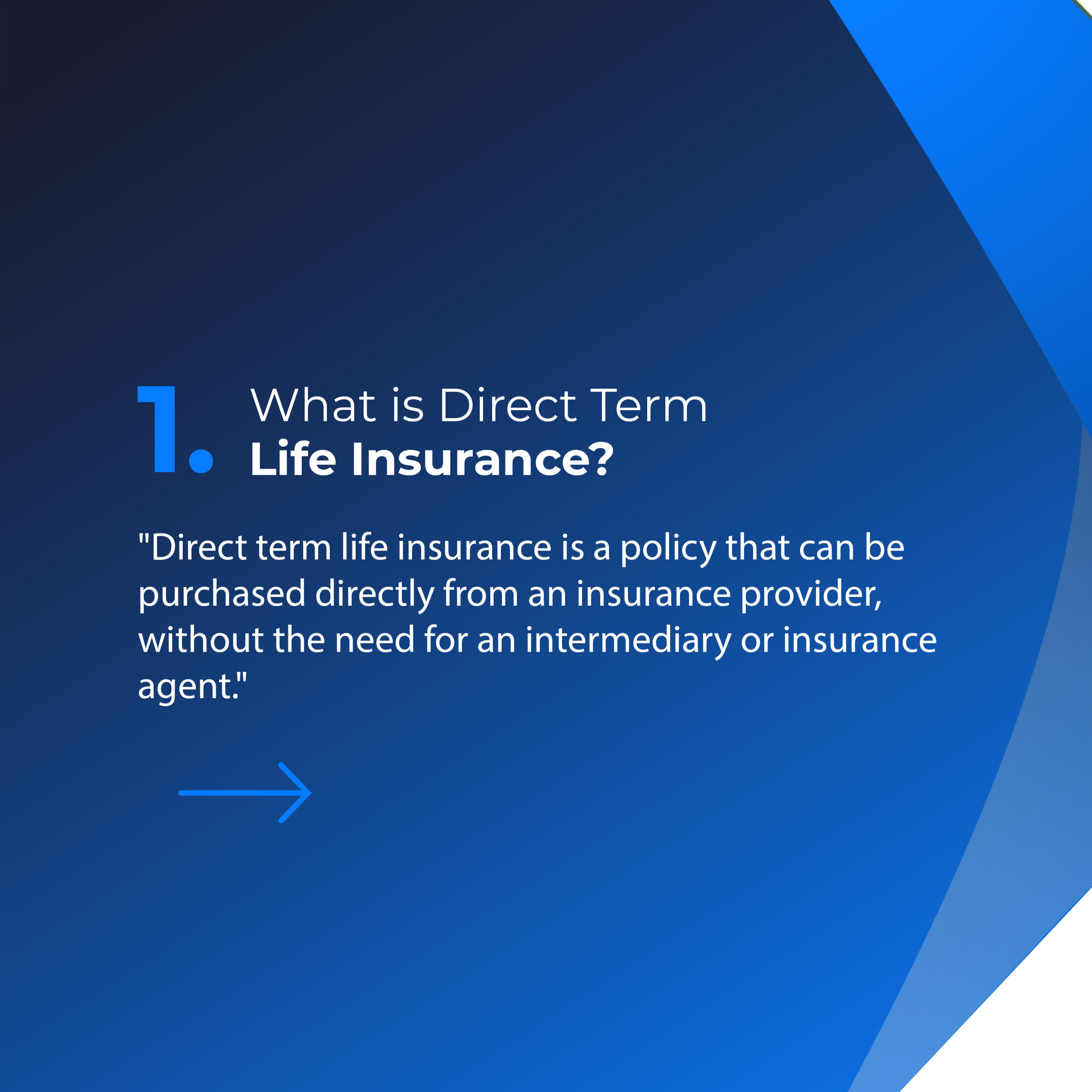
"Direct" refers to the absence of a middleman or independent agent in the transaction. You apply directly through the company’s digital portal or via a dedicated phone representative. This model utilizes Simplified Issue underwriting. Instead of a 4-6 week process involving blood draws and physical exams, the company uses real-time data—including prescription drug histories, Motor Vehicle Records (MVR), and Medical Information Bureau (MIB) reports—to make an approval decision often within minutes or hours.
Evaluating the Primary Product Offerings
Mutual direct providers typically offer a curated selection of products designed for specific life stages. Understanding these is the first step in determining suitability.
1. Direct Whole Life (Final Expense)
This is perhaps the most popular direct product. It is designed to cover end-of-life expenses, such as funeral costs, medical bills, or small debts.
- Coverage Amounts: Usually range from $2,000 to $50,000.
- Target Audience: Seniors aged 45 to 85.
- Key Feature: The premium remains level for life, and the death benefit is guaranteed as long as premiums are paid.
2. Term Life Express
For those who need higher coverage amounts but don't want the hassle of a medical exam, simplified term life is the alternative.
- Coverage Amounts: Typically $25,000 to $500,000.
- Duration: 10, 15, 20, or 30-year terms.
- Key Feature: Rapid approval. This is often "right for you" if you are a busy professional or need a policy quickly to secure a mortgage or business loan.
3. Guaranteed Acceptance Whole Life
If you have significant health issues that would cause you to be declined for traditional insurance, this direct product is a safety net.
- No Health Questions: You cannot be turned down based on your health.
- Graded Death Benefit: Most 2026 policies maintain a two-year "graded" period. If you die of natural causes within the first two years, your beneficiaries receive the premiums paid plus interest (usually 10%), rather than the full face amount.
Comparing Mutual Direct vs. Traditional Life Insurance
The following table outlines the material differences you should consider before applying in 2026.
| Feature | Mutual Direct (Simplified) | Traditional (Fully Underwritten) |
|---|---|---|
| Application Speed | Minutes to 48 Hours | 3 to 8 Weeks |
| Medical Exam | Not Required | Required (Blood/Urine/Vitals) |
| Max Coverage | Often capped at $500k | Multi-million dollar limits |
| Cost | Higher per $1,000 of coverage | Lowest available rates for healthy applicants |
| Convenience | High (Online/Phone) | Moderate (Agent-led) |
| Ownership Structure | Policyholder-owned (Mutual) | Shareholder or Mutual |
Is It Right for You? Key Decision Factors
To determine your fit, assess your profile against the following criteria used by financial planners and insurance specialists.
When Mutual Direct is the "Right" Choice:
- You Value Time Over Cost: If you need a policy in force tomorrow to satisfy a legal requirement or simply want to check "life insurance" off your to-do list without scheduling a nurse visit, the direct model is superior.
- You Have Mild to Moderate Health Issues: If you have managed high blood pressure or type 2 diabetes, a simplified issue mutual policy might approve you at a standard rate more easily than a traditional carrier that scrutinizes every medical record.
- You Want Final Expense Coverage: For those seeking $10,000–$25,000 to ensure their family isn't burdened by burial costs, the direct mutual whole life policy is the industry gold standard.
- You Prefer the Mutual Philosophy: If you believe a company should be accountable to its customers rather than the stock market, the mutual structure provides peace of mind regarding the company’s long-term solvency.
When Mutual Direct is the "Wrong" Choice:
- You Are in Elite Health: If you are a non-smoker with a perfect health history, you are essentially "overpaying" for the convenience of a direct policy. Fully underwritten policies offer significantly lower premiums for the healthiest individuals.
- You Need High Death Benefits: If you are looking for $1 million or more to replace your income for a young family, direct-to-consumer limits will likely be insufficient.
- You Require Complex Riders: Direct policies are streamlined. If you need complex "living benefits," customized long-term care riders, or estate planning wrappers, you will likely need a customized policy through a dedicated agent.
The Cost of Convenience: A 2026 Reality Check
In 2026, the gap between "direct" and "underwritten" pricing has narrowed due to advanced AI-driven data analysis, but it has not disappeared. When you opt for a "no-exam" direct policy, the insurance company assumes a higher degree of risk because they haven't seen your actual lab results. To compensate for this "blind spot," they charge a slightly higher premium.
For example, a 40-year-old male might pay $45 per month for a $250,000 direct term policy, whereas a fully underwritten policy might only cost $32 per month for the same individual. Over a 20-year term, that is a difference of $3,120. You must decide if the convenience of skipping the exam is worth that price.
Prerequisite Checklist Before You Apply
If you decide to move forward with a mutual direct application, have the following information ready to ensure the "real-time" approval process goes smoothly:
- Social Security Number: Used to pull your MIB and prescription reports.
- Driver’s License Number: Used to verify your identity and check for high-risk driving history.
- Prescription History: Be prepared to list any medications you’ve taken in the last 3-5 years.
- Beneficiary Details: You will need full names, dates of birth, and SSNs (optional but recommended) for your beneficiaries.
- Bank Information: Direct policies typically require Electronic Funds Transfer (EFT) for premium payments.
Frequently Asked Questions
Can I cancel a mutual direct policy if I change my mind?
Yes. Most states mandate a "Free Look Period," which in 2026 typically lasts between 10 and 30 days. During this time, you can cancel the policy for any reason and receive a full refund of any premiums paid. This allows you to review the physical or digital policy contract to ensure it meets your expectations.
Are the dividends from a mutual company guaranteed?
No. Dividends are a return of premium based on the company's financial performance. While many major mutual insurers have paid dividends every year for over a century, they are not legally guaranteed. They are most common in "Participating Whole Life" policies and are rarely found in term insurance.
Does "Direct" mean there is no customer support?
Not at all. While you aren't working with a local independent agent, mutual direct companies maintain large centers of licensed internal agents. In 2026, these companies also offer robust mobile apps and AI chat assistants to handle policy changes, beneficiary updates, and claims processing.
What happens if I lie on the health questions to get a lower rate?
This is a significant risk. Every life insurance policy has a two-year Contestability Period. If you pass away within the first two years and the insurance company discovers you misrepresented your health history (e.g., you said you were a non-smoker but were actually a regular smoker), they can deny the claim and refund only the premiums to your beneficiaries.
Is the death benefit taxable?
In almost all cases, the death benefit from a mutual direct life insurance policy is paid to your beneficiaries income-tax-free. However, if the death benefit is large enough to trigger federal or state estate taxes, there may be implications. For the coverage limits typically found in direct policies (under $500,000), this is rarely an issue for most Americans.
Practical Next Action
To determine if mutual direct life insurance is right for you, start by requesting a no-obligation quote. Compare the monthly premium against a traditional underwritten quote. If the price difference is less than 15% and you value your time, the direct route is likely your best option. Ensure you choose a carrier with an A.M. Best rating of 'A' (Excellent) or better to guarantee the financial strength behind the promise.
Image Gallery