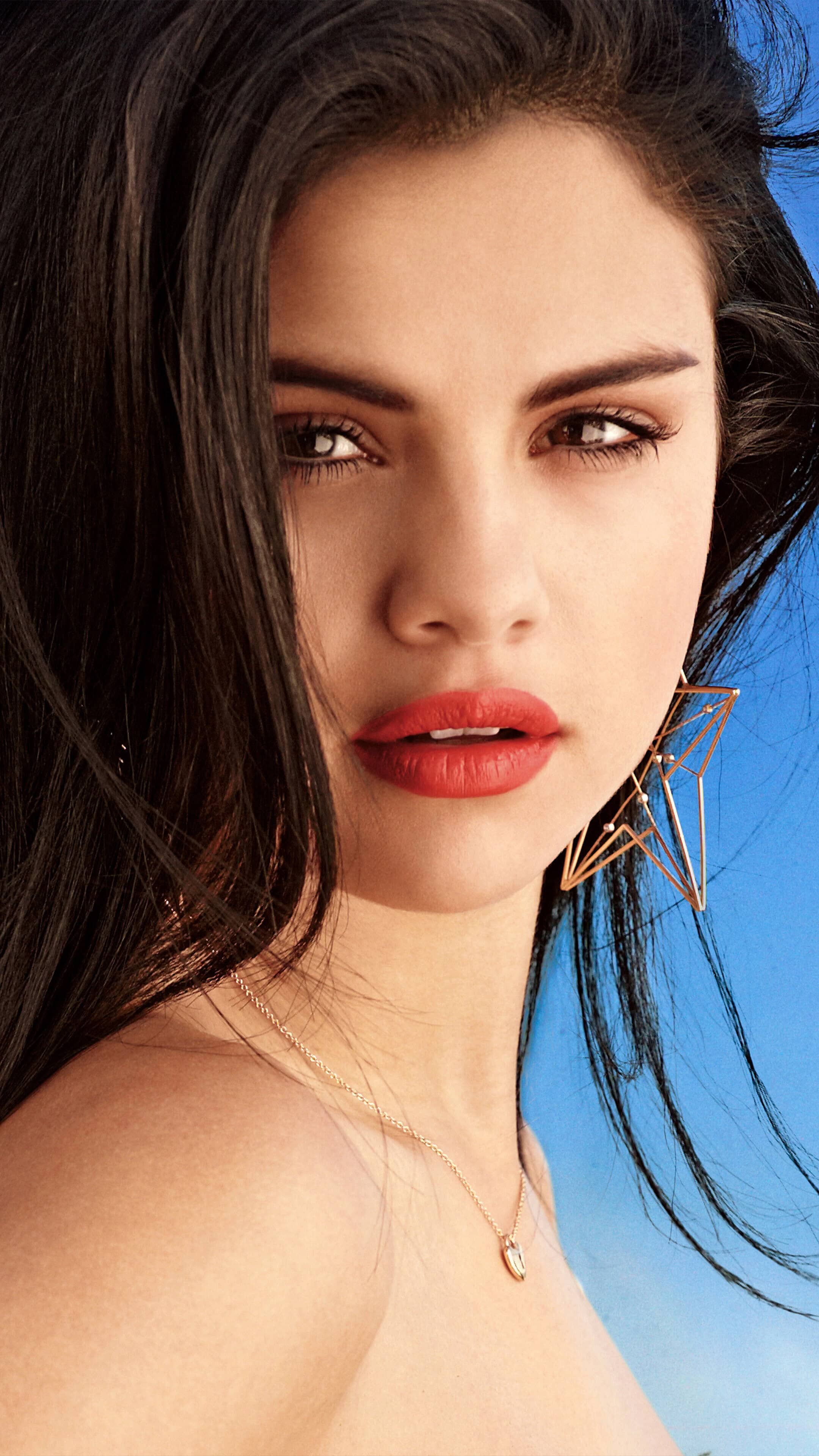
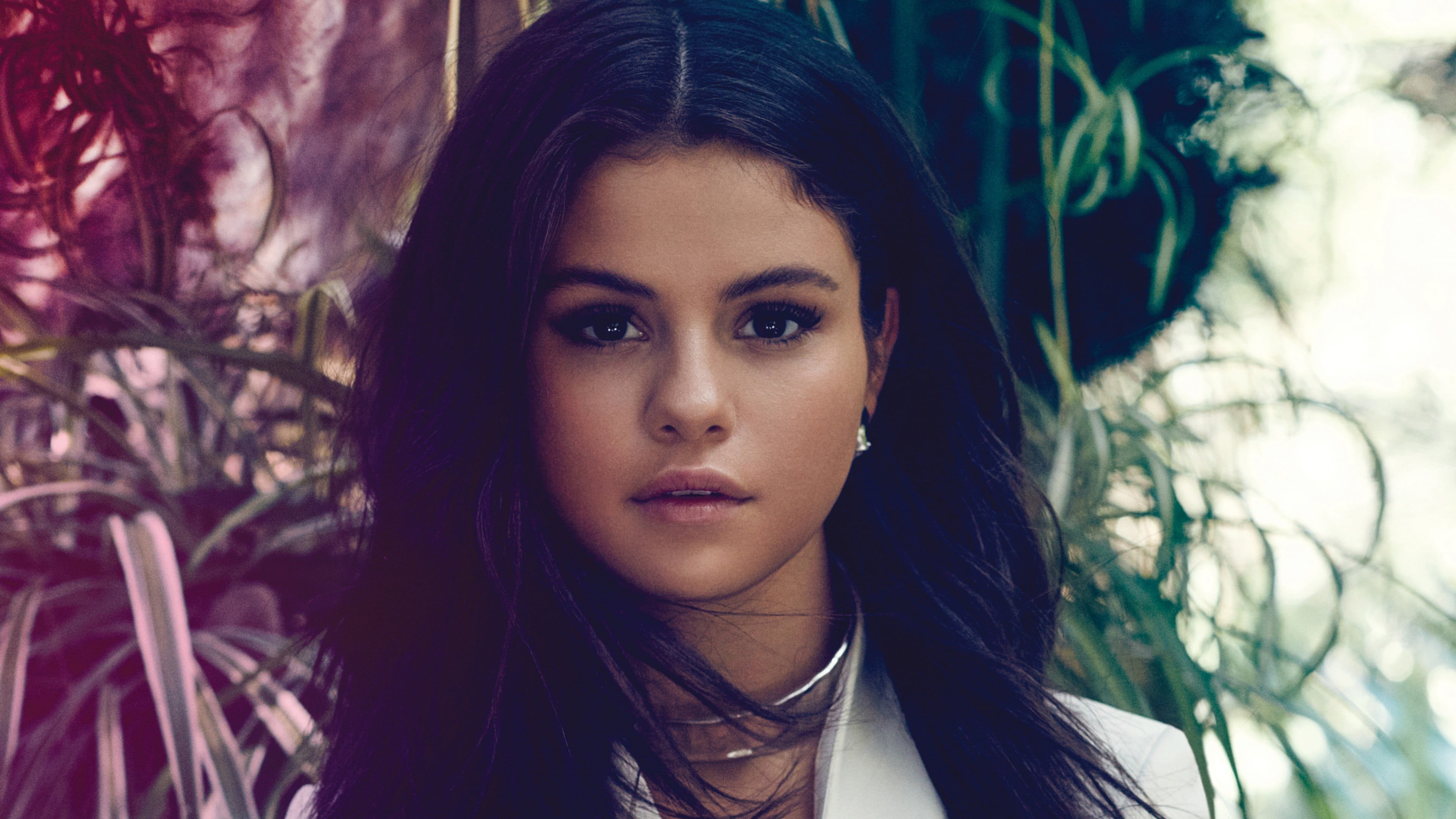
Selena Gomez Close Up: Analysis of Editorial Portraiture, Rare Beauty Aesthetics, and High-Definition Camera Techniques
Selena Gomez’s close-up photography represents one of the most recognizable and influential visual standards in contemporary beauty, editorial media, and digital campaign design. From high-fashion magazine covers to campaign portraits...
Selena Gomez’s close-up photography represents one of the most recognizable and influential visual standards in contemporary beauty, editorial media, and digital campaign design. From high-fashion magazine covers to campaign portraits for Rare Beauty, close-up imagery of Selena Gomez highlights expert lighting setups, specialized makeup artistry, and a deliberate cultural shift toward celebrating natural skin texture in high-definition formats.
Contents
The Evolution of Selena Gomez’s Close-Up Photography Across Media
Close-up portraiture demands an exacting balance of camera technique, subject presence, and lighting precision. Over the course of her career, Selena Gomez’s close-up images have evolved from standard red-carpet photo call portraits to highly curated editorial and promotional studies in light, color, and texture.
- Close-Up Media Eras
- Editorial Covers
- Rare Beauty Campaigns
- High-Definition Cinematography
Editorial Magazine Cover Shoots
In high-fashion editorial publications such as Vogue, Vanity Fair, Elle, and Harper's Bazaar, close-up portrait photography serves to capture expression, structure, and mood without relying on wide-angle staging or detailed wardrobe backgrounds.
Celebrity portrait photographers working with Gomez frequently employ tight headshots—cropped near the collarbone or forehead—to emphasize facial symmetry, eye engagement, and skin luminosity. These editorial close-ups prioritize high dynamic range (HDR) capture, balancing deep shadow contrast with soft specular highlights along the cheekbones and nose bridge.
Rare Beauty Campaign Imagery
With the launch and expansion of Rare Beauty, Gomez’s close-up imagery took on a distinct commercial identity focused on authenticity and skin texture transparency. Unlike traditional cosmetics advertising, which heavily blurred pores and micro-textures through heavy digital smoothing, Rare Beauty close-ups highlight real skin conditions, subtle fine lines, and natural pigment variation.
These macro close-ups are designed to showcase product performance—such as the blendability of liquid blushes, the hydration of tint foundations, and the feathering resistance of lip liners—under sharp focal lenses.
High-Definition Television Framing in Only Murders in the Building
In television and film production, particularly in Only Murders in the Building, close-up framing serves a narrative purpose. Cinematographers utilize tight lens focal lengths to capture intimate emotional reactions, subtle comedic beats, and character dialogue.
The lighting setups for television close-ups differ significantly from still portraiture: key lights are softened using large diffusion panels, while ambient fill lights maintain shadow detail in 4K resolution, allowing viewers to see fine makeup application and realistic complexion details under constant camera motion.
Technical Portrait Breakdown: Lenses, Lighting, and Framing
Achieving an impactful close-up portrait of a celebrity subject requires precise optics, camera distance, and light modifier selection. Understanding the technical mechanics behind Selena Gomez’s visual media helps demystify how these images are captured and rendered.
Lens Selection and Focal Lengths
Portrait photography relies on specific focal lengths to prevent facial distortion. Standard wide-angle lenses (such as 24mm or 35mm) distort facial proportions when placed close to a subject, enlarging central features like the nose while compressing the ears.
- 85mm Prime Lenses: Widely regarded as the classic portrait length, an 85mm lens provides subtle compression, flattering background blur (bokeh), and natural feature proportions from a distance of 4 to 6 feet.
- 105mm and 135mm Macro Lenses: For extreme close-ups focusing tightly on lip color, eye shadow, or skin finish, photographers utilize 105mm or 135mm telephoto lenses. These focal lengths flatten perspective slightly, yielding sharp eye focus while letting hair and background fall smoothly out of focus.
- Aperture Settings: Most professional close-up portraits of Gomez are shot between f/2.8 and f/5.6. While f/1.4 or f/1.8 creates extreme background blur, a slightly narrower aperture ensures that both eyes, the tip of the nose, and the lips remain within the depth of field.
Lighting Configurations for Close-Up Studio Portraiture
The lighting setup directly determines how facial contours, skin moisture, and eye catchlights appear on digital camera sensors.
- Key Light Placement: Photographers frequently use a large modifier—such as a 47-inch octabox or a beauty dish fitted with a grid—positioned 30 to 45 degrees relative to the camera axis. This creates smooth tonal transitions across the cheeks (Chiaroscuro effect) while maintaining detail in skin pores.
- Fill Light and Reflectors: To keep shadows soft and avoid harsh tonal drops, a white studio reflector or passive bounce card is placed below the subject’s chin. This bounce light fills in under-eye shadows and illuminates the jawline.
- Catchlights in the Eyes: The shape and size of catchlights (reflections of the light source in the iris) are critical in close-up beauty photography. Circular beauty dishes or ring lights create distinct round catchlights that add vibrancy to eye portraits.
Makeup Artistry for Close-Up High-Definition Lenses
Close-up photography reveals minute details that remain invisible in medium or full-length shots. Professional makeup artists collaborating with Selena Gomez—such as long-time artist Hung Vanngo—utilize specific application methodologies designed explicitly for high-resolution 4K and 8K camera sensors.
- Skin Prep: Hydrating primers, facial oils, micro-exfoliation
- Complexion: Lightweight liquid foundation applied in thin layers
- Sculpting: Cream contouring blended with dense micro-brushes
- Color & Lip: Matte-to-satin lip lining and targeted blush placement
- Precision Powder: Selective translucent dusting only on T-zone
Complexion Preparation and Layering
Under high-magnification lenses, heavy powder foundations appear cakey and accentuate dry patches. As a result, HD close-up makeup relies on skin-first hydration:
- Hydrating Primers: Skin is prepared with lightweight serums and water-based moisturizers to create a smooth surface that reflects light uniformly.
- Thin Foundation Pass: Instead of applying full-coverage foundation all at once, makeup artists build opacity using ultra-thin, sheer layers of liquid tint or light-reflecting foundation applied with micro-sponges or stippling brushes.
- Targeted Spot Concealing: High-coverage concealer is reserved strictly for minor blemishes or under-eye discoloration, preventing unnecessary product buildup across larger facial areas.
Eye and Lip Framing for Tight Camera Crops
When a portrait is cropped tightly around the face, symmetry and line definition become focal points for the viewer.
- Brow Structure: Eyebrows are groomed upward using clear or tinted gels to define individual brow hairs, providing structural framing for the upper third of the face.
- Soft Blended Eyeliner: Instead of harsh liquid lines, tight close-up work often utilizes smudged gel or powder eyeliners along the lash line to create depth without introducing hard edges that can look artificial under macro magnification.
- Defined Lip Contours: Lip shapes are outlined with precision pencils slightly over-lined at the cupid’s bow and filled with satin or hydrating formulas to maintain a full appearance under directional studio lighting.
Comparative Analysis of Selena Gomez Close-Up Visual Styles
The aesthetic style of close-up photography varies significantly depending on the production environment, intended audience, and medium of distribution.
| Environment / Medium | Primary Focal Length | Lighting Style | Makeup Focus | Retouching Approach |
|---|---|---|---|---|
| Editorial Magazine Covers | 85mm – 105mm | Directional softbox with strong contrast | Creative eye color, bold lips, matte skin finish | Color-graded, selective skin smoothing, tonal balancing |
| Rare Beauty Campaigns | 100mm Macro | Large diffused fill, soft beauty dish | Dewy skin finish, visible freckles, natural blush | Minimal retouching, preserved pore texture |
| Film & TV (Only Murders) | 50mm – 85mm Cinema Primes | Naturalistic key lighting, continuous ambient fill | Everyday natural coverage, subtle lip tone | Real-time cinematic color grading, natural texture |
| Red Carpet Photo Calls | 70-200mm Zoom | Direct camera flash, unshielded strobe | High-durability matte foundation, defined contour | Standard press agency crop, minimal post-processing |
The Shift Toward Authentic Texture and Minimal Retouching
For decades, fashion and beauty portraiture relied heavily on aggressive post-production techniques, including destructive digital blurring, frequency separation, and artificial skin replacement. However, recent visual trends—championed by campaigns featuring Selena Gomez—have shifted the industry standard toward authentic representation.
- Retouching Paradigm Shift
- Legacy Beauty (1990s–2010s)
- Blur & Smooth
- Airbrushed Pores
- Heavy Powder Matte
- Modern HD Era (2020s+)
- High Resolution
- Natural Texture
- Hydrated Dewy Finish
- Legacy Beauty (1990s–2010s)
High-Resolution Sensors and Pore Transparency
Modern digital cameras, such as 60-plus megapixel full-frame bodies and medium-format camera systems, capture detail down to individual hair follicles and pore structures. When lighting is executed correctly, these details add tangible realism to a photograph rather than detracting from it.
By deliberately retaining micro-textures, close-up photography of Gomez avoids the unnatural "uncanny valley" effect associated with over-processed digital beauty ads. This approach reinforces brand transparency in cosmetics marketing, establishing trust with audiences who evaluate cosmetics based on visible, real-world results.
Cultural and Psychological Impact
Close-up imagery carries psychological weight. When prominent figures present un-retouched or minimally edited close-ups, it challenges unrealistic aesthetic benchmarks established by early digital manipulation. The emphasis moves away from artificial perfection toward highlighting natural features, facial expressions, and structural uniqueness.
How Photographers and Content Creators Can Recreate Selena’s Signature Close-Up Aesthetic
Recreating the clean, balanced close-up portrait aesthetic associated with Selena Gomez involves systematic camera setup, lighting choices, and post-processing techniques.
- Close-Up Portrait Recreation Setup
- Camera: Full Frame Body (Distance: 5–7 feet to Subject)
- Lens: 85mm f/1.8 or 105mm Macro
- Subject
- Light 1 (Key): Large Octabox (45°)
- Light 2 (Fill): White Bounce Card (Below Chin)
- Camera: Full Frame Body (Distance: 5–7 feet to Subject)
Step 1: Optimize Camera Distance and Lens Selection
- Use an 85mm or 105mm lens attached to a full-frame sensor camera body.
- Step back 5 to 7 feet from the subject rather than standing close with a wide lens. This maintains correct facial geometry.
- Set the aperture between f/2.8 and f/4 to ensure sharp focus across both eyes while allowing ears and hair to soften gradually.
Step 2: Set Up Diffused Dual-Source Lighting
- Position your primary light (key light) equipped with a 36-to-48-inch softbox or octabox slightly above the subject's eye line, angled 35 degrees to one side.
- Place a silver or white reflector directly below the chest level, angled upward toward the face to neutralize deep shadows under the nose, chin, and eyes.
- Ensure a soft, round catchlight appears in the upper quadrant of the subject's irises.
Step 3: Prioritize Liquid and Cream Makeup Formulations
- Avoid heavy translucent setting powders over the entire face; apply powder sparingly using a small brush only to the sides of the nose and the central forehead (T-zone).
- Use cream blushes and liquid highlighters on the high points of the cheekbones to capture dynamic specular reflections from the studio softbox.
Step 4: Non-Destructive Post-Processing
- Avoid automated skin-smoothing filters or blur tools.
- Instead, perform subtle color corrections using non-destructive adjustment layers in editing software like Adobe Lightroom or Photoshop.
- Use localized dodge-and-burn techniques to balance uneven tonal density while leaving pore structures completely intact.
- For deeper technical guidance on color management, camera calibration, and lighting grids, refer to standardized photographic resources provided by the Professional Photographers of America (PPA) and camera sensor benchmarks on DxOMark.
Frequently Asked Questions
What camera lens is best for capturing close-up portraits like Selena Gomez?
An 85mm prime lens or a 105mm macro lens on a full-frame camera body is ideal for close-up portraiture. These focal lengths eliminate facial distortion, maintain accurate feature proportions, and provide a pleasing separation between the subject and the background.
Why do Rare Beauty close-up campaigns focus on real skin texture?
Rare Beauty prioritizes real skin texture to foster authenticity and consumer trust in cosmetics marketing. Showcasing pores, subtle fine lines, and natural skin variations demonstrates how products perform in real-world conditions without relying on misleading digital manipulation.
How do makeup artists keep close-up makeup from looking cakey in 4K resolution?
Artists prevent a cakey appearance by prepping skin with deep hydration, applying foundations in thin liquid layers, and avoiding heavy powder application. High-coverage concealers are applied only to specific spots, allowing natural skin tone to show through surrounding areas.
What lighting setup creates the glowing effect seen in Gomez’s beauty portraits?
The look is typically created using a large, heavily diffused key light (such as a 47-inch octabox or large beauty dish with a diffusion sock) paired with a white reflector card placed underneath the chin to fill in harsh shadows and create bright eye catchlights.
What is the difference between an editorial close-up and a commercial beauty close-up?
Editorial close-ups focus on mood, artistic lighting, deep shadow contrast, and dramatic expression tailored for magazine stories. Commercial beauty close-ups prioritize high visibility of cosmetics, even key lighting, sharp eye focus, and accurate color rendering of products.
Recommended Next Steps
To master close-up portraiture and beauty photography inspired by modern standards, photographers and content creators should evaluate their current hardware and lighting setups. Start by testing focal lengths above 85mm to eliminate facial distortion, introducing broad softbox diffusion to smooth out harsh highlight cuts, and adapting non-destructive photo editing techniques that preserve skin integrity. For beauty enthusiasts, practicing thin-layer liquid makeup application under bright, indirect light ensures a natural appearance both in person and on camera.
Image Gallery