Tesla Model Y AWD Horsepower Explained: Power Specs and Performance Breakdown
The Tesla Model Y All-Wheel Drive (AWD) variants typically produce between 384 and 527 horsepower, depending on the specific trim and software configuration. The Long Range AWD model delivers approximately 384–425 hp, while the Perform...
The Tesla Model Y All-Wheel Drive (AWD) variants typically produce between 384 and 527 horsepower, depending on the specific trim and software configuration. The Long Range AWD model delivers approximately 384–425 hp, while the Performance trim peaks at roughly 527 hp. These figures are often derived from battery discharge limits rather than motor ratings alone.
Contents
In the landscape of electric vehicles (EVs) in 2026, the Tesla Model Y remains a benchmark for efficiency and power delivery. However, unlike traditional internal combustion engine (ICE) manufacturers, Tesla does not always prominently display "horsepower" on its marketing materials. Instead, the company focuses on 0–60 mph times and top speed. Understanding the horsepower of a Model Y AWD requires looking at the dual-motor architecture, the battery’s peak output, and how software governs the delivery of that energy.
Understanding the Dual Motor AWD Architecture
The Tesla Model Y AWD system utilizes two independent electric motors to drive the front and rear wheels. This setup is fundamentally different from traditional mechanical AWD systems that use a heavy driveshaft and center differential. By using software to digitally control torque to the front and rear wheels, the Model Y achieves much faster response times—measured in milliseconds—providing superior traction in inclement weather and high-performance driving scenarios.
The Front and Rear Motor Distinction
Tesla uses two different types of motors in the Model Y AWD to optimize for both efficiency and power.
- Rear Motor (Internal Permanent Magnet SyR-EM): The rear motor is the primary drive unit. It uses permanent magnets, which are highly efficient for consistent cruising and provide high torque density. This motor is responsible for the majority of the vehicle's propulsion during normal driving conditions.
- Front Motor (AC Induction): The front motor is typically an induction motor. These are unique because they do not use permanent magnets. This allows the motor to "freewheel" without creating significant magnetic drag when not in use. When the driver demands maximum acceleration or the system detects a loss of traction, the front motor kicks in instantly to provide additional horsepower.
The combined output of these two motors determines the vehicle's total horsepower. However, the true bottleneck is often not the motors themselves, but the battery pack's ability to discharge electricity at a high enough rate to feed both motors simultaneously at their maximum capacity.
Tesla Model Y Long Range AWD Horsepower
The Long Range AWD is the most popular configuration of the Model Y. As of 2026, its power delivery remains balanced between daily utility and brisk performance. In its stock configuration, the Long Range AWD produces approximately 384 to 425 horsepower.
The Impact of "Acceleration Boost"
One of the most unique aspects of Tesla's approach to horsepower is the Acceleration Boost software upgrade. For a one-time fee (historically $2,000), owners can unlock additional performance via an over-the-air (OTA) update. This update does not change any physical hardware; instead, it increases the amount of current the battery is allowed to send to the motors.
With the Acceleration Boost, the Long Range AWD's horsepower jumps to approximately 470–490 hp. This reduces the 0–60 mph time from 4.8 seconds to approximately 4.2 seconds. This demonstrates that the hardware in the Long Range trim is often capable of more power than the factory settings allow, emphasizing Tesla's software-defined approach to vehicle performance.
Tesla Model Y Performance Horsepower
The Performance trim is designed for enthusiasts who want the maximum output the Model Y platform can provide. By using a more powerful rear motor and a high-output power inverter, the Model Y Performance reaches a peak output of approximately 527 horsepower.
Performance Hardware Differences
While the Long Range and Performance models share the same basic dual-motor layout, the Performance trim includes several key differences that allow it to sustain higher power levels:
- Higher Output Inverters: The inverters convert DC power from the battery to AC power for the motors. The Performance trim uses inverters capable of handling higher amperage.
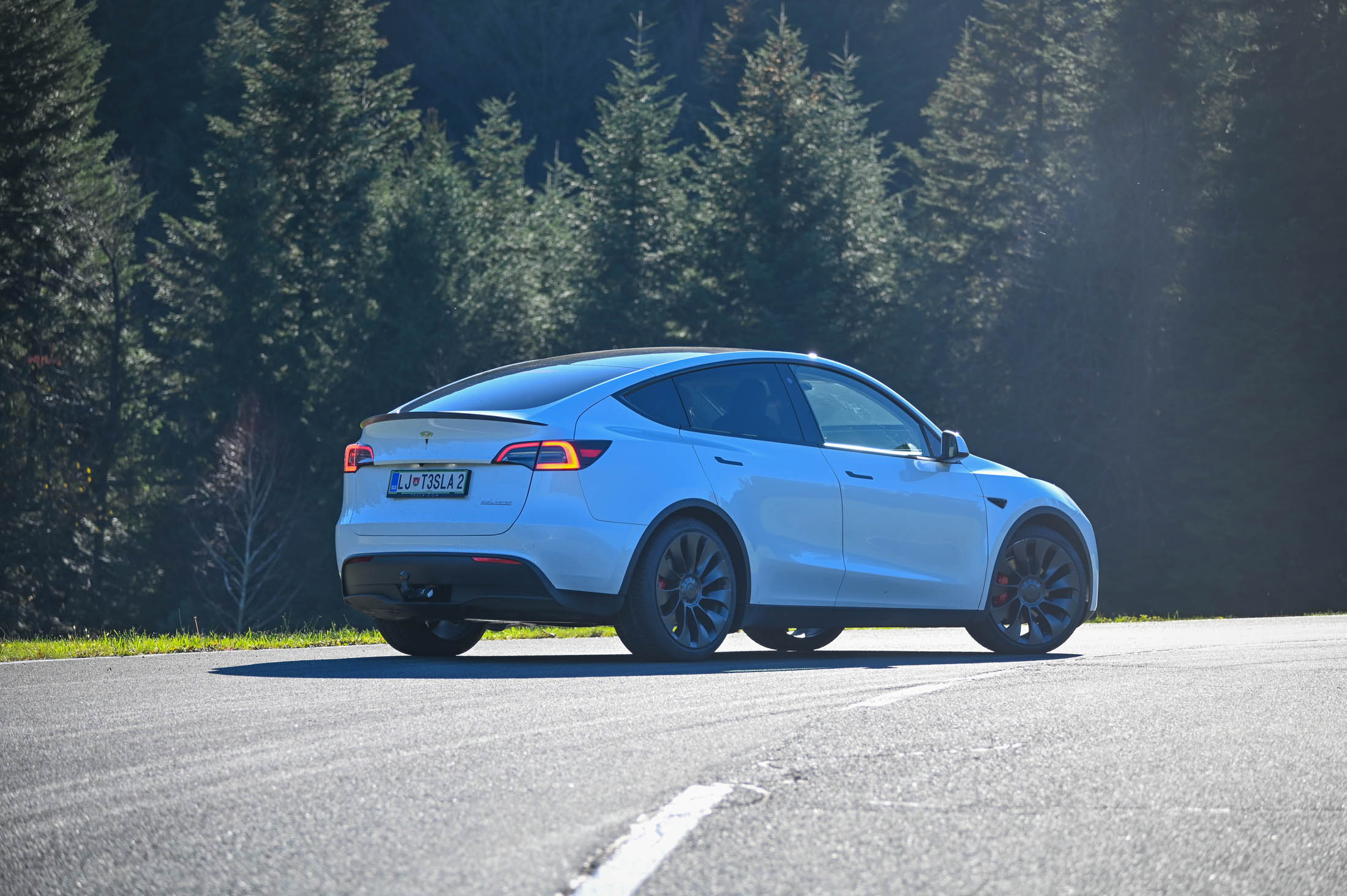
- Thermal Management: To handle the heat generated by 527 hp, the Performance model utilizes aggressive cooling logic. This is particularly important when using Track Mode, which allows the driver to adjust the handling balance and increases the cooling capacity to prevent the motors from derating during spirited driving.
- 0–60 MPH Capability: This horsepower allows the Model Y Performance to sprint from 0 to 60 mph in just 3.5 seconds (subtracting rollout), making it one of the fastest SUVs in its class.
Technical Specifications Comparison
To better understand how these figures translate to the road, the following table compares the primary AWD configurations available for the 2026 Model Y.
| Feature | Long Range AWD | Long Range (w/ Boost) | Performance AWD |
|---|---|---|---|
| Estimated Horsepower | 384 - 425 hp | 470 - 490 hp | 527 hp |
| 0-60 MPH Time | 4.8 Seconds | 4.2 Seconds | 3.5 Seconds |
| Top Speed | 135 mph | 135 mph | 155 mph |
| Motor Configuration | Dual Motor (Induction/IPM) | Dual Motor (Induction/IPM) | Dual Motor (High Output) |
| Standard Wheels | 19" or 20" | 19" or 20" | 21" Überturbine |
Note: Horsepower figures are estimates based on dynamometer testing and regulatory filings, as Tesla does not officially publish peak HP for all trims.
Factors That Influence Real-World Horsepower
It is important to note that horsepower in an electric vehicle is not a static number like it is in a gasoline engine. Several environmental and technical factors can cause the available horsepower to fluctuate during a drive.
State of Charge (SoC)
The voltage of a lithium-ion battery drops as it is depleted. Because Power (Watts) = Voltage × Amperage, a lower battery voltage results in lower peak power. A Model Y at 90% charge will feel noticeably punchier and deliver higher peak horsepower than the same car at 20% charge. For maximum performance, Tesla owners typically need to be above 70% SoC.
Battery Temperature
Batteries function best within a specific temperature window. If the battery is too cold, the internal resistance increases, limiting the amount of power that can be drawn. This is why Tesla includes a Preconditioning feature. When you navigate to a Supercharger or engage a performance mode, the car uses energy to heat the battery to the optimal temperature for power delivery.
Software Limitations and "Derating"
If the vehicle's sensors detect that the motors or the battery pack are overheating, the computer will automatically "derate" the power. This means it will temporarily reduce the available horsepower to protect the longevity of the hardware. This is rarely an issue in daily driving but can become apparent during repeated high-speed runs or extended track sessions.
Horsepower vs. Torque: The EV Advantage
When explaining Model Y horsepower, it is impossible to ignore torque. While the Performance model's ~527 hp is impressive, its instant torque of approximately 487 lb-ft is what provides the characteristic "Tesla grin."
In an internal combustion engine, the engine must "rev up" to reach its power band. In the Model Y AWD, 100% of the available torque is accessible at 0 RPM. This results in immediate throttle response that makes even the 384 hp Long Range model feel faster in urban traffic than a 500 hp gasoline SUV.
Frequently Asked Questions
Can I upgrade my Model Y AWD horsepower after purchase?
Yes, if you own the Long Range AWD model, you can purchase the Acceleration Boost through the Tesla mobile app. This OTA update increases the horsepower by roughly 50–70 hp and reduces the 0–60 mph time by half a second. The Performance trim cannot be further upgraded via official software.
Why doesn't Tesla list horsepower on their website?
Tesla prefers to market "performance results" (speed and acceleration) rather than "potential energy" (horsepower). Because EV power output is variable based on battery conditions, stating a single horsepower figure can be misleading. Regulatory bodies like the EPA and European agencies often require these figures for certification, which is where most public data originates.
Is the horsepower different between the 4680 cells and 2170 cells?
As of 2026, Tesla uses various battery chemistries and cell formats. While the 4680 structural battery pack offers manufacturing advantages, Tesla generally software-tunes the vehicles so that the horsepower remains consistent across a specific trim, regardless of which battery cell type is installed.
How does Model Y AWD horsepower affect towing?
The high torque associated with the AWD system makes the Model Y an excellent tow vehicle for its size. With a maximum towing capacity of 3,500 pounds, the dual-motor setup ensures that the vehicle can maintain speed on inclines, even when under load. However, using that horsepower for towing significantly increases energy consumption and reduces range.
Does the "Juniper" refresh increase the horsepower?
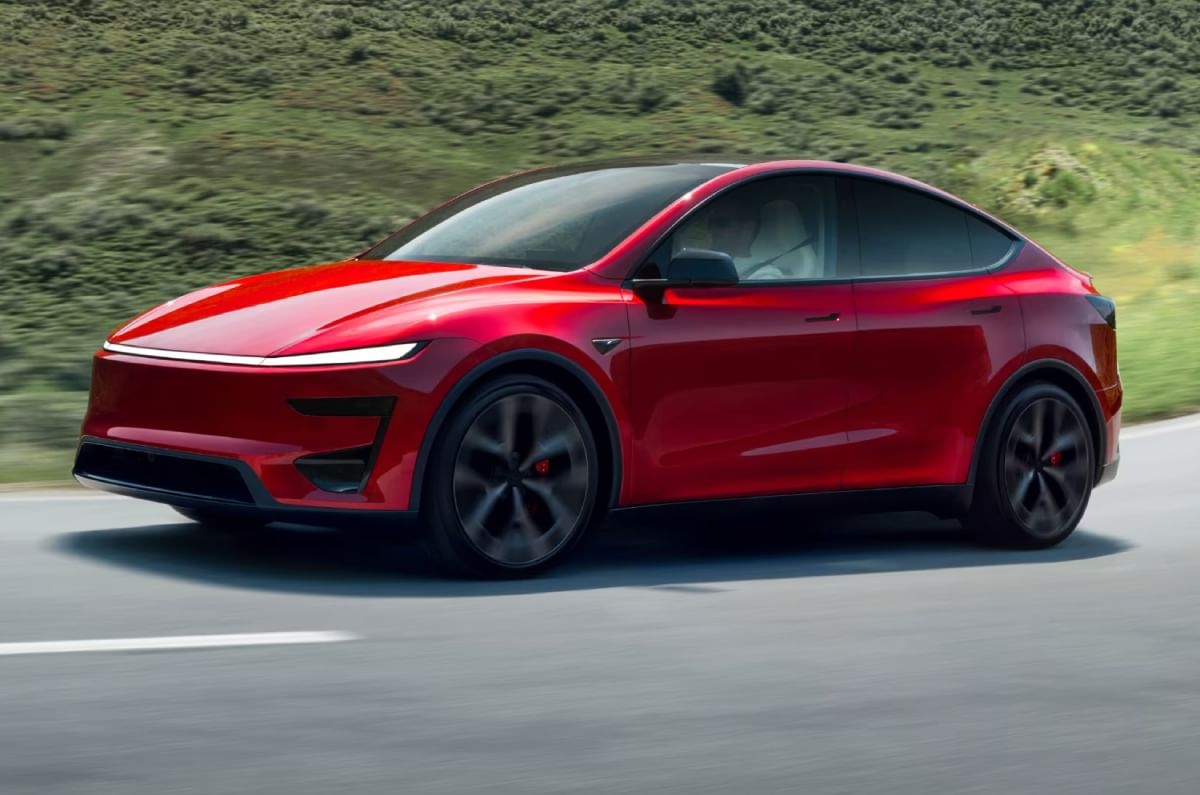
The "Juniper" updates (standardized by 2026) focused primarily on aerodynamics, interior quietness, and efficiency. While some incremental gains in power delivery were made due to improved thermal management, the core horsepower ratings for the Long Range and Performance trims have remained relatively stable to maintain product tiering.
Final Recommendation
If your primary goal is a balance of daily range and sufficient power, the Long Range AWD at approximately 384 hp is more than enough for almost any driving situation. For those who want a sports-car experience in an SUV body, the Performance model's 527 hp is the clear choice. If you find yourself in the middle, buying the Long Range and later adding the Acceleration Boost provides a significant performance gain without the harsher ride of the Performance model's larger wheels and lowered suspension.
Before committing to a specific trim, verify your local charging infrastructure and consider that higher horsepower versions typically come with a 5-10% trade-off in total driving range due to wheel size and motor mapping.
Image Gallery