Understanding the Insurance Requirements for a Leased Vehicle
When you lease a car, you are essentially entering into a long-term rental agreement where the leasing company—typically a financial institution or the manufacturer’s financing arm—retains ownership of the vehicle. Because the lender h...
When you lease a car, you are essentially entering into a long-term rental agreement where the leasing company—typically a financial institution or the manufacturer’s financing arm—retains ownership of the vehicle. Because the lender has a significant financial stake in the asset, they impose strict insurance requirements to ensure the vehicle is fully protected against physical damage, theft, and liability. Unlike a vehicle you own outright, where you may choose to carry only state-mandated minimum coverage, a leased vehicle requires a comprehensive policy that satisfies the contractual obligations outlined in your lease agreement.
Contents
Why Leasing Companies Mandate Higher Insurance Limits
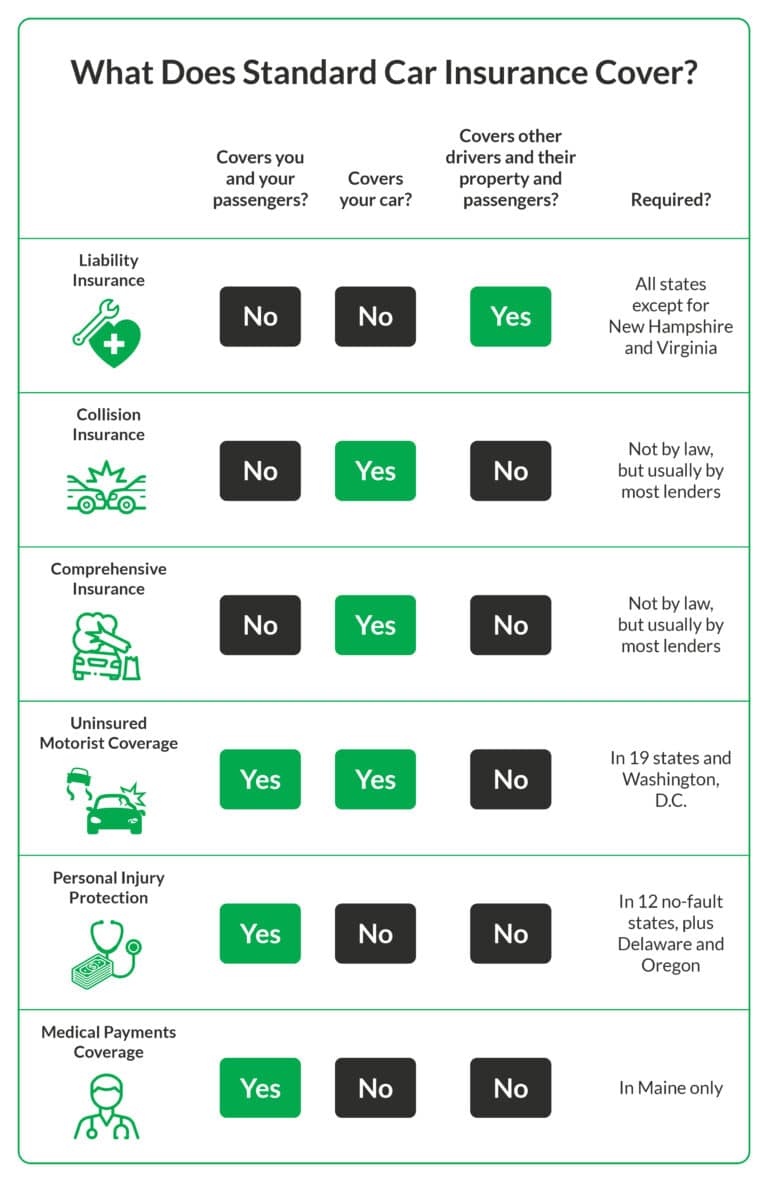
Leasing companies operate on the principle of asset protection. If a leased vehicle is totaled in an accident or stolen, the leasing company needs assurance that the financial loss will be covered, either by the insurance company or by you, the lessee. Most lease agreements mandate "full coverage," which is a colloquial term for a combination of specific insurance components rather than a single policy type.
While state laws dictate the minimum liability coverage you must carry to drive legally, these minimums are rarely sufficient for a lease. If you are found at fault in a major accident, your state-minimum policy might be exhausted quickly, leaving you personally liable for the remaining balance. If your leased vehicle is involved in such an event, the lessor needs to know that the policy limits are high enough to protect their property from claims and to ensure the vehicle can be repaired to its original condition using OEM (Original Equipment Manufacturer) parts, if required by the lease contract.
The Components of Required Lease Insurance
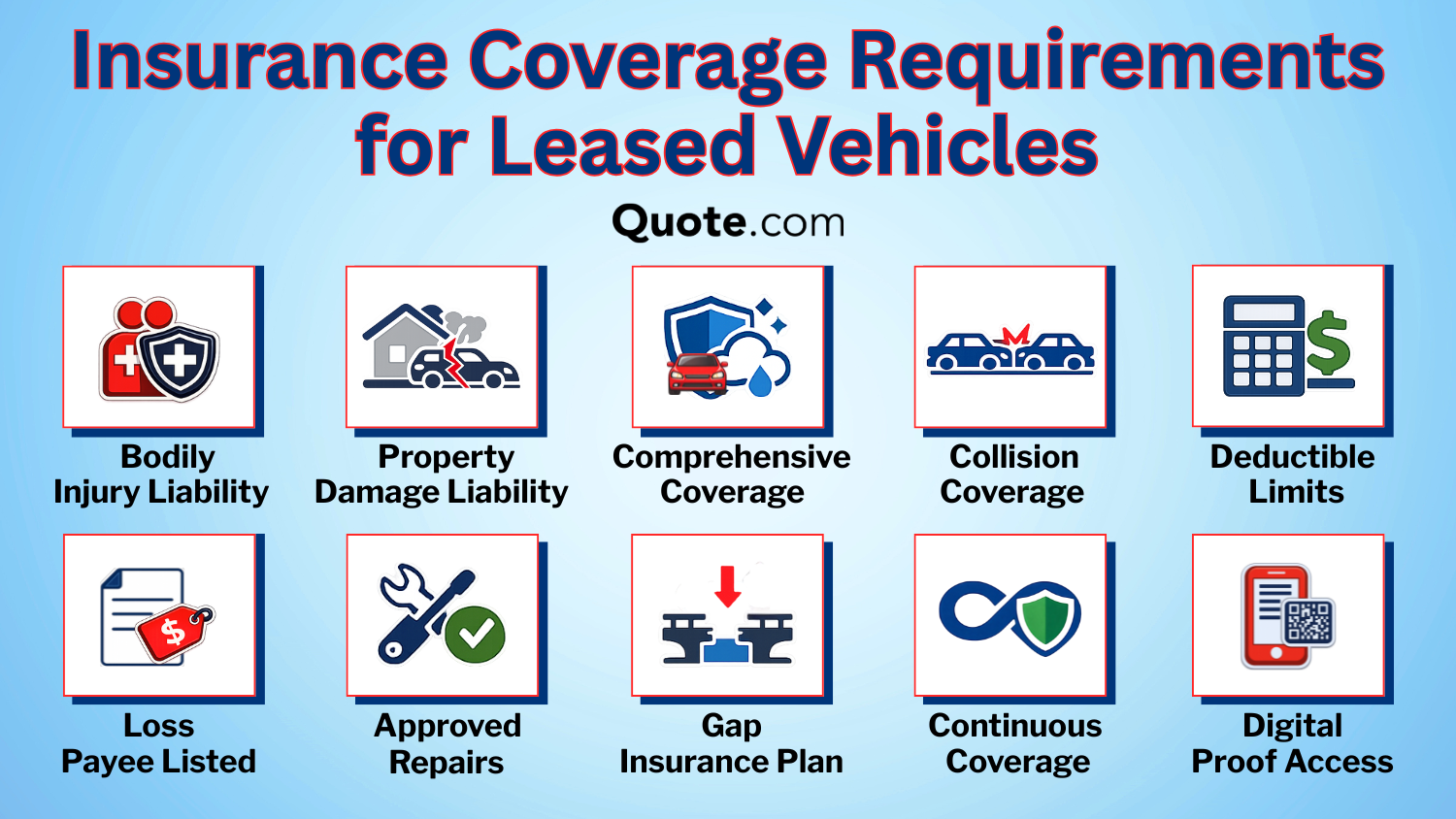
Most leasing contracts require three primary tiers of coverage. Understanding these is essential for ensuring you remain in compliance with your contract throughout the duration of your lease.
1. Liability Coverage
Liability insurance pays for the bodily injury and property damage of other parties when you are at fault in an accident. Because a lawsuit resulting from a serious collision can easily exceed the value of the vehicle, lenders typically require significantly higher limits than the state minimum. A common requirement for a lease is a split limit of 100/300/50, which translates to:
- $100,000 per person for bodily injury.
- $300,000 per accident for bodily injury.
- $50,000 per accident for property damage.
2. Comprehensive Coverage
Comprehensive insurance covers damage to your vehicle caused by events other than a collision. This includes theft, vandalism, fire, flood, and damage from falling objects or wildlife collisions. Because the lessor owns the vehicle, they require this coverage to ensure that non-accident-related damage does not result in a total loss of the asset.
3. Collision Coverage
Collision coverage pays for repairs to your leased vehicle if it is damaged in an accident, regardless of who is at fault. Since you are responsible for returning the vehicle in good condition at the end of the lease, collision coverage ensures that you have the financial means to repair the vehicle after a wreck.
Comparing Mandatory Coverage vs. Standard Minimums
The following table outlines the typical expectations for a leased vehicle compared to the basic state-minimum requirements often found in the United States.
| Coverage Type | Typical State Minimum | Typical Lease Requirement |
|---|---|---|
| Bodily Injury (Per Person) | $15,000 – $30,000 | $100,000 |
| Bodily Injury (Per Accident) | $30,000 – $60,000 | $300,000 |
| Property Damage (Per Accident) | $5,000 – $25,000 | $50,000 |
| Deductibles (Comprehensive/Collision) | Varies | Usually $500 – $1,000 max |
The Critical Role of GAP Insurance
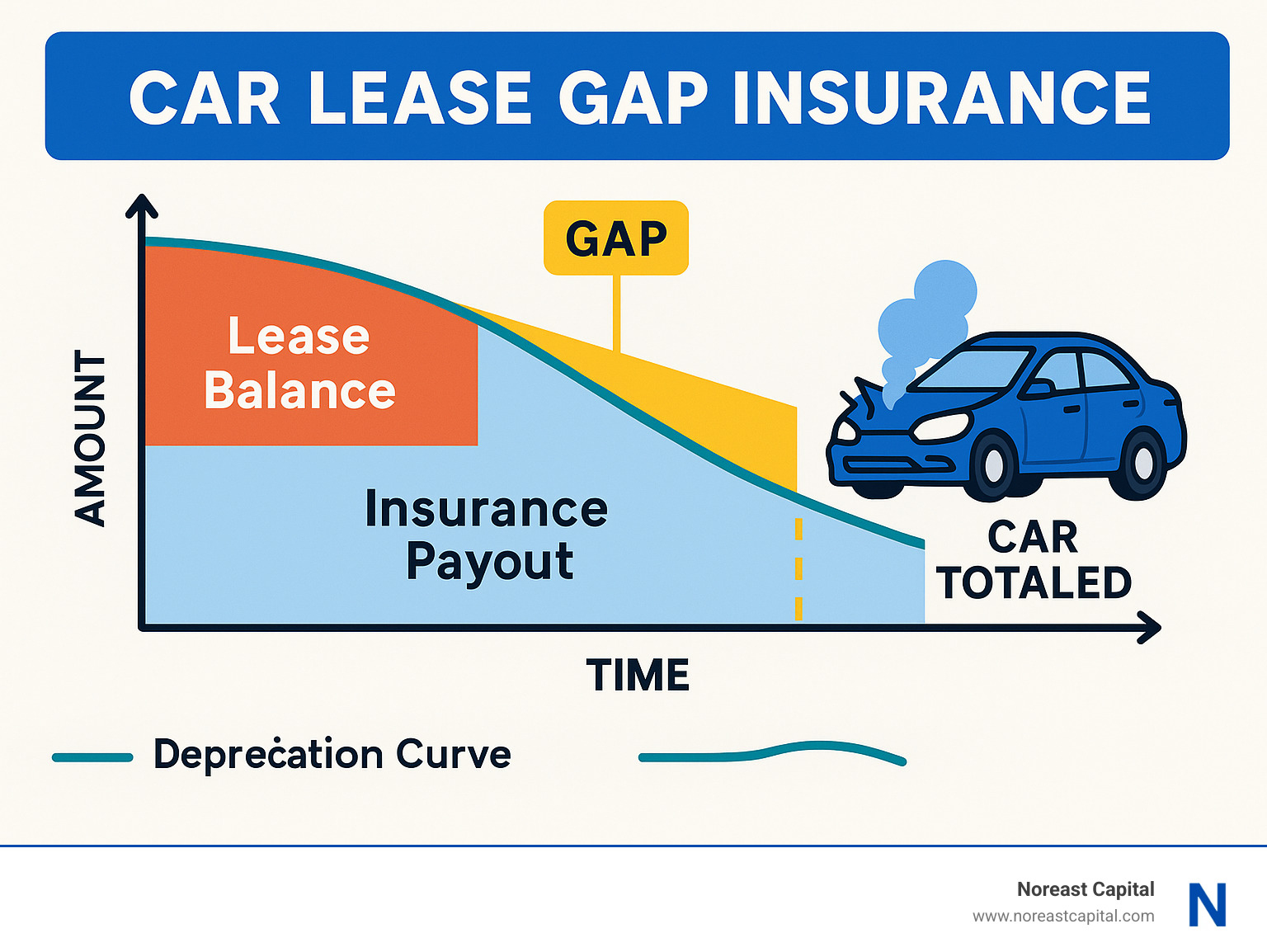
One of the most important concepts for a lessee to understand is Guaranteed Asset Protection (GAP) insurance. Standard auto insurance policies only pay out the Actual Cash Value (ACV) of a vehicle at the time of a total loss. Because new cars depreciate rapidly, the ACV may be significantly lower than the remaining balance on your lease contract.
If your car is totaled or stolen, you would be responsible for the "gap" between the insurance payout and what you still owe the leasing company. Many modern lease agreements include GAP coverage as part of the financing package, but this is not universal. You should review your lease contract carefully to determine if you are already covered. If not, you must purchase a separate GAP policy or ensure your insurance provider offers it as an add-on. Without this protection, a single accident could result in thousands of dollars in out-of-pocket debt.
Verifying Compliance with Your Lender
Before you finalize your lease, your dealership or the financing company will require proof of insurance. This typically involves submitting a "Declarations Page" from your insurance provider. This document outlines your coverage limits, deductibles, and the VIN (Vehicle Identification Number) of the leased vehicle.
If your insurance does not meet the lender's specifications, you have a few options:
- Request a Limit Increase: Most insurers can adjust your liability limits mid-term with a simple phone call or a few clicks in an online portal.
- Adjust Deductibles: If your deductibles are too high (e.g., $2,000), the lender may refuse the policy. Lowering them to $500 or $1,000 is standard practice to satisfy lease terms.
- Shopping for a New Policy: If your current provider cannot meet the requirements or charges excessive premiums for the necessary increases, you may need to switch to a carrier that specializes in or is better suited for financed and leased vehicles.
Common Pitfalls and Troubleshooting
Many lessees encounter issues when they fail to list the leasing company as an "Additional Insured" or "Loss Payee." The leasing company needs to be officially notified of the policy so they can receive notices of cancellation or changes in coverage. If your policy lapses, the insurance company will notify the lessor, who may then purchase "forced-placed insurance" on your behalf. This is almost always significantly more expensive than a policy you purchase yourself and provides much less protection.
Additionally, be aware that some high-end luxury leases may have specific requirements regarding the types of auto body shops allowed for repairs. Some contracts stipulate that repairs must be performed at certified facilities using original manufacturer parts. You should verify if your insurance policy allows for "OEM parts coverage" or "original equipment endorsement," which covers the cost of genuine manufacturer parts rather than aftermarket or salvaged alternatives.
Frequently Asked Questions
Does a leased car require full coverage? Yes. While "full coverage" is not a legal term, it is an industry standard referring to the combination of liability, collision, and comprehensive insurance. Lenders require all three to protect their financial interest in the vehicle.
What happens if I don't have enough insurance for my lease? If you fail to meet the insurance requirements stipulated in your contract, the leasing company will typically contact you to demand proof of compliant coverage. If you do not comply, they reserve the right to purchase their own policy for the vehicle and bill you for the premiums, which is significantly more costly than a private policy.
Is GAP insurance mandatory for all leases? It is not legally mandated by the state, but it is effectively mandatory by the lessor. If your lease agreement does not include GAP coverage, you must purchase it independently to protect yourself from the financial deficit that occurs if the vehicle is totaled.
Can I choose my own insurance provider? Yes. You are not required to use the insurance agency recommended by the dealership. You are free to shop around for the most competitive rates, provided the policy meets the minimum coverage limits outlined in your lease agreement.
How do I update my insurance for a new lease? Contact your insurance agent or use your provider’s mobile app to add the new vehicle to your policy. You will need to provide the VIN, the leasing company's name, and their address for the "Loss Payee" information. Your provider will then issue a binder or an updated declarations page that you can submit to the dealer.
Final Recommendations
Before you drive your leased vehicle off the lot, obtain a copy of your contract and highlight the specific section detailing "Insurance Requirements." Ensure your insurance agent has this list in hand. Prioritize the inclusion of GAP insurance, and verify that your liability limits match or exceed the lender's request. By proactively matching your coverage to the contract, you avoid the risk of forced-placed insurance and ensure that you are fully protected in the event of an unforeseen incident.
Image Gallery