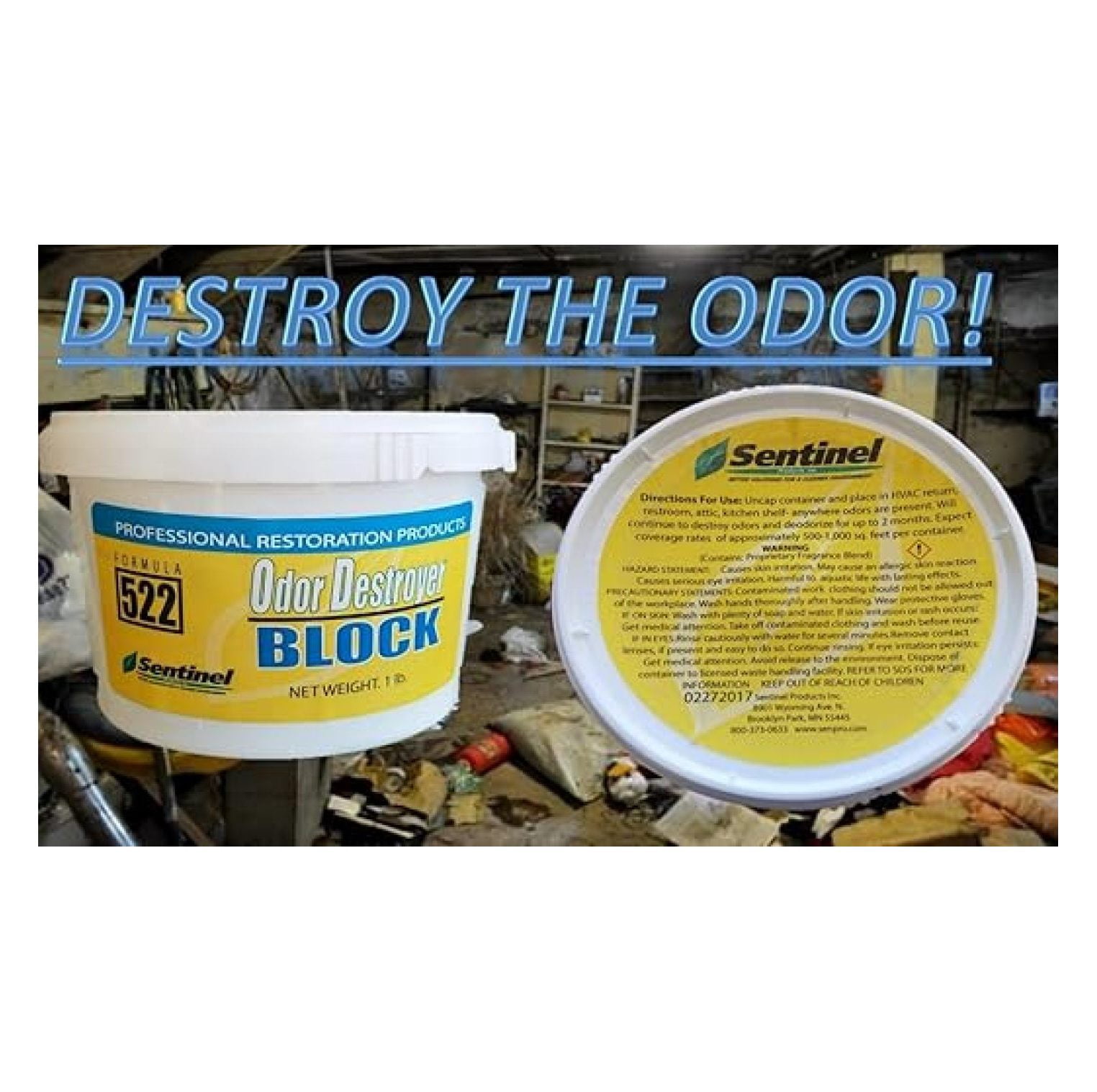
Finding and Using the Best Odor Eliminator for Basement Spaces
Basement odors stem primarily from excess moisture, mold, mildew, stagnant air, and volatile organic compounds (VOCs) trapped in subterranean concrete and organic building materials. Resolving these persistent musty smells requires a t...
Basement odors stem primarily from excess moisture, mold, mildew, stagnant air, and volatile organic compounds (VOCs) trapped in subterranean concrete and organic building materials. Resolving these persistent musty smells requires a targeted odor eliminator tailored to the specific moisture level and structural conditions of the space, moving beyond simple masking agents to target volatile molecules at their source.
Contents
Understanding the Root Causes of Basement Odors
Before selecting an odor eliminator, it is essential to understand why basements develop distinct smells. Subterranean levels sit below or partially below ground grade, making their foundation walls and concrete slabs prone to hydrostatic pressure and thermal transfer. This creates a cool, damp microclimate where relative humidity frequently exceeds the 60% threshold required for fungal growth and microbial activity.
Musty odors—often colloquially called "basement smell"—are primarily caused by microbial volatile organic compounds (mVOCs) emitted by active mold and mildew colonies growing on drywall, framing lumber, carpeting, and cardboard boxes. Additionally, stagnant air due to a lack of cross-ventilation allows these gases to accumulate, while floor drains with dry traps can vent sewer gases directly into the living space. Masking these complex chemical and biological odors with scented sprays or plug-in air fresheners only compounds the issue by layering artificial fragrance over underlying contaminants. True remediation demands neutralizing agents, physical moisture control, and continuous air filtration.
Types of Basement Odor Eliminators
Different odor-elimination technologies target different aspects of subterranean air quality. Choosing the right category depends on whether the primary issue is airborne humidity, trapped chemical vapors, or embedded biological residues.
| Eliminator Type | Primary Mechanism | Best Used For |
|---|---|---|
| Activated Carbon Filters | Physical adsorption of VOCs/gases | Chemical smells, general staleness |
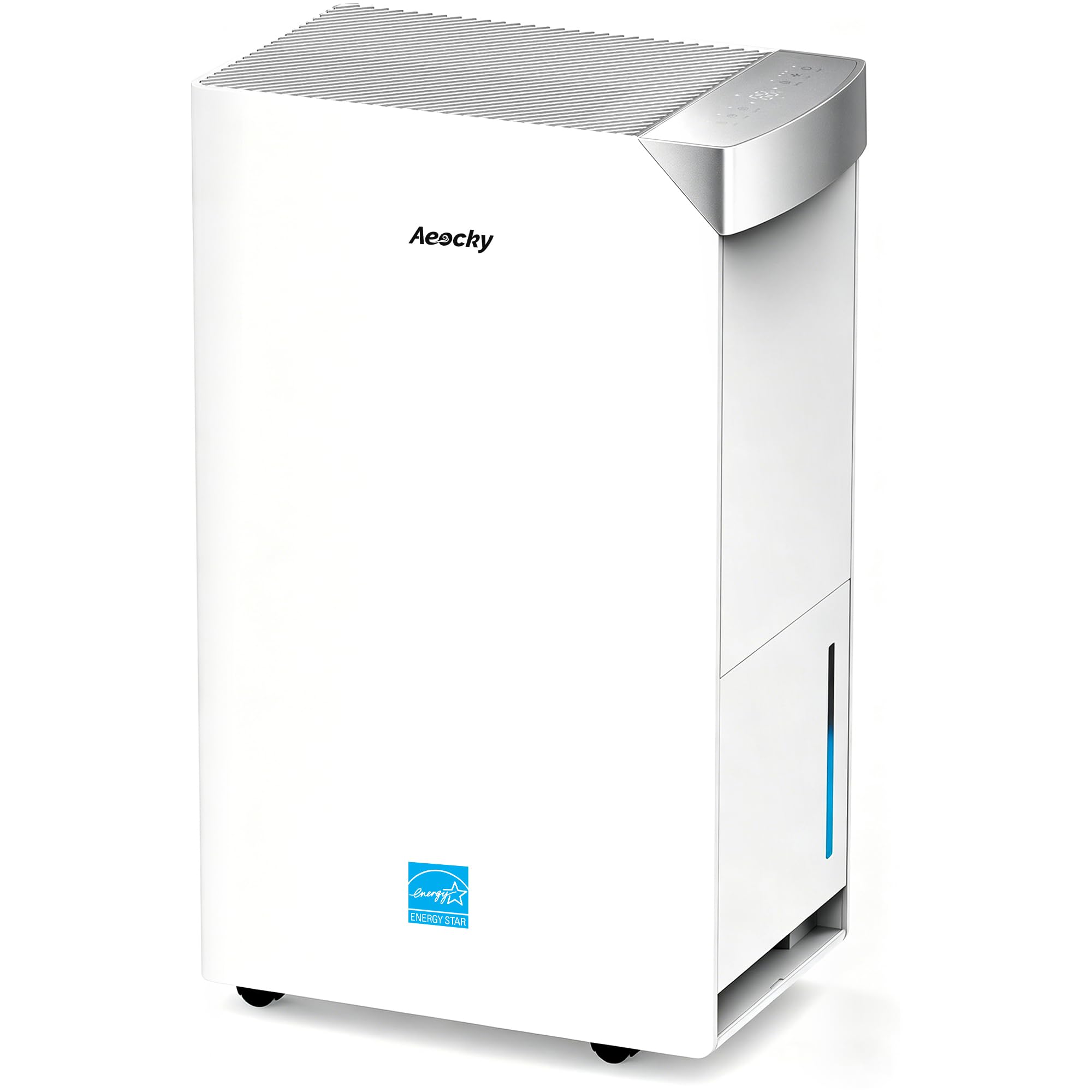
| Desiccant Dehumidifiers | Moisture removal via condensation | High humidity, active mold prevention |
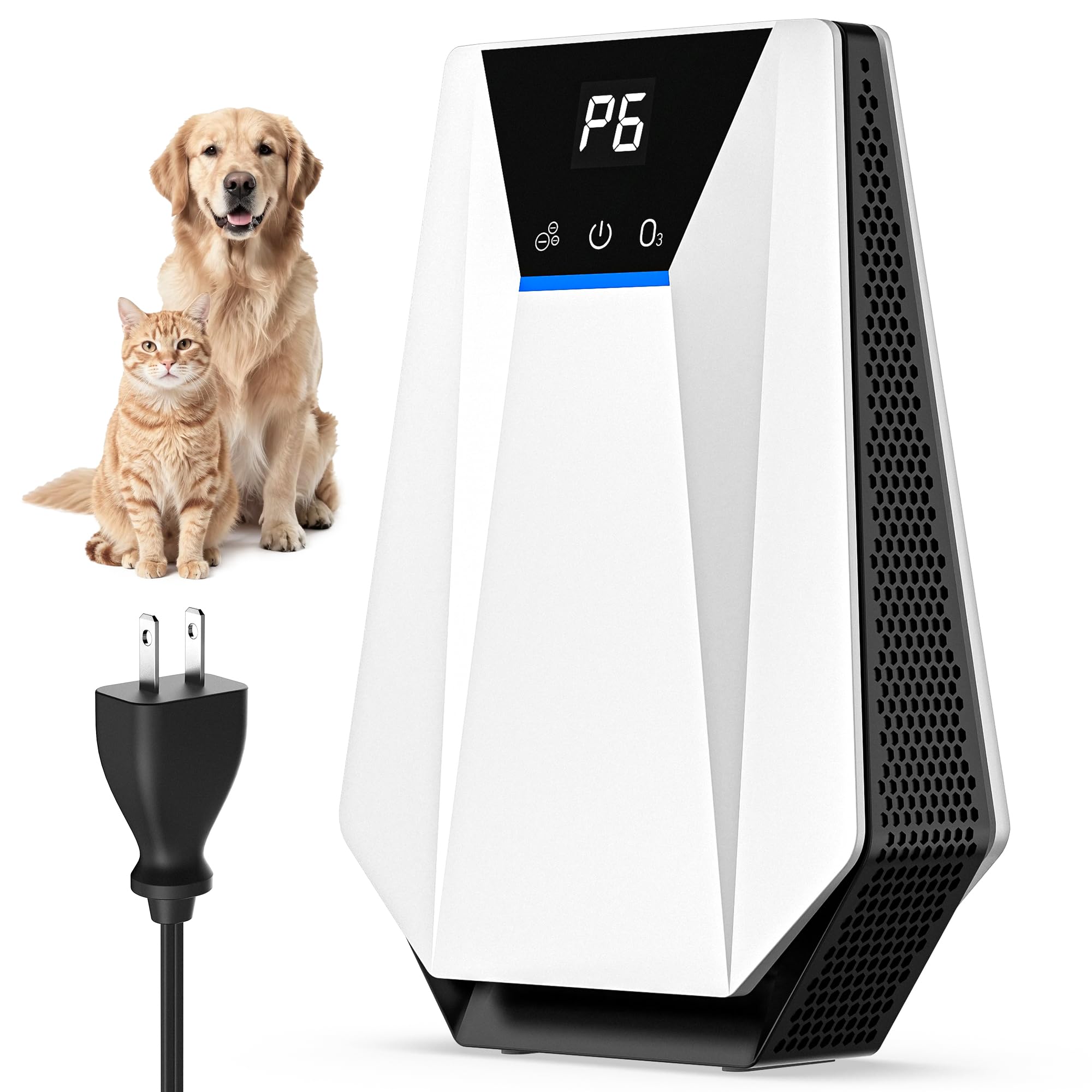
| Ozone Generators | Chemical oxidation of organic matter | Extreme remediation (unoccupied) |
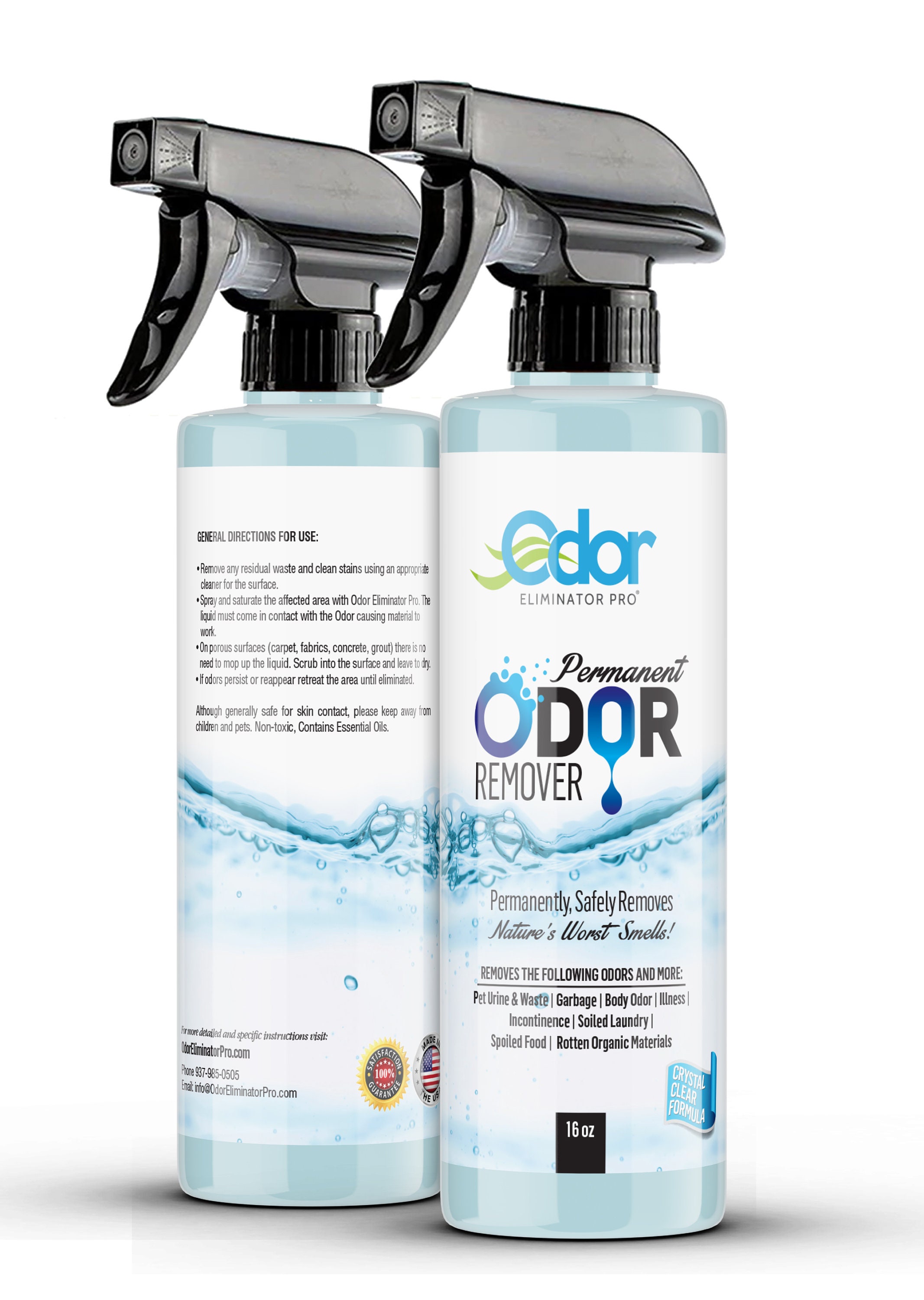
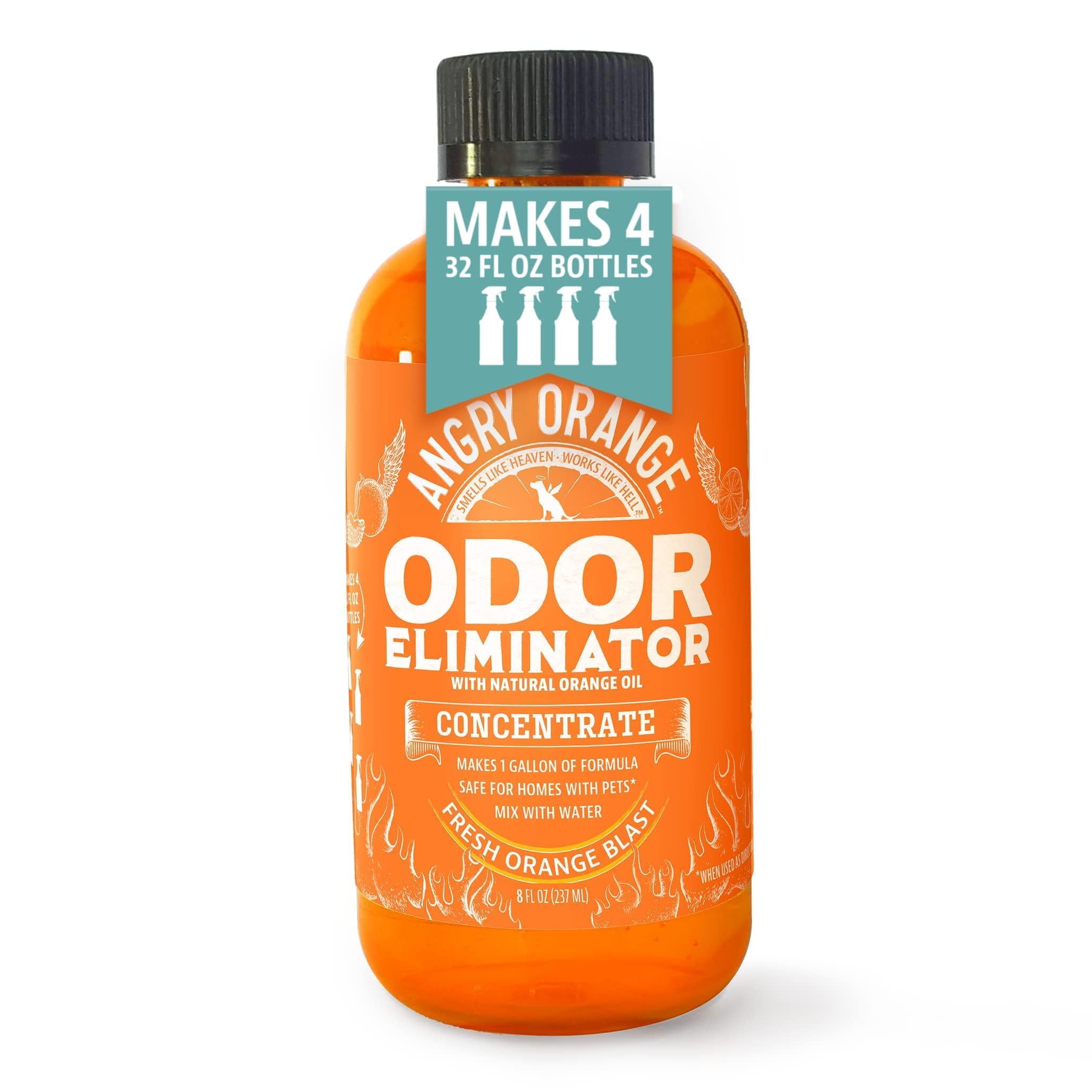
| Enzymatic Sprays | Biological breakdown of proteins | Pet urine, localized mildew spots |
Activated Carbon and Zeolite Adsorbers
Activated carbon relies on an extensive network of microscopic pores created by treating carbon with oxygen. This vast surface area physically traps gas molecules, smoke particles, and VOCs through a process known as adsorption. Zeolites, naturally occurring microporous aluminosilicate minerals, work similarly but excel at trapping ammonia and moisture simultaneously. These passive or fan-forced filters are ideal for enclosed basements where chemical or musty air lingers, though they do not address active moisture sources.
Mechanical Dehumidification
Because humidity fuels mold growth, a high-capacity compressor or desiccant dehumidifier is a foundational line of defense. By pulling moisture out of the air and lowering relative humidity below 50 percent, dehumidifiers halt the reproduction cycle of mold and mildew, naturally eliminating the source of musty odors over time.
Chemical Oxidizers and Ozone Generators
Ozone ($O_3$) generators produce unstable oxygen molecules that chemically alter and destroy odor-causing compounds, bacteria, and mold spores through oxidation. While highly effective at stripping severe odors from deep within porous building materials, ozone is a respiratory irritant. Units must only be operated in completely unoccupied spaces, followed by thorough airing out before humans or pets re-enter.
Enzymatic and Microbial Sprays
For targeted odors—such as pet accidents on basement concrete or localized mildew on framing—enzymatic cleaners utilize targeted bacteria and proteins to break down organic waste into odorless byproducts. Unlike harsh chemical disinfectants that merely kill surface mold, enzymes digest the organic matter feeding the microbial growth.
Evaluating Performance Factors and Specifications
Selecting the best odor eliminator requires matching product specifications to the physical dimensions and environmental characteristics of your subterranean space.
- Square Footage Capacity: Dehumidifiers and air purifiers are rated for specific room sizes. Undersized units will run continuously without achieving adequate air changes or moisture reduction. Ensure the chosen device matches or exceeds the cubic footage of the basement.
- CADR (Clean Air Delivery Rate): When purchasing an air purifier for odor control, look for a high CADR rating, specifically certified by independent bodies such as the Association of Home Appliance Manufacturers (AHAM). A higher CADR indicates faster filtration cycles.
- Pint Capacity for Dehumidifiers: In damp basements, select a unit capable of removing 50 to 70 pints of moisture per day, and verify whether it features a continuous gravity-drain hose option or an internal condensate pump to avoid manual water tank emptying.
- Filter Replacement Costs: Activated carbon and HEPA filters require periodic replacement—typically every 6 to 12 months depending on ambient particulate load. Factor recurring maintenance costs into the long-term investment.
Step-by-Step Implementation Strategy for Basement Air Quality
Deploying an odor eliminator as a standalone fix rarely yields permanent results. A systematic approach ensures that odor sources are eradicated permanently.
- Inspect and Seal Moisture Entry Points: Check foundation walls for cracks, efflorescence (white powdery mineral deposits), or active leaks. Seal minor cracks with hydraulic cement and ensure exterior grading slopes away from the foundation.
- Install and Calibrate a Dehumidifier: Place the unit in a central location with unobstructed airflow. Set the humidistat between 45% and 50% relative humidity to discourage mold proliferation.
- Deploy Air Purification: Set up an air purifier equipped with a true HEPA filter and a thick activated carbon bed. Run the unit continuously on medium speed to capture floating mold spores and chemical outgassing.
- Inspect and Prime Floor Drains: Pour water into infrequently used floor drain traps to ensure the P-trap is full, blocking sewer gases from entering the basement.
- Clean Contaminated Surfaces: Scrub localized mold or mildew spots using a commercial antimicrobial wash or a solution of mild detergent and water. Dry the area completely afterward.
Common Mistakes to Avoid
Subterranean remediation often fails due to improper equipment selection or misunderstood operational principles. Avoid these common pitfalls to protect indoor air quality:
- Relying Solely on Masking Agents: Air fresheners, scented candles, and plug-ins add chemical compounds to the air without removing moisture, mold spores, or VOCs, often resulting in an unpleasant mixture of artificial fragrance and musty dampness.
- Ignoring Subfloor and Wall Cavities: Surface cleaning will not resolve odors originating behind finished drywall or beneath wall-to-wall carpeting laid directly over concrete slabs.
- Failing to Maintain Equipment: Neglecting to clean dehumidifier coils, empty condensate collection buckets, or replace expired carbon filters turns air treatment devices into breeding grounds for bacteria and mold.
- Ventilating During Humid Weather: Opening basement windows on warm, humid summer days introduces moisture-laden air that condenses on cool basement walls, worsening the musty odor rather than clearing it.
Frequently Asked Questions
Why does my basement smell musty even when it looks dry?
Subterranean concrete is porous and continuously wicks moisture from the surrounding earth through capillary action, even if no puddles are visible. This hidden moisture feeds mold growth inside wall cavities, behind insulation, or beneath flooring, releasing mVOCs into the room air.
Can an air purifier completely eliminate basement odor?
An air purifier equipped with activated carbon and a HEPA filter effectively removes airborne VOCs, dust, and floating mold spores, significantly improving air freshness. However, if the underlying moisture source is not addressed, odors will persist as new mold colonies grow.
Is ozone safe to use in a finished basement?
Ozone is a powerful oxidant that can irritate human and animal respiratory tracts. Ozone generators should only be run in unoccupied spaces, and manufacturers' safety guidelines regarding post-treatment ventilation times must be strictly followed before re-entering.
How do I stop floor drain odors in the basement?
Floor drains dry out when water evaporates from the P-trap, allowing sewer gases to vent into the room. Pouring a gallon of water down the drain—along with a spoonful of mineral oil to slow evaporation—typically resolves this issue immediately.
What is the ideal humidity level for a basement?
The ideal relative humidity for a basement is between 30% and 50%. Maintaining levels below 50% effectively halts the germination of mold spores and deters dust mites, preventing the primary biological causes of musty basement odors.
Final Recommendation
Achieving long-term odor control in a basement requires a multi-layered strategy combining continuous mechanical dehumidification with activated carbon air filtration. Begin by testing and stabilizing ambient humidity below 50 percent, seal any active water entry points, and install a dedicated air purifier with a robust carbon bed to capture residual VOCs. For severe mold contamination, combine these steps with professional inspection and remediation to ensure a healthy, odor-free living space.
Image Gallery