Brazil’s Rural and Indigenous Village Education Policy: Challenges and Progress in 2026
Education policy in Brazilian villages is governed by a decentralized framework that balances national standards with the specific linguistic, cultural, and geographic needs of rural, Indigenous, and Quilombola communities. By 2026, th...
Education policy in Brazilian villages is governed by a decentralized framework that balances national standards with the specific linguistic, cultural, and geographic needs of rural, Indigenous, and Quilombola communities. By 2026, these policies prioritize differentiated pedagogical models, specialized teacher training, and targeted funding through the Fundeb mechanism to bridge the historical gap between urban and remote learning outcomes.
Contents
The Dual Framework of Brazilian Village Education
Education in Brazilian villages is not a monolith; it is legally categorized into two primary streams: Educação do Campo (Rural Education) and Educação Escolar Indígena (Indigenous School Education). Both are anchored in the Lei de Diretrizes e Bases da Educação Nacional (LDB), specifically Law No. 9.394/1996, which mandates that the state must provide school education that is adapted to the peculiarities of rural life and the cultural identities of traditional peoples.
In 2026, the policy landscape continues to evolve from a model of "incorporating" villagers into urban systems toward a model of "territorial pertinence." This means that rather than transporting students to urban centers—a practice known as nucleação that led to the closure of thousands of village schools in the early 2000s—current policy emphasizes keeping schools within the community.
Rural Education (Educação do Campo)
Unlike the generic term "rural education," Educação do Campo is a political and pedagogical concept born from social movements like the MST (Landless Workers' Movement). It argues that education should support the sustainability of life in the countryside. The policy focus here is on the Pedagogia da Alternância (Alternation Pedagogy). Under this system, students spend a period in the school (the "School Time") and a period applying their knowledge on their family farms (the "Community Time"). This prevents the "rural exodus" where educated youth leave villages because their schooling prepared them only for urban labor markets.
Indigenous School Education
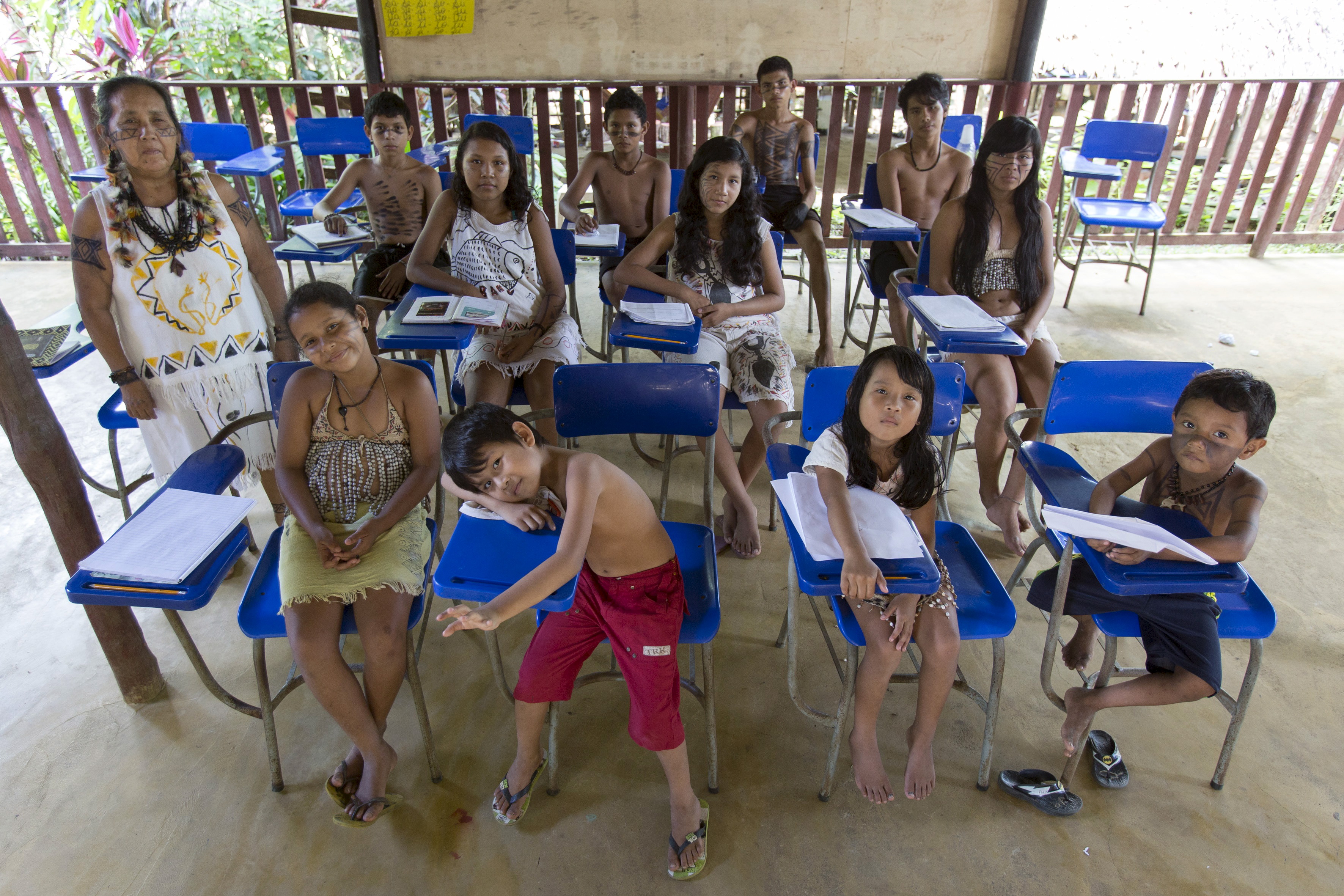
Indigenous education is a distinct legal category. According to the Federal Constitution of 1988 and reinforced by subsequent decrees, Indigenous communities have the right to a "differentiated, specific, and bilingual" education. In 2026, this policy is implemented through the Territórios Etnoeducacionais (Ethno-educational Territories). These territories organize education not by state or municipal borders, but by the ancestral lands and linguistic groups of the Indigenous peoples, allowing for shared curricula among the same ethnic group even if they span different administrative regions.
Indigenous Education Policies: Sovereignty and Language
The core of Indigenous education policy in 2026 is the preservation of cultural sovereignty. This is achieved through three main pillars:
- Bilingualism and Multilingualism: Schools are required to teach in the native language as the primary medium of instruction, with Portuguese taught as a second language. This is vital for the survival of the 274 Indigenous languages spoken in Brazil.
- Specific Intercultural Curricula: While village schools must cover the Base Nacional Comum Curricular (BNCC)—the national core curriculum—they have the autonomy to integrate traditional knowledge, myths, and ecological management practices specific to their people.
- Indigenous Teacher Training: A critical policy requirement is that teachers in village schools should ideally belong to the ethnic group they serve. Programs like the ProLind (Indigenous Intercultural Licentiate) provide university-level training for Indigenous educators, ensuring that the classroom remains a space of cultural reinforcement rather than assimilation.
Despite these protections, the implementation remains uneven. In 2026, many villages still struggle with a lack of didactic materials produced in native languages, often relying on teachers to manually translate standardized state textbooks.
Quilombola Education: Recognition and Resistance
Quilombola communities—villages formed by the descendants of enslaved Africans who escaped or resisted slavery—have their own specific educational guidelines. The Diretrizes Curriculares Nacionais para a Educação Escolar Quilombola mandate that the history of the African diaspora and the specific struggle of the quilombos be central to the curriculum.
The primary policy challenge for Quilombola villages in 2026 is land tenure. Since many schools are located on land still undergoing the official "titling" process, infrastructure investment is often delayed. Education policy for these villages focuses on "Ancestrality and Territory," ensuring that students understand their legal rights to the land while receiving a standard of education equal to that of urban centers.
Infrastructure and the Logistics of Remote Learning
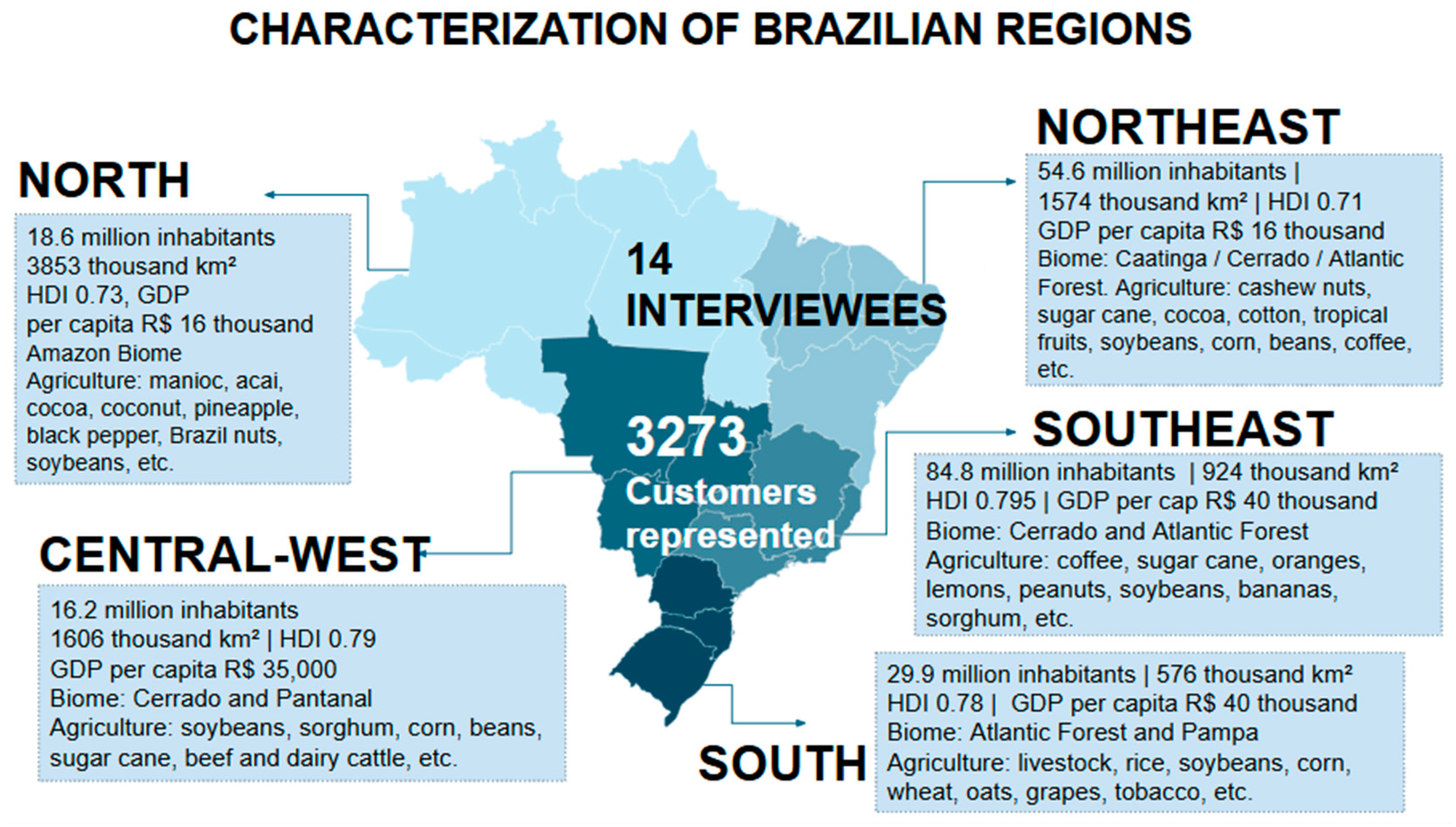
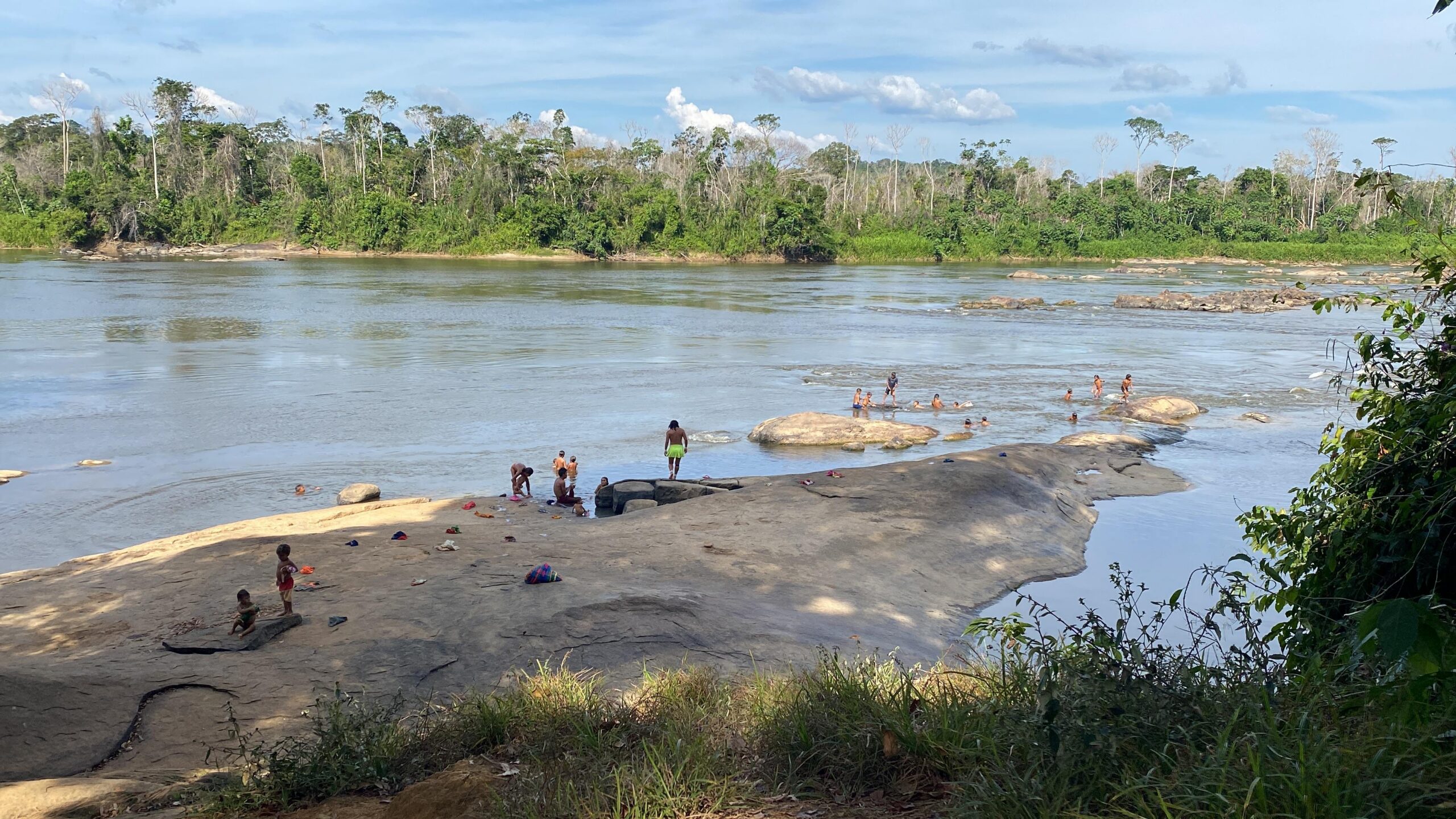
Geography is the greatest hurdle for Brazil’s village education policy. In the Amazon basin and the Pantanal wetlands, the "school bus" is often a "school boat."
The "Caminho da Escola" Program
The federal government’s Caminho da Escola (Path to School) program provides specialized vehicles for village students. By 2026, this includes:
- Lanchas Escolares: High-speed, reinforced boats designed for river navigation in the North.
- 4x4 School Buses: Vehicles designed to handle the unpaved, mud-prone roads of the Cerrado and Caatinga regions.
The Digital Divide and Satellite Connectivity
In 2026, the digital divide in Brazilian villages has narrowed significantly due to the expansion of satellite internet services. The Gesa program (Government Electronic Communications Service) and private partnerships now provide high-speed internet to over 80% of remote village schools. This has enabled the use of "Hybrid Learning" in villages where specialized teachers (e.g., for Physics or Chemistry) are unavailable locally. These teachers broadcast lessons from state capitals, while local "mediator" teachers facilitate the classroom activities.
Financing Village Education: The Role of Fundeb
All public education in Brazil is funded through Fundeb (Fund for the Development of Basic Education and Maintenance and Development of Education). This is a "basket" of taxes redistributed by the federal government to ensure a minimum spending level per student across the country.
Policy changes in the early 2020s, which reached full maturity by 2026, introduced a "weighting system" for students. Village students (Rural, Indigenous, and Quilombola) are "weighted" more heavily than urban students. For example, if an urban student receives a factor of 1.0, an Indigenous student in a remote village might trigger a factor of 1.3 in funding. This higher per-capita payment is intended to cover the increased costs of:
- Transporting food and supplies to remote locations.
- The higher salaries required to incentivize teachers to work in isolated areas.
- Small class sizes (many village schools have multi-grade classrooms with only 10-15 students).
Comparison of Educational Frameworks in Brazilian Villages
| Feature | Rural Education (Campo) | Indigenous Education | Quilombola Education |
|---|---|---|---|
| Primary Goal | Sustain rural life/agriculture | Cultural and linguistic survival | Ancestrality and land rights |
| Language | Portuguese | Bilingual (Native + Portuguese) | Portuguese (with regional dialects) |
| Teacher Origin | Local or external | Ideally from the same ethnic group | Ideally from the community |
| Pedagogy | Alternation Pedagogy (School/Farm) | Intercultural/Specific | Afro-Brazilian History/Territory |
| Legal Basis | LDB & Decree 7.352/2010 | Constitution & LDB Art. 78-79 | CNE/CEB Resolution 8/2012 |
| Funding Weight | High (Rural factor) | Highest (Indigenous factor) | High (Quilombola factor) |
Challenges in Teacher Retention and Training
The most significant bottleneck in 2026 remains the "precaritization" of the teaching workforce in villages. While policy dictates that village teachers should have specialized training, the reality often involves high turnover rates.
Many teachers in village schools are "hired on a temporary basis" (designados) rather than passing the rigorous concurso público (civil service exam) that grants permanent tenure. This leads to a lack of continuity. Students in a village may see three different teachers in a single academic year. To combat this, the National Policy for Training Education Professionals has created "residency" programs where student teachers spend a year living in a village to understand the local context before being fully certified to teach there.
Common Mistakes in Implementing Village Education
When regional governments attempt to apply education policy to villages, several recurring failures appear:
- Urban-Centric Calendars: Implementing a school calendar (February to December) that ignores the harvest season or the flood season. Policy now allows villages to define their own calendars, provided they meet the mandatory 200 school days.
- Standardized Testing Bias: Applying the Saeb (National Basic Education Assessment) without accounting for the bilingual nature of Indigenous students. This often results in lower scores that do not reflect actual cognitive development, but rather a language barrier.
- Food Insecurity: National school meal programs (PNAE) sometimes deliver "urban" food (processed crackers and juice) to villages with rich agricultural traditions. Current 2026 guidelines mandate that at least 30% of school meal budgets must be spent on local family farming products within the village territory.
FAQ: Brazil Villages and Education Policy
Do all children in Brazilian villages have to learn Portuguese?
Yes, Portuguese is the national language and is a mandatory part of the curriculum across all villages. However, in Indigenous villages, it is taught as a second language, ensuring that the primary native tongue is preserved as the foundation of the student's cognitive development.
How do small villages with only five or ten children manage schooling?
Brazil utilizes Multisérie (multi-grade) classrooms, where one teacher manages students of different ages and grade levels in the same room. While criticized for its complexity, in 2026 it is viewed as a necessary and culturally appropriate way to keep children in their home communities rather than boarding schools.
Who is responsible for building and maintaining village schools?
Responsibility is shared. Usually, the Municipality (Prefeitura) is responsible for Fundamental Education (Years 1-9), while the State (Estado) manages High School (Ensino Médio). The Federal Government provides the majority of the funding and sets the overarching policy guidelines.
Can a village school refuse to follow the national curriculum?
No. All schools in Brazil must follow the BNCC (National Common Core). However, village schools have "diversified parts" of the curriculum (usually 20-40% of the total hours) where they can teach local history, traditional agriculture, and Indigenous knowledge.
What is the "Pedagogy of Alternation"?
It is a system used primarily in rural agricultural villages where students stay at an "Agricultural Family School" (EFA) for two weeks of intensive study, followed by two weeks at home applying what they learned to their family's land under the supervision of their parents and visiting teachers.
Recommended Actions for Stakeholders
For researchers and policymakers looking to engage with or support Brazilian village education in 2026, the priority should be the local production of didactic materials. While federal laws protect the right to a differentiated education, the lack of textbooks that reflect the reality of a village in the Amazon or a Quilombo in the Northeast remains a barrier.
Furthermore, supporting the technological infrastructure for teacher training—allowing local village residents to get their teaching degrees via distance learning without leaving their community—is the most sustainable way to ensure long-term educational quality and cultural preservation. For more detailed statistics on village school performance, the Inep (National Institute for Educational Studies and Research) provides annual census data that is essential for verifying policy impacts.
Image Gallery