Pokémon vs Disney: Which Franchise Wins the Market
Evaluating the commercial dominance of Pokémon and Disney reveals a complex clash between a gaming-centric media mix juggernaut and a sprawling century-old entertainment empire. While Disney commands massive box office returns, theme p...
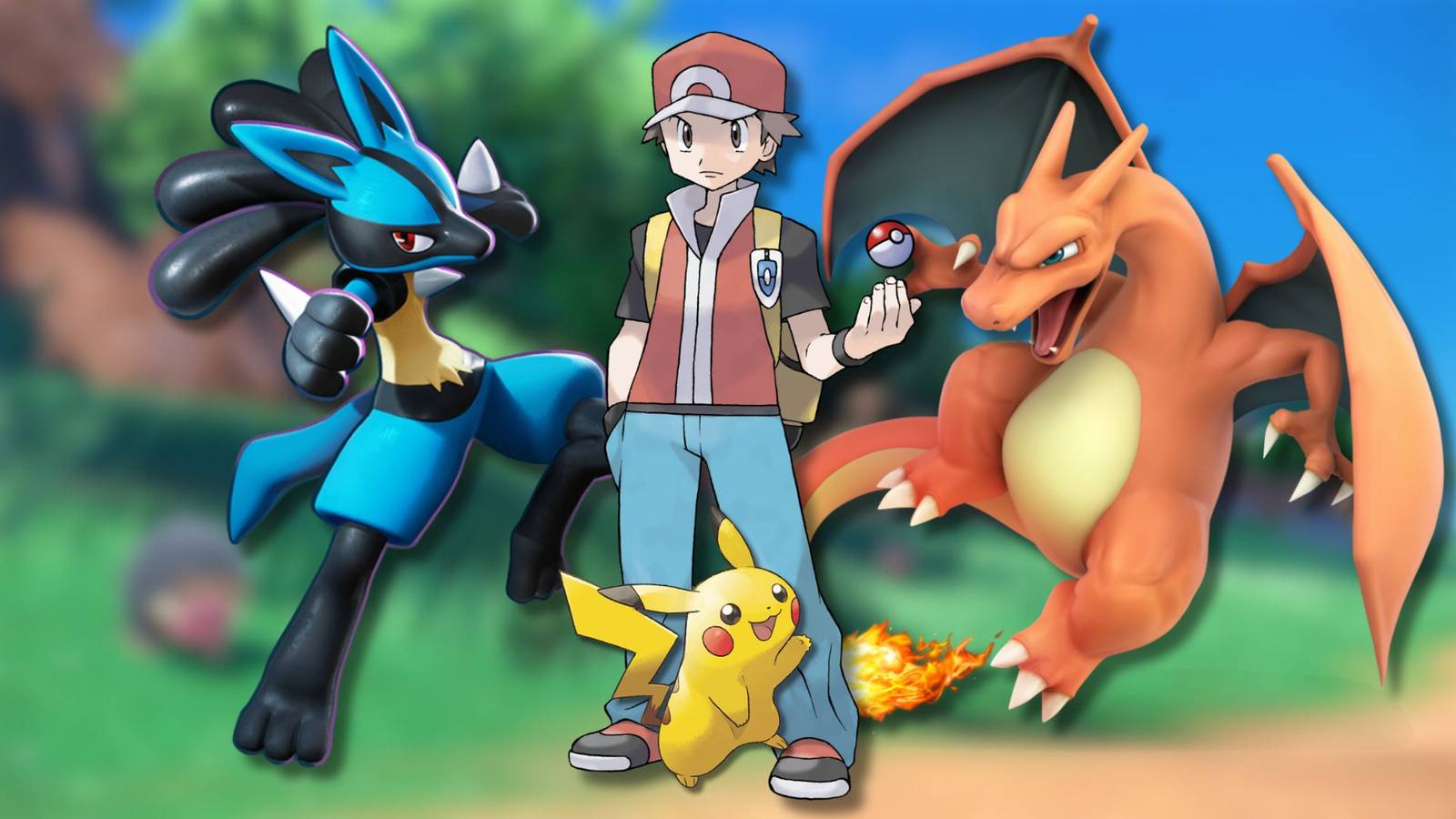
Evaluating the commercial dominance of Pokémon and Disney reveals a complex clash between a gaming-centric media mix juggernaut and a sprawling century-old entertainment empire. While Disney commands massive box office returns, theme parks, and historic cinematic properties, Pokémon reigns supreme as the highest-grossing media franchise in global history through its unparalleled grip on trading cards, video game software, and licensed merchandise sales.
Contents
Understanding the Contenders: Brand Origins and Scope
To understand how Pokémon and Disney compete for market dominance, one must first examine their structural differences. The Walt Disney Company, founded in 1923, operates as a diversified multinational mass media and entertainment conglomerate. Its portfolio spans film studios, animation houses, streaming services, cruise lines, theme parks, and consumer products. Disney builds its empire around timeless storytelling, cinematic universes (such as Marvel and Star Wars), and physical destination experiences that captivate multigenerational audiences.
On the other hand, the Pokémon franchise began in 1996 as a pair of role-playing video games developed by Game Freak for Nintendo’s Game Boy. Conceived by Satoshi Tajiri, the property quickly expanded into a global phenomenon encompassing anime series, theatrical films, competitive video gaming, and the immensely lucrative Pokémon Trading Card Game (TCG). Managed by The Pokémon Company—jointly owned by Nintendo, Game Freak, and Creatures—Pokémon operates primarily on a localized, collaborative licensing model rather than owning massive physical infrastructure like theme parks.
Revenue Generation Models: Retail Products Versus Experiential Media
The financial strategies of Pokémon and Disney diverge sharply, highlighting different pathways to market supremacy. Disney relies heavily on capital-intensive, experiential revenue streams. Box office ticket sales, subscription fees for Disney+, resort admissions, hotel stays, and direct-to-consumer merchandise sales form the backbone of its earnings. When a Disney film performs poorly in theaters or consumer spending dips in travel sectors, the company feels an immediate financial impact across its park and studio segments.
Conversely, Pokémon derives the vast majority of its staggering revenue from retail merchandise licensing. According to industry financial trackers and filings from authorized licensors, retail sales of licensed Pokémon goods consistently outpace box office revenues of almost any film franchise. The Pokémon Trading Card Game alone moves billions of cards annually in dozens of languages, creating a self-sustaining collector economy. Furthermore, digital gaming titles like Pokémon GO and core console releases generate massive, high-margin software revenues without requiring the physical upkeep costs associated with theme park operations.
Media Franchise Market Comparison
| Metric / Category | The Pokémon Company (Pokémon) | The Walt Disney Company (Disney) |
|---|---|---|
| Primary Revenue Driver | Licensed Merchandise & Retail, TCG, Video Games | Theme Parks, Box Office, Streaming, Merchandise |
| Founding Year | 1996 | 1923 |
| Core Medium | Video Games, Trading Cards, Anime | Film, Television, Theme Parks, Consumer Products |
| Estimated Total Franchise Revenue | Over $100 Billion (Historical Aggregate) | Over $100 Billion (Historical Aggregate, Broader Portfolio) |
| Physical Infrastructure | Minimal (Pokémon Centers, Pop-up Events) | Extensive (Global Theme Parks, Resorts, Cruises) |
The Global Merchandise Empire and Retail Dominance
When analyzing which franchise wins the market in terms of sheer consumer products, Pokémon frequently holds the crown. The global licensing industry recognizes Pokémon as a perennial top-earning property. The appeal of collectible creatures transcends language and cultural barriers, allowing plush toys, apparel, stationery, and electronics to sell effortlessly across North America, Europe, Asia, and Latin America.
Disney, while a titan in retail merchandise through its Disney Stores and mass-retail partnerships, splits its focus across hundreds of distinct sub-brands. From Mickey Mouse and Disney Princesses to Pixar, Star Wars, and Marvel, Disney's retail footprint is vast but fractured. Pokémon concentrates its branding power almost entirely on pocket monsters and specific iconic characters like Pikachu, creating a unified retail identity that drives impulse buying among both nostalgic adults and children.
Digital Gaming and Interactive Entertainment
In the realm of interactive entertainment, Pokémon holds a decisive structural advantage. Video games serve as the foundational bedrock of the Pokémon universe. Every core series release guarantees multi-million unit sales, bolstered by a dedicated fan base that purchases hardware and software synchronously. Mobile gaming phenomena like Niantic's Pokémon GO have repeatedly proven the property's ability to generate recurring, high-margin microtransaction revenue on a global scale.
Disney, conversely, has historically struggled to maintain a unified, highly profitable internal video game development studio. After closing several of its internal game studios over the years, Disney transitioned to a licensing model for its intellectual property, partnering with external developers like Electronic Arts, Sony, and Epic Games to produce titles such as Star Wars Jedi or Kingdom Hearts. While lucrative, this approach yields licensing royalties rather than the direct, ecosystem-wide software profits that Nintendo and The Pokémon Company secure.
Cinematic Reach and Storytelling Longevity
While Pokémon dominates retail and gaming, Disney remains peerless in cinematic storytelling and cultural permeation through film. Disney's animation legacy, spanning from Snow White and the Seven Dwarfs to modern Pixar and Walt Disney Animation Studios masterpieces, defines global animation standards. The acquisition of Marvel Studios, Lucasfilm, and 20th Century Fox cemented Disney's control over the modern cinematic landscape, allowing the company to dominate global box office charts for decades.
Pokémon films, while successful in their own right and culturally significant, generally function as extended marketing events for the video games and card sets rather than standalone cinematic blockbusters designed to compete with multi-billion-dollar superhero epics. Pokémon's anime television series spans over a thousand episodes, providing steady, long-form engagement, but it lacks the cultural prestige and box office gravity of Disney's theatrical crown jewels.
Frequently Asked Questions
Which franchise has generated more total revenue historically?
Both franchises sit comfortably in the upper echelon of global wealth generation, with lifetime aggregate revenues exceeding $100 billion each. Depending on how retail sales, box office returns, and licensing royalties are audited year-to-year, Pokémon frequently ranks as the highest-grossing media franchise globally due to its unmatched merchandise sales, while Disney boasts a much larger overall corporate valuation and diversified business model.
Why is Pokémon so much more successful in retail than Disney?
Pokémon maintains a centralized, highly focused brand identity centered on collectible creatures that appeal to completionist psychology. The combination of video games, the trading card game, and uniform merchandise creates a synergistic retail loop where playing the game drives card purchases, which in turn drives toy and apparel sales.
Does Disney own Pokémon?
No. Disney has no ownership stake in Pokémon. The Pokémon franchise is jointly owned by Nintendo, Game Freak, and Creatures Inc., which together form The Pokémon Company. Nintendo handles distribution and holds a substantial equity stake in the property.
How do theme parks impact the market competition between the two?
Theme parks give Disney a massive experiential advantage that Pokémon cannot match at scale. While The Pokémon Company operates permanent Pokémon Centers and occasional themed events or café collaborations in Japan and major international cities, it does not operate full-scale theme parks comparable to Disneyland or Walt Disney World, limiting its capture of the tourism and hospitality market.
Is Pokémon considered a part of Nintendo?
While Pokémon is closely associated with Nintendo—primarily releasing its console games exclusively on Nintendo platforms—Nintendo is not the sole owner. Nintendo owns a significant share of The Pokémon Company alongside Game Freak and Creatures, making it a collaborative enterprise rather than a wholly-owned Nintendo subsidiary.
Conclusion and Market Verdict
Determining a definitive winner depends entirely on the metric being measured. If market dominance is defined by retail merchandise efficiency, trading card ubiquity, and digital gaming integration, Pokémon wins the market. If dominance is measured by cinematic cultural impact, physical entertainment infrastructure, diversified corporate assets, and theme park tourism, Disney takes the crown. Ultimately, both entities represent the pinnacle of modern intellectual property management, proving that imaginative worlds can transcend their original mediums to become permanent fixtures of global commerce.
Image Gallery