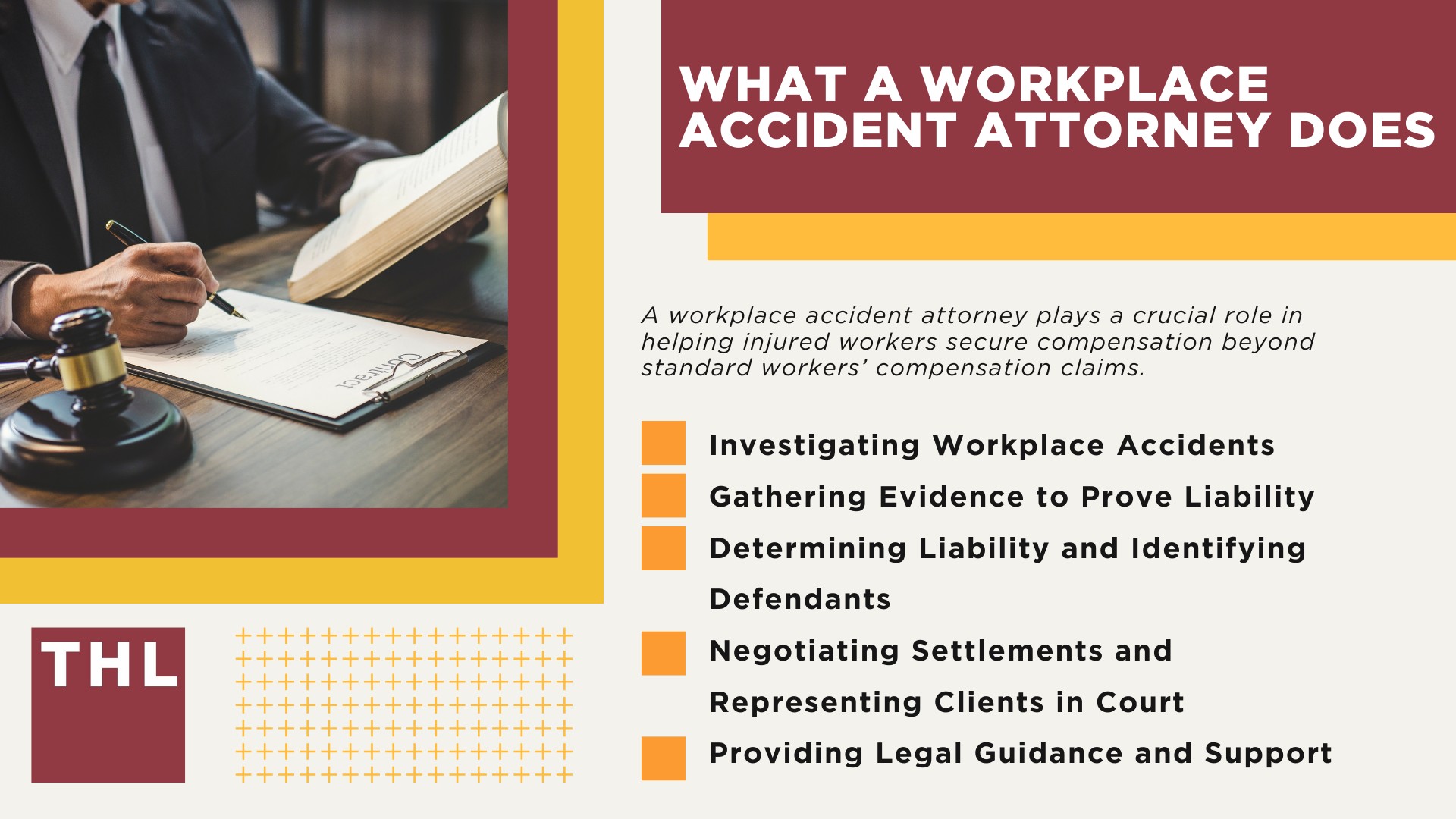
The Role of a Katy Industrial Accident Lawyer: Navigating Complex Claims
A Katy industrial accident lawyer serves as a critical legal advocate for workers injured in high-hazard environments, managing the intersection of complex workers' compensation claims, third-party liability litigation, and strict regu...
A Katy industrial accident lawyer serves as a critical legal advocate for workers injured in high-hazard environments, managing the intersection of complex workers' compensation claims, third-party liability litigation, and strict regulatory compliance. Their primary role is to secure fair financial recovery for medical expenses, lost wages, and long-term disability while holding negligent entities accountable for safety failures in industrial, construction, or manufacturing sectors.
Contents
Understanding the Industrial Landscape in Katy
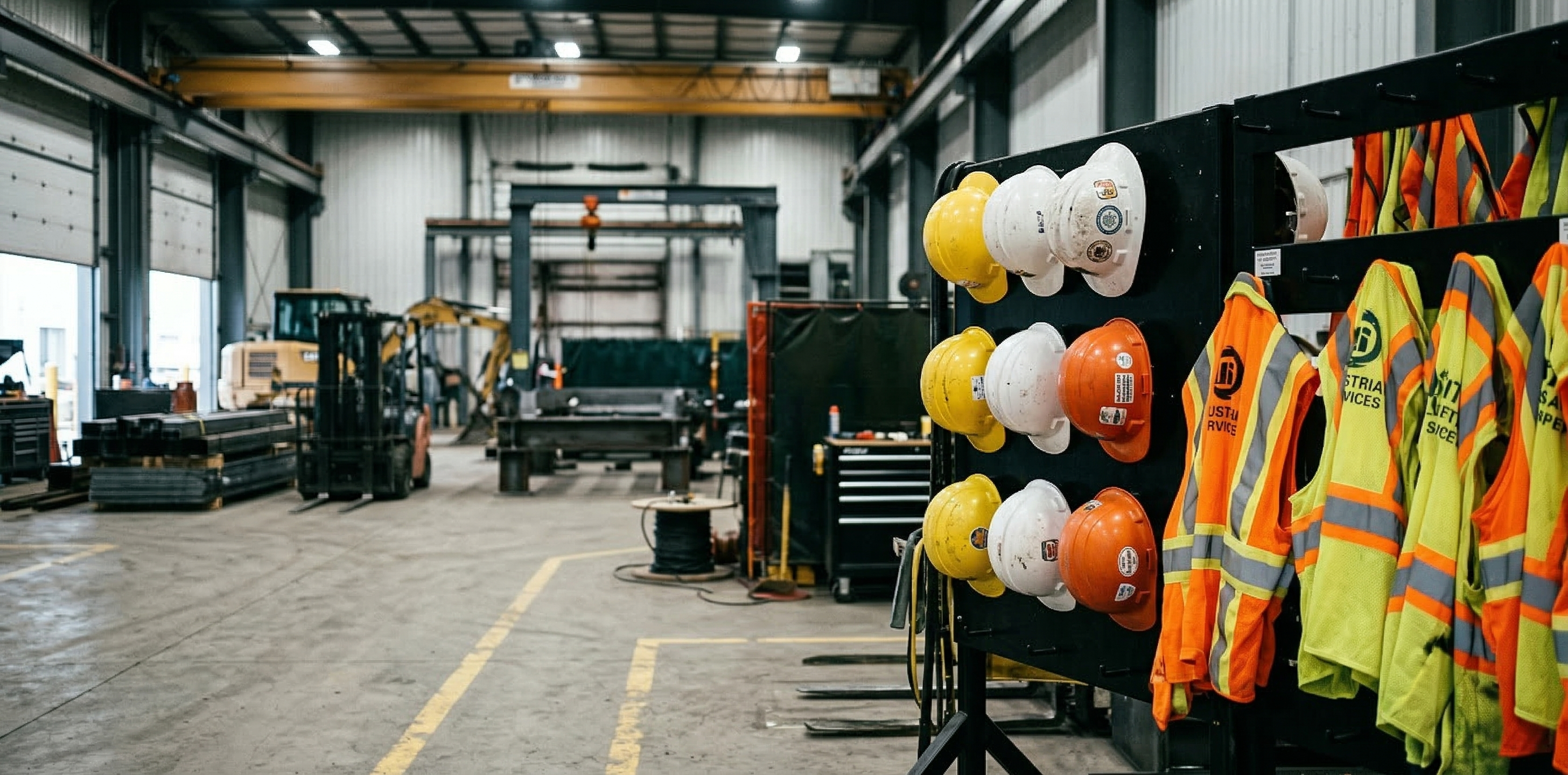
Katy, Texas, sits within a region heavily influenced by oil, gas, manufacturing, and large-scale logistics operations. Industrial work is inherently dangerous; the presence of heavy machinery, chemical processing, and massive transport logistics means that accidents—ranging from chemical burns to crush injuries and equipment failures—are a significant risk. When such incidents occur, the legal framework governing recovery is rarely straightforward.
An industrial accident lawyer in this jurisdiction must possess a dual mastery: they must understand the nuances of the Texas Workers' Compensation Act and the complexities of third-party liability law. Unlike standard personal injury cases, industrial accidents often involve multiple contractors, equipment manufacturers, and safety supervisors, each potentially sharing a degree of fault.
Determining Liability Beyond Workers' Compensation
One of the most vital functions of a lawyer in this space is identifying whether an injured worker is limited to workers' compensation benefits or if they can pursue a "third-party claim."
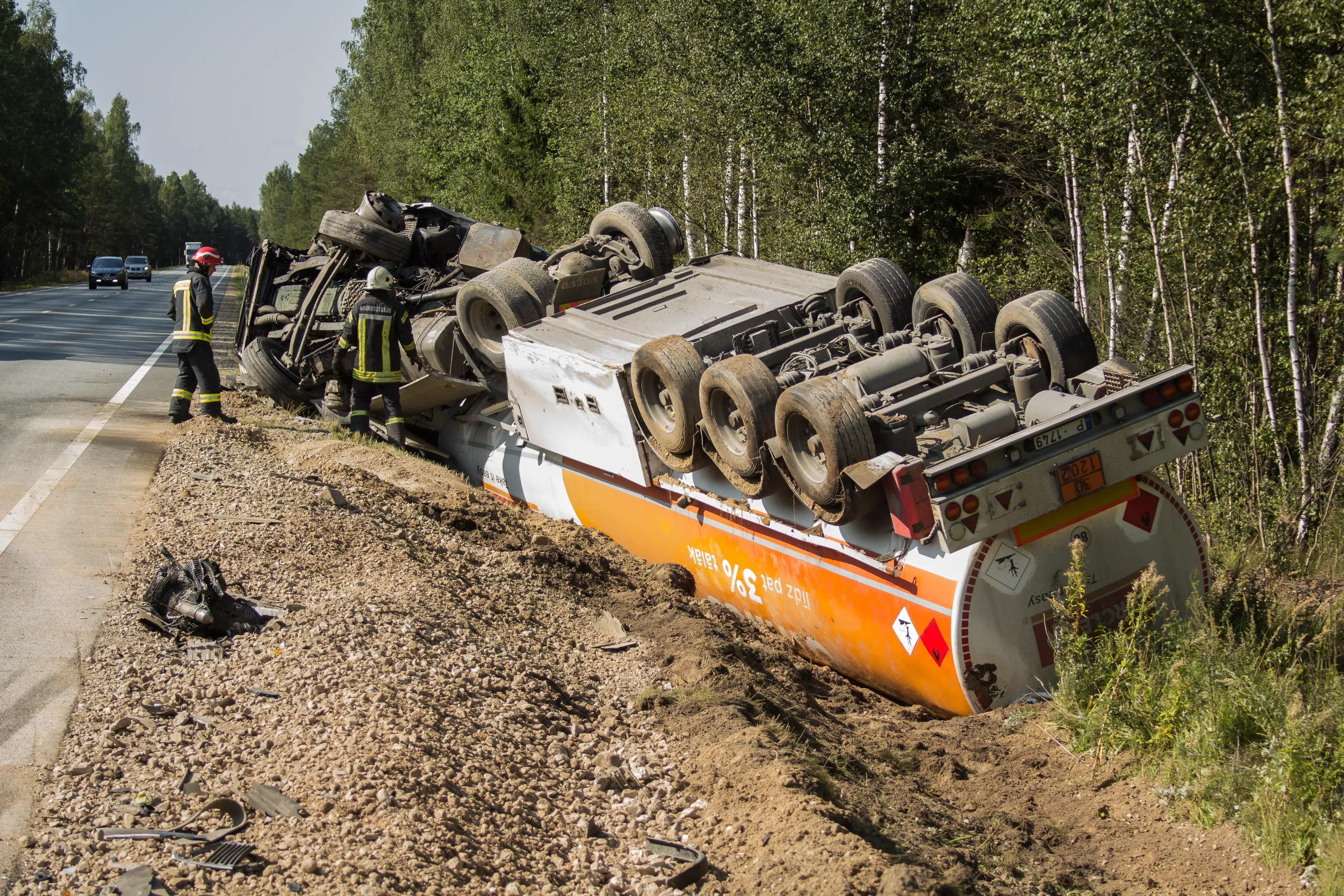
In Texas, employers who subscribe to workers' compensation insurance are generally immune from being sued directly by their employees for negligence. However, this immunity does not extend to third parties. If an accident was caused by a defective machine manufactured by a different company, a negligent subcontractor, or an external truck driver, the industrial accident lawyer investigates these avenues to bypass the "exclusive remedy" rule of workers' compensation. This distinction is often the difference between receiving limited statutory benefits and securing a comprehensive settlement that accounts for pain, suffering, and permanent impairment.
Steps Taken After an Industrial Accident
When a victim engages a lawyer, the legal process typically follows a structured path designed to preserve evidence and maximize the claim's value.
- Immediate Evidence Preservation: Industrial sites are dynamic environments. A lawyer moves quickly to secure accident reports, maintenance logs, OSHA (Occupational Safety and Health Administration) inspection records, and security footage before they are lost or altered.
- Liability Investigation: The firm identifies all entities involved in the site operations. This includes analyzing contracts between the general contractor and subcontractors to determine who bore the legal responsibility for site safety.
- Expert Consultation: Industrial accidents often require technical expertise. Lawyers frequently retain safety engineers, mechanical experts, or toxicologists to recreate the scene and testify to the root cause of the equipment failure or safety breach.
- Claim Development: This involves aggregating medical records and calculating the long-term economic impact of the injury, including future medical costs and loss of earning capacity.
- Negotiation and Litigation: Most cases begin with insurance negotiations. If the insurer refuses to provide a fair settlement, the lawyer prepares for trial, filing complaints and engaging in the discovery process to compel testimony from site managers and corporate officers.
Comparison of Recovery Avenues
| Feature | Workers' Compensation | Third-Party Personal Injury Claim |
|---|---|---|
| Proof Required | No-fault (Injury only) | Negligence (Duty, Breach, Causation) |
| Available Damages | Medical bills and partial wages | Full medical, lost wages, pain/suffering |
| Target Defendant | Employer's insurance carrier | Liable third party (contractor/manufacturer) |
| Timeline | Typically faster, structured | Varies based on litigation complexity |
| Statute of Limitations | Strictly defined filing deadlines | Standard Texas civil statutes |
The Role of OSHA Regulations
Industrial accident lawyers utilize federal and state safety standards—primarily those set by OSHA—as a benchmark for proving negligence. When a site operator fails to adhere to specific safety protocols, such as Lockout/Tagout (LOTO) procedures, inadequate fall protection, or improper handling of hazardous materials, these violations serve as powerful evidence of negligence.
An attorney with experience in this sector can interpret technical OSHA citations and standards to establish that the defendant breached the standard of care. This is not merely about proving that an accident occurred, but proving that the accident was preventable and that a regulatory or industry standard was ignored, leading directly to the client's injury.
Challenges in Industrial Accident Litigation
The primary challenge in these cases is the "corporate shield." Large industrial companies often employ specialized insurance defense teams whose primary goal is to minimize payouts. They may argue that the employee was at fault, that the accident was an "unavoidable tragedy," or that they have no control over the actions of independent contractors on their site.
A seasoned Katy industrial accident lawyer counters these arguments by:
- Piercing the Corporate Veil: Investigating the relationships between parent companies and subsidiaries to ensure the correct entities are named in the lawsuit.
- Aggressive Discovery: Utilizing subpoenas to gain access to internal corporate memos regarding safety budgets and known equipment defects.
- Managing Liens: Ensuring that any medical liens or workers' compensation subrogation interests are handled properly so that the injured party retains as much of the settlement as possible.
Protecting Your Financial Future
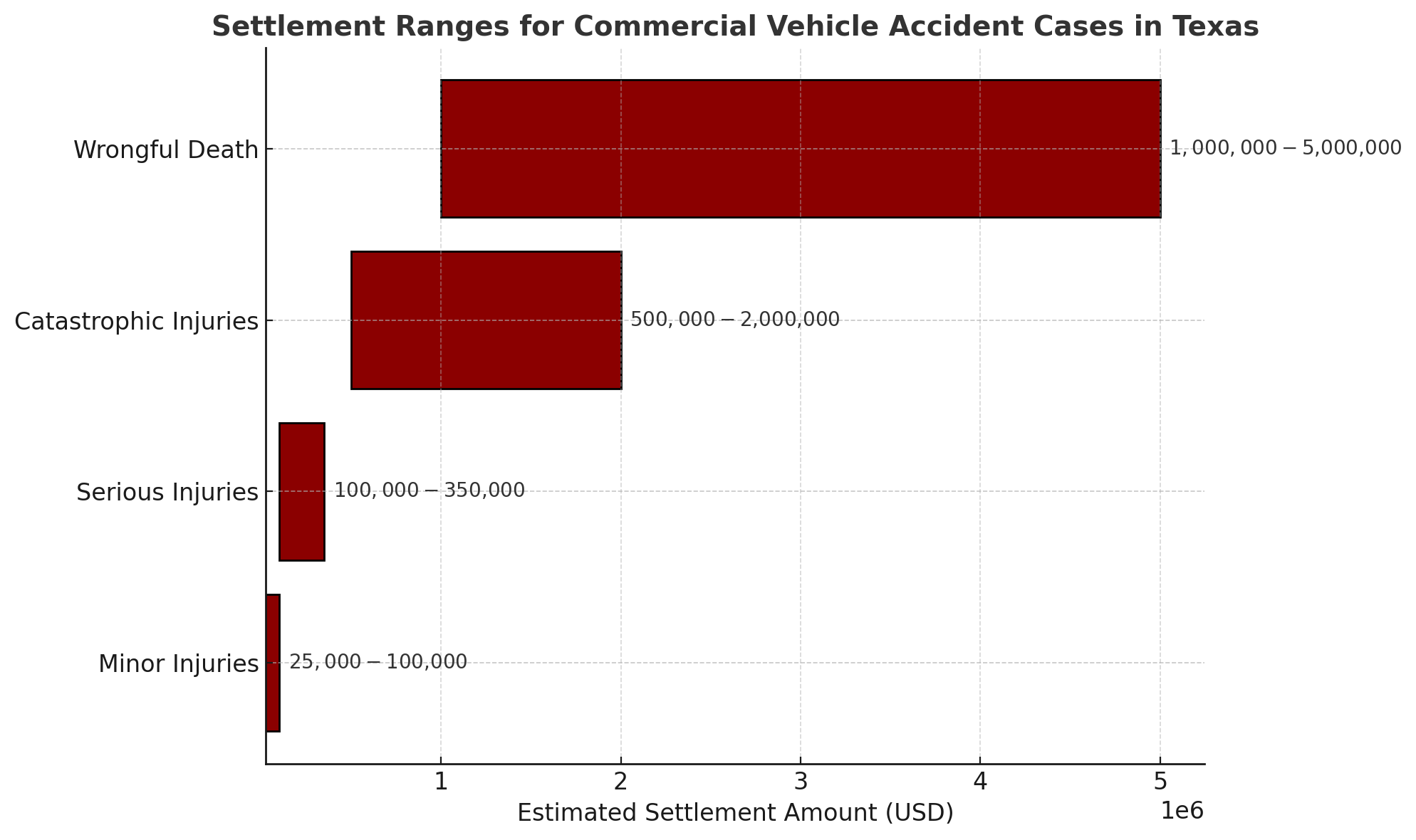
The financial stakes in severe industrial accidents are substantial. Costs often extend far beyond immediate hospital bills; they may include lifetime care, home modifications, and years of lost income. An attorney ensures that a settlement or verdict accounts for inflation and future medical needs, preventing the injured party from running out of funds later in life.
If the injuries are catastrophic—resulting in amputation, brain injury, or spinal damage—the lawyer also assists in life-care planning, working with medical professionals to document exactly what the victim will require for the remainder of their life.
Frequently Asked Questions
1. Can I sue my employer if I get hurt in an industrial accident in Katy? Generally, if your employer carries workers' compensation insurance in Texas, you are barred from suing them directly for negligence. However, if your employer is a "non-subscriber" (they do not carry workers' comp insurance), you can sue them for the full extent of your damages. Regardless of their status, you may still be able to sue third parties for your injuries.
2. How much does it cost to hire an industrial accident lawyer? Most industrial accident lawyers work on a contingency fee basis. This means they do not charge upfront fees. Instead, they receive a percentage of the final settlement or verdict amount. If there is no recovery, the client generally does not owe legal fees.
3. What is the statute of limitations for filing an industrial accident lawsuit in Texas? In Texas, the general statute of limitations for a personal injury claim is two years from the date of the accident. There are narrow exceptions, but failing to file within this window typically results in the permanent loss of the right to seek compensation.
4. What if I was partially at fault for the accident? Texas follows a "proportionate responsibility" rule. You can recover damages as long as you were not more than 50% at fault. However, your total recovery will be reduced by your percentage of responsibility. An attorney works to minimize the percentage of fault assigned to you during the investigation.
5. How do I prove a machine was defective? Proving a product defect requires expert analysis. A lawyer will hire engineers to examine the machinery involved in your accident to determine if it was designed improperly, manufactured with flaws, or lacked adequate warnings and safety guards.
Next Actions for the Injured
If you or a loved one has been involved in an industrial accident, your immediate priority should be medical stabilization. Following that, securing the site and documenting the conditions is essential. Avoid signing any settlement documents provided by an employer or their insurance carrier without legal review, as doing so may waive your right to pursue further claims. Consult with an experienced attorney to evaluate the specific facts of your case and determine the viability of both workers' compensation and third-party liability claims.
Image Gallery