What LMAO Stands For: Meaning, Origin, and Modern Usage
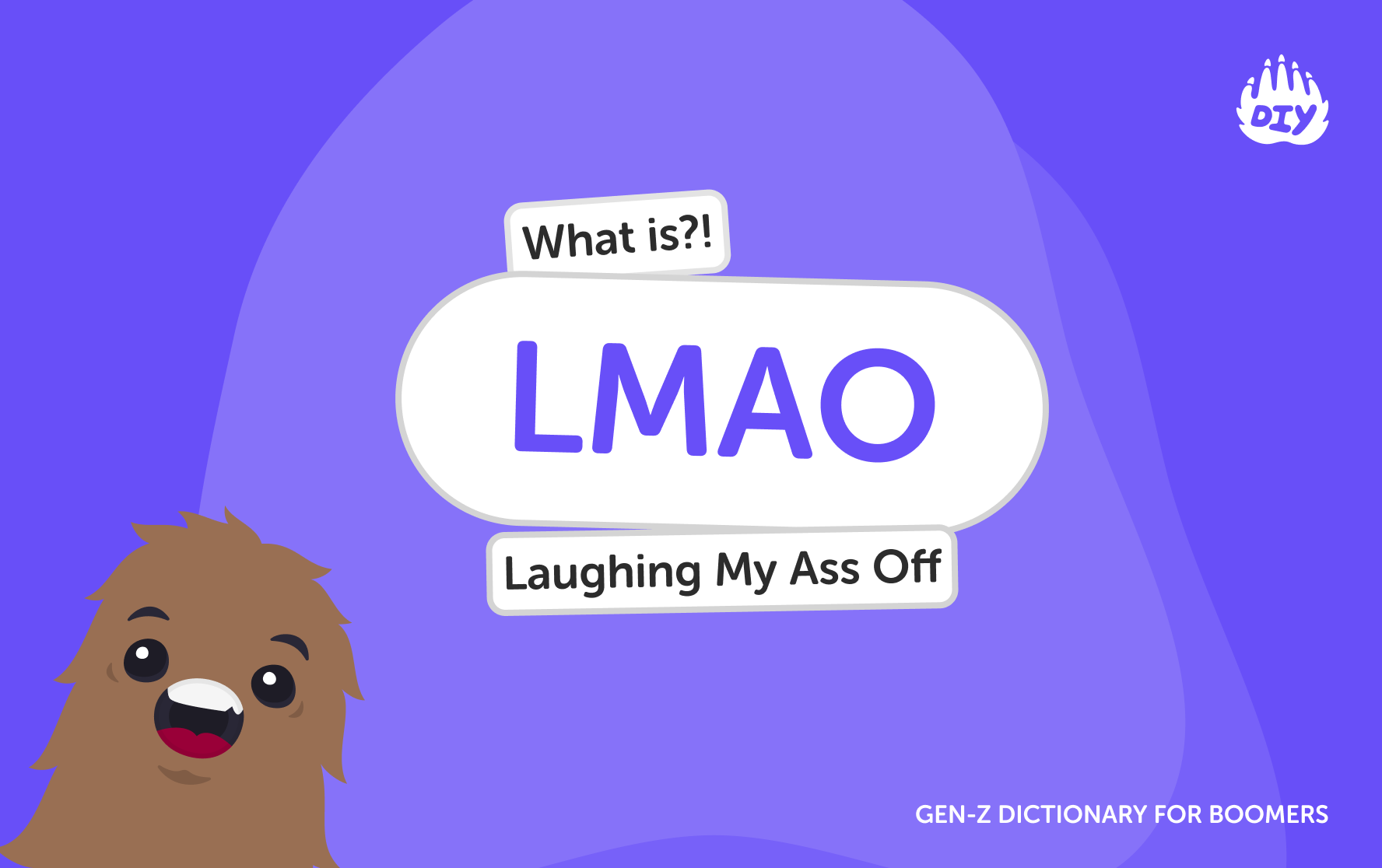
LMAO is a widely recognized internet acronym that stands for Laughing My Ass Off. It is primarily used in digital communication to signal that the sender finds something exceptionally humorous. While it contains a vulgarity, it is gene...
LMAO is a widely recognized internet acronym that stands for Laughing My Ass Off. It is primarily used in digital communication to signal that the sender finds something exceptionally humorous. While it contains a vulgarity, it is generally viewed as a standard expression of intense amusement in casual online settings.
Contents
Understanding the Literal Meaning and Intensity
In the hierarchy of internet laughter, LMAO occupies a tier above the standard "LOL" (Laughing Out Loud). While LOL has evolved into a versatile conversational filler often used to acknowledge a statement without necessarily finding it funny, LMAO implies a more visceral, genuine reaction. By metaphorically suggesting that one is laughing so hard their anatomy is being displaced, the user signals a higher level of comedic impact.
As of 2026, the phrase remains a cornerstone of "textspeak" or "netspeak." Despite its literal phrasing, it is rarely interpreted literally. Instead, it serves as a linguistic intensifier. When a user types "LMAO," they are communicating that a joke, image, or situation has bypassed a simple smile and moved into the realm of a full-body laugh.
The inclusion of the word "ass" technically classifies the term as a vulgarism or mild profanity. Consequently, its appropriateness is dictated by the relationship between the communicators. In informal peer-to-peer messaging, it is ubiquitous and harmless; however, in high-stakes professional environments or formal documentation, it is typically avoided in favor of more neutral descriptors or the safer "LOL."
The Historical Origin and Evolution
The origins of LMAO trace back to the early days of the internet, specifically the burgeoning chat culture of the late 1980s and early 1990s. The first recorded instances of the acronym appear on Internet Relay Chat (IRC) and early bulletin board systems (BBS). According to lexicographical records from the Oxford English Dictionary, the term began to gain significant traction in 1990, alongside other foundational acronyms like ROFL (Rolling On The Floor Laughing).
During the mid-to-late 1990s and early 2000s, the explosion of instant messaging services—such as AOL Instant Messenger (AIM), ICQ, and MSN Messenger—cemented LMAO in the daily lexicon of the first "digital native" generation. During this era, character limits on mobile SMS (Short Message Service) also incentivized the use of acronyms to save space and reduce the cost of multi-part text messages.
By the 2010s, the term transitioned from niche computer-room slang to mainstream culture. It began appearing in television scripts, pop songs (notably the musical group LMFAO), and advertising. In 2026, it is no longer considered "youth slang" specifically, as it is utilized by multiple generations who grew up with digital communication as their primary mode of interaction.
Common Variations and Their Specific Meanings
Like any living language, internet slang evolves through "morphemic" additions. Users often modify LMAO to add emphasis, clarify intent, or increase the perceived volume of the laughter.
- LMFAO (Laughing My Fing Ass Off):* This is the most common intensification. The addition of the "F-word" signals an even higher degree of amusement or shock. It is significantly more vulgar than the base acronym and is used almost exclusively in very close social circles or high-energy social media environments.
- ROTFLMAO (Rolling On The Floor Laughing My Ass Off): A hybrid of ROFL and LMAO. While popular in the early 2000s, this variation is seen less frequently in 2026, often regarded as a bit "retro" or "old school."
- LMAOOOO: The repetition of the final "O" (the "off") is a modern way to indicate a "long" laugh. The more "O's" added to the end, the funnier the user likely found the content. This is particularly prevalent on platforms like X (formerly Twitter), TikTok, and Instagram.
- LMAO / lmao: The use of capitalization often dictates tone. All-caps "LMAO" suggests a loud, sudden outburst of laughter. Lowercase "lmao" is often used more casually, sometimes as a way to soften a sentence or indicate that something is ironic rather than hysterical.
Digital Laughter Intensity Comparison
To understand where LMAO fits within the broader spectrum of online expression, consider the following comparison of intensity and typical use cases.
| Acronym | Full Phrase | Intensity (1–10) | Primary Use Case |
|---|---|---|---|
| LOL | Laughing Out Loud | 2 | Acknowledgment; light amusement; conversational filler. |
| LMAO | Laughing My Ass Off | 7 | Genuine amusement; responding to a joke or funny video. |
| LMFAO | Laughing My F***ing Ass Off | 9 | Extreme amusement; responding to something shocking/hilarious. |
| ROFL | Rolling On The Floor Laughing | 6 | Classic internet humor; slightly dated but still used. |
| LMFHO | Laughing My Freaking Head Off | 4 | A "sanitized" version for younger audiences or stricter environments. |
| Skull Emoji (💀) | "I'm dead" | 10 | The 2026 standard for something so funny it is "lethal." |
Usage and Social Etiquette in 2026
The context in which you use LMAO is just as important as knowing what it stands for. Misapplying the term can lead to social awkwardness or professional friction.
Casual and Social Media Settings
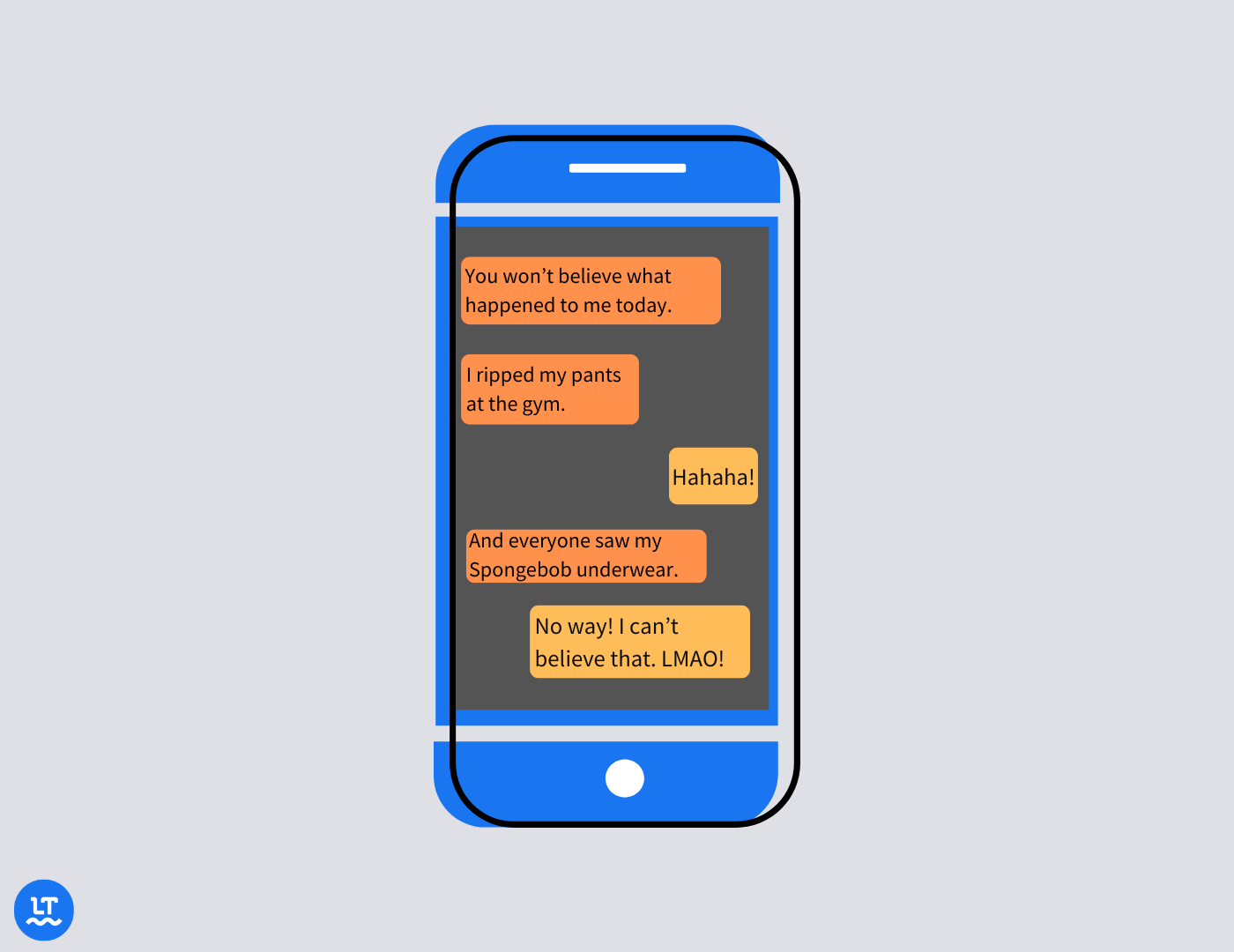
In 2026, LMAO is the default response for humorous content on social media. On platforms like TikTok or YouTube, you will see it in the comments section as a standalone reaction. It is also frequently used in group chats (WhatsApp, iMessage, Discord) among friends. In these settings, there are almost no restrictions on its use, provided the group dynamic is informal.
The Rise of the "Sarcastic LMAO"
A significant shift in the last decade is the use of LMAO to express disbelief, irony, or even mild annoyance. For example, if someone receives an unexpectedly high bill, they might text a friend "LMAO I'm broke." In this context, they aren't actually laughing; they are using the acronym to highlight the absurdity or "dark humor" of their situation. This is often referred to as "dry" or "ironic" LMAO.
Professional and Academic Guidelines
Despite its prevalence, LMAO remains inappropriate for most professional communications. Using it in a corporate email, a formal Slack channel with executive leadership, or a LinkedIn post (unless the brand voice is intentionally edgy) can be perceived as immature or disrespectful. If you must express humor in a professional setting, "LOL" is safer, though many professionals prefer "That is very funny" or a simple "Haha."
Global Variations and Linguistic Impact
While LMAO is an English-based acronym, its influence has spread globally. Many languages have created their own phonetic equivalents or direct translations, while others simply adopt the English version due to the global nature of internet culture.
In Spanish-speaking territories, "jajaja" is the standard phonetic representation of laughter, but "LMAO" is frequently seen in "Spanglish" contexts. In French, "MDR" (Mort De Rire, meaning "Dying of Laughter") serves a similar purpose, yet LMAO is still recognized by younger generations who consume English-language media.
The linguistic significance of LMAO lies in its status as an initialism. It demonstrates how digital communication prioritizes speed and emotional shorthand over traditional grammar. It has paved the way for more abstract expressions of humor, such as the use of the "Skull" or "Crying" emojis to represent laughter, showing a continuous evolution in how humans communicate joy through screens.
Frequently Asked Questions
Is LMAO considered a bad word?
Technically, yes, because it contains the word "ass." However, in the context of the internet, it is considered a "mild" profanity. It is generally not censored on social media platforms, but it is considered inappropriate for formal environments, schools, or professional settings where "business casual" or formal language is expected.
Should I use LMAO in all caps or lowercase?
Both are acceptable, but they carry different "volumes." LMAO (all caps) is usually interpreted as an enthusiastic, loud laugh. lmao (lowercase) is more relaxed and is often used in the middle or end of a sentence as a way to keep the tone light. In 2026, lowercase is often preferred by younger users for everyday conversation as it feels less "aggressive."
What is the difference between LMAO and LMFAO?
The difference is the degree of intensity and the level of profanity. LMFAO includes the word "f***ing," making it much stronger and more vulgar. You should only use LMFAO with people you know very well and in environments where strong language is permitted.
Is LMAO still popular in 2026?
Yes, LMAO remains one of the most resilient acronyms from the early internet era. While other slang terms come and go, LMAO has maintained its status as a core part of digital vocabulary. It is used by Gen X, Millennials, Gen Z, and even Gen Alpha, though each generation may use it with slightly different stylistic preferences.
What is the "safe" version of LMAO?
If you want to express the same level of amusement without using profanity, you can use LML (Laughing My Life), LMHO (Laughing My Head Off), or simply use multiple emojis like the "Face with Tears of Joy" (😂) or the "Rolling on the Floor Laughing" (🤣) emoji.
Recommendation for Use
When deciding whether to use LMAO, evaluate your audience. If you are communicating with friends or posting on a personal social media account, LMAO is a perfectly acceptable and effective way to show you are enjoying yourself. If you are in a professional setting or communicating with someone for the first time, stick to traditional language or the more widely accepted "LOL" to ensure you maintain a professional reputation.
Image Gallery