A Body for Everybody: The Evolution of Universal Design and Fitness Inclusivity
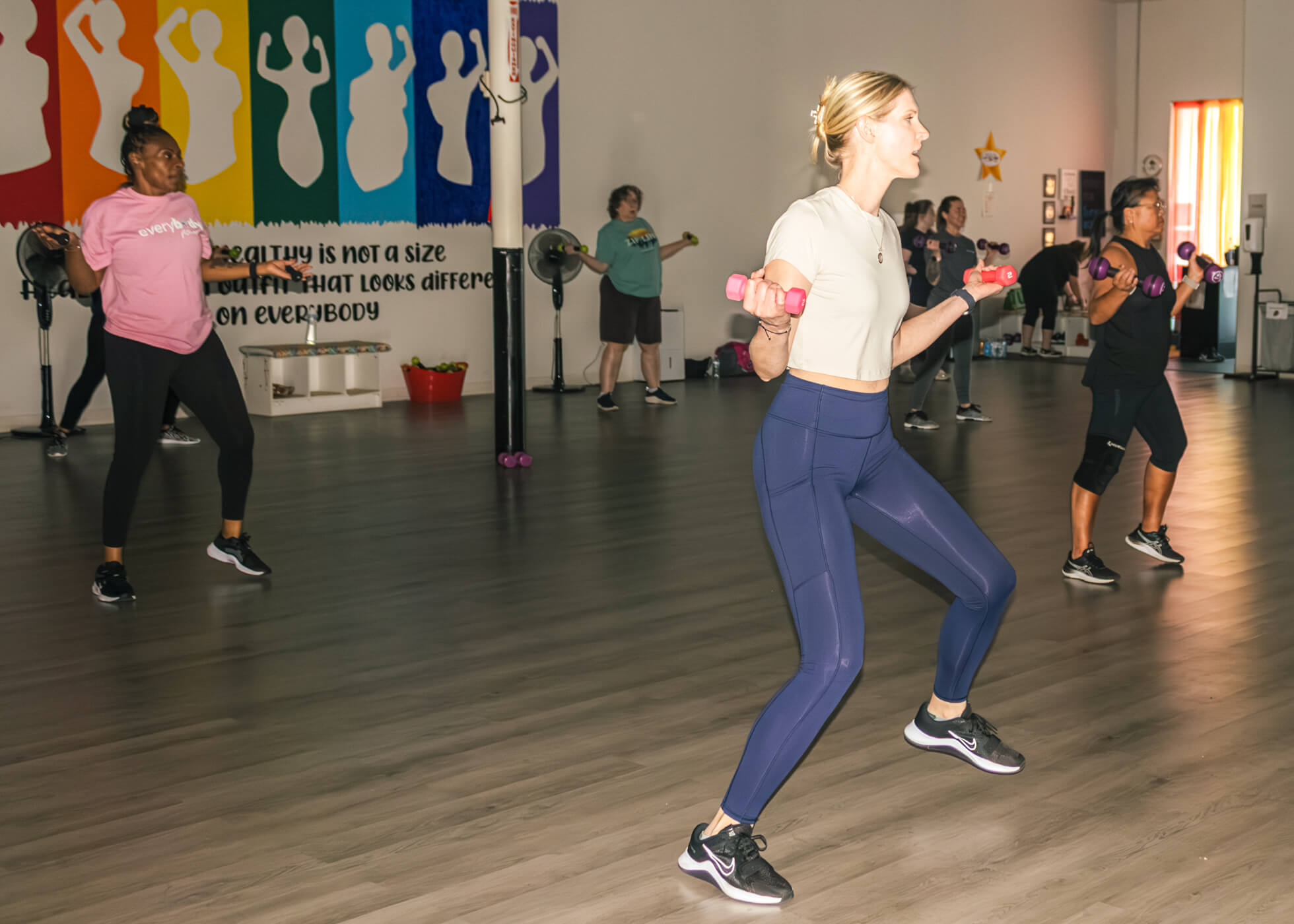
In 2026, "A Body for Everybody" represents a global movement toward universal design in fitness, healthcare, and retail. It is a philosophy ensuring that physical spaces, equipment, and medical representation accommodate all human morp...
In 2026, "A Body for Everybody" represents a global movement toward universal design in fitness, healthcare, and retail. It is a philosophy ensuring that physical spaces, equipment, and medical representation accommodate all human morphologies, abilities, and identities. This framework prioritizes accessibility and adaptive technology to eliminate barriers in the physical and digital wellness landscapes.
Contents
The Shift Toward Anthropometric Diversity in 2026
The concept of "A Body for Everybody" has evolved from a body-positive slogan into a technical standard for designers and health professionals. Historically, design standards were based on a narrow "average" anthropometric model—typically a young, able-bodied male. By 2026, this outdated "Reference Man" model has been largely replaced by diverse data sets that account for variations in height, weight, limb functionality, and neurodivergence.
This shift was significantly influenced by the Science Museum Group’s historical research into anatomical models, which highlighted how exclusionary medical teaching tools once were. Today, the "A Body for Everybody" framework requires that public health initiatives and private fitness enterprises validate their offerings against a broader spectrum of human existence. This involves using 3D body scanning technology and AI-driven ergonomics to ensure that a product or environment is truly functional for the 15% of the global population living with disabilities, as well as the aging population.
Core Principles of Universal Design for the Body
To implement the "A Body for Everybody" standard, developers and architects follow the Principles of Universal Design, adapted for 2026’s technological capabilities. These principles ensure that an environment does not require a specific "type" of body to be navigated successfully.
- Equitable Use: The design is useful and marketable to people with diverse abilities. In a gym setting, this means a piece of equipment is not "segregated" into a disabled section but is designed to be used by everyone.
- Flexibility in Use: The design accommodates a wide range of individual preferences and abilities. For example, adjustable-height workstations and machines that offer both seated and standing configurations.
- Simple and Intuitive Use: Use of the design is easy to understand, regardless of the user's experience, knowledge, language skills, or current concentration level.
- Perceptible Information: The design communicates necessary information effectively to the user, regardless of ambient conditions or the user's sensory abilities (e.g., haptic feedback on treadmills for the visually impaired).
- Tolerance for Error: The design minimizes hazards and the adverse consequences of accidental or unintended actions.
- Low Physical Effort: The design can be used efficiently and comfortably and with a minimum of fatigue.
- Size and Space for Approach and Use: Appropriate size and space is provided for approach, reach, manipulation, and use regardless of user's body size, posture, or mobility.
Technical Specifications for Inclusive Fitness Environments
For fitness facility operators in 2026, achieving the "A Body for Everybody" certification requires meeting specific technical thresholds. These go beyond basic ADA (Americans with Disabilities Act) compliance, focusing on the actual "usability" of the space.
Equipment Interoperability
Modern fitness equipment now utilizes the Universal Console Standard, allowing users to plug in their own assistive devices. Whether it is a wheelchair-integrated rowing machine or a stationary bike with a low-entry "step-through" design (maximum 5-inch threshold), the goal is to reduce the "physical cost" of entry. Cable machines must feature weight stacks that can be adjusted from a seated position, and resistance increments must include "micro-loading" (0.5kg to 1kg) to accommodate those in physical therapy or those with limited muscle density.
Spatial Logistics and Surface Materiality
A truly inclusive facility must maintain a minimum of 60 inches (1525mm) of clear floor space between equipment rows to allow for a 360-degree wheelchair turn. Furthermore, flooring materials in 2026 are evaluated for both shock absorption and "rolling resistance." A surface that is too soft may be great for high-impact aerobics but can become a trap for manual wheelchair users. The industry standard now favors multi-density vulcanized rubber that provides grip without hindering mobility aids.
Adaptive Apparel and the "Body-Ready" Movement
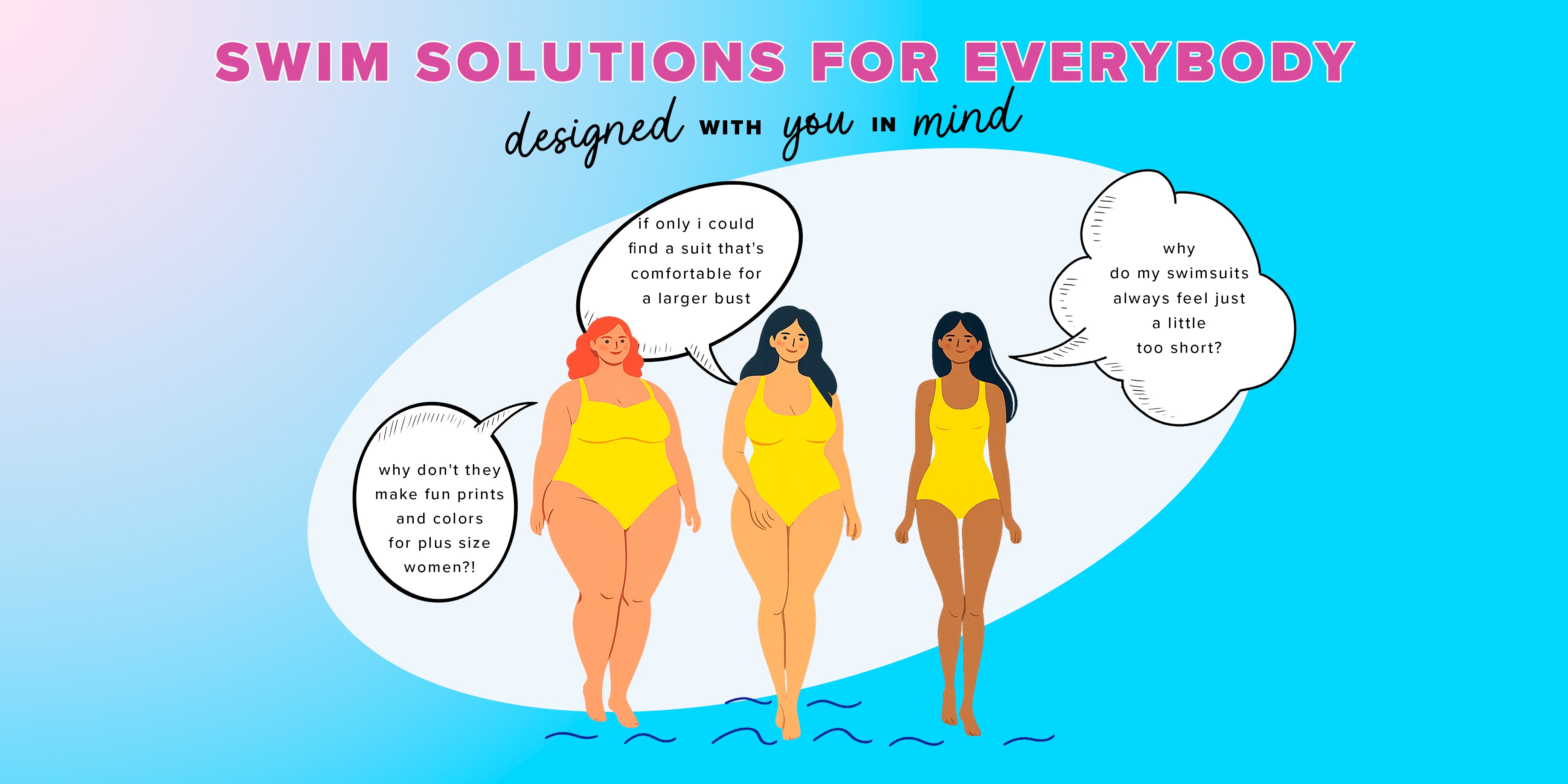
The "A Body for Everybody" movement has revolutionized the $400 billion global activewear market. By 2026, adaptive clothing is no longer a niche category but a standard offering. This includes garments with magnetic closures instead of zippers for those with limited dexterity, and seamless construction to prevent skin breakdown in users who remain seated for long periods.
Retailers have moved away from the "static mannequin." In 2026, the Science Museum Group's earlier work on diverse anatomical representation has manifested in retail displays that feature mannequins with prosthetics, scoliosis, and varying BMIs. This representation is not merely aesthetic; it serves a functional purpose in showing how technical fabrics perform on different skeletal structures.
| Feature | Standard Design (Pre-2020) | Inclusive Design (2026) |
|---|---|---|
| Sizing Logic | Linear (Small to XL) | Volumetric & Proportion-based |
| Equipment Access | Fixed seating; high step-over | Removable seats; zero-threshold |
| Digital Interface | Touchscreen only | Voice, Haptic, and High-Contrast |
| Changing Rooms | Narrow stalls; high benches | Universal stalls; hoist-compliant |
| Lighting/Sound | High-intensity; loud music | Sensory-neutral zones; acoustic dampening |
Legislative and Economic Drivers of Inclusivity
In 2026, the economic argument for "A Body for Everybody" is undeniable. The "Purple Pound" (the spending power of disabled households) continues to grow, and businesses that fail to adapt face both lost revenue and legal risks.
In the European Union, the European Accessibility Act (EAA), which reached full enforcement in mid-2025, now mandates that digital and physical services—including banking, e-commerce, and fitness apps—must be accessible. In the United States, the Department of Justice has tightened Title III of the ADA to include more rigorous standards for digital wellness platforms. This means that a fitness app must be compatible with screen readers and offer closed captioning for all instructional videos to legally operate in the 2026 market.
Psychological Impacts of Universal Representation
Beyond the physical and legal requirements, the "A Body for Everybody" framework addresses the "belonging gap." When individuals see their body type represented in medical literature, gym advertisements, and health data, their "health agency"—the belief that they can influence their own health outcomes—increases significantly.
In 2026, healthcare providers use Inclusive Anatomical Atlases that represent various ethnicities and body shapes. This reduces diagnostic bias, as medical students are trained to recognize symptoms (like skin rashes or cyanosis) on all skin tones and subcutaneous fat levels. This comprehensive approach ensures that "Everybody" is not just a slogan, but a clinical reality.
Frequently Asked Questions
What does "A Body for Everybody" mean in a practical sense?
It refers to the design and implementation of environments, products, and services that are usable by everyone, regardless of their physical ability, size, or age. Practically, it means a gym where every machine is accessible to a wheelchair user, or a retail store where clothing is designed for both standing and seated postures.
How do I know if a fitness facility is truly inclusive?
A truly inclusive facility in 2026 will typically hold a Universal Access Certification. Look for features such as 60-inch clearances between equipment, adjustable-height reception desks, braille and high-contrast signage, and equipment with "Easy-Access" branding that allows for various entry points.
Is inclusive design more expensive for business owners?
While there is an initial investment in adaptive equipment and spatial planning, the long-term ROI is higher. By 2026, businesses that adopt "A Body for Everybody" principles tap into a larger market share and experience lower turnover. Furthermore, universal design often reduces maintenance costs by utilizing more durable, modular components.
Does "A Body for Everybody" apply to digital platforms?
Yes. Digital inclusivity is a cornerstone of the movement. This includes ensuring that wellness websites and apps meet WCAG 2.2 (Web Content Accessibility Guidelines) standards, providing alt-text for images, keyboard-only navigation, and avoiding "seizure-triggering" flashing content.
What role did the Science Museum Group play in this?
The Science Museum Group’s "A Body for Everybody" project was a pivotal historical and cultural study that examined how the human body has been represented in science and society. It helped challenge the "idealized" body standards of the past, paving the way for the diverse and inclusive design standards we use in 2026.
Recommended Action for 2026
To align with the "A Body for Everybody" standard, individuals and organizations should conduct an Accessibility Audit. For business owners, this involves hiring a certified universal design consultant to evaluate physical flow and digital assets. For individuals, it means supporting brands and facilities that prioritize inclusive certifications. As we move through 2026, the goal is to move beyond "accommodation" and toward a world where the environment is inherently designed for the diversity of the human form.
Image Gallery