Why Are Alligators Less Aggressive Than Crocodiles?
Alligators are generally less aggressive than crocodiles primarily due to their evolutionary history, habitat requirements, and dietary preferences. Crocodiles have evolved in more competitive, saline environments that demand high terr...
Alligators are generally less aggressive than crocodiles primarily due to their evolutionary history, habitat requirements, and dietary preferences. Crocodiles have evolved in more competitive, saline environments that demand high territoriality and opportunistic hunting, whereas alligators typically occupy stable freshwater ecosystems where they exhibit more cautious, "specialist" predatory behaviors toward larger threats, including humans.
Contents
Understanding the Fundamental Differences in Aggression
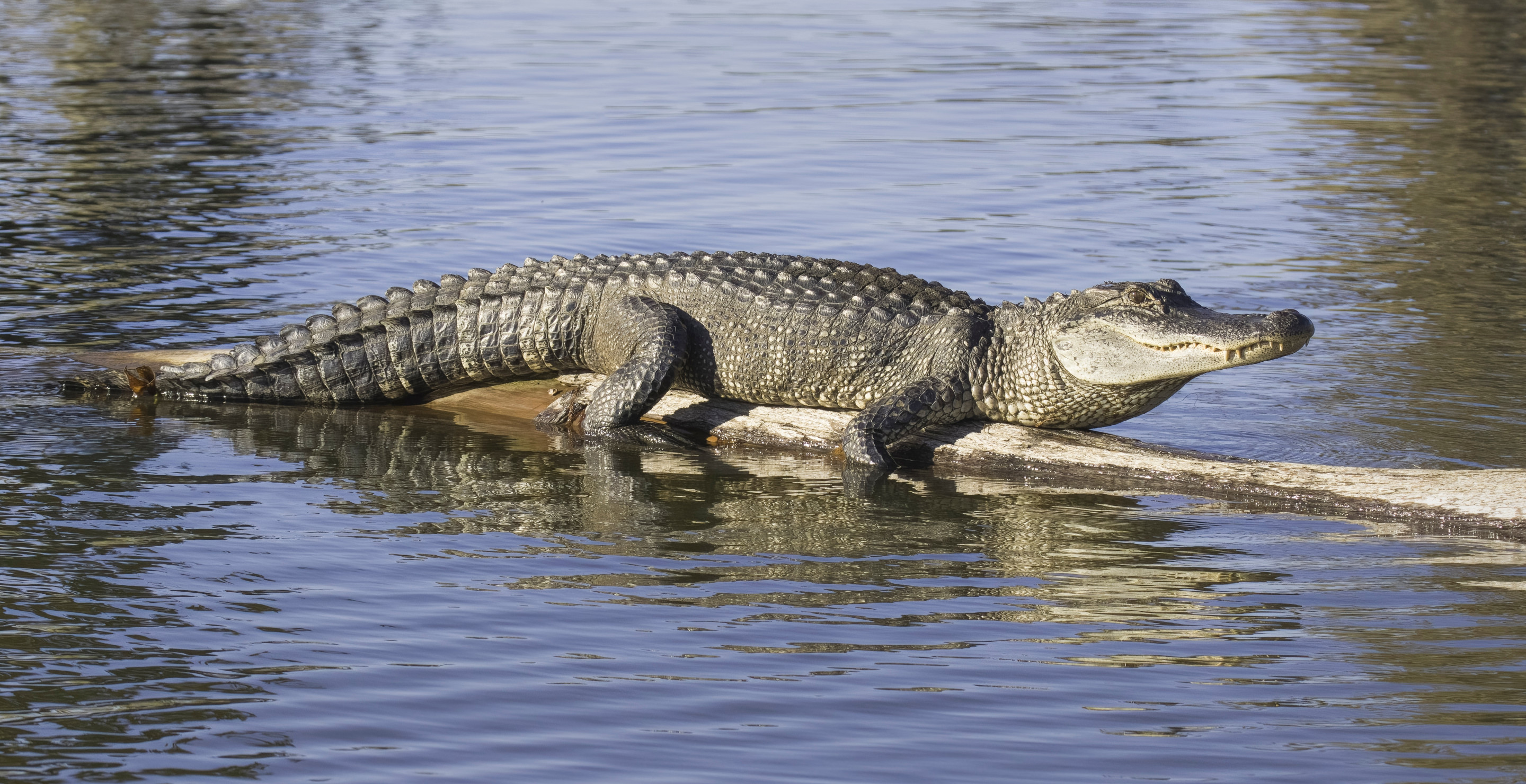
While both alligators and crocodiles belong to the order Crocodylia, they branched off from a common ancestor roughly 80 million years ago. This long period of separation has resulted in distinct behavioral profiles. In the wild, alligators—specifically the American Alligator (Alligator mississippiensis)—are known for being relatively shy. They tend to flee from human presence unless they are cornered, protecting a nest, or have been conditioned to associate humans with food.
In contrast, several species of crocodiles, most notably the Nile Crocodile (Crocodylus niloticus) and the Saltwater Crocodile (Crocodylus porosus), are notoriously aggressive. These species do not merely defend themselves; they are active predators that may view humans as viable prey. As of 2026, wildlife biologists continue to categorize these differences not just as "personality quirks" but as essential survival mechanisms dictated by their respective environments.
Evolutionary Pressures and Habitat Influence
The primary driver behind the differing aggression levels is the environment in which these reptiles evolved. Crocodiles are found across Africa, Asia, the Americas, and Australia. Many species are equipped with specialized salt glands on their tongues, allowing them to thrive in brackish and saltwater environments. This ability to traverse the ocean and inhabit diverse coastal regions has exposed crocodiles to a wider variety of competitors and a more transient prey base.
The Generalist vs. Specialist Strategy
Crocodiles are considered "generalist" predators. Because their environments can be volatile, they have evolved to strike at almost anything that moves. This "eat now, ask questions later" biological programming is a safeguard against starvation in unpredictable coastal or riverine habitats.
Alligators, conversely, are primarily restricted to freshwater environments like swamps, marshes, and lakes. These ecosystems are often more stable and nutrient-rich, allowing alligators to be more selective. They are "specialists" that primarily target fish, turtles, and small mammals. Because their environment provides a consistent food source, the evolutionary "need" to attack large, unfamiliar land animals (like humans) is significantly lower than it is for a Saltwater Crocodile.
Physiological Factors: Size and Bite Force
Size plays a massive role in the confidence and aggression of a reptile. While a large American Alligator can reach 14 feet, the Saltwater Crocodile can exceed 20 feet and weigh over 2,000 pounds. As of 2026, the Saltwater Crocodile remains the largest living reptile on Earth.
Mechanical Advantages
The physical structure of the snout also influences how these animals interact with their surroundings:
- The Alligator Snout: Wide and U-shaped, designed for crushing the shells of turtles and invertebrates. This shape is powerful but slightly less effective at gripping and tearing large, struggling mammalian prey compared to the crocodile's design.
- The Crocodile Snout: V-shaped and pointed. This shape is an aerodynamic and hydrodynamic masterpiece designed for a "generalist" diet. It allows the crocodile to snag a wider variety of prey, from fish to large wildebeests, with a grip that is difficult to break.
A crocodile's bite force is also generally higher across comparable sizes. For instance, a large Nile Crocodile can exert a pressure of nearly 5,000 pounds per square inch (psi), whereas an alligator typically tops out around 2,900 psi. This physical superiority contributes to a "boldness" in crocodiles that alligators simply do not possess.
Territoriality and Social Hierarchy
Crocodiles exhibit much higher levels of intra-species aggression. In many crocodile habitats, space is at a premium, and the competition for prime basking spots or nesting sites is fierce. This constant state of conflict with their own kind bleeds over into their interactions with other species. A crocodile's territory is an area it is prepared to defend against any intruder, regardless of size.
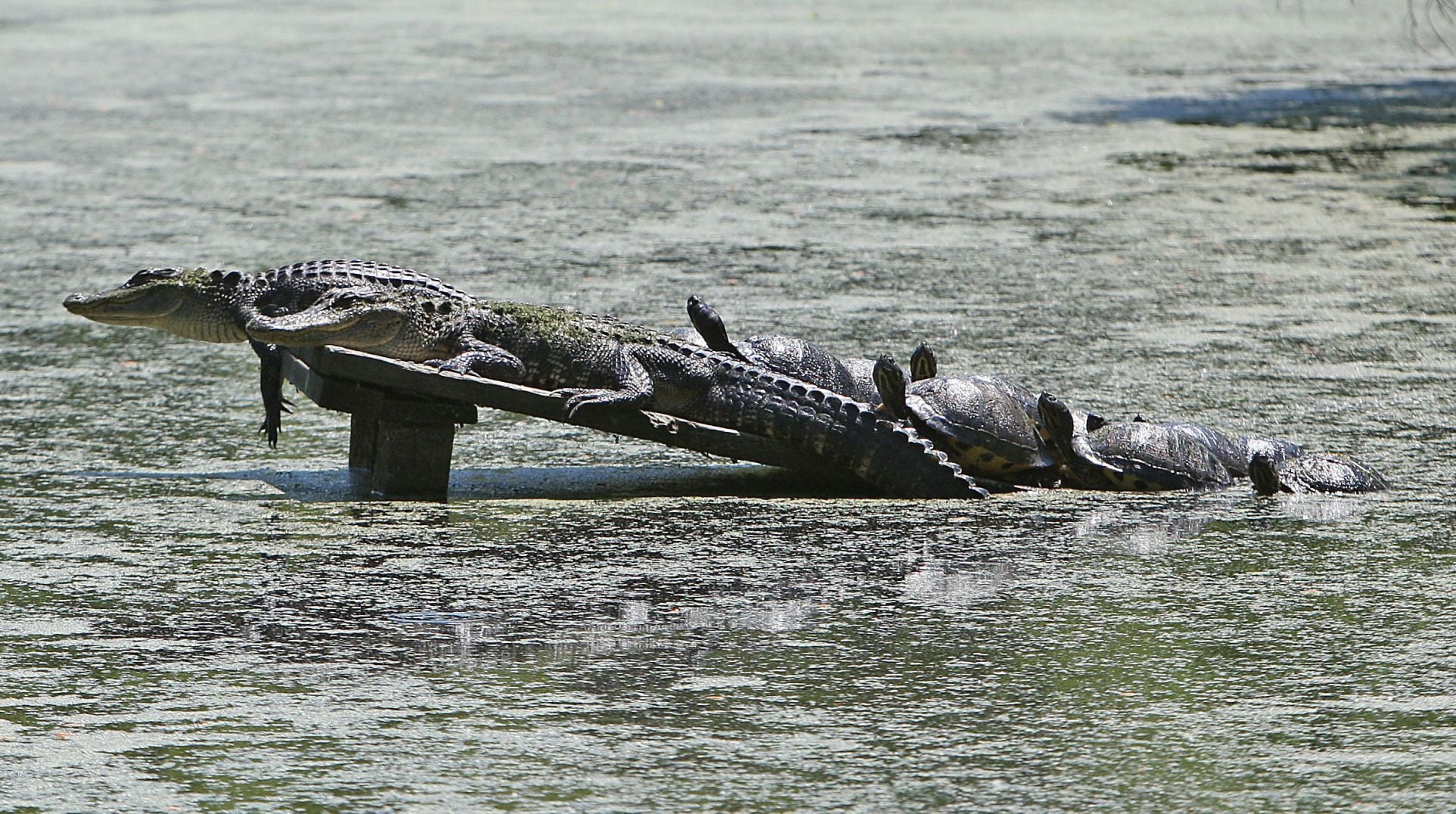
Alligators are surprisingly social for apex predators. In places like the Florida Everglades, it is common to see dozens of alligators basking in close proximity with very little friction. While they do have a hierarchy, it is usually maintained through subtle displays rather than the violent "death rolls" and bone-crushing bites seen in territorial crocodile disputes.
Comparing Alligators and Crocodiles in 2026
The following table summarizes the key distinctions that contribute to the differing levels of aggression observed between these two families of reptiles.
| Feature | American Alligator | Nile/Saltwater Crocodile |
|---|---|---|
| Primary Habitat | Freshwater (Swamps, Lakes) | Saltwater, Brackish, & Freshwater |
| Average Temperament | Cautious, avoids humans | Highly aggressive, territorial |
| Snout Shape | Wide, U-shaped | Pointed, V-shaped |
| Salt Glands | Non-functional | Highly functional |
| Dietary Approach | Specialist (Turtles, Fish) | Generalist (Anything that moves) |
| Max Length | Approx. 14–15 feet | 20+ feet (Saltwater species) |
| Human Fatalities | Rare (usually defensive) | Frequent (predatory) |
The Role of Osmoregulation
One of the more technical reasons for the difference in behavior involves osmoregulation—the way the animal manages salt and water balance in its body. Crocodiles have lingual salt glands that actively pump excess salt out of their systems. This allows them to live in the ocean for extended periods.
Life in the open ocean or shifting estuaries is stressful and requires high energy expenditure. Biologists have noted that animals living in high-stress, high-competition environments often display more proactive aggression as a survival trait. Alligators lack functional salt glands; if they stay in saltwater too long, they become dehydrated and weak. By staying in the "easier" freshwater environments, alligators have not had to develop the same level of hyper-aggression required to survive the rigors of the sea.
Human Interaction and Fatality Statistics
To truly understand why alligators are considered "less aggressive," one must look at the historical and current data regarding human encounters. In the United States, where alligators are most prevalent, fatal attacks are statistically rare, averaging about one per year across the entire country. Most alligator bites occur when a human accidentally steps on one or when an alligator has been fed by humans, losing its natural fear.
In contrast, the Nile Crocodile is responsible for hundreds (some estimates suggest thousands) of fatalities annually across sub-Saharan Africa. Similarly, the Saltwater Crocodile in Southeast Asia and Australia is known to actively stalk humans near the water's edge. In 2026, conservation efforts emphasize that while alligators should be respected, crocodiles must be actively feared in their native habitats because they are one of the few animals on Earth that truly view humans as a food source.
Frequently Asked Questions
Are alligators ever more aggressive than crocodiles?
Generally, no. However, a female alligator guarding her nest is extremely dangerous and will display aggression levels comparable to a crocodile. Additionally, during the mating season (typically May and June), male alligators become more territorial and irritable, though they still lack the predatory drive toward humans seen in crocodiles.
Can an alligator and a crocodile live in the same place?
South Florida is the only place in the world where both American Alligators and American Crocodiles coexist. Even here, the American Crocodile (Crocodylus acutus) is notably more reclusive than its Nile or Saltwater cousins, yet it still tends to be more high-strung and reactive than the local alligators.
If alligators are less aggressive, is it safe to swim with them?
Absolutely not. "Less aggressive" is a relative term. An alligator is still a powerful apex predator capable of inflicting fatal injuries. Even if they do not intend to eat a human, they may strike out of fear or confusion. As of 2026, wildlife authorities strictly advise maintaining a distance of at least 60 feet from any crocodilian.
Why do crocodiles stay in the water while alligators often bask on banks?
Both animals bask to regulate their body temperature (ectothermy). However, crocodiles are more likely to stay partially submerged or near the edge of deeper water to facilitate a quick strike. Alligators, feeling more secure in their freshwater environments, are often seen sunning themselves on golf courses or canal banks, showing a level of comfort around human infrastructure that crocodiles rarely exhibit.
Does temperature affect their aggression?
Yes. All crocodilians are more active and potentially more aggressive in warmer temperatures. Their metabolism is tied to external heat. In the cooler months, alligators become lethargic and may stop eating entirely, whereas crocodiles in tropical climates remain active and aggressive year-round.
Final Recommendations for Coexistence
When living in or visiting areas inhabited by these reptiles, the most important rule is to never feed them. Feeding an alligator destroys its natural wariness of humans, creating a "nuisance animal" that must eventually be euthanized.
If you encounter an alligator or crocodile:
- Maintain Distance: Keep at least 60 feet away.
- Keep Pets Away from the Water: Small dogs and cats are the exact size of an alligator's natural prey.
- Swim Only in Designated Areas: Avoid swimming at dusk or dawn when these reptiles are most active.
- Respect the Territory: If you see a nest (a mound of vegetation), leave the area immediately.
By understanding that alligators are evolutionary specialists geared toward caution rather than the high-stakes generalist aggression of the crocodile, we can better manage our interactions with these ancient survivors.
Image Gallery