Understanding What Is Powder Coat Finish: A Comprehensive Guide
A powder coat finish is a dry, solvent-free finishing process where finely ground particles of pigment and resin are electrostatically charged and sprayed onto a grounded metal surface. Once applied, the part is cured in an oven, causi...
A powder coat finish is a dry, solvent-free finishing process where finely ground particles of pigment and resin are electrostatically charged and sprayed onto a grounded metal surface. Once applied, the part is cured in an oven, causing the powder to melt and fuse into a durable, uniform, and chemically resistant protective layer that outperforms traditional liquid paint.
Contents
The Mechanics of Powder Coating
To understand how a powder coat finish functions, one must first look at the application process. Unlike liquid paints that rely on solvents to carry pigments, powder coating uses a purely mechanical and electrical application method.
The process begins with thorough surface preparation. If a part is not cleaned of oils, rust, or existing coatings, the powder will fail to adhere properly, leading to "outgassing" or flaking. Once the metal is clean, it is often treated with a chemical conversion coating, such as iron phosphate or zinc phosphate, to improve adhesion and corrosion resistance.
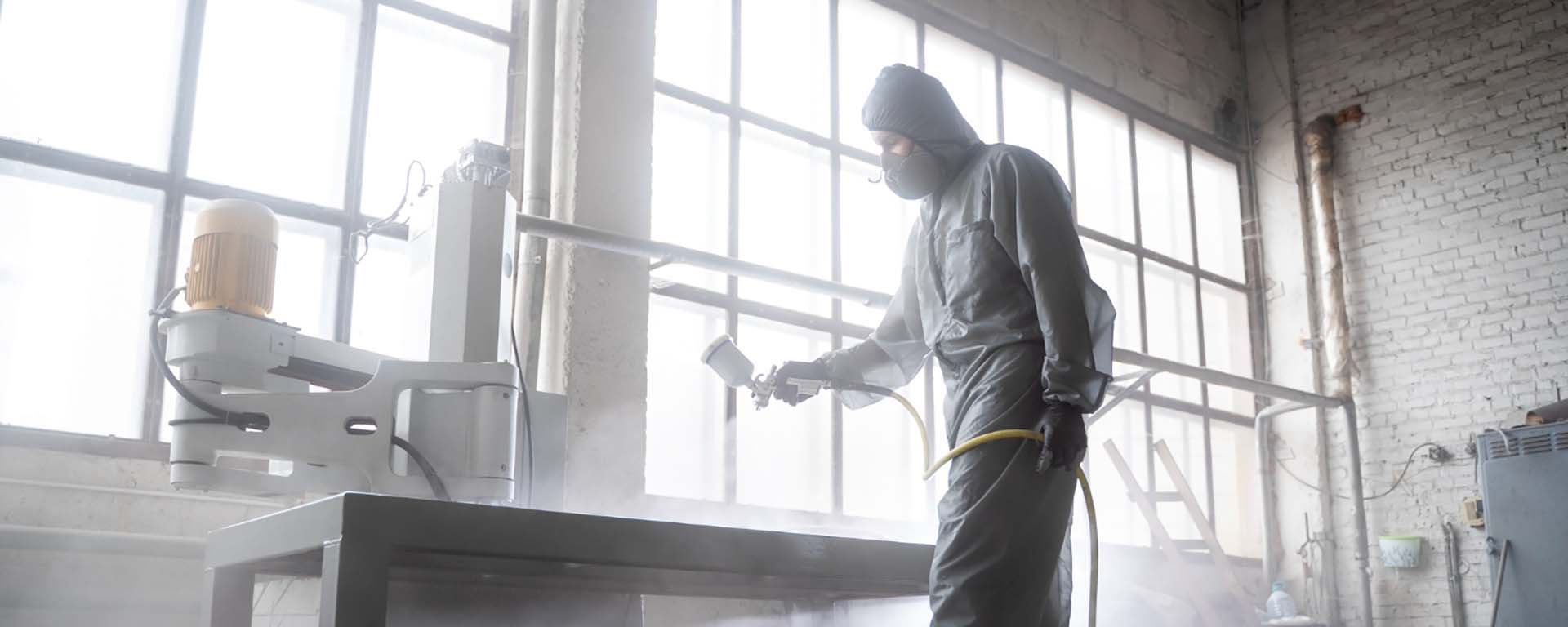
The "powder" itself consists of a mixture of resin (such as epoxy, polyester, or polyurethane), pigments, leveling agents, and flow modifiers. These ingredients are melted, mixed, cooled, and ground into a fine powder. During application, a spray gun applies an electrostatic charge to the powder particles. Because the object being coated is electrically grounded, the charged powder is attracted to the surface, creating a uniform wrap-around effect that covers corners and crevices that are often difficult to reach with liquid sprays.
Curing and Polymerization
After the electrostatic application, the part is moved into a curing oven. This is the stage where the magic of the finish occurs. As the temperature rises—typically between 350°F and 400°F—the powder particles melt and begin to flow, forming a continuous, thick film.
This is not a simple drying process; it is a chemical reaction known as cross-linking (polymerization). The resins in the powder link together to form a complex, three-dimensional molecular structure. This structure is what gives powder coating its legendary durability. Because the finish cures into a hard, thermoset plastic, it cannot be "re-melted" by subsequent heat, making it highly resistant to chips, scratches, and chemical degradation.
Comparing Powder Coating and Liquid Paint
Choosing the right finish often comes down to performance requirements and budget. While liquid paint can offer a wider variety of colors and a thinner profile, powder coating is generally superior for industrial and high-wear applications.
| Feature | Powder Coat | Liquid Paint |
|---|---|---|
| Durability | High (Chip/Scratch Resistant) | Moderate (Easier to scratch) |
| Environmental Impact | Low VOCs, no solvents | High VOCs (often requires cleanup) |
| Application Speed | Fast (Immediate cure) | Slower (Flash/Drying time) |
| Edge Coverage | Excellent (Electrostatic wrap) | Difficult to cover sharp edges |
| Reparability | Difficult to spot repair | Easy to touch up |
Primary Advantages of Powder Coating
- Durability: The cross-linked polymer structure provides a finish that is significantly harder than conventional paint. It is resistant to impact, moisture, chemicals, and ultraviolet (UV) light degradation, depending on the resin used.
- Environmental Safety: Because powder coating does not contain the liquid solvents (VOCs - Volatile Organic Compounds) found in traditional paints, it is much safer for the environment and for workers. Any oversprayed powder can often be collected and reused, minimizing waste.
- Efficiency: Industrial powder coating lines are highly automated. Because the powder does not require a "flash-off" period to let solvents evaporate, parts can be processed, cured, and shipped in a single shift.
Common Limitations and Considerations
Despite its advantages, powder coating is not universally applicable.
- Substrate Material: The material being coated must be able to hold an electrostatic charge and withstand high oven temperatures. This limits the process primarily to metals like steel, aluminum, and some conductive alloys. Wood and plastic require specialized, lower-temperature powders and modified processes that are not standard.
- Surface Preparation Sensitivity: Because the coating is so durable, it can hide—but eventually highlight—surface imperfections. Any defect in the underlying metal will likely remain visible after the powder is cured.
- Color Matching and Touch-ups: While modern powder manufacturers offer thousands of colors, custom color matching is more expensive than with liquid paint. Furthermore, if a part is damaged, you cannot simply "brush on" a fix. A proper repair often requires stripping and recoating the entire piece.
Essential Steps for a High-Quality Finish
For users considering a powder coating project, the following workflow is standard:
- Stripping: Remove any existing paint or rust through sandblasting or chemical stripping.
- Degreasing: Wash the part with an alkaline cleaner to remove oils and fingerprints.
- Pre-treatment: Apply a phosphate coating to ensure the powder bonds to the metal.
- Application: Spray the powder in a clean, controlled environment to avoid contamination.
- Curing: Heat in a convection or infrared oven according to the powder manufacturer's technical data sheet (TDS).
- Cooling: Allow the part to cool completely to room temperature before handling to ensure the finish has fully set.
Frequently Asked Questions
How long does a powder coat finish last? In an outdoor environment, a high-quality architectural-grade powder coat can last between 10 and 20 years. Its lifespan depends largely on the resin chemistry; for example, polyester-based powders offer excellent UV resistance, preventing the finish from chalking or fading over time.
Can I powder coat over old paint? No. For the best results, the original finish must be completely stripped. Powder coating requires direct contact with a clean, conductive, and pre-treated surface to achieve proper adhesion and electrical grounding. If applied over old paint, the finish will likely peel or bubble during the curing process.
Is powder coating cheaper than painting? While the initial setup for an industrial powder coating line is capital-intensive, the unit cost for high-volume production is often lower than liquid painting. For one-off custom projects, the cost is driven by labor and preparation time rather than material costs.
Why is my powder coat finish "orange peeling"? "Orange peel" is a common defect where the surface texture resembles an orange skin rather than a smooth, flat finish. This is usually caused by incorrect application thickness, poor electrical grounding, or an improper oven ramp-up time that prevents the powder from flowing out evenly before it begins to cure.
Can I use powder coating on car parts? Yes, powder coating is the gold standard for automotive parts such as frames, wheels, and suspension components. However, avoid powder coating internal engine parts where extreme heat or precise clearances are involved, as the thickness of the coating can interfere with tight tolerances.
Recommendation
If you are planning to have items powder coated, ensure you prioritize the surface preparation phase. Ask your coating provider about their pre-treatment process—specifically whether they use iron or zinc phosphate—as this is the single most important factor in preventing long-term corrosion. Always provide the provider with specific information regarding the part's intended use (e.g., indoor versus outdoor exposure), as they will need to select the correct resin chemistry to match your durability requirements.
Image Gallery