The Best Supplements for Cellulite Explained
Cellulite remains one of the most common cosmetic concerns, prompting millions of individuals to seek out topical creams, laser therapies, and dietary supplements that promise smoother skin. While no pill or powder can completely elimi...
Cellulite remains one of the most common cosmetic concerns, prompting millions of individuals to seek out topical creams, laser therapies, and dietary supplements that promise smoother skin. While no pill or powder can completely eliminate the structural changes beneath the skin that cause dimpling, understanding the best supplements for cellulite involves examining how specific vitamins, antioxidants, and herbal extracts interact with collagen, circulation, and fluid retention.
Contents
Understanding the Anatomy of Cellulite
To understand why certain supplements are marketed for cellulite, it is necessary to examine what cellulite actually is from a physiological standpoint. Cellulite is not merely a disease or a sign of poor health; it is a normal structural condition of the subcutaneous fat layer beneath human skin. In this layer, fat cells are compartmentalized by fibrous connective tissue bands, known as septae, which anchor the skin to the underlying muscle.
When fat cells accumulate and push upward against the skin, while the fibrous septae pull downward, a puckered or dimpled surface texture appears. This structural arrangement differs significantly between men and women due to hormonal profiles and the architectural layout of connective tissue. In women, the fibrous bands typically run vertically, making it easier for fat pockets to protrude. In men, these bands often run in a crisscross pattern, which provides more resistance against bulging fat cells.
Because cellulite involves connective tissue integrity, microcirculation, and localized fat storage, supplement manufacturers focus on ingredients that claim to target these three pillars. However, consumer expectations must be managed carefully. Dietary supplements are regulated differently than pharmaceutical drugs, meaning they do not require pre-market approval from regulatory bodies like the U.S. Food and Drug Administration (FDA) to prove efficacy for cosmetic claims. Buyers should approach these products with an understanding of nutritional science rather than relying on marketing promises.
Key Ingredients Found in Cellulite Supplements
The supplement market features a wide variety of formulations, but most rely on a core set of active ingredients. Each ingredient targets a specific physiological pathway hypothesized to influence skin smoothness and tissue resilience.
Collagen Peptides and Amino Acids
Collagen is the primary structural protein found in the extracellular matrix of dermis and connective tissues. As individuals age, natural collagen production declines, which can lead to thinning skin and a more pronounced appearance of underlying structural irregularities, including cellulite.
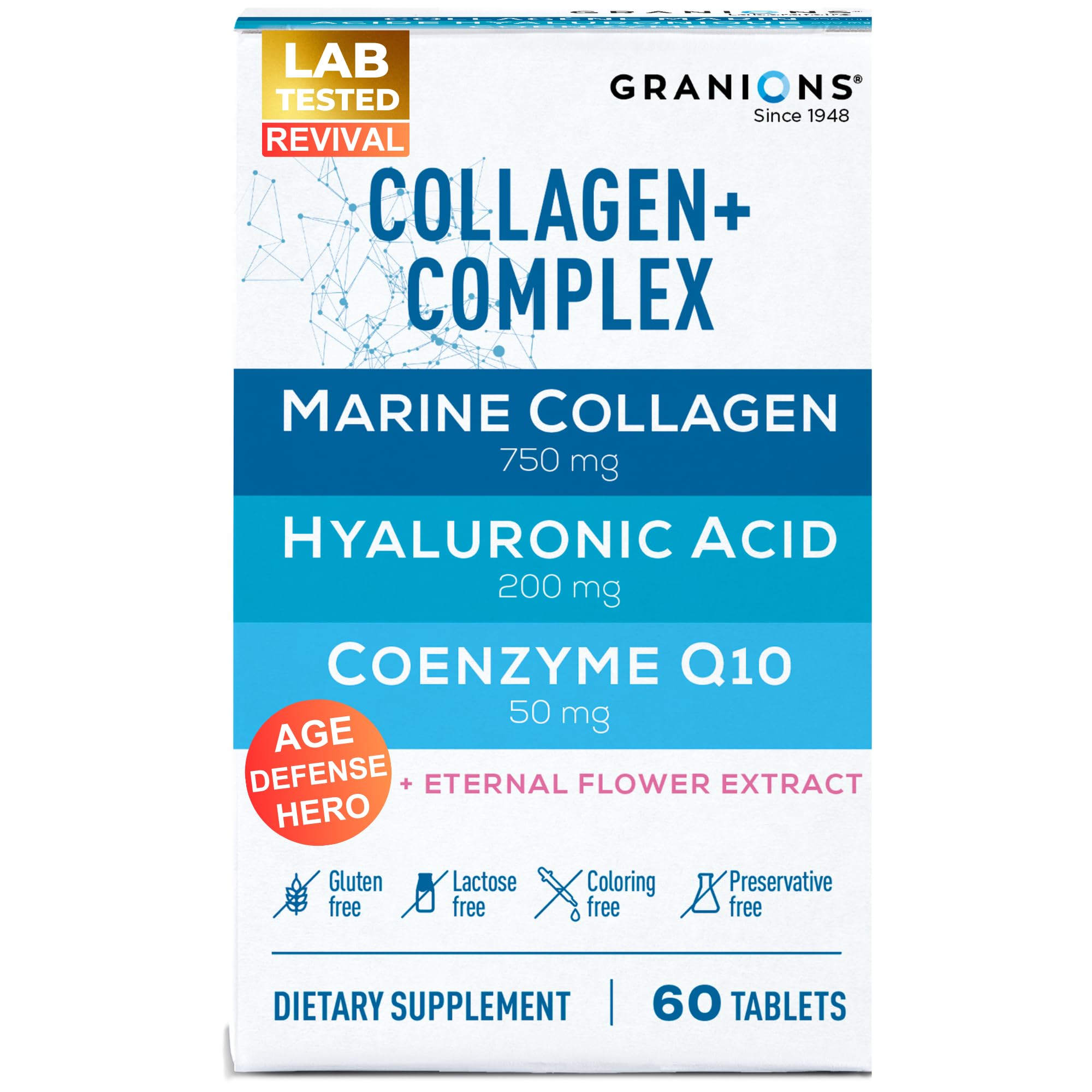
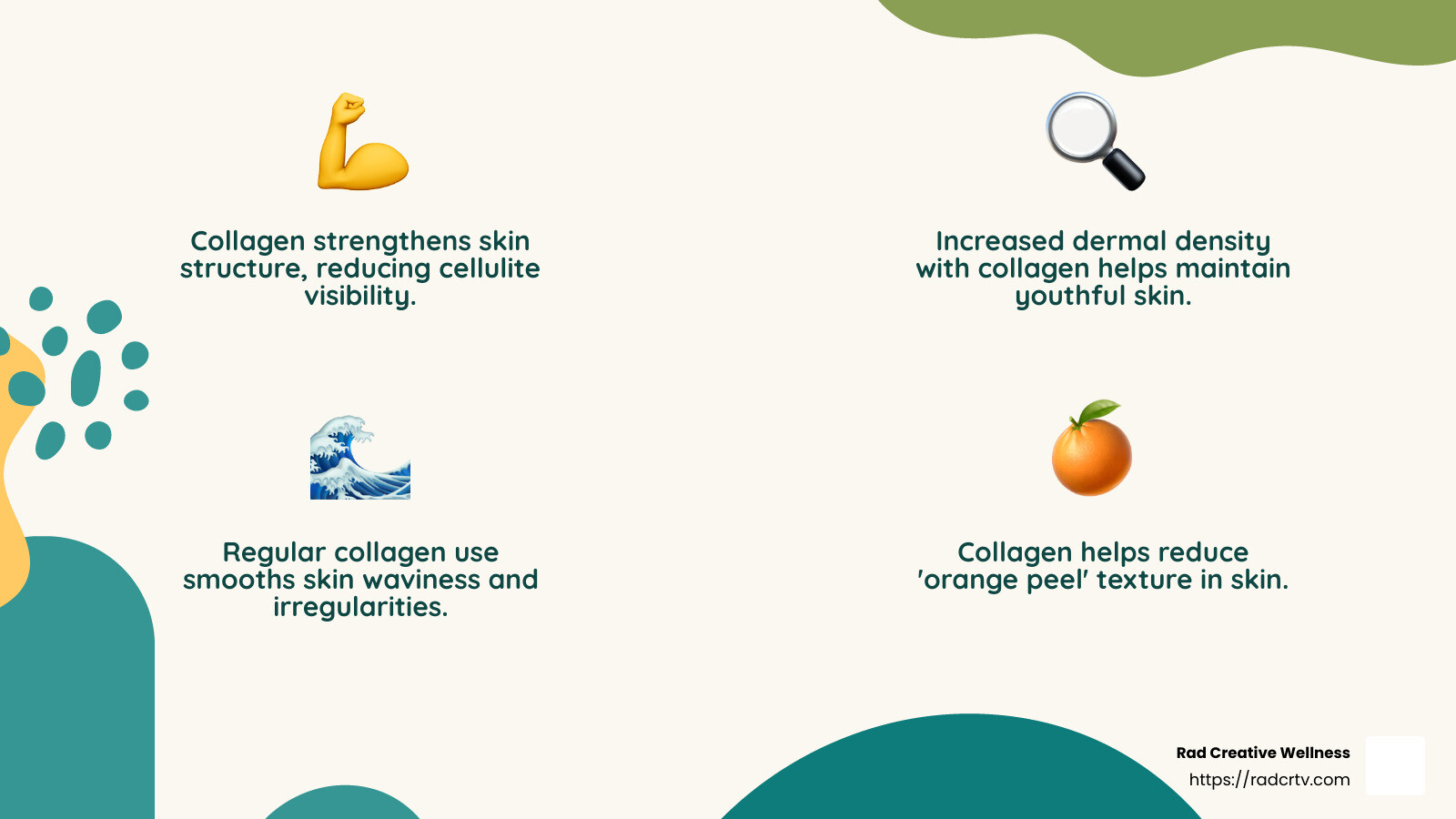
Supplementing with hydrolyzed collagen peptides provides the body with specific amino acids, such as proline and hydroxyproline, which serve as building blocks for new collagen synthesis. Clinical studies investigating specific bioactive collagen peptides have suggested that consistent supplementation over several months can improve skin elasticity and dermal density, potentially reducing the visible severity of skin dimpling in women.
Antioxidants and Botanical Extracts (Gotu Kola and Grape Seed Extract)
Poor microcirculation and oxidative stress are frequently cited factors in the degradation of dermal tissue and the localized accumulation of fluids. Consequently, antioxidants and circulation-boosting botanicals are staples in anti-cellulite formulations.
- Gotu Kola (Centella asiatica): This traditional herbal extract is widely studied for its ability to stimulate collagen synthesis and improve venous insufficiency. It contains triterpenes, which support the strengthening of connective tissue walls and microvascular circulation.
- Grape Seed Extract: Rich in oligomeric proanthocyanidins (OPCs), grape seed extract offers potent antioxidant protection, shielding vascular walls from free radical damage and supporting healthy blood flow to peripheral tissues.
Diuretics and Lymphatic Support
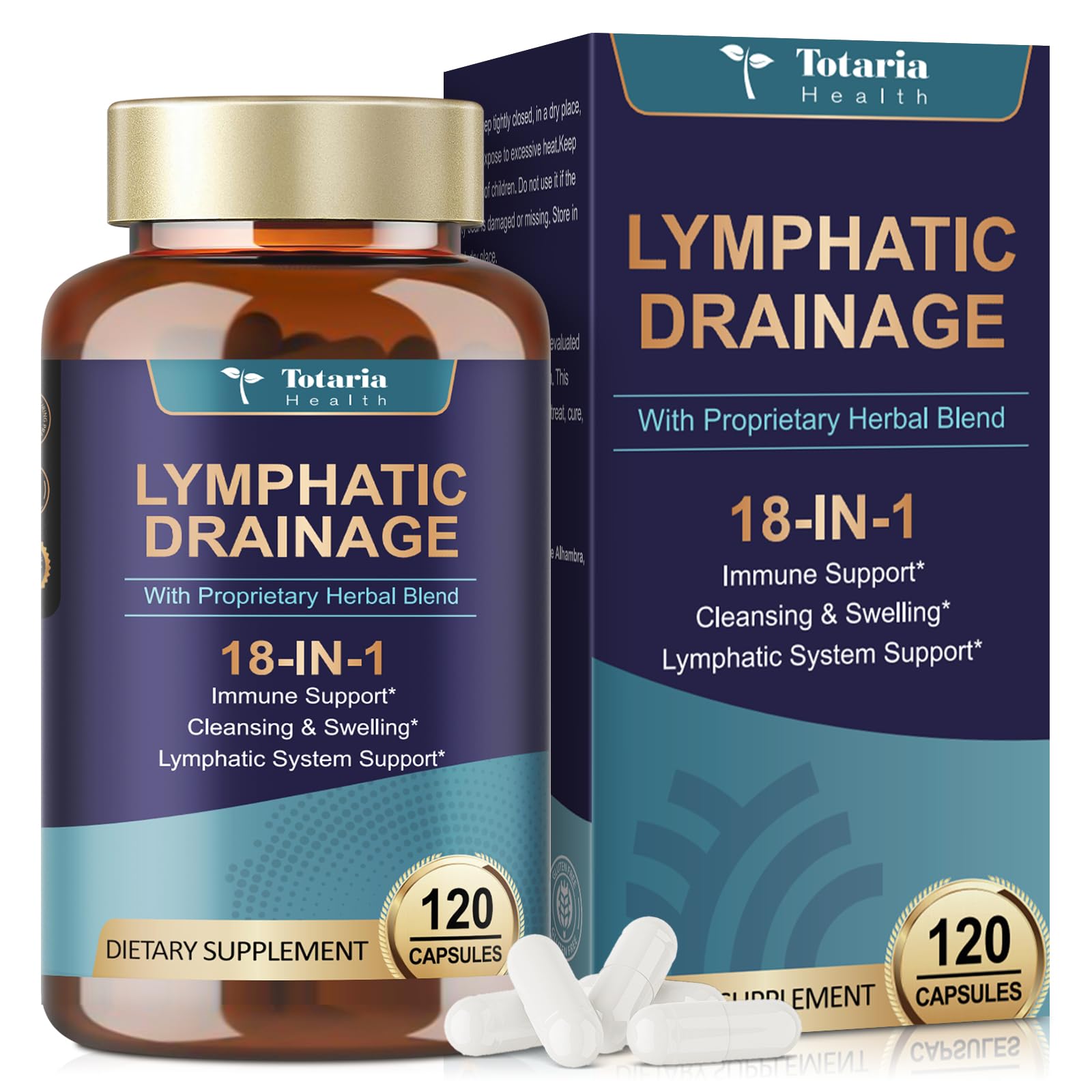
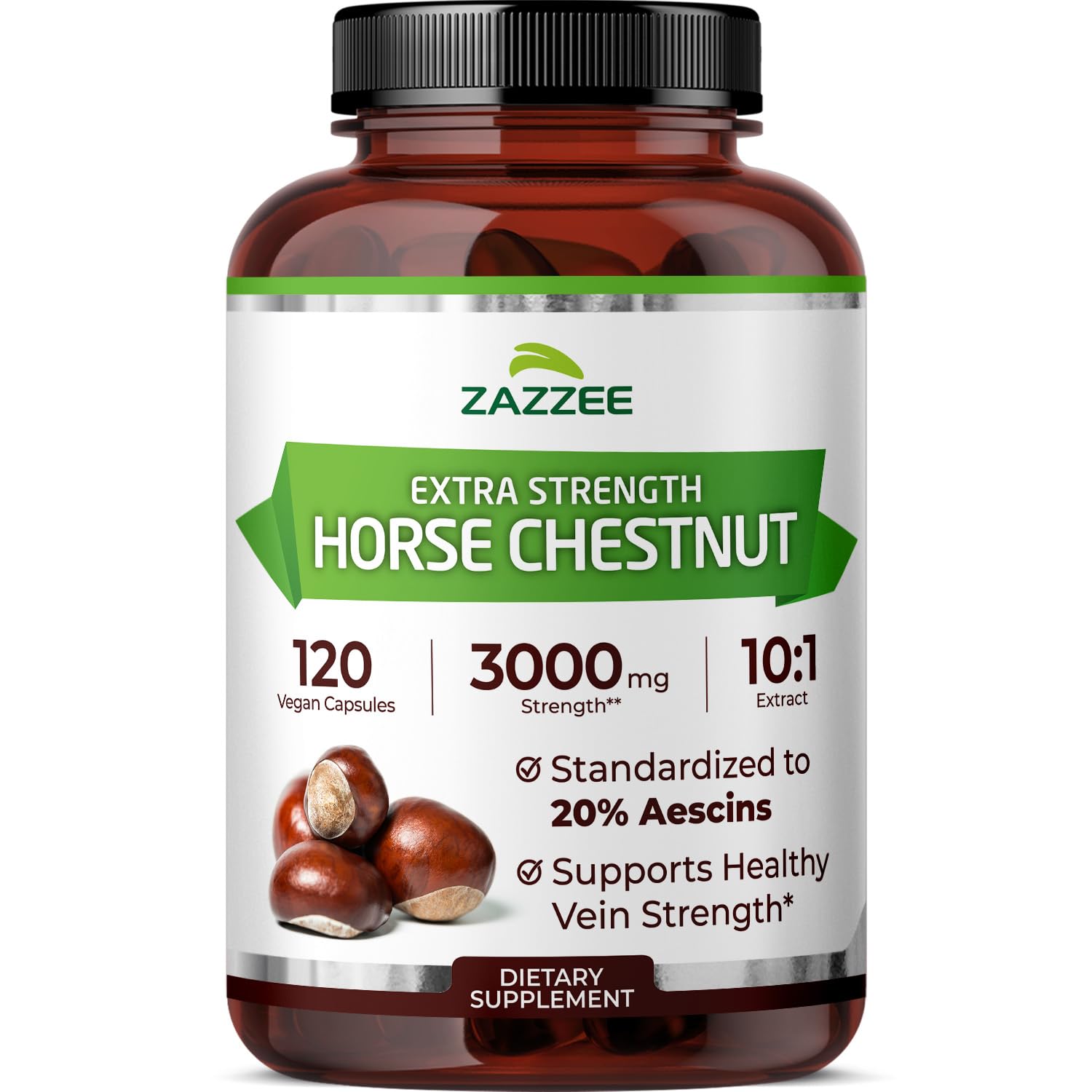
Some short-term cellulite appearance is driven by interstitial fluid retention, which creates localized swelling and temporary worsening of skin dimpling. Supplements containing natural diuretics—such as dandelion root, green tea extract, and horse chestnut—aim to reduce extracellular fluid accumulation. While these ingredients can temporarily alter body water weight and skin tightness, they do not address the underlying structural fat matrix or connective tissue laxity.
Comparing Popular Cellulite Supplement Categories
Evaluating the diverse array of products requires looking at their primary mechanisms, expected timelines, and practical limitations. The table below outlines the primary categories of supplements marketed for cellulite reduction.
| Supplement Category | Primary Mechanism | Potential Benefits | Key Limitations |
|---|---|---|---|
| Hydrolysis Collagen Peptides | Stimulates dermal fibroblast activity and extracellular matrix synthesis. | Improves skin elasticity, firmness, and dermal density over time. | Requires months of consistent daily use; results vary by individual. |
| Circulatory Botanicals (Gotu Kola) | Strengthens vascular walls and supports microcirculation in connective tissue. | May enhance skin tone and reduce microvascular leakage. | Potential for gastrointestinal upset; herb-drug interactions possible. |
| Antioxidants (Grape Seed, Vitamin C) | Neutralizes oxidative stress and protects existing collagen structures. | Supports overall skin health and blood vessel integrity. | Does not directly remodel fibrous septae or fat storage. |
| Natural Diuretics (Dandelion, Green Tea) | Promotes renal excretion of excess sodium and water. | Reduces temporary water retention and localized swelling quickly. | Effects are transient; dehydration risk if fluids are not replenished. |
Evaluating Safety, Regulation, and Professional Guidance
Before integrating any new supplement into a daily routine, consumers must consider safety profiles and regulatory contexts. In many jurisdictions, dietary supplements are classified under food regulations rather than drug regulations. This means manufacturers are responsible for ensuring product safety and label accuracy, but independent third-party testing is not universally mandatory.
To mitigate safety risks, look for products certified by reputable independent organizations, such as NSF International, U.S. Pharmacopeia (USP), or ConsumerLab. These organizations verify that the contents match the label claims and that the product is free from heavy metal contamination and unlisted pharmaceutical adulterants.
Furthermore, individuals with underlying health conditions—such as kidney disease, high blood pressure, or bleeding disorders—should exercise extreme caution. For instance, herbal diuretics can interact with prescription blood pressure medications, and high-dose antioxidants can interfere with certain therapies. Consulting a registered dietitian, dermatologist, or primary care physician is essential before starting any regimen.
Disclaimer: This article is for informational purposes only and does not constitute medical advice. Always consult a qualified healthcare professional before beginning any new supplement regimen.
Frequently Asked Questions
Do anti-cellulite supplements actually work?
Supplements can support overall skin elasticity, hydration, and microcirculation, but they cannot cure cellulite or alter the deep structural architecture of fibrous septae and fat cells. Results depend heavily on genetics, lifestyle, and the specific active ingredients used.
How long does it take to see results from collagen supplements for skin texture?
Clinical trials investigating hydrolyzed collagen peptides typically observe measurable improvements in skin elasticity and dermal matrix density after 8 to 12 weeks of continuous daily supplementation.
Can topical creams combined with supplements enhance results?
Topical creams often contain caffeine or retinol to temporarily dehydrate fat cells or stimulate surface collagen. While combining them with internal supplements may offer complementary cosmetic benefits, neither approach provides a permanent structural fix.
Are there any side effects associated with circulation-boosting herbs?
Herbal extracts like Gotu Kola or horse chestnut can cause mild gastrointestinal discomfort, nausea, or allergic skin reactions in sensitive individuals. High doses may also interact negatively with blood thinners or liver medications.
Is diet and exercise more effective than supplements for managing cellulite?
Yes. Reducing overall body fat through caloric management and building underlying muscle tone via resistance training provides a much more significant structural improvement in skin smoothness than supplementation alone.
Practical Next Steps for Consumers
Anyone considering supplements for cellulite should first prioritize foundational lifestyle factors, including regular resistance training, adequate hydration, and a balanced diet rich in whole foods and lean proteins. If choosing to use supplements, select single-ingredient products or transparently formulated blends backed by third-party testing. Track usage consistently for at least three months while monitoring for any adverse reactions, and maintain realistic expectations regarding cosmetic outcomes.
Image Gallery