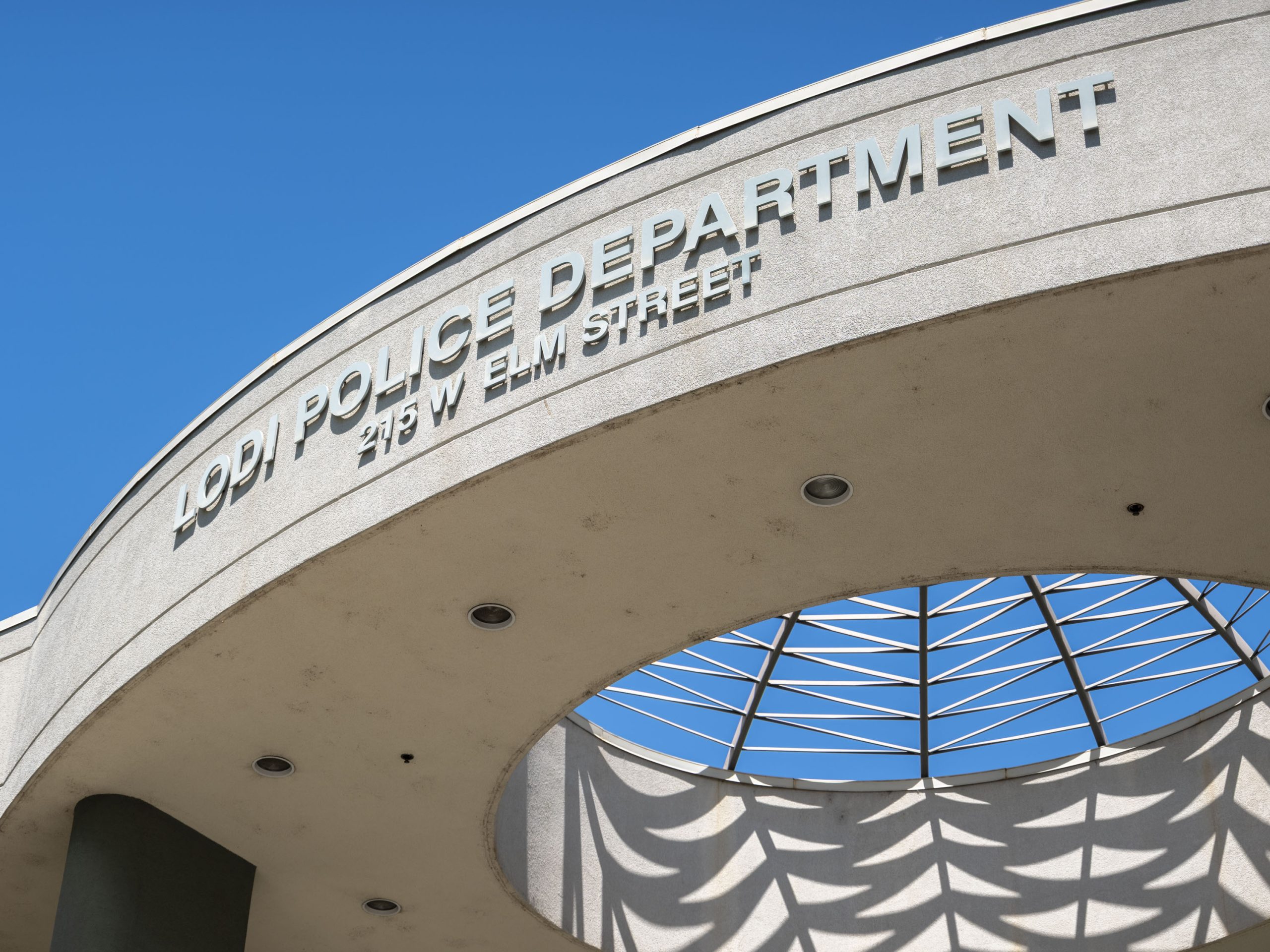
The Lodi CA Police Department in Transition: A Comprehensive 2026 Report
The Lodi Police Department is currently undergoing a pivotal transition focused on leadership stability, technological modernization, and enhanced community-oriented policing. Following significant administrative shifts and a renewed f...
The Lodi Police Department is currently undergoing a pivotal transition focused on leadership stability, technological modernization, and enhanced community-oriented policing. Following significant administrative shifts and a renewed focus on transparency, the department has prioritized data-driven strategies and mental health response units to meet the evolving safety needs of the Lodi community in 2026.
Contents
Navigating a New Era of Law Enforcement in Lodi
The Lodi Police Department (LPD) has long served as the primary law enforcement agency for the "Zinfandel Capital of the World." However, the mid-2020s marked a significant turning point for the agency. This period of transition is characterized not just by a change in personnel, but by a fundamental shift in how the department interacts with its approximately 67,000 residents.
This transition was catalyzed by several factors: the retirement of long-standing leadership, the implementation of California-mandated police reforms, and a local push for greater accountability. As of 2026, the department is moving away from purely reactive policing toward a proactive, multi-disciplinary approach. This evolution involves integrating advanced surveillance technology with "boots-on-the-ground" community engagement to address both property crime and public safety concerns.
Leadership Stability and Strategic Vision
Leadership transitions are often the most visible aspect of a department in flux. Following the retirement of Chief Sierra Brucia in 2024, the City of Lodi engaged in an extensive search to find a successor capable of navigating the complexities of modern policing. The current administration has focused on a "Vision 2030" plan, which emphasizes three core pillars: Human Capital, Technological Integration, and Community Trust.
The transition in leadership has led to a restructuring of the department’s internal hierarchy. By empowering mid-level supervisors and streamlining communication between the patrol and investigative divisions, the LPD has improved response times and case clearance rates for felony offenses. This internal stabilization is crucial, as it provides the foundation for all other external-facing reforms.
Technological Modernization: Data-Driven Safety
One of the most significant pillars of the Lodi Police Department’s transition is the adoption of "Smart City" policing technologies. The department has moved beyond traditional patrol methods to incorporate a digital-first approach to crime prevention.
Automated License Plate Readers (ALPRs)
The LPD has expanded its network of ALPR cameras at major points of entry and exit within the city limits. These systems allow officers to receive real-time alerts on stolen vehicles or vehicles associated with Missing Persons (AMBER Alerts). The transition here involves balancing public safety with privacy concerns, a task the department manages through strict data retention policies and public transparency audits.
Body-Worn Cameras and Digital Evidence
By 2026, the transition to next-generation body-worn cameras (BWCs) is complete. These devices now feature automatic activation triggers—such as when an officer draws their sidearm or activates their vehicle’s emergency lights. This technology ensures an objective record of encounters, which is essential for maintaining public trust and providing clear evidence for the San Joaquin County District Attorney’s Office.
Drones and Aerial Support
The Lodi Police Department’s Unmanned Aerial System (UAS) program has transitioned from a niche tool to a standard operational asset. Drones are now deployed for search-and-rescue operations in the Mokelumne River area, crime scene documentation, and de-escalation during high-risk tactical situations. By providing an "eye in the sky," the LPD can assess threats without immediately putting officers or civilians in harm's way.
Recruitment and Workforce Development in a Challenging Climate
Like many agencies across California, the LPD has faced significant hurdles in recruitment and retention. The "transition" in this sector involves moving away from traditional recruitment to a more holistic "wellness-first" culture designed to attract high-quality candidates.
To combat the officer shortage, the City of Lodi has implemented:
- Lateral Transfer Incentives: Competitive signing bonuses for experienced officers coming from other jurisdictions.
- Education Reimbursement: Encouraging officers to pursue higher education in criminal justice, psychology, or public administration.
- Mental Health Support: Recognizing the high stress of the profession, the department has introduced mandatory wellness check-ins and peer support programs.
This shift is designed to ensure that the Lodi CA Police Department remains staffed by individuals who are not only tactically proficient but also emotionally resilient and culturally competent.
Community Policing and Specialized Response Teams
The most impactful part of the LPD’s transition for the average citizen is the change in how calls for service are handled, particularly those involving non-criminal crises.
The Mobile Evaluation Team (MET)
In partnership with San Joaquin County Behavioral Health Services, the LPD has expanded its Mobile Evaluation Team. This team pairs a specially trained officer with a mental health clinician to respond to calls involving individuals in psychological distress. This transition reduces the likelihood of force being used and redirects individuals toward social services rather than the jail system.
Homeless Outreach Team (HOT)
The Lodi Police Department has also evolved its approach to the unhoused population. The HOT team works closely with local non-profits and the Lodi Committee on Homelessness to provide resources, shelter information, and medical assistance. This reflects a transition from "enforcement-only" to a "service-first" model for quality-of-life issues.
Transparency and Public Accountability
The transition toward 2026 has seen the LPD become one of the more transparent agencies in the Central Valley. This is partly due to California legislative mandates (such as SB 1421 and AB 481) and partly due to local initiative.
The department now publishes an annual Military Equipment Use Report, detailing exactly what specialized equipment they possess and how it was used. Furthermore, the Lodi Police Department maintains an online transparency portal where residents can view crime statistics, use-of-force data, and departmental policies. This openness is intended to bridge the gap between the police and the various demographic groups within Lodi, ensuring that the "transition" is a collaborative effort with the public.
Comparing the Transition: 2020 vs. 2026
To understand the scale of the change, the following table compares key operational aspects of the Lodi Police Department before and after the major transition period.
| Feature | Pre-Transition (Circa 2020) | Current Status (2026) |
|---|---|---|
| Primary Response Model | Reactive/Enforcement-heavy | Proactive/Multi-disciplinary |
| Mental Health Calls | Standard Patrol Response | Specialized MET (Clinician + Officer) |
| Technology Focus | Basic Radio & MDTs | Integrated ALPR, UAS, and AI Analytics |
| Recruitment Focus | Local Academy Graduates | Lateral Transfers & Wellness Incentives |
| Public Transparency | Periodic Press Releases | Real-time Data Portal & Annual Audits |
| Community Engagement | Seasonal Events (National Night Out) | Continuous Liaison Programs & Social Media |
Navigating Challenges: The Road Ahead
Despite the progress, the Lodi Police Department's transition is not without its difficulties. The rising cost of living in San Joaquin County makes it harder for officers to live in the communities they serve. Additionally, the department must navigate the delicate balance of maintaining a "small-town" feel while dealing with "big-city" issues like retail theft and the fentanyl crisis.
The success of this transition depends on sustained funding from the Lodi City Council and continued engagement from the Lodi Police Foundation. As long as the department remains adaptable to new laws and societal expectations, the transition will likely lead to a safer and more cohesive city.
Frequently Asked Questions
How can I report a non-emergency crime to the Lodi Police?
For non-emergency situations, residents should call (209) 333-6727. The LPD also offers an online reporting system for crimes with no known suspects, such as petty theft or vandalism, which helps free up patrol officers for higher-priority calls.
What is the Lodi Police Department’s policy on military equipment?
In compliance with California Assembly Bill 481, the LPD maintains a specific policy regarding the acquisition and use of specialized equipment. This includes armored vehicles and high-caliber firearms. The department is required to hold an annual public meeting to discuss the use of this equipment and its impact on community safety.
How does the department handle mental health crises?
The LPD utilizes the Mobile Evaluation Team (MET), which consists of an officer and a mental health professional. This team is trained in de-escalation techniques and is designed to provide immediate crisis intervention while connecting individuals to long-term behavioral health resources.
Is the Lodi Police Department currently hiring?
Yes, as of 2026, the LPD is actively recruiting both entry-level trainees and lateral officers. The department offers a comprehensive benefits package, including specialized unit assignments (K9, SWAT, Investigations) and competitive salaries for the San Joaquin Valley region.
How can I access crime statistics for my neighborhood?
Residents can visit the Lodi Police Department's official website and navigate to the "Transparency" or "Crime Map" section. These tools provide up-to-date information on reported incidents, allowing citizens to stay informed about trends in their specific area.
Practical Recommendations for Residents
If you are a resident of Lodi looking to engage with the department during this transition period, consider the following actions:
- Join the Neighborhood Watch: This remains one of the most effective ways to partner with the LPD to reduce property crime.
- Attend City Council Meetings: Voice your opinions on police budgeting and policy changes during public comment periods.
- Follow LPD on Social Media: The department uses platforms like Facebook and Instagram to provide immediate updates on traffic issues, public safety threats, and community events.
- Register Your Cameras: If you have a home surveillance system, you can register it with the LPD’s "Camera Registry" program, which assists detectives in identifying video evidence after a crime occurs in your vicinity.
The transition of the Lodi CA Police Department is an ongoing process of refinement. By remaining informed and involved, the community plays a vital role in shaping the future of public safety in the region.
Image Gallery