Understanding Dropsy Causes: A Comprehensive Guide to Fish Health and Edema
Dropsy is not a specific disease but a clinical symptom indicating severe internal fluid accumulation and organ failure in fish. It is primarily caused by the failure of a fish’s osmoregulatory system, often triggered by bacterial infe...
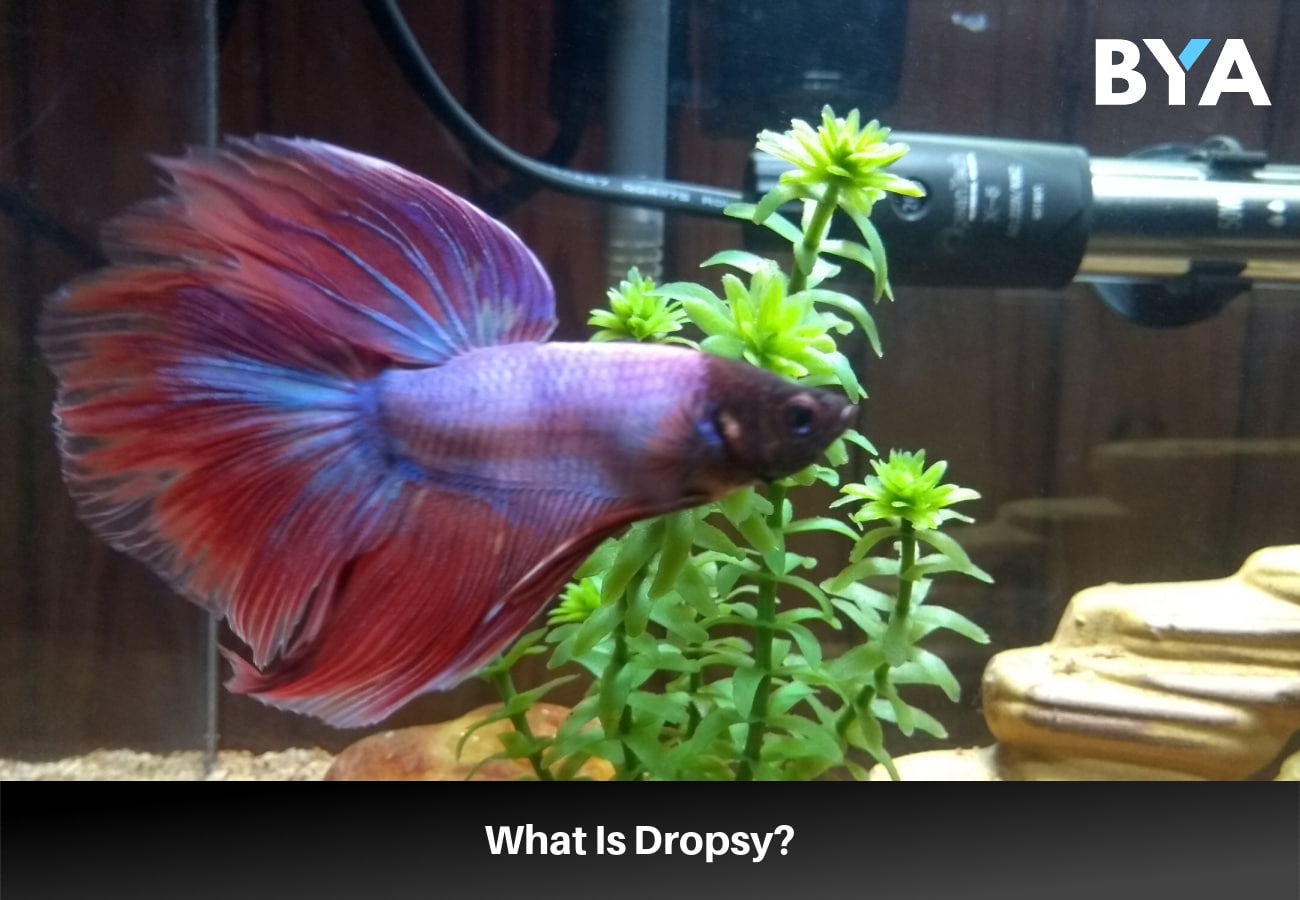
Dropsy is not a specific disease but a clinical symptom indicating severe internal fluid accumulation and organ failure in fish. It is primarily caused by the failure of a fish’s osmoregulatory system, often triggered by bacterial infections, poor water quality, or chronic stress. When the kidneys or liver fail, fluid builds up in the body cavity and tissues, leading to characteristic abdominal swelling and protruding scales.
Contents
The Pathophysiology of Dropsy: Why Fluid Accumulates
To understand the causes of dropsy, one must first understand the delicate biological balance fish maintain with their environment. Most fish affected by dropsy are freshwater species. In a freshwater environment, the fish’s internal salinity is much higher than the surrounding water. Through the process of osmosis, water constantly penetrates the fish’s skin and gills.
To survive, a healthy fish must constantly pump this excess water out. This process, known as osmoregulation, is managed primarily by the kidneys. When the kidneys are damaged or overwhelmed, they lose the ability to expel water. The fish essentially begins to fill with water like a balloon. This internal pressure causes the scales to stand out at an angle, creating the "pinecone" appearance that is the hallmark of late-stage dropsy.
By the time these physical manifestations are visible, the underlying cause has usually progressed to systemic organ failure. Dropsy is therefore a "syndrome" rather than a single pathogen, representing the final common pathway for many different health crises.
Biological Causes: Pathogens and Infection
The most frequent biological trigger for dropsy is a systemic bacterial infection. While many different bacteria can be responsible, the genus Aeromonas is the most common culprit identified in clinical settings.
Bacterial Septicemia
Aeromonas hydrophila and various Pseudomonas species are opportunistic bacteria that exist naturally in almost all aquarium environments. Under normal conditions, a fish’s immune system easily keeps these bacteria at bay. However, when the immune system is suppressed—due to stress, poor nutrition, or temperature shocks—the bacteria enter the bloodstream, leading to septicemia. Once in the blood, the bacteria attack the highly vascularized organs, specifically the kidneys and liver, causing the inflammatory response that leads to dropsy.
Viral and Parasitic Triggers
While less common than bacterial infections, certain viruses can cause dropsy-like symptoms. Viral Hemorrhagic Septicemia (VHS) and Spring Viremia of Carp (SVC) are serious conditions that cause internal hemorrhaging and fluid accumulation. Additionally, heavy internal parasitic loads (such as flagellates or flukes) can cause enough localized tissue damage and secondary infection to trigger organ failure. In 2026, researchers continue to emphasize that while the bacteria are the final blow, they are rarely the "first cause"; they are simply the executioners of a weakened system.
Environmental Stressors: The "Silent" Causes
Environmental factors are often the true root causes of dropsy. Even the most aggressive bacteria struggle to infect a fish with a robust immune system. It is the environment that typically breaks that defense down.
Poor Water Chemistry
The nitrogen cycle is the foundation of aquarium health. Incomplete cycling or "old tank syndrome" leads to elevated levels of:
- Ammonia (NH3): Even trace amounts cause gill damage and stress the kidneys.
- Nitrite (NO2): Interferes with the blood’s ability to carry oxygen, leading to tissue hypoxia.
- Nitrate (NO3): While less toxic than ammonia, long-term exposure to high nitrate levels (above 40 ppm) weakens the immune system and makes fish susceptible to opportunistic Aeromonas infections.
Temperature Fluctuations
Fish are ectothermic, meaning their metabolism and immune function are tied directly to water temperature. Rapid drops in temperature can cause "temperature shock," which halts the production of antibodies. This metabolic stall gives bacteria a window of opportunity to multiply faster than the fish can fight them off.
Dietary Deficiencies and Toxins
Low-quality feed or food that has gone rancid can lead to fatty liver degeneration (hepatic lipidosis). A compromised liver cannot process metabolic waste or produce the proteins necessary for fluid balance. Furthermore, exposure to heavy metals or certain medications used incorrectly can cause acute nephrosis (kidney damage), leading to rapid-onset dropsy.
Identifying the Severity and Symptoms
Identifying dropsy causes requires distinguishing it from other conditions, such as constipation or being "egg-bound" (gravid). The following table outlines the progression of symptoms and their typical associations.
Comparison of Symptoms and Underlying Issues
| Symptom | Typical Cause | Severity Level | Reversibility |
|---|---|---|---|
| Mild Abdominal Swelling | Overfeeding or Constipation | Low | High (with fasting/fiber) |
| Symmetrical Bloating | Early Stage Osmoregulatory Failure | Moderate | Possible (with salt/antibiotics) |
| Exophthalmos (Pop-eye) | Systemic Bacterial Infection | High | Guarded Prognosis |
| Pineconing Scales | Advanced Kidney Failure / Edema | Critical | Very Low |
| Lethargy & Labored Breathing | Gill Damage or Anemia | Critical | Low |
Differential Diagnosis: Is it Dropsy?
It is critical to ensure that the "cause" of the swelling is actually dropsy and not a different physiological state. In female fish, particularly livebearers like guppies or egg-layers like goldfish, a bloated appearance can simply mean the fish is carrying eggs or fry.
The key differentiator is the behavior and the scales. A gravid fish will usually remain active and continue to eat, and her scales will remain flat against her body. A fish suffering from dropsy will typically exhibit "clamped fins," a loss of appetite, and the distinctive pineconing where scales protrude away from the body. If the scales are only sticking out in one localized area, it may be a tumor or a localized abscess rather than systemic dropsy.
Treatment Protocols and Management
If you have identified the cause as osmoregulatory failure, treatment must be aggressive and multi-faceted. Because the kidneys are failing, the fish needs immediate relief from the environmental pressure pushing water into its body.
Osmotic Relief via Epsom Salts
Magnesium sulfate (Epsom salt) is a vital tool in managing dropsy causes. Unlike standard aquarium salt (sodium chloride), Epsom salt acts as a laxative and a muscle relaxant, but more importantly, it helps draw excess fluid out of the fish's body through the skin. A typical dosage is 1/8 to 1/4 teaspoon per gallon of water in a "hospital tank." This does not cure the underlying infection, but it buys the fish time by reducing the internal pressure on its organs.
Antibiotic Intervention
If the cause is suspected to be bacterial septicemia, broad-spectrum antibiotics are necessary. Medications that are absorbed through the skin or ingested (medicated flakes) are preferred. Common choices include:
- Kanamycin: Highly effective against internal infections and Aeromonas.
- Minocycline: A tetracycline derivative that handles a wide range of gram-negative bacteria.
- Erythromycin: Useful if the infection is gram-positive, though most dropsy-related bacteria are gram-negative.
Improving the Environment
No amount of medicine will solve dropsy if the environmental cause remains. Immediate actions should include:
- Water Testing: Check ammonia, nitrite, and nitrate levels using a liquid test kit.
- Increased Oxygenation: Fluid buildup makes it harder for fish to get oxygen. Add an air stone.
- Stress Reduction: Turn off aquarium lights and move the fish to a quiet area to lower cortisol levels, which helps the immune system recover.
Prevention: The Best Cure
Since the survival rate for advanced dropsy is extremely low (often estimated below 20% once pineconing occurs), prevention is the only reliable strategy.
- Quarantine Procedures: Always quarantine new fish for 30 days. This prevents the introduction of aggressive bacterial strains into an established community.
- Regular Maintenance: Weekly water changes of 25% are the most effective way to prevent the buildup of nitrates and organic waste that fuel Aeromonas growth.
- Nutritional Variety: Avoid feeding only one type of food. Incorporate high-quality pellets, frozen daphnia (to prevent constipation), and vitamin supplements to maintain the integrity of the liver and kidneys.
Frequently Asked Questions
Is dropsy contagious to other fish?
Dropsy itself is a symptom and is not contagious. However, the bacteria that cause it, such as Aeromonas, are present in the water and can infect other fish if those fish are also stressed or if their immune systems are compromised. If one fish has dropsy, it is a sign that the environmental conditions may be poor for everyone in the tank.
Can Epsom salt cure dropsy on its own?
No, Epsom salt only addresses the symptom of fluid accumulation by helping to draw water out of the body. It does not kill the bacteria or repair the damaged organs. It must be used in conjunction with antibiotics and improved water quality to be effective.
Why do goldfish seem more prone to dropsy?
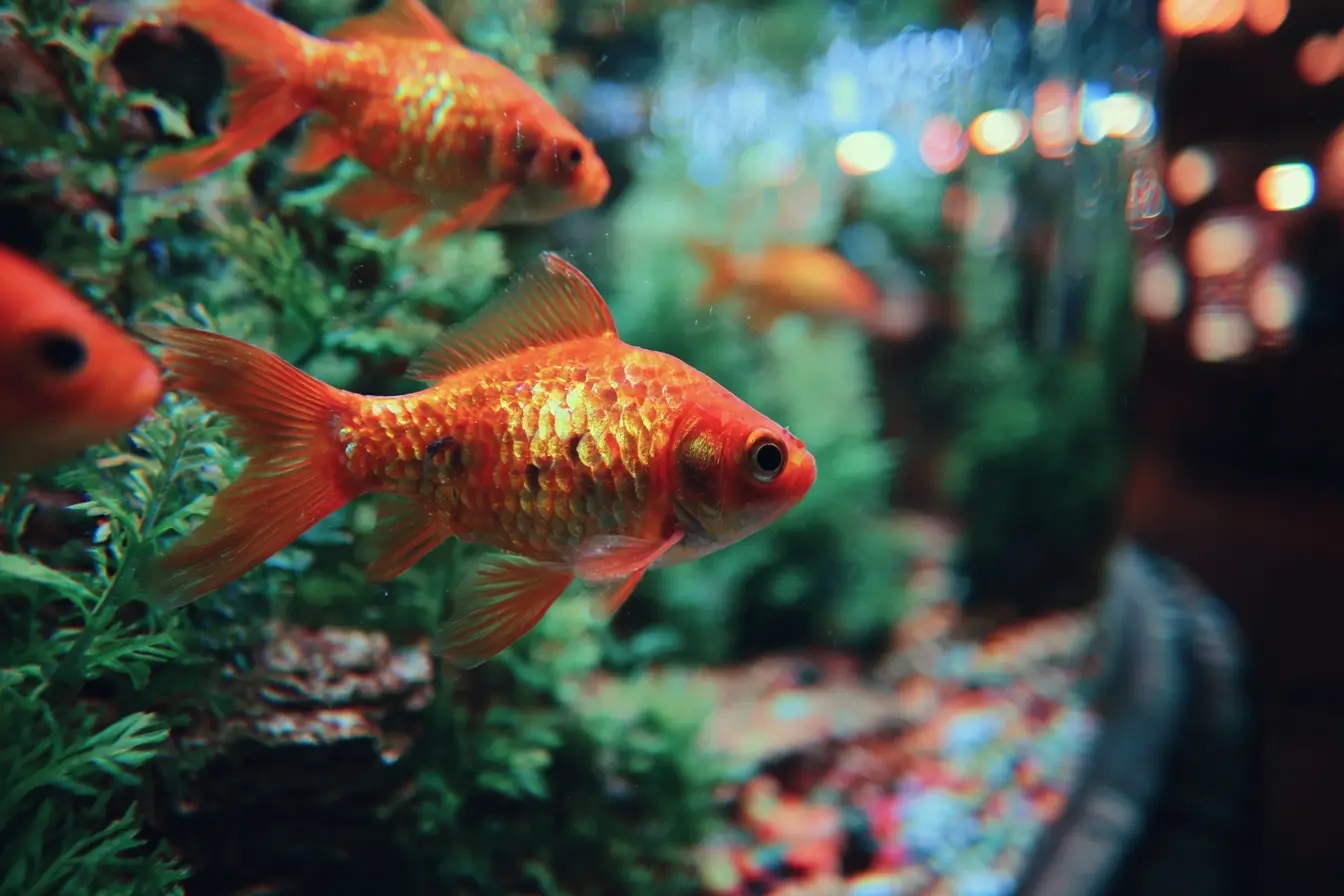
Goldfish, particularly "fancy" varieties like Orandas or Ranchus, have highly modified body shapes. Their internal organs are compressed, making them more susceptible to blockages and osmoregulatory stress. Their high waste production also places a greater strain on the nitrogen cycle compared to smaller tropical fish.
Is dropsy painful for the fish?
Evidence in fish physiology suggests that the extreme internal pressure caused by fluid accumulation is a significant source of distress. When a fish reaches the stage of severe pineconing and stops eating, many hobbyists and veterinarians recommend humane euthanasia using clove oil to prevent further suffering, as the damage to the kidneys is often permanent at that stage.
Can humans catch dropsy from fish?
While the term "dropsy" is archaic in human medicine, the bacteria that cause it in fish, such as Aeromonas hydrophila, can occasionally cause skin infections or gastrointestinal distress in humans, particularly those who are immunocompromised. It is always best to wash your hands thoroughly after handling aquarium water or sick fish.
Final Recommendations
Understanding dropsy causes is the first step toward becoming a more proactive aquarist. Because the condition is almost always a byproduct of secondary factors—stress, water quality, and opportunistic bacteria—your primary focus should be on environmental stability.
If you encounter a case of dropsy in your aquarium, immediately test your water parameters and isolate the affected fish in a dedicated hospital tank. Prioritize reducing osmotic stress with Epsom salts while treating with broad-spectrum antibiotics. However, if the fish does not show improvement within 48 to 72 hours, prepare to take humane measures, as systemic organ failure is difficult to reverse once the physiological "pinecone" threshold has been crossed.
Image Gallery