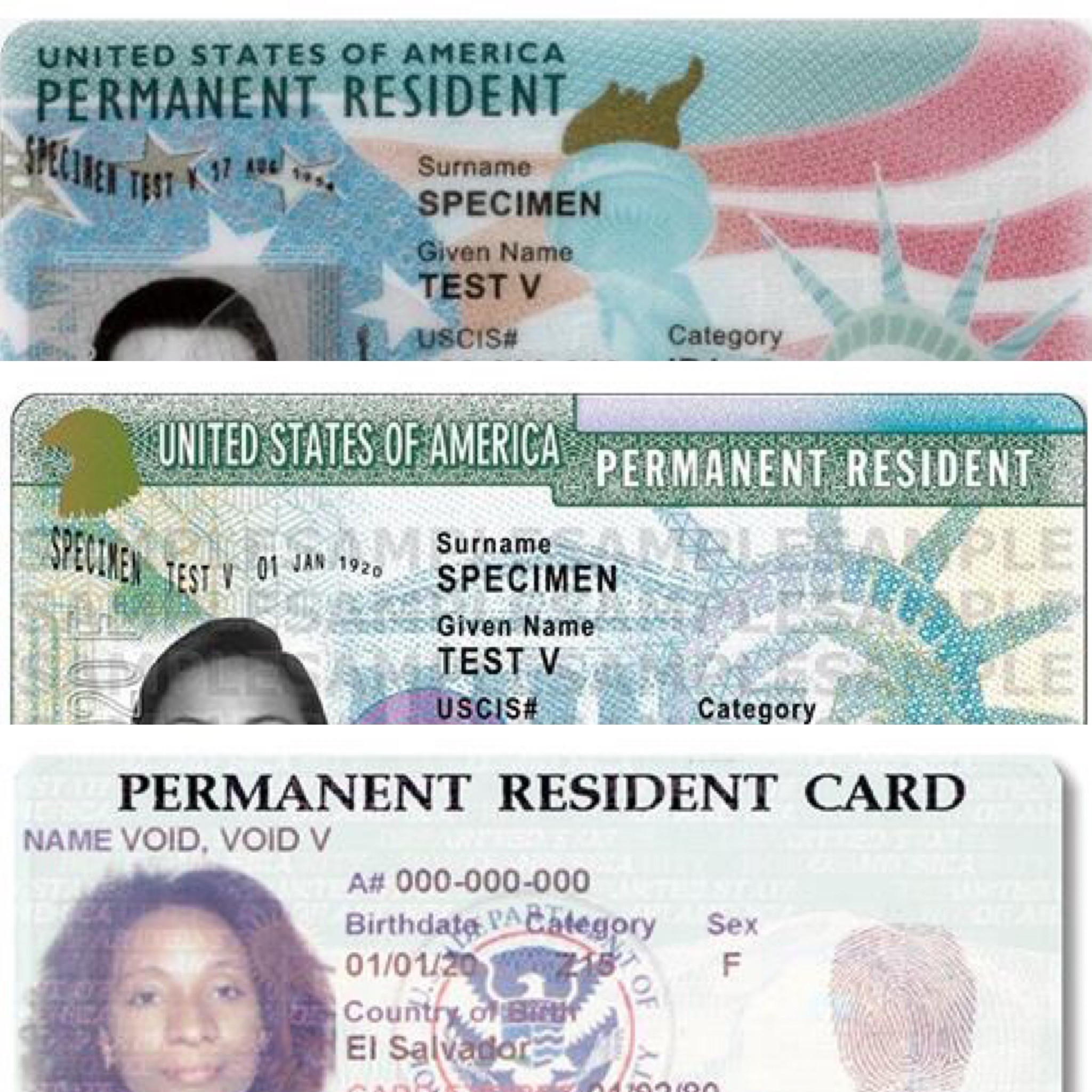
Understanding How the Green Card Lottery Works: A Guide to the US Diversity Visa Program
The US Green Card Lottery, officially known as the Diversity Immigrant Visa Program, provides up to 55,000 permanent resident visas annually to individuals from countries with historically low immigration rates to the United States. Ma...
The US Green Card Lottery, officially known as the Diversity Immigrant Visa Program, provides up to 55,000 permanent resident visas annually to individuals from countries with historically low immigration rates to the United States. Managed by the Department of State, the program uses a random computer selection process for qualified applicants who meet strict education or work experience requirements.
Contents
The Diversity Immigrant Visa (DV) Program is a congressionally mandated program that offers a unique path to lawful permanent residence (a Green Card) for individuals who do not have a qualifying employer or family member in the United States. Created by the Immigration Act of 1990, the program aims to diversify the American population by selecting applicants from countries that are underrepresented in other immigration categories. As we move through the 2026 calendar year, understanding the technical nuances of the registration, selection, and adjudication phases is essential for any prospective applicant.
The Mandate and Regional Quotas
The Green Card Lottery is not a simple "free-for-all" draw. It is governed by a complex formula that determines which countries are eligible each year. The United States Citizenship and Immigration Services (USCIS) calculates immigration numbers from the previous five years to identify "high-admission" countries. If a country has sent more than 50,000 immigrants to the U.S. in those five years through family-sponsored or employment-based categories, its natives are excluded from the lottery.
The visas are distributed across six geographic regions: Africa, Asia, Europe, North America (other than Mexico), Oceania, and South America, Central America, and the Caribbean. The Department of State ensures that no single country receives more than 7% of the total available diversity visas in a single fiscal year. This regional weighting means that individuals from regions with lower immigration rates often have a higher statistical probability of selection compared to those from more active regions.
Eligibility Requirements: The First Threshold
Before an individual can enter the lottery, they must satisfy two primary eligibility requirements. Failure to meet these will result in disqualification, either at the point of entry or during the visa interview.
1. Country of Chargeability
An applicant must generally be a native of a qualifying country. However, the program allows for "chargeability," which provides two main exceptions if your country of birth is ineligible:
- Spouse’s Country: If your spouse was born in an eligible country, you can claim that country as your own, provided both you and your spouse are named on the entry and receive visas simultaneously.
- Parents’ Country: If you were born in an ineligible country where neither of your parents was born or legally resident at the time of your birth, you may claim chargeability to the birth country of one of your parents.
2. Education or Work Experience
The program is designed to ensure that immigrants can contribute to the U.S. economy. Applicants must have:
- A High School Education: This is defined as successful completion of a formal course of elementary and secondary education comparable to a 12-year course in the United States.
- OR Work Experience: Two years of work experience within the past five years in an occupation that requires at least two years of training or experience to perform. The U.S. Department of State uses the O*NET OnLine database to determine qualifying work experience. To qualify, your occupation must be listed in a specific Job Zone with a Specific Vocational Preparation (SVP) rating of 7.0 or higher.
The Technical Registration Process
For the 2026 cycle (specifically the DV-2028 registration occurring in late 2026), the application process remains entirely electronic. There is no paper-based entry system. Applicants must use the official Electronic Diversity Visa (E-DV) website.
The Entry Window
The registration period typically opens in early October and closes in early November. Timing is critical; entries submitted outside this window are not accepted. Due to extremely high traffic in the final days of the registration period, the Department of State recommends submitting the entry as early as possible to avoid technical delays caused by website congestion.
Information Required
The entry form (DS-5501) requires standard biographical data, including full name, birth date, gender, city/country of birth, and contact information. Crucially, applicants must list their spouse and all unmarried children under the age of 21, regardless of whether those family members intend to immigrate. Failing to list eligible family members is a leading cause of disqualification.
The Photo Requirement
The most common technical reason for disqualification is an invalid photograph. The system uses automated facial recognition and image validation software. Photos must be:
- In JPEG format, 600x600 pixels in size, and no larger than 240KB.
- Taken within the last six months.
- Set against a plain white or off-white background.
- Free of eyeglasses (even if worn daily) and shadows.
Random Selection and Status Verification
After the registration window closes, the Kentucky Consular Center (KCC) processes the entries. The selection is performed through a randomized computer drawing. It is important to note that "selection" is not a guarantee of a visa; it is merely an invitation to apply for one of the 55,000 slots.
The Entrant Status Check
The Department of State does not send emails, letters, or make phone calls to notify winners. The only way to know if you have been selected is through the Entrant Status Check on the official website. This tool for the DV-2027 cycle became active in May 2026. Applicants must enter their unique confirmation number received during registration.
| Stage | Action Required | Responsibility |
|---|---|---|
| Registration | Submit DS-5501 form and digital photos | Applicant |
| Selection | Check status via Entrant Status Check | Applicant |
| DS-260 | Submit immigrant visa electronic application | Selectee |
| KCC Review | Document verification and case numbering | Government (KCC) |
| Interview | In-person consular interview and medical exam | Applicant & Embassy |
| Issuance | Visa stamped in passport; payment of USCIS fee | Consular Officer |
Post-Selection: The Path to Permanent Residency
If selected, the applicant is assigned a "rank number" based on their region. Visas are processed in numerical order. Those with lower rank numbers will likely have their interviews earlier in the fiscal year.
The DS-260 Form
Selectees must complete the Form DS-260, the Online Immigrant Visa Electronic Application. This form is much more detailed than the initial entry, requiring a full history of residence, employment, and prior travel to the United States.
Consular Processing vs. Adjustment of Status
Most winners live outside the United States and undergo "Consular Processing" at a U.S. Embassy or Consulate in their home country. However, if a selectee is already physically present in the United States in a different legal non-immigrant status (such as an H-1B or F-1 visa), they may be eligible to apply for "Adjustment of Status" through USCIS. This process allows the individual to become a permanent resident without leaving the country.
The Interview and Final Costs
The final hurdle is the in-person interview. Applicants must bring original documents, including birth certificates, court records (if any), military records, and evidence of education or work experience. A medical examination by an authorized physician is also mandatory.
While it is free to enter the lottery, the subsequent costs are significant. As of 2026, the Diversity Visa fee is $330 per person, which must be paid before or at the time of the interview. This fee is non-refundable, even if the visa is denied. Additionally, applicants must pay for the medical exam and a separate USCIS Immigrant Fee ($235) once the visa is granted to cover the cost of producing the physical Green Card.
Common Pitfalls and Security Cautions
The Green Card Lottery is a frequent target for scammers. Understanding the official workflow is the best defense against fraud.
- Multiple Entries: Submitting more than one entry for a person during the registration period will result in the disqualification of all entries for that person. However, a husband and wife may each submit one entry if both meet the eligibility requirements, effectively doubling the family's chances.
- The Confirmation Number: This number is the only key to your application. If you lose it, you can retrieve it via the official website using your email and personal details, but the Department of State will not provide it to you via other channels.
- No Notification Emails: Any email claiming you have won the lottery and asking for money is a scam. The U.S. government never asks for lottery fees via Western Union, wire transfer, or cryptocurrency.
- The September 30 Deadline: All diversity visas for a specific fiscal year must be issued by midnight on September 30 of that year. If the process is not completed by this hard deadline, the selectee loses their chance for that year, regardless of how far along they were in the process.
Frequently Asked Questions
Can I apply if I am already in the United States?
Yes. You can submit an entry for the lottery while living in the U.S. on a valid non-immigrant visa. If you are selected, you may be able to adjust your status through USCIS without returning to your home country, provided you have maintained legal status.
Is there a minimum age to apply?
There is no specific minimum age to apply, but the requirement for a high school education or specialized work experience effectively limits the applicant pool to individuals who are at least 18 years of age.
Can my family members join me if I win?
If you are selected and granted a visa, your spouse and unmarried children under the age of 21 are eligible to apply for visas as "derivatives." They must be listed on your original entry to be eligible later.
What happens if my country is not eligible this year?
Eligibility changes annually based on recent immigration trends. If your country is excluded, you can still apply if your spouse was born in an eligible country or if you qualify under the specific "chargeability" rules regarding your parents' birthplaces.
Do I need an immigration lawyer to enter the lottery?
No. The registration process is designed to be simple enough for individuals to complete on their own. While an attorney can assist with the complex DS-260 and interview phases if you are selected, using a consultant or lawyer for the initial entry does not increase your chances of being chosen.
Practical Recommendations
The primary task for any prospective applicant is to ensure absolute accuracy during the registration window. Because the selection is random, you cannot influence the outcome, but you can prevent an automatic disqualification by following the photo guidelines precisely and verifying your country's eligibility.
Once the registration is submitted, save a digital and physical copy of your confirmation page. Set a calendar reminder for early May of the following year to check your status. If you are selected, begin the DS-260 process immediately, as visas are limited and processed on a first-come, first-served basis according to rank numbers. For more specific legal guidance or complex cases involving prior visa denials, consulting a qualified immigration attorney is recommended.
Image Gallery