Why the Madison West Loop Beats Other Chicago Submarkets in 2026
The Madison West Loop outperforms other Chicago submarkets by offering a unique equilibrium of high-end residential stability, boutique commercial appeal, and superior walkability. Unlike the hyper-industrial density of Fulton Market o...
The Madison West Loop outperforms other Chicago submarkets by offering a unique equilibrium of high-end residential stability, boutique commercial appeal, and superior walkability. Unlike the hyper-industrial density of Fulton Market or the tourism-heavy congestion of River North, the Madison corridor provides a human-scale urban experience with direct connectivity to the Central Business District and the massive 1901 Project developments.
Contents
As we navigate the Chicago real estate landscape in 2026, the West Loop remains the city’s primary engine of growth. However, the internal dynamics of this neighborhood have shifted. While the "Fulton Market" brand dominated the early 2020s, savvy investors and residents have pivoted toward the Madison Street corridor. This specific sub-segment of the West Loop has matured into the city’s most resilient micro-market, balancing the "cool factor" of its industrial past with the infrastructure required for long-term institutional value.
The Avenue of Balance: Defining the Madison West Loop
To understand why the Madison West Loop is winning, one must first define its boundaries and its character. Geographically, this submarket centers on Madison Street, stretching from Halsted Street on the east to the United Center on the west. It serves as the primary east-west artery of the neighborhood, acting as the functional "Main Street" for the West Loop.
In 2026, the distinction between the "North of Lake" (Fulton Market) and "South of Lake" (Madison Corridor) sectors is stark. Fulton Market has become an ultra-high-density office and hospitality hub, resembling a secondary downtown. In contrast, the Madison West Loop has maintained a more nuanced mix. It features mid-rise luxury residential buildings, ground-floor "daily needs" retail (such as high-end grocers and wellness boutiques), and "Class A" boutique office spaces that cater to creative firms and family offices rather than massive tech conglomerates.
This balance is the primary reason for its outperformance. While the massive office towers of the Loop and Fulton Market face the volatility of fluctuating corporate footprints, the Madison corridor is anchored by permanent residents. These are individuals who not only work in the city but have committed their capital to the neighborhood's high-barrier-to-entry condos and luxury rentals.
Madison West Loop vs. Fulton Market: Depth Over Hype
For years, Fulton Market was the undisputed king of Chicago real estate. However, by 2026, the submarket has reached a level of density that some find overwhelming. The "Fulton fatigue" is a real phenomenon, characterized by construction noise, traffic congestion, and a lack of green space.
The Madison West Loop beats Fulton Market on three specific fronts:
1. The Human Scale and "Livable" Urbanism
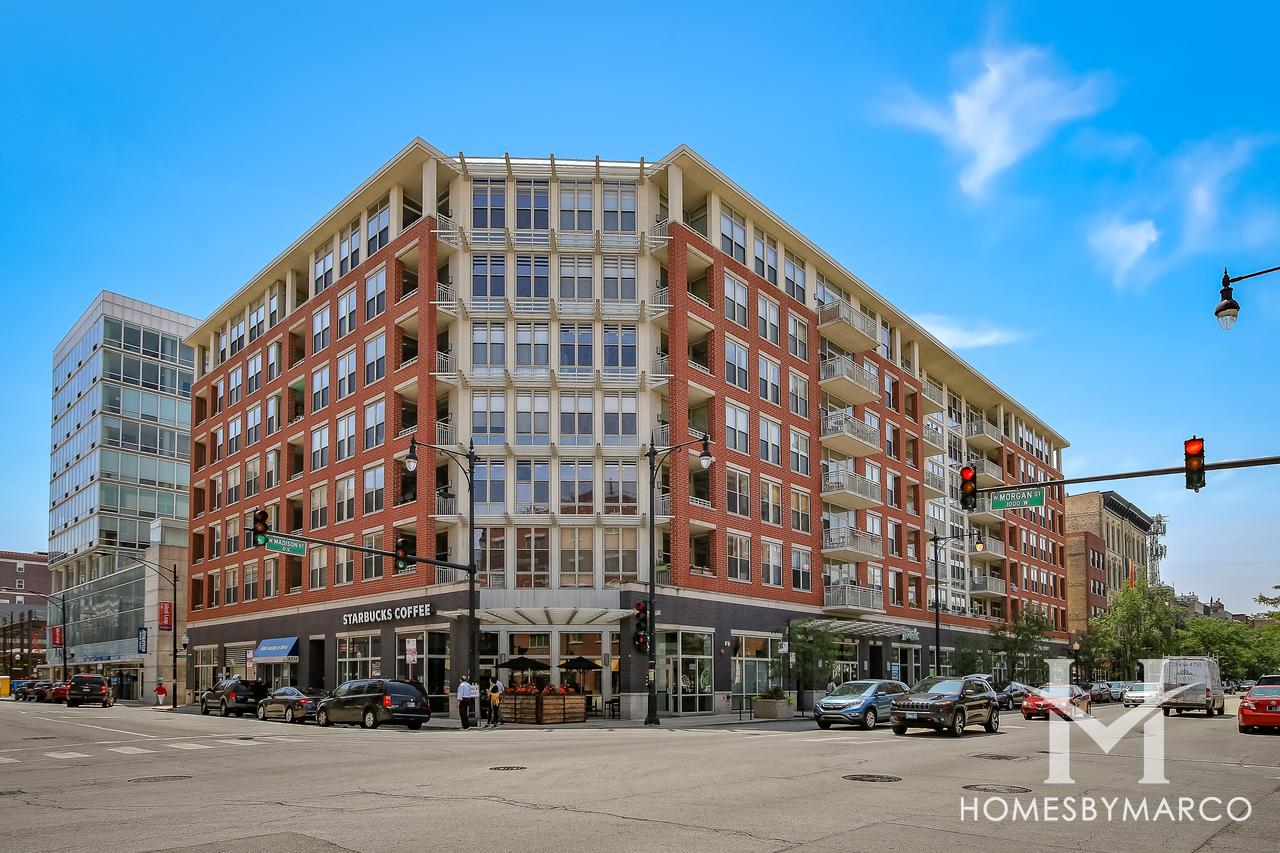
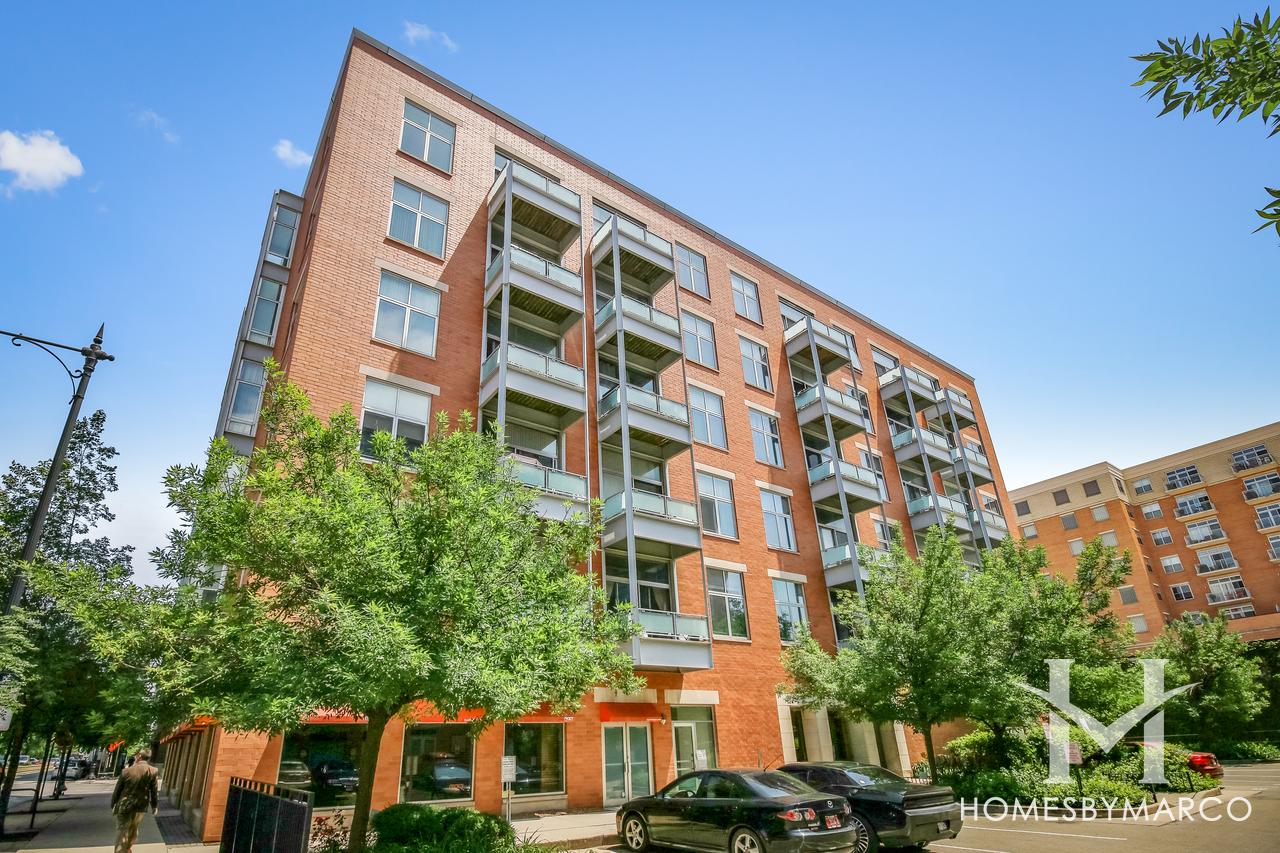
While Fulton Market is increasingly defined by 30-story glass towers, the Madison corridor is characterized by a more approachable architectural scale. Many developments here respect the 10-to-15-story height limit, which preserves sunlight and prevents the "canyon effect" seen in River North. This scale fosters a stronger sense of community and neighborhood identity, which translates to higher residential retention rates.
2. Proximity to Skinner Park
One of the West Loop’s greatest assets is Skinner Park, located just south of the Madison corridor. For residents, this is the neighborhood’s "backyard." Access to high-quality green space, athletic fields, and the highly-rated Skinner West Elementary School gives the Madison corridor a "family-friendly" edge that Fulton Market—largely comprised of transient professionals and hospitality venues—simply cannot match.
3. Retail Diversification
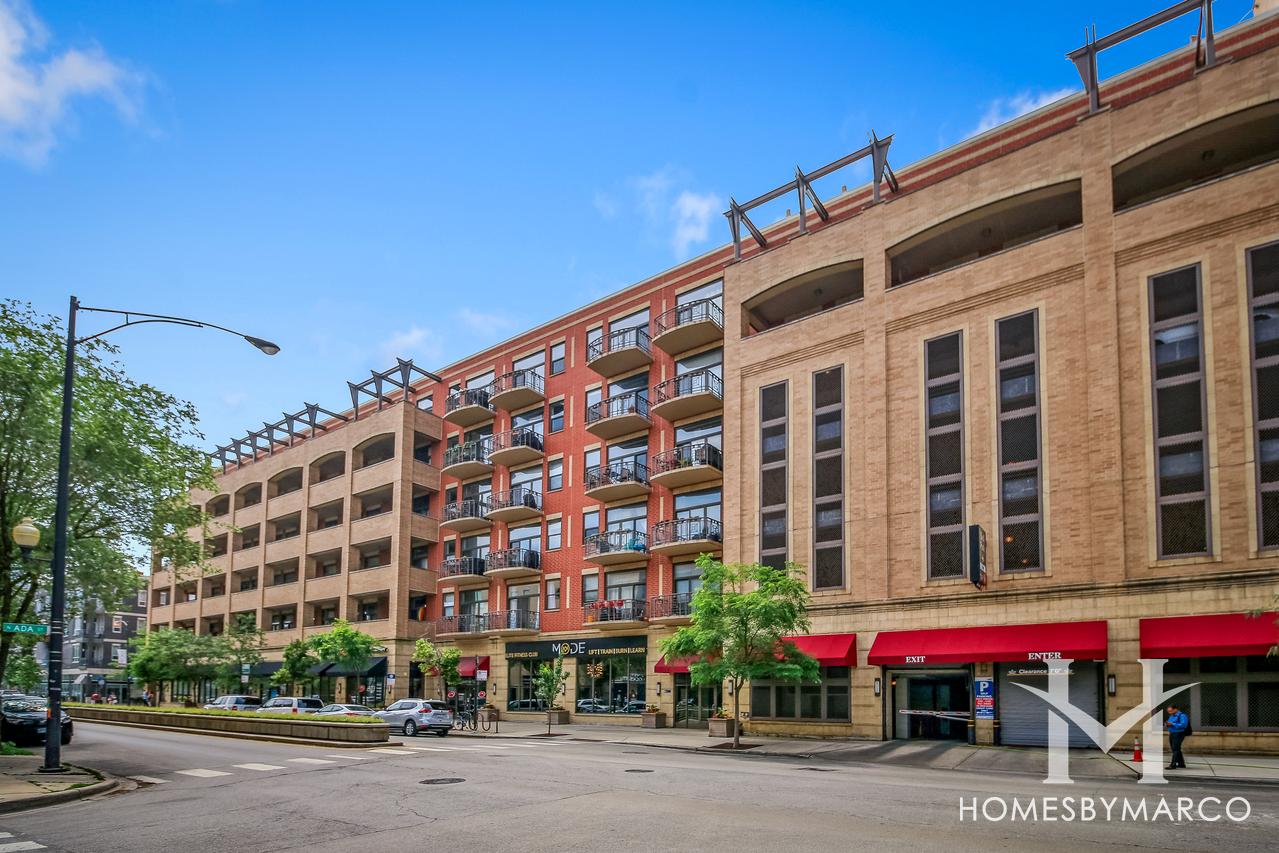
Fulton Market's retail is dominated by Michelin-starred restaurants and global luxury fashion brands. While prestigious, these do not serve the daily needs of a resident. The Madison West Loop features a more sustainable retail mix, including Whole Foods, Mariano’s, boutique gyms (like Brooklyn Boulders and Barry’s), and local pharmacies. In 2026, the "15-minute city" concept is fully realized here, where every essential service is within a five-block radius of Madison and Racine.
Comparative Performance Against River North and the South Loop
The Madison West Loop also maintains a significant lead over other established submarkets like River North and the growing South Loop. The primary driver here is the perceived safety and cleanliness of the West Loop, coupled with its newer infrastructure.
River North: The Challenge of Legacy Infrastructure
River North remains a powerhouse for tourism and nightlife, but in 2026, it struggles with the limitations of being a "legacy" submarket. Its streets are narrower, its buildings often require more intensive retrofitting for modern energy standards, and it lacks the cohesive neighborhood feel found in the West Loop. Investors are seeing better long-term yields in the Madison West Loop because the building stock is, on average, 15 years younger and designed for the modern "hybrid" lifestyle.
The South Loop: The Volume vs. Value Debate
The South Loop has seen an explosion of residential units over the last decade. However, it often suffers from a "supply glut" that suppresses rent growth. Furthermore, the South Loop lacks the concentrated employment base found in the West Loop. Residents in the Madison West Loop are often walking distance from their offices in the CBD or Fulton Market, whereas South Loop residents are more dependent on transit or commuting. The Madison West Loop captures a "premium" on convenience that the South Loop has yet to match.
The "1901 Project" and the Westward Expansion
The single most significant tailwind for the Madison West Loop in 2026 is the 1901 Project. This $7 billion multi-phase redevelopment of the parking lots surrounding the United Center is transforming the western edge of the neighborhood.
Because Madison Street is the direct link between the core West Loop and the United Center, it stands to benefit most from this expansion. The project is adding:
- Over 10 acres of new public green space.
- A 6,000-seat music venue.
- Thousands of new residential units and hotel rooms.
- Expansive retail and dining districts.
As the center of gravity in Chicago shifts further west, the Madison West Loop is no longer the "edge" of the neighborhood; it is now the geographic center. This shift has led to significant appreciation in property values along Madison, as the street now serves as the bridge between the established luxury of the eastern West Loop and the new, high-tech campus environment to the west.
Technical Data: Submarket Comparison (2026 Projections)
The following table compares the Madison West Loop with its primary competitors based on 2026 real estate metrics, including average rent per square foot (PSF), vacancy rates, and the "Walk Score" which measures the ease of pedestrian access to amenities.
| Submarket | Avg. Residential Rent (PSF) | Office Vacancy Rate | Walk Score | Primary Appeal |
|---|---|---|---|---|
| Madison West Loop | $4.85 | 9.2% | 98 | Balanced Live-Work-Play |
| Fulton Market | $5.10 | 12.5% | 94 | Corporate HQs & Nightlife |
| River North | $4.50 | 18.1% | 99 | Tourism & Entertainment |
| South Loop | $3.75 | 14.8% | 91 | High-Rise Value & Lake Access |
| Gold Coast | $4.25 | N/A | 97 | Legacy Luxury |
Note: Data represents 2026 market estimates based on current development pipelines and historical absorption rates.
Connectivity and the "Reverse Commute" Advantage
The Madison West Loop’s physical infrastructure is a major logistical advantage. It is positioned perfectly between the Ogilvie Transportation Center and Union Station to the east, and the I-90/94 and I-290 expressways.
For professionals who may occasionally need to travel to the suburbs for client meetings or to the airport, the Madison corridor offers the fastest "ingress and egress" of any downtown submarket. Furthermore, the neighborhood is served by the Morgan and Clinton "L" stations (Green and Pink Lines), as well as several high-frequency bus routes (specifically the #20 Madison bus).
This connectivity supports a "reverse commute" population—high-earning individuals who work in suburban corporate campuses (like those in Deerfield or Downers Grove) but choose to live in the city for the lifestyle. The Madison West Loop is their preferred destination because it avoids the gridlock of the Loop while providing an immediate exit to the highway system.
Common Questions Regarding the Madison West Loop
Is the Madison West Loop too expensive for new investors in 2026?
While entry prices are higher than in emerging areas like Humboldt Park or Avondale, the "floor" for property values in the Madison West Loop is significantly more secure. The concentration of institutional capital and the completion of the 1901 Project provide a level of risk mitigation that cheaper submarkets cannot offer. It is a "value-preservation" play with steady 3–5% annual appreciation.
How does the neighborhood handle the traffic from the United Center?
Traffic management has improved significantly with the 1901 Project’s infrastructure upgrades. New underground parking facilities and optimized signal timing on Madison and Washington Streets have reduced the "game day" congestion that previously plagued the area. Residents also benefit from increased police and security presence during events, which contributes to the overall safety of the corridor.
Are there enough schools and services for families?
Yes. The West Loop has evolved from a "singles" neighborhood into a genuine family enclave. In addition to the prestigious Skinner West, several private and charter options have opened nearby. The Madison corridor is also home to numerous pediatricians, dental offices, and youth-oriented enrichment centers (music schools, gymnastics, etc.), making it one of the few "downtown" areas where raising a family is not only possible but desirable.
What is the impact of the 1901 Project on local small businesses?
The 1901 Project is designed to be a "porous" development, meaning it encourages foot traffic to flow into the surrounding streets. Small businesses on Madison Street have seen a surge in "pre-game" and "post-event" customers, but more importantly, the thousands of new permanent residents in the 1901 district provide a consistent Monday-through-Friday customer base that didn't exist when the area was just surface parking lots.
Recommendations for Stakeholders
For Residents: Focus on the "Mid-Madison" area (between Racine and Loomis). This section offers the best balance of quiet residential life while being exactly halfway between the dining of Randolph Street and the amenities of the United Center district.
For Commercial Tenants: Look for "adaptive reuse" office spaces along Madison. These buildings offer the high ceilings and brick-and-timber aesthetics that employees crave, but often at a slight discount compared to the new-construction glass towers in Fulton Market.
For Real Estate Investors: Prioritize multi-family assets with a "wellness" or "sustainability" angle. In 2026, tenants in the West Loop are willing to pay a premium for LEED-certified buildings, EV charging stations, and air-filtration systems.
The Madison West Loop has successfully navigated the transition from a "developing" area to a "mature" urban powerhouse. By prioritizing the resident experience and benefiting from massive westward investment, it has solidified its position as Chicago’s premier submarket for the second half of the decade.
Image Gallery