Navigating Legal Representation: Finding the Right Personal Injury Lawyer in New Mexico
When you or a loved one suffers harm due to the negligence, recklessness, or wrongful conduct of another party, finding a qualified personal injury lawyer in New Mexico is a critical step toward securing compensation for medical bills,...
When you or a loved one suffers harm due to the negligence, recklessness, or wrongful conduct of another party, finding a qualified personal injury lawyer in New Mexico is a critical step toward securing compensation for medical bills, lost wages, and pain and suffering. New Mexico personal injury law involves specific statutes of limitations, comparative negligence rules, and insurance frameworks that require experienced legal navigation to ensure your rights are fully protected.
Contents
Understanding Personal Injury Law in New Mexico
Personal injury law encompasses a broad spectrum of civil disputes that arise when an individual is physically or emotionally harmed due to someone else's actions or failure to act. In New Mexico, these cases span motor vehicle collisions, slip and fall accidents, medical malpractice, product liability, and workplace injuries. The primary objective of hiring a personal injury attorney is to establish liability and pursue a fair financial recovery from the responsible parties or their insurance carriers.
Unlike criminal law, which focuses on punishing an offender on behalf of the state, personal injury law is a civil matter aimed at making the injured party whole again. This process involves gathering evidence, interviewing witnesses, reviewing medical records, and negotiating with insurance adjusters. If a fair settlement cannot be reached out of court, your attorney must be prepared to file a formal lawsuit and litigate the matter before a judge and jury in a New Mexico state or federal district court.
Key Legal Frameworks Impacting New Mexico Injury Claims
Navigating an injury claim in New Mexico requires a firm grasp of state-specific statutes and legal doctrines. These laws directly influence how fault is apportioned, how much time you have to file a case, and what types of damages you can recover.
The Statute of Limitations
Time is of the essence in any personal injury matter. Under New Mexico law (NMSA § 37-1-8), the general statute of limitations for personal injury claims is three years from the date the injury occurred. If your claim involves negligence by a state, county, or municipal government entity in New Mexico, the New Mexico Tort Claims Act applies, which mandates much shorter notice requirements and a strict two-year statute of limitations. Failing to file a lawsuit within these statutory windows typically bars you from recovering any compensation permanently.
Pure Comparative Negligence
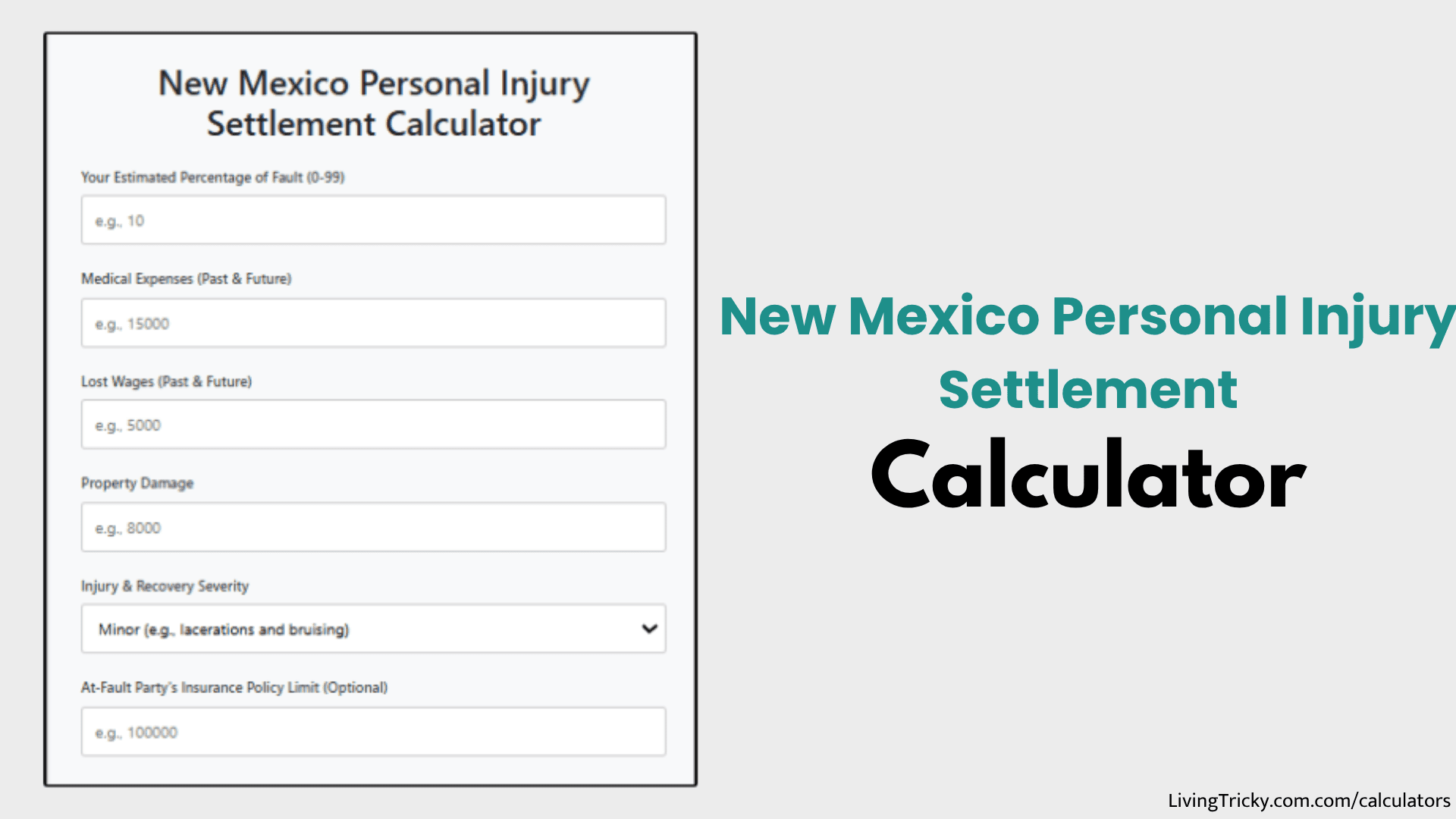
New Mexico follows a pure comparative fault rule. This means that even if you were partially at fault for an accident, you can still recover compensation for your damages. However, your total financial award will be reduced by your exact percentage of fault. For example, if a jury determines you were 20% responsible for a multi-car collision and your total damages equal $100,000, you will still be entitled to collect $80,000 from the other at-fault parties. Insurance adjusters frequently attempt to shift a disproportionate amount of blame onto injured claimants to reduce their payout obligations, making skilled legal advocacy essential.
Common Types of Personal Injury Cases Handled Locally
Personal injury practices in New Mexico handle a wide variety of accident scenarios. Understanding where your situation fits can help you identify a lawyer with the appropriate trial experience and technical knowledge.
- Motor Vehicle Collisions: Car, truck, motorcycle, and pedestrian accidents occurring on major New Mexico routes—such as Interstate 40, Interstate 25, or rural state highways—often involve complex insurance coverage disputes and commercial carrier regulations.
- Slip, Trip, and Fall Incidents: Premises liability claims arise when property owners fail to maintain safe walking surfaces, resulting in injuries at retail stores, hotels, or private properties.
- Medical Malpractice: Claims against doctors, nurses, or hospitals require navigating the New Mexico Medical Review Commission process before filing a lawsuit in court.
- Product Liability: Defective medical devices, faulty automotive parts, or dangerous consumer goods can cause catastrophic harm, necessitating deep resources to take on major manufacturing corporations.
How to Evaluate and Choose a Personal Injury Attorney
Selecting the right legal counsel can significantly influence the trajectory and outcome of your claim. Because the vast majority of personal injury attorneys operate on a contingency fee basis—meaning they collect a percentage of the final recovery rather than charging hourly fees—quality representation is accessible regardless of your immediate financial situation. However, not all lawyers possess the same level of courtroom experience or localized insight.
When interviewing prospective attorneys in New Mexico, consider several core criteria to ensure they match your needs:
| Evaluation Factor | What to Look For | Why It Matters |
|---|---|---|
| Trial Experience | Demonstrated history of taking complex cases to a jury verdict. | Insurers offer lower settlements to lawyers known only for quick plea-outs. |
| Local Court Familiarity | Experience practicing within specific New Mexico judicial districts. | Familiarity with local judges, defense counsel, and court rules streamlines procedures. |
| Resources & Staffing | Adequate financial and investigative support for expert witnesses. | Complex cases require accident reconstructionists and medical specialists. |
| Fee Structure Clarity | A transparent written contingency fee agreement and cost policy. | Prevents unexpected expenses deducted from your final settlement check. |
Steps to Take Immediately Following an Injury
The actions you take immediately after an accident in New Mexico can profoundly affect the strength of your legal claim. Insurance companies begin gathering evidence almost immediately, and you should protect your interests by following a structured approach.
- Seek Immediate Medical Attention: Prioritize your health and create an official medical record documenting the nature and extent of your injuries. Gaps in medical treatment are frequently exploited by insurance adjusters to argue that injuries were minor or unrelated to the incident.
- Report the Incident: File an official police report for traffic collisions, or notify property managers or business owners in writing for slip and fall incidents.
- Document the Scene: Take photographs and videos of the accident scene, property damage, visible injuries, and any contributing hazards (such as ice, spills, or obstructed signage) before conditions change.
- Gather Contact Information: Collect names, phone numbers, and insurance details from all involved parties, as well as contact information for any independent eyewitnesses.
- Decline Recorded Statements: Refuse to give recorded statements to opposing insurance adjusters or sign medical authorization forms until you have consulted with a legal professional.
Frequently Asked Questions
How much does a New Mexico personal injury lawyer cost?
Most personal injury lawyers operate on a contingency fee agreement. This means you pay nothing upfront, and the attorney only receives a predetermined percentage of the financial recovery if they successfully settle your case or win a verdict at trial. Always review the specific percentage and case-expense clauses in your written retainer agreement.
What if I was partially at fault for the accident in New Mexico?
New Mexico's pure comparative fault law allows you to pursue compensation even if you share a portion of the blame. Your ultimate financial award will be reduced in direct proportion to your assigned percentage of fault. An experienced attorney can help challenge unfair allocations of blame by insurance adjusters.
How long will my personal injury claim take to resolve?
The duration of a personal injury claim varies widely based on the complexity of the accident, the severity of your injuries, and the willingness of the insurance company to negotiate fairly. Simple claims involving clear liability may settle in a few months, whereas complex medical malpractice or catastrophic injury lawsuits involving multiple expert witnesses can take a year or longer to litigate.
Should I accept the first settlement offer from the insurance company?
You should rarely accept the initial settlement offer from an insurance adjuster. First offers are almost universally designed to minimize the insurer's financial payout and are typically issued before the full long-term cost of your medical treatment, rehabilitation, and lost earnings is known. Consult a lawyer to properly value your claim before signing any releases.
Next Actions for Injured Claimants
If you or a loved one is dealing with the physical and financial fallout of an accident, taking prompt action is vital to preserve evidence and comply with New Mexico's strict statutes of limitations. Begin by organizing your medical records, police reports, and correspondence with insurers. Schedule consultations with reputable personal injury lawyers in your area to discuss the specifics of your case, evaluate your legal options, and secure the advocacy you need to pursue a full and fair recovery.
Image Gallery