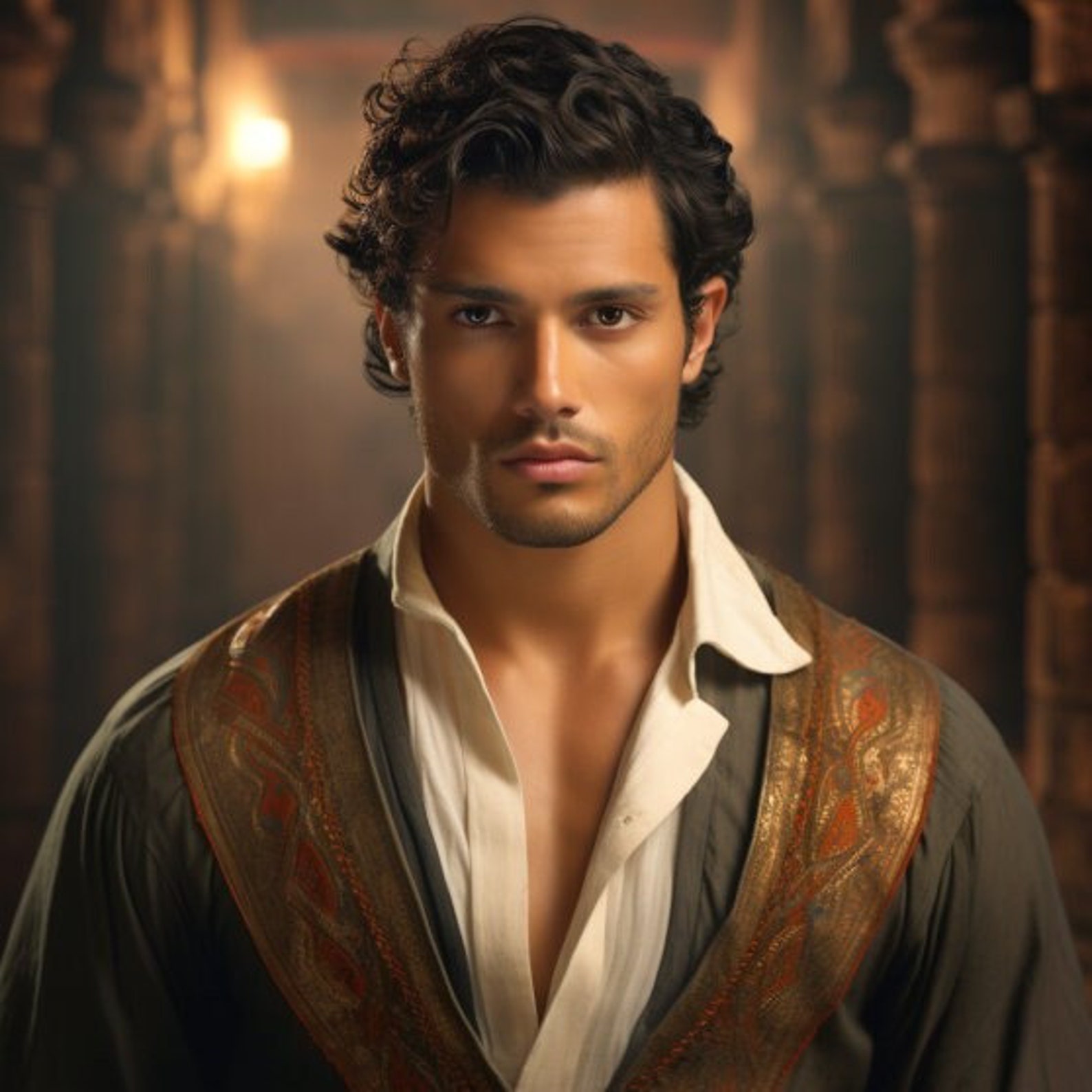
The Complete Guide to Working as a Romance Novel Cover Model
A romance novel cover model is a professional whose likeness is licensed for book covers, acting as the visual embodiment of characters in romance fiction. These models work with photographers, stock agencies, and independent authors t...
A romance novel cover model is a professional whose likeness is licensed for book covers, acting as the visual embodiment of characters in romance fiction. These models work with photographers, stock agencies, and independent authors to create evocative imagery that influences reader purchases and shapes publishing industry trends.
Contents
The publishing industry relies heavily on visual storytelling to capture reader attention in crowded digital and physical marketplaces. Within this ecosystem, the romance novel cover model plays a pivotal role. Whether gracing the dust jacket of a historical romance, a billionaire contemporary drama, or a paranormal fantasy, these professionals bridge the gap between written imagination and visual marketing. Understanding this niche requires looking past the glossy finished product to examine the business mechanics, licensing agreements, physical demands, and industry standards that govern the profession.
Understanding the Role of a Romance Novel Cover Model
The primary function of a romance novel cover model is to portray specific character archetypes that resonate with romance readers. These archetypes often include rugged heroes, brooding billionaires, gentle historical heroines, or fierce fantasy warriors.
Unlike high-fashion runway models who prioritize avant-garde aesthetics and strict measurements, romance cover models must convey deep emotional expressions, narrative chemistry, and approachable yet idealized physical traits. A successful model in this genre knows how to telegraph vulnerability, passion, or intense brooding purely through facial expressions and body positioning.
Photographers and authors typically look for specific traits depending on the subgenre. Historical romance covers often feature models with classic features, long flowing hair, and period-appropriate styling. Contemporary romance covers frequently demand modern styling, tattoos, beards, or corporate-ready aesthetics. Paranormal and fantasy romances require models willing to pose with props like swords, leather armor, or digital backdrops that will later be replaced by intricate graphic design.
How Romance Cover Modeling Works: From Shoot to Shelf
The journey of an image from a studio flash to a bestselling novel involves several structured steps, coordination between multiple stakeholders, and adherence to legal agreements.
1. Casting and Conceptualization
Authors, art directors, or indie stock photography creators begin by developing a mood board or cover brief. This brief outlines the character's age, ethnicity, expression, clothing, and pose. Models are cast either through traditional modeling agencies, specialized indie creator networks, or direct outreach via social media platforms.
2. The Photo Shoot
During the shoot, the photographer directs the model through a series of emotive poses. Because romance covers often feature two people, models frequently work with a co-model to simulate romantic tension, embraces, or dramatic confrontations. Good chemistry and professional boundaries are essential during these sessions, as models must create convincing intimacy while working in a technical studio environment.
3. Licensing and Usage Rights
Unlike commercial advertising where a brand buys exclusive rights to a face for a campaign, romance novel covers often rely on stock photography platforms (such as Depositphotos, Shutterstock, or specialized boutique sites like Period Images and Stock Romance Photos). Alternatively, authors may commission bespoke photo shoots. In both scenarios, the images are sold under specific licensing agreements that dictate how many times the image can be used, whether it is exclusive to one book, and geographic distribution limits.
Compensation, Costs, and Business Realities
Navigating the financial side of romance cover modeling requires understanding the difference between stock licensing royalties and custom session fees.
For stock photography, models generally receive a flat fee or a percentage of royalties every time an image is downloaded or licensed by an author. Because thousands of indie authors utilize budget-friendly stock images, a popular cover model's face might appear across dozens of different self-published titles globally.
Custom shoots, conversely, involve higher upfront compensation. A professional model working on a bespoke cover shoot for a major publishing house (such as Penguin Random House, HarperCollins, or Macmillan) or a high-selling indie author will charge a day rate or project fee. These rates vary based on the model's experience, recognition within the romance community, and the intended scope of the book's distribution (e.g., ebook-only versus global print and audio marketing campaigns).
| Service Type | Typical Compensation Model | Primary Buyer | Usage Rights |
|---|---|---|---|
| Stock Photography | Per-download royalties or flat upfront buyouts | Indie authors, small presses | Non-exclusive, shared with other buyers |
| Bespoke Photo Shoots | Day rates or fixed project fees | Traditional publishers, bestselling indie authors | Exclusive or time-limited regional exclusivity |
| Cover Reveal / Promo Modeling | Social media promotional fees or gifted products | Authors, book bloggers | Promotional imagery for launch campaigns |
Legal, Ethical, and Privacy Considerations
Working in the romance cover industry involves unique legal frameworks, particularly regarding likeness rights, copyright, and digital manipulation.
When models sign a release form, they grant the photographer or agency the right to license their likeness for commercial publication. However, romance covers carry a specific reputation. Because some covers feature suggestive themes, shirtless poses, or intimate embraces, models must carefully evaluate how these images might impact other areas of their modeling or professional careers.
Furthermore, digital post-processing is standard in the industry. Graphic designers frequently manipulate lighting, add digital tattoos, alter eye color, or composite two different models onto a single background. Models must be comfortable with their likeness being altered to fit an author's precise vision. It is also common for models to sign non-disclosure agreements regarding upcoming book plots, titles, or author identities prior to a public cover reveal.
Common Challenges and Industry Misconceptions
Many people romanticize the profession, imagining a glamorous lifestyle of constant travel and effortless fame. In reality, working as a romance cover model involves rigorous physical conditioning, long hours under hot studio lights, and maintaining precise physical standards.
- Misconception: Models get rich off royalties alone.
- Reality: Unless a model is featured on a runaway bestseller with massive print runs or high stock-download volume, earnings can fluctuate significantly. Many models maintain secondary careers or diversify into commercial print, fitness modeling, or acting.
- Misconception: Posing for romance covers requires no acting skill.
- Reality: Capturing genuine-looking emotional depth without looking staged requires substantial performance ability. Authors rely on these micro-expressions to instantly communicate the genre and tone of their book to browsing readers.
Frequently Asked Questions
How do I become a romance novel cover model?
Aspiring models typically start by building a portfolio that showcases emotive portraiture, fitness, and versatility across different aesthetics (historical, contemporary, fantasy). You can submit portfolios to specialized stock photographers who cater to romance authors, or register with commercial modeling agencies that handle print and stock licensing work.
Do romance cover models actually read the books they are on?
Usually, no. Because most models are hired for stock photo sessions long before a specific book is written or titled, they pose based on abstract mood boards and character briefs rather than specific plotlines. However, some models hired for bespoke, high-profile traditional book covers do receive character breakdowns or advance reading copies.
Can a romance cover model's face be used without their permission?
No. Legitimate photographers and publishers require a signed model release form before licensing any image for commercial publication. Using a person's likeness without a signed release or outside the boundaries of the agreed-upon license constitutes copyright and privacy infringement.
Why do different books sometimes use the same cover model?
Many authors utilize affordable stock photography websites where hundreds of different creators purchase the same base images. This economic reality means a popular model's face frequently appears across multiple unrelated indie romance novels published across the globe.
How much do romance cover models get paid?
Earnings vary wildly. Stock models earn modest royalties per download, which can accumulate over time if an image proves popular. Bespoke or exclusive cover models working directly with major publishing houses command higher flat day rates, often ranging from several hundred to thousands of dollars depending on the campaign scale.
Next Steps for Aspiring Models and Writers
If you are an aspiring model looking to enter this niche, focus on building a versatile portfolio of expressive portraits, cultivating relationships with photographers who specialize in book covers, and understanding the legal nuances of stock licensing versus exclusive contracts. If you are an author or designer searching for a model, explore specialized stock licensing platforms, verify release documentation, and ensure your licensing tier matches your projected distribution scale.
Image Gallery