Navigating Neighborhood Transformation: Understanding the Complex Landscape of Urban Renewal and Community Dynamics
Urban renewal initiatives, commercial developments, and neighborhood-level transformations drive significant physical and economic changes across metropolitan areas like New York City, sparking vital community discussions about equity,...
Urban renewal initiatives, commercial developments, and neighborhood-level transformations drive significant physical and economic changes across metropolitan areas like New York City, sparking vital community discussions about equity, local investment, and long-term neighborhood preservation.
Contents
The phrase "b diddy bronx a neighborhood transformation" intersects with conversations surrounding real estate development, local community branding, cultural identity, and urban change in New York City's northernmost borough. While major metropolitan districts undergo continuous cycles of investment, property acquisition, and commercial evolution, understanding these shifts requires analyzing both the macro-level economic trends and the micro-level impacts on local residents, small businesses, and community organizations. Urban neighborhood transformations involve complex legal frameworks, zoning regulations, private capital investments, and municipal programs designed to revitalize aging infrastructure, stimulate local economies, and address historical disparities in housing and employment.
The Foundations of Urban Transformation in the Bronx
Urban transformation is rarely a singular event; it is an ongoing process driven by economic shifts, municipal policy decisions, and real estate market dynamics. In the Bronx, the historical context of disinvestment followed by periods of reinvestment has shaped how contemporary developments are planned, executed, and perceived by longtime residents.
Historical Context and Municipal Planning
For decades, the Bronx experienced distinct phases of urban decay, municipal neglect, and subsequent grassroots rebuilding. Neighborhoods like Mott Haven, South Bronx, and Highbridge have undergone massive changes due to rezoning initiatives implemented by the New York City Department of City Planning. These zoning changes often permit higher-density residential and commercial developments, transforming industrial waterfronts and underutilized corridors into mixed-use communities.
Municipal planning in the borough focuses heavily on balancing the need for new housing—particularly affordable housing units—with the preservation of community character. However, these planning efforts frequently intersect with private investment pressures. As developers identify opportunities for capital appreciation, property values shift, altering the economic landscape for commercial tenants and renters alike.
Private Capital and Real Estate Investment
Private investment acts as a primary engine for neighborhood transformation. Commercial developers, real estate investment trusts, and private equity firms look to the Bronx for untapped market potential, relatively lower land acquisition costs compared to Manhattan or Brooklyn, and transit-accessible locations.
- Residential Development: Construction of new multi-family apartment buildings featuring modern amenities.
- Commercial Retail: Introduction of national chains, boutique fitness spaces, and specialized dining establishments.
- Industrial Adaptation: Conversion of former manufacturing warehouses into modern logistics hubs, creative workspaces, or cultural venues.
While these investments bring modern infrastructure and retail options, they also introduce economic pressures that require careful navigation by local policy-makers and community boards to prevent displacement.
Key Drivers of Change: Infrastructure, Culture, and Commerce
Neighborhood transformation relies on several foundational pillars that alter how people live, work, and interact within a specific geographic footprint. In the Bronx, these drivers manifest through transportation enhancements, cultural prominence, and evolving commercial ecosystems.
Transportation and Accessibility
Transportation infrastructure remains a critical catalyst for urban change. Proximity to Metro-North Railroad stations, major subway lines (such as the 2, 4, 5, B, and D trains), and major highways heavily influences where private capital flows.
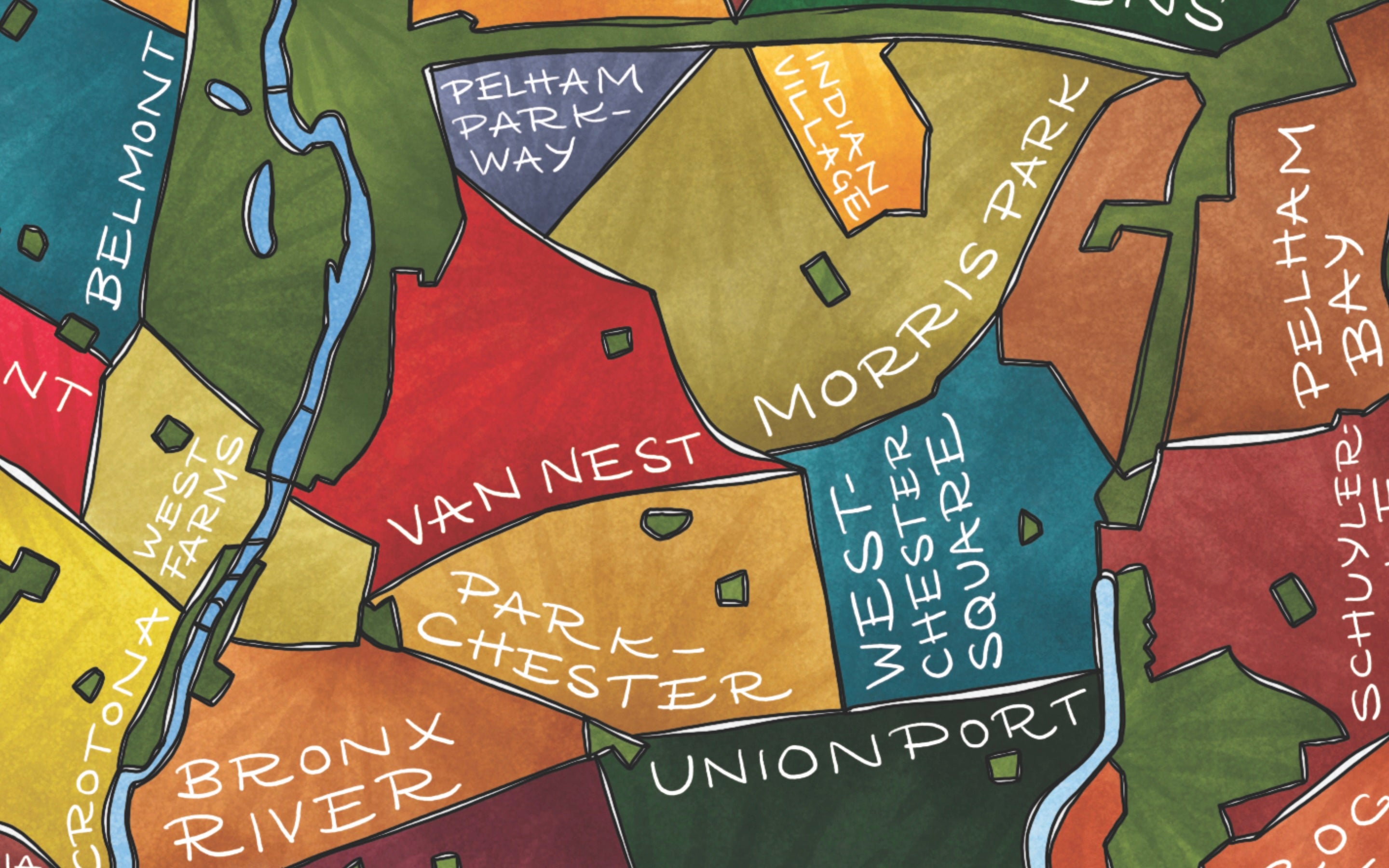
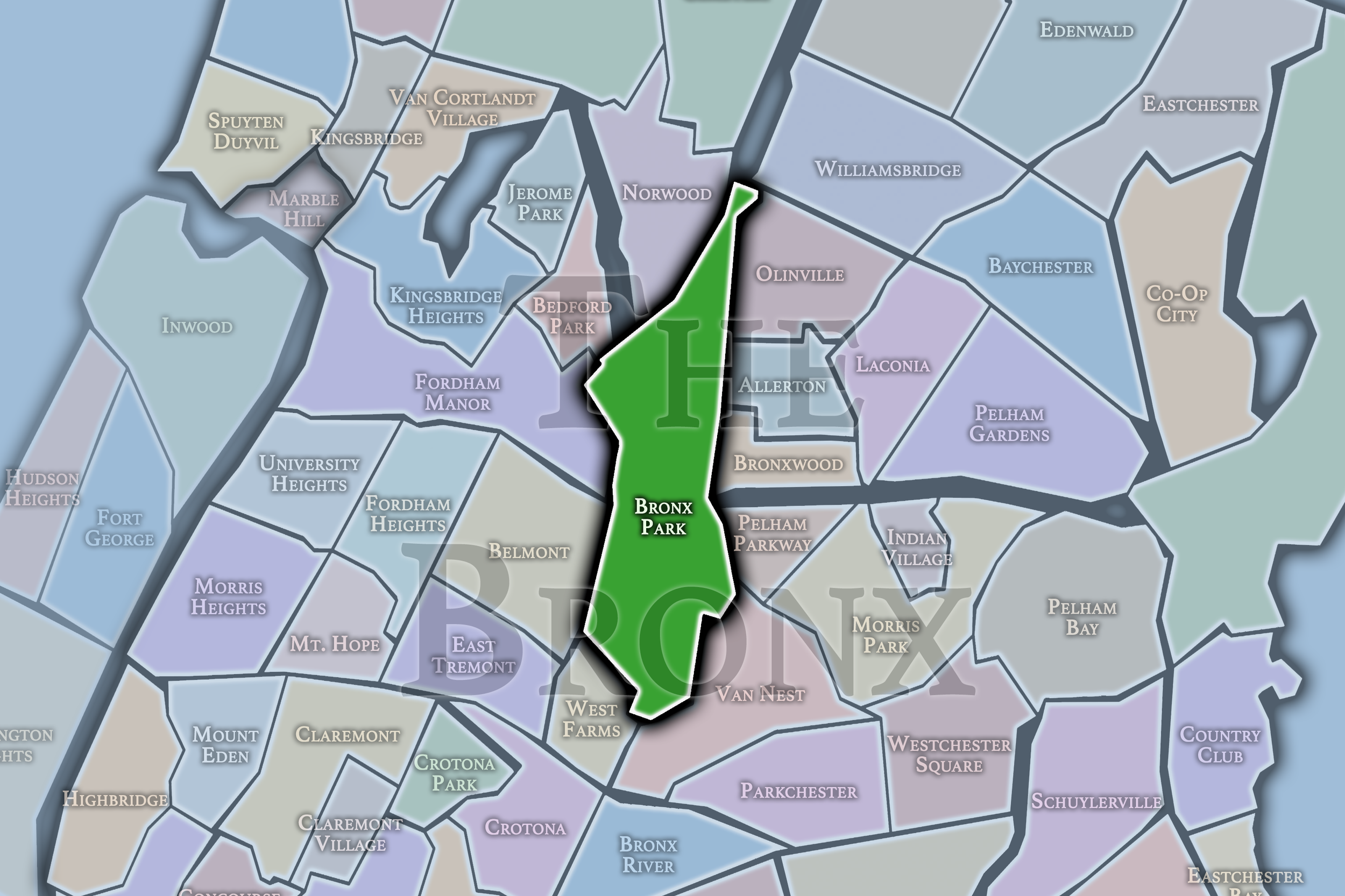
Recent commitments to expand Metro-North service into the East Bronx—including new stations in Morris Park, Parkchester/Van Nest, Morris Park, and Co-op City—illustrate how transit investments directly correlate with increased real estate interest. Enhanced connectivity reduces commute times to Manhattan and Westchester, making the borough increasingly attractive to commuters and institutional investors.
Cultural Identity and Economic Empowerment
The cultural footprint of the Bronx is globally recognized, largely built upon its rich musical, artistic, and athletic heritage. Urban transformation initiatives increasingly seek to leverage this cultural capital. From community-driven arts spaces to commercial ventures backed by prominent cultural figures and entrepreneurs, the local economy benefits from leveraging authenticity and local pride.
At the same time, community advocates emphasize that cultural branding must directly benefit the people who built and maintained the neighborhood's identity during its most challenging decades. Economic empowerment strategies often focus on minority-owned business support, local hiring mandates for construction projects, and community land trusts that guarantee long-term affordability.
Comparative Impact Matrix: Development vs. Community Preservation
To understand the multifaceted nature of neighborhood transformation, it is essential to examine how various stakeholder groups experience and influence the process. The following table outlines the primary dimensions of urban change and their divergent impacts.
| Dimension | Primary Development Objective | Potential Community Benefit | Associated Risk or Challenge |
|---|---|---|---|
| Housing | Increase housing stock and modernize residential infrastructure. | Creation of subsidized and inclusionary affordable housing units. | Rising median rents and risk of tenant displacement. |
| Commercial Retail | Attract diverse retail options and increase municipal tax revenue. | Improved access to fresh food, modern services, and retail variety. | Displacement of legacy mom-and-pop businesses due to rising commercial leases. |
| Infrastructure | Upgrade aging utilities, transit systems, and public green spaces. | Enhanced public safety, cleaner streets, and improved recreational access. | Construction disruption, noise pollution, and gentrification pressures. |
| Employment | Stimulate job creation in construction, tech, and service sectors. | Local hiring opportunities and workforce training programs. | Skill mismatches for existing residents and seasonal job volatility. |
Addressing Displacement and Housing Affordability
One of the most pressing concerns associated with neighborhood transformation is the preservation of housing affordability. As property assessments rise, long-term residents face the threat of rent burden or displacement.
Policy Mechanisms and Tenant Protections
New York City and State implement various regulatory frameworks to mitigate housing instability. Rent stabilization laws, the Good Cause Eviction framework, and inclusionary housing zoning mandates are designed to protect tenants from predatory practices and exorbitant rent hikes. Furthermore, community-based non-profits and housing coalitions play an indispensable role in providing legal aid, organizing tenant associations, and advocating for equitable development policies.
Community Land Trusts (CLTs)
An increasingly popular model for combating speculative real estate practices is the Community Land Trust. By acquiring land and removing it from the speculative market, CLTs ensure that housing and commercial spaces remain permanently affordable for community members. Several initiatives across the Bronx explore this model to secure long-term community ownership and self-determination.
Frequently Asked Questions
What triggers rapid neighborhood transformation in urban areas?
Rapid transformation is typically triggered by a combination of municipal rezoning, infrastructure investments (such as transit expansions), availability of underutilized land, and an influx of private capital seeking higher returns compared to saturated neighboring markets.
How do new developments affect local small businesses in the Bronx?
While new commercial developments can increase overall foot traffic, they often drive up property taxes and commercial rents. This dynamic can create financial strain for legacy small businesses unless they own their properties or receive targeted commercial rent stabilization support.
What is the role of community boards in urban transformation?
New York City community boards serve as local advisory bodies. They review land use and zoning proposals, evaluate liquor license applications, and provide a public forum where residents can voice support or opposition regarding proposed neighborhood developments.
How does transit expansion influence property values?
Improved public transportation connectivity reduces travel times to major employment centers. Real estate markets naturally price in this convenience, frequently leading to increased property values, higher rental demand, and accelerated private investment near transit hubs.
Are there safeguards to prevent the displacement of long-term residents?
Yes, safeguards include rent stabilization laws, inclusionary zoning requirements that mandate a percentage of affordable units in new developments, government-funded tenant legal services, and the establishment of community land trusts.
Practical Next Actions for Residents and Stakeholders
For residents, business owners, and community advocates seeking to navigate or influence neighborhood transformation, proactive engagement is vital.
- Attend Community Board Meetings: Stay informed about proposed zoning changes, new construction projects, and municipal hearings in your local district.
- Understand Tenant Rights: Familiarize yourself with New York housing laws, rent regulation guidelines, and local legal assistance organizations if facing housing instability.
- Support Local Commerce: Prioritize shopping at independent, legacy small businesses to help sustain the unique economic fabric of the neighborhood.
- Participate in Local Planning Initiatives: Engage with local non-profits, housing coalitions, and civic groups working to secure equitable development outcomes and community land ownership.
Image Gallery