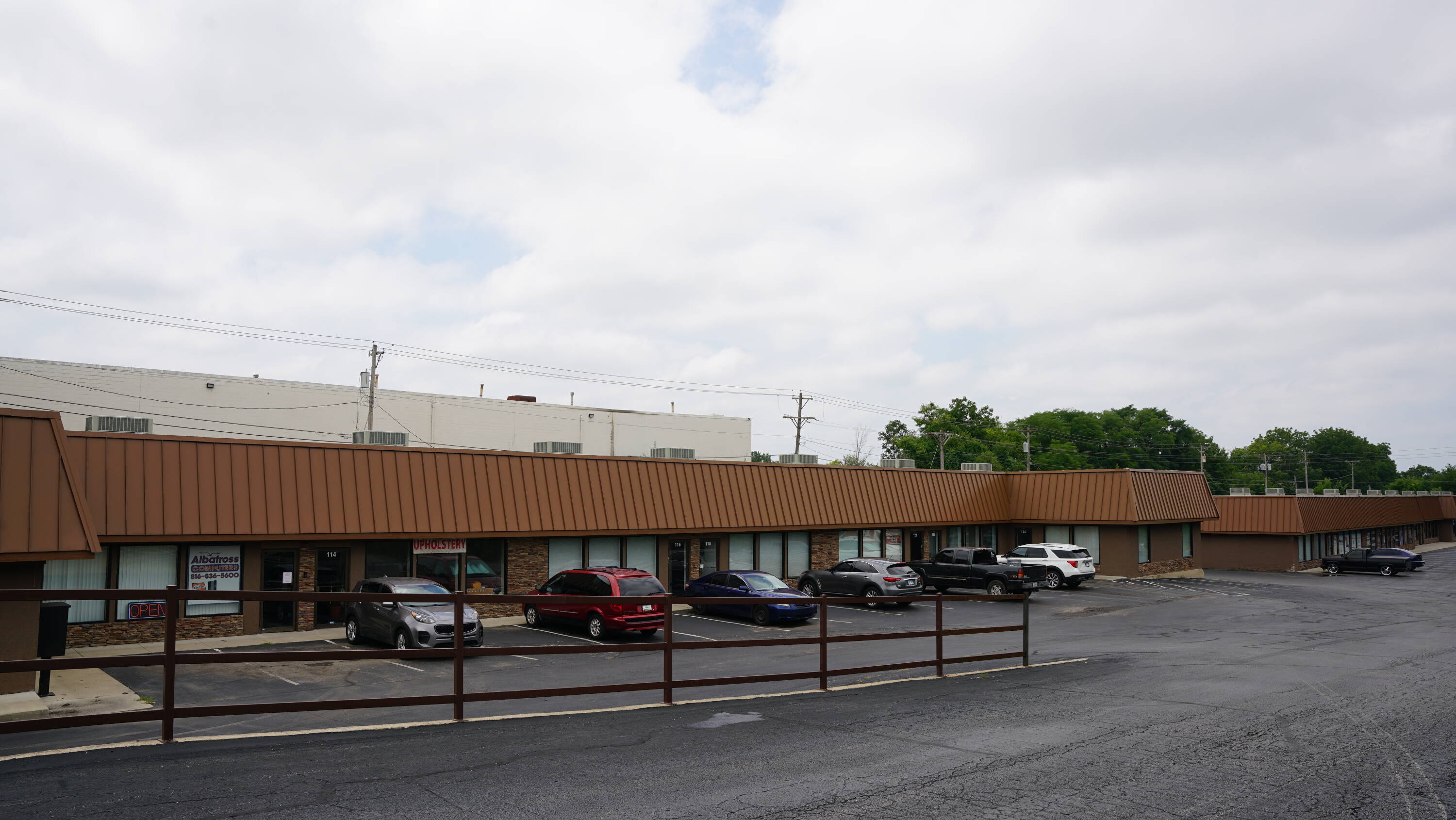
A Comprehensive Guide to Veterinary Care at Independence Animal Hospital on Noland Road
Independence Animal Hospital, located on Noland Road in Independence, Missouri, serves as a cornerstone for local pet health by providing essential veterinary services, including routine wellness exams, preventative medicine, diagnosti...
Independence Animal Hospital, located on Noland Road in Independence, Missouri, serves as a cornerstone for local pet health by providing essential veterinary services, including routine wellness exams, preventative medicine, diagnostics, and surgical procedures. For pet owners in the Kansas City metropolitan area, understanding the scope of services, operational standards, and preparation requirements is essential for ensuring high-quality, continuous care for their animals.
Contents
Navigating Veterinary Services at Independence Animal Hospital
The facility on Noland Road is designed to manage both the routine health maintenance of pets and the management of acute or chronic conditions. Primary care at this location typically revolves around a preventive philosophy, emphasizing that early detection of illness is the most effective way to extend the quality and length of a pet's life.
Preventive Wellness Programs
Routine wellness examinations are the foundation of the hospital’s approach. These visits are not merely physical check-ups; they are comprehensive health assessments. During a standard 2026 wellness visit, veterinarians evaluate the patient’s body condition, oral health, cardiovascular function, and ocular health. Owners should expect a review of vaccination schedules, which are tailored to the individual pet's lifestyle, exposure risks, and age. Parasite prevention is another critical component, as the Missouri climate necessitates ongoing vigilance against heartworm, fleas, and ticks throughout the year.
Diagnostic Capabilities
When a pet presents with symptoms or abnormalities, the hospital utilizes diagnostic tools to pinpoint the cause. This includes in-house laboratory testing for blood chemistry, complete blood counts (CBC), and urinalysis, which provide immediate data regarding organ function and systemic health. Radiography (X-rays) remains a staple for diagnosing musculoskeletal issues, foreign body ingestions, and thoracic conditions. The integration of these services on-site allows for more efficient clinical decision-making compared to facilities that must outsource laboratory work.
Surgical and Dental Procedures
Surgical services encompass both elective procedures, such as spaying, neutering, and mass removals, and non-elective urgent surgeries. The hospital maintains protocols for anesthetic monitoring, which is a significant factor for owners concerned about the safety of their pets during procedures. Dental health is also a major focus; periodontal disease is common in domestic pets and can lead to secondary systemic health issues. Dental cleanings at this facility typically involve professional scaling and polishing under anesthesia, followed by a thorough examination of the oral cavity.
Preparing for Your Visit: Requirements and Expectations
To ensure a productive visit to the Independence Animal Hospital, preparation is key. Whether you are a new client or an established patient returning for a follow-up, understanding the administrative and clinical requirements can streamline the experience.
Documentation and Medical History
If you are visiting for the first time, or if your pet has been seen at a different facility, it is vital to provide complete medical records. Modern veterinary care is highly dependent on continuity; knowing the specific brand of vaccine administered previously, the results of past blood panels, or a history of allergic reactions allows the veterinarian to make safer, more informed choices. If you have moved to the area, request that your previous veterinarian email or fax these records ahead of your appointment.
Preparing the Animal
Pets often experience stress in a clinical environment. For cats, a secure, familiar carrier is mandatory. For dogs, a well-fitted leash is required at all times while in the lobby. If your pet is known to be reactive or aggressive, communicate this clearly during the appointment scheduling process. The staff can often accommodate these needs by having you wait in your vehicle until a room is prepared, minimizing the contact between your pet and others in the waiting area.
Comparing Standard Veterinary Service Categories
To assist in understanding the variety of care options available at a full-service clinic, the following table breaks down common service levels and their primary purposes.
| Service Category | Primary Purpose | Frequency | Key Components |
|---|---|---|---|
| Wellness Exams | Prevention & Baseline | Annual/Bi-annual | Physical exam, vaccines, weight check |
| Urgent Care | Acute Problem Solving | As needed | Triage, diagnostics, symptomatic treatment |
| Dental Care | Oral Hygiene & Disease | 1-2 Years | Scaling, polishing, oral imaging |
| Laboratory | Data Collection | During illness | Blood panels, fecal tests, urinalysis |
| Imaging | Internal Visualization | As needed | X-rays, ultrasound (if available) |
Managing Costs and Insurance Considerations
Veterinary costs can vary significantly based on the type of care required, the weight of the pet, and the presence of underlying health conditions. In 2026, many pet owners are increasingly turning to pet insurance to help mitigate the financial impact of unexpected veterinary expenses.
When considering the cost of services at a private practice like the one on Noland Road, it is helpful to distinguish between "hard" costs—such as anesthesia, medication, and laboratory consumables—and professional fees related to the veterinarian's time and expertise. Before scheduling major procedures, feel free to request a treatment plan or an estimate. This document should itemize the expected costs for the examination, pre-surgical blood work, anesthetic monitoring, the procedure itself, and post-operative medications.
Common Questions About Veterinary Care
Addressing frequent concerns can help owners feel more confident when choosing a primary care provider for their animals.
How often should my pet have a blood test?
For healthy adult pets, a baseline "wellness" blood panel is often recommended annually to catch subtle trends in organ function that are not visible during a physical exam. For senior pets (typically over the age of 7 or 8), these screenings are often recommended every six months to manage the inevitable changes associated with aging.
What should I do in an emergency situation?
Independence Animal Hospital on Noland Road generally operates within standard business hours. If your pet experiences a life-threatening emergency after these hours, the staff will typically refer you to the nearest 24-hour specialty or emergency animal hospital in the Kansas City area. It is recommended to have the contact information for the nearest 24-hour facility saved in your phone before an emergency occurs.
Are vaccines strictly necessary for indoor pets?
Yes. Even indoor-only pets are at risk for certain diseases. For example, rabies is legally required in most jurisdictions because it is a zoonotic disease (transmissible to humans). Furthermore, pests like fleas or mosquitoes can easily enter a home, bringing potential vectors for disease directly to your pet.
How do I know if my pet is in pain?
Animals are masters at hiding discomfort. Subtle signs of pain include decreased activity, hesitation to jump or climb stairs, changes in appetite, or abnormal grooming habits. If you observe behavioral changes, it is better to schedule a consultation earlier rather than waiting for obvious signs of distress, which may indicate that a condition has progressed.
Can I request specific medications?
Veterinarians prescribe medication based on the specific diagnosis and the pet's medical history. While they will work with you to find medications that are manageable to administer, the final choice of treatment must be dictated by clinical evidence to ensure the medication is both safe and effective for your specific animal.
Next Steps for Pet Owners
If you are seeking a primary care relationship for your animal, the best first step is to call the hospital to verify their current client capacity. Many clinics in the 2026 landscape have specific scheduling windows or may be prioritizing existing patients. During your initial call, be prepared to provide your pet's age, species, and a brief summary of their current health status. Confirming that their facility meets your specific needs—such as the ability to perform specialized diagnostics or their policy on drop-off appointments—will ensure a smoother long-term relationship for you and your pet.
Image Gallery