Comprehensive Guide to Mold Remediation in Sanford, NC
Mold remediation in Sanford, NC requires a specialized approach tailored to the humid subtropical climate of Lee County, where high summer humidity and frequent rainfall create ideal conditions for fungal growth. Professional remediati...
Mold remediation in Sanford, NC requires a specialized approach tailored to the humid subtropical climate of Lee County, where high summer humidity and frequent rainfall create ideal conditions for fungal growth. Professional remediation involves locating hidden moisture sources, deploying containment barriers, utilizing industrial air filtration, safely removing contaminated materials, and applying antimicrobial treatments to restore indoor air quality and protect structural integrity.
Contents
Understanding the Local Climate and Mold Risks in Sanford, NC
Sanford experiences hot, humid summers and mild winters, a climate pattern that heavily influences residential and commercial building moisture dynamics. Relative humidity levels frequently climb above 70 percent during summer months, which significantly accelerates spore germination on organic building materials such as drywall, framing lumber, subflooring, and insulation.
Properties situated near local bodies of water like the Deep River or pocket wetlands face elevated risks of subsurface moisture migration and crawlspace humidity. Furthermore, heavy regional storm systems, severe thunderstorms, and occasional tropical weather systems moving inland from the Carolina coast can lead to roof leaks, window frame penetration, and localized flooding. When water intrusion events are not dried within 24 to 48 hours, active mold colonies establish themselves rapidly, releasing millions of microscopic spores into the HVAC system and indoor environment.
Key Indicators That Your Sanford Property Requires Professional Remediation
Recognizing the early warning signs of microbial growth can prevent minor moisture issues from escalating into major structural liabilities. Property owners should look for both visible and sensory indicators that point toward hidden or active fungal contamination:
- Persistent Musty Odors: A distinct, earthy, or damp smell is often the first indicator of mold, particularly in closed-loop environments like crawlspaces, basements, and interior wall cavities.
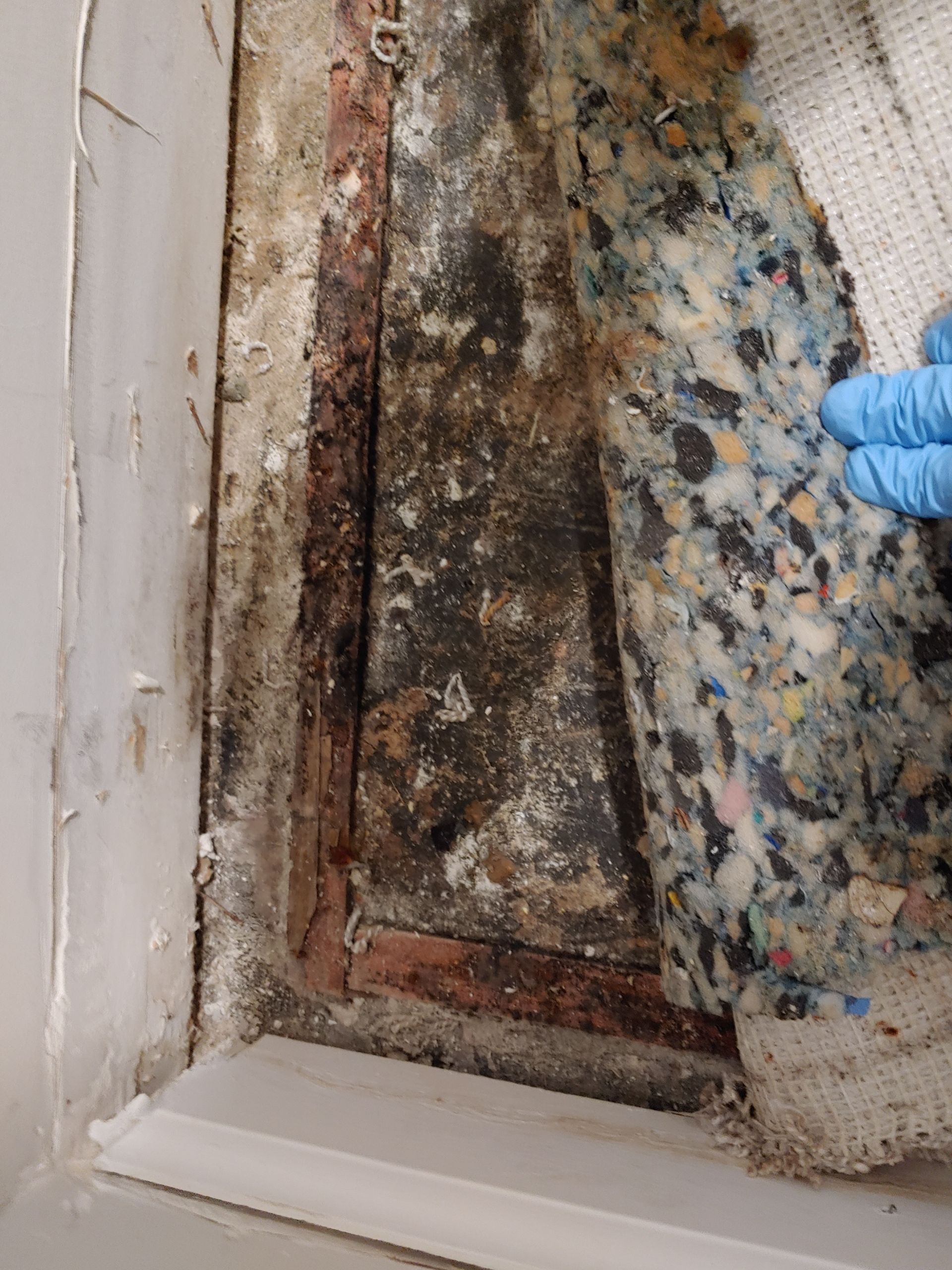
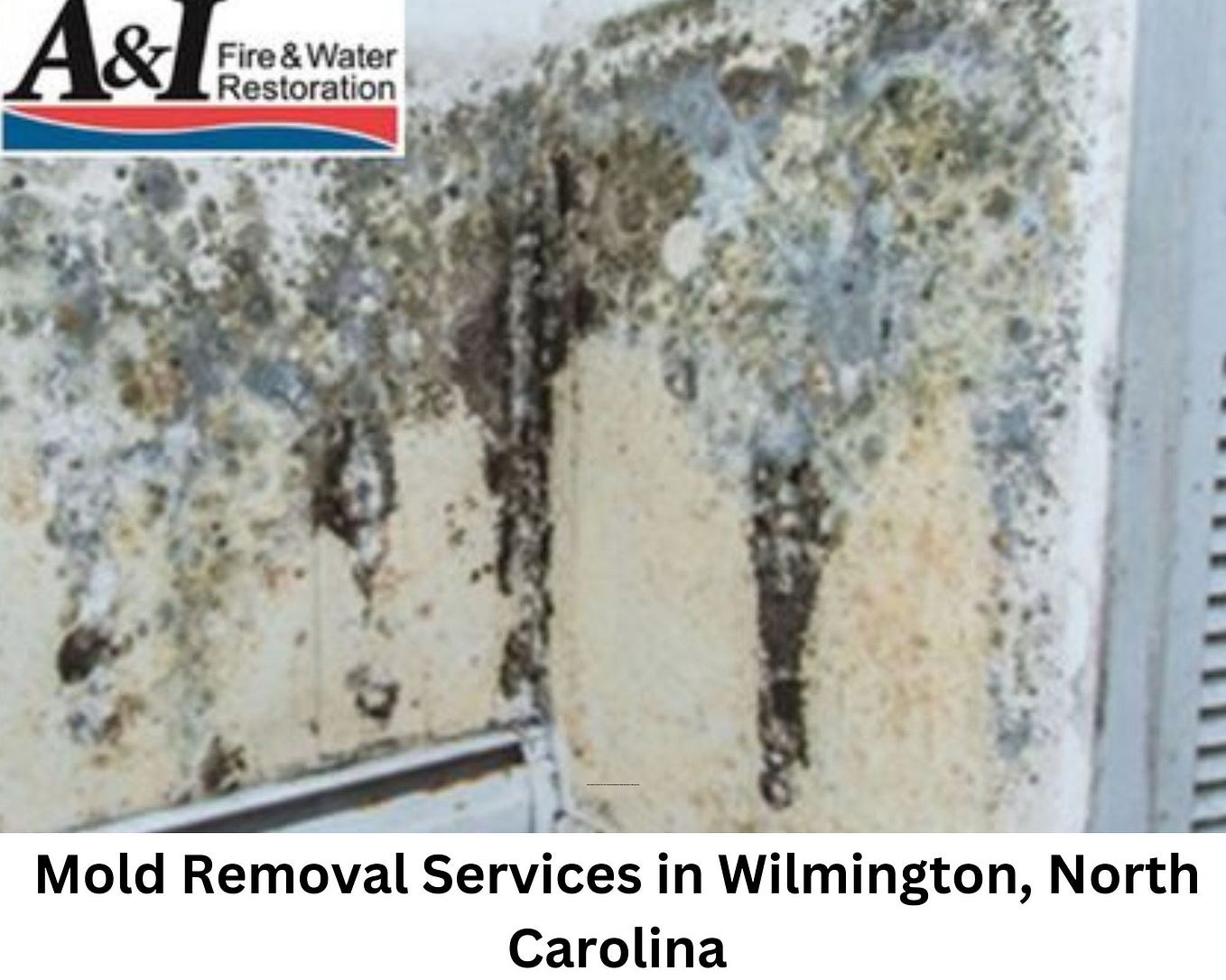
- Visible Discoloration: Stains, speckling, or fuzzy patches appearing in shades of black, green, white, or orange on walls, ceilings, baseboards, or around HVAC supply vents.
- Physical Health Symptoms: Unexplained allergic reactions, chronic sinus congestion, throat irritation, persistent coughing, or aggravated asthma symptoms among occupants while inside the building.
- Historical Water Damage: Previous plumbing leaks, roof failures, or high-humidity events that were patched or painted over without verifying complete structural drying.
The Standard Mold Remediation Process
Professional mold remediation follows strict industry guidelines, primarily established by the Institute of Inspection Cleaning and Restoration Certification (IICRC S520 Standard for Professional Mold Remediation). Adhering to these steps ensures that contamination is completely neutralized without cross-contaminating unaffected living spaces.
1. Comprehensive Inspection and Moisture Assessment
A certified technician begins by utilizing specialized diagnostic equipment, such as thermal imaging infrared cameras, moisture meters, and hygrometers, to trace moisture intrusion to its source. Identifying and repairing the underlying water leak is vital; otherwise, treated areas will experience recurrent mold growth regardless of chemical applications.
2. Containment and Engineering Controls
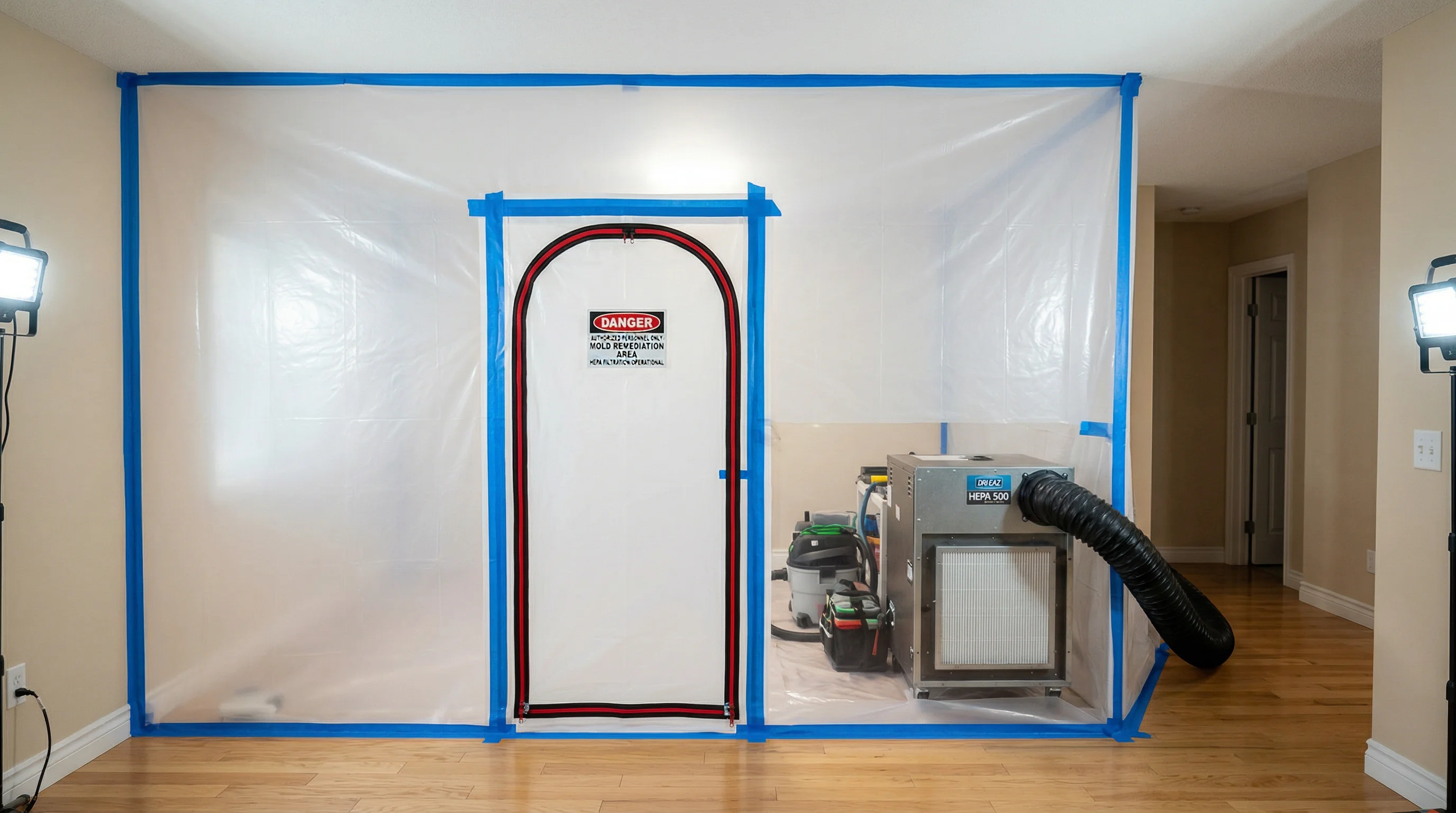
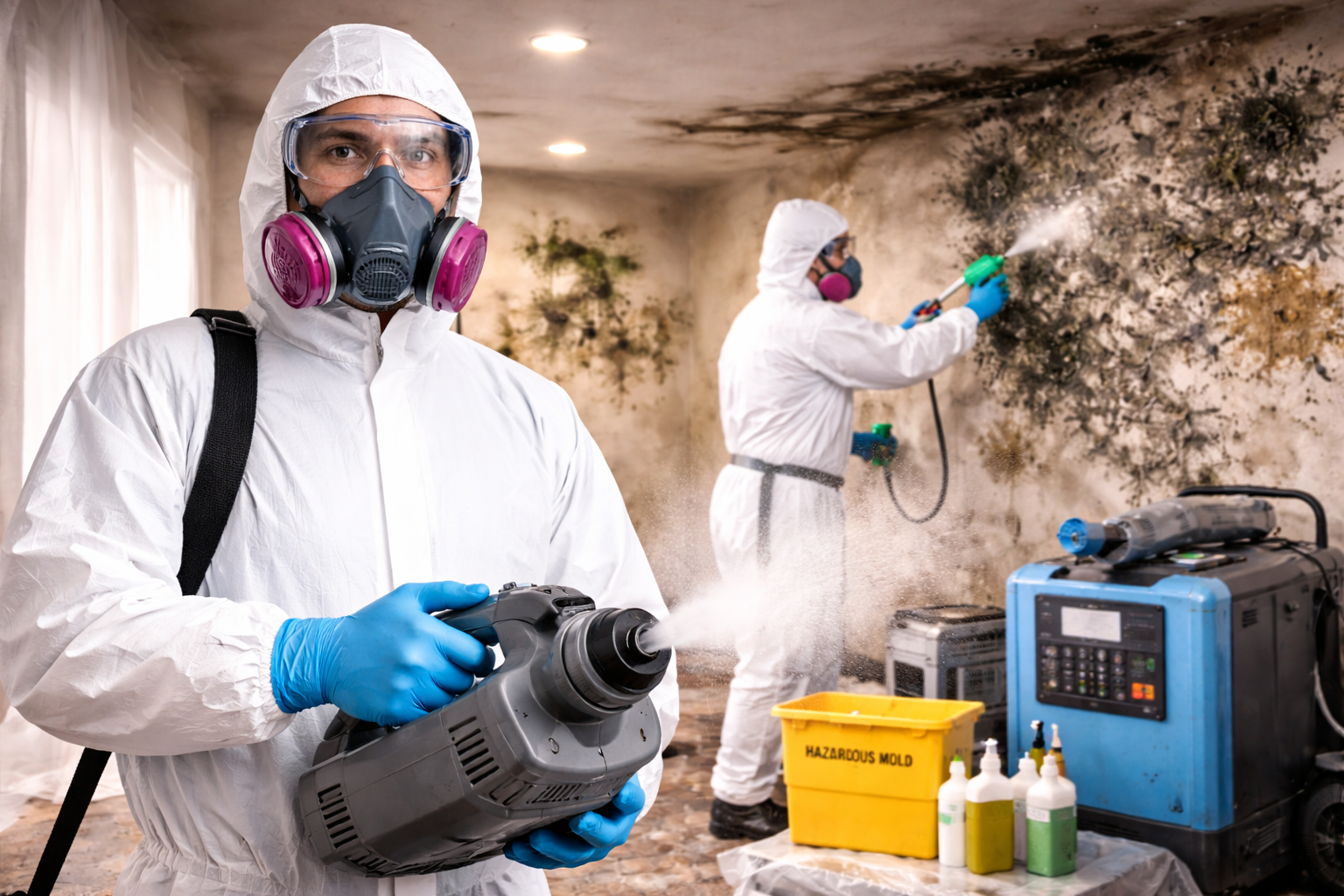
To prevent airborne spores from migrating to clean zones during remediation, technicians erect physical barriers using heavy-duty polyethylene sheeting. Negative air pressure machines equipped with High-Efficiency Particulate Air (HEPA) filters are deployed within the containment area to scrub the air and exhaust particulate-free air safely outside the building envelope.
3. Air Filtration and HEPA Vacuuming
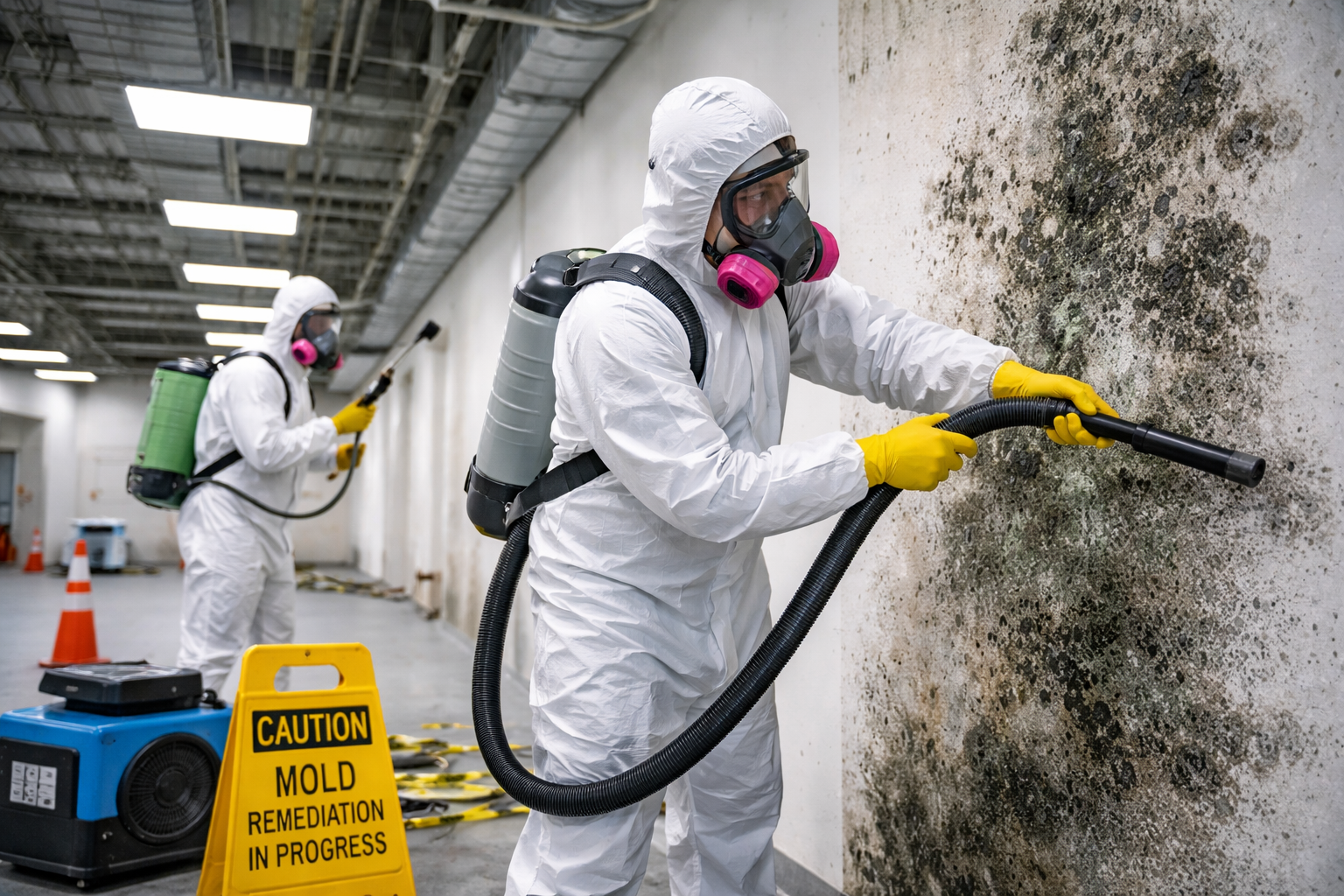
Industrial air scrubbers operate continuously throughout the containment zone. Technicians perform initial HEPA vacuuming on non-porous and semi-porous surfaces to capture loose spores and surface dust before liquid agents are applied.
4. Removal, Discarding, and Cleaning
Porous materials with heavy structural intrusion, such as insulation, heavily warped drywall, and rotted wood, cannot be saved and must be carefully bagged and discarded in accordance with local disposal guidelines. Salvageable semi-porous and non-porous surfaces are scrubbed using specialized antimicrobial and antifungal solutions designed to break down root structures.
5. Sanitization and Post-Remediation Verification
Once cleaning is complete, antimicrobial agents are applied to inhibit future growth. A successful project culminates in post-remediation verification (PRV), often conducted by an independent industrial hygienist who performs air and surface clearance testing to confirm that spore counts inside the structure match or fall below normal outdoor background levels.
Comparison of DIY Cleaning Versus Professional Remediation
Property owners often debate whether minor mold patches can be managed independently or if hiring a licensed contractor is necessary. The following breakdown highlights the operational differences, safety implications, and scope limitations of each approach.
| Factor | Do-It-Yourself (DIY) Approach | Professional Remediation Services |
|---|---|---|
| Ideal Scope | Small, isolated surface patches under 10 square feet (e.g., bathroom tile grout). | Large colonies exceeding 10 square feet, HVAC contamination, or hidden growth. |
| Equipment Used | Household detergents, vinegar, bleach, basic scrubbing brushes, and standard PPE. | Negative air machines, HEPA scrubbers, thermal cameras, and commercial antimicrobial agents. |
| Containment | Rarely utilized; risks spreading airborne spores to clean rooms during scrubbing. | Strict negative pressure containment barriers deployed to isolate the work zone. |
| Root Cause Identification | Surface-level cleaning only; rarely addresses underlying plumbing or structural leaks. | Comprehensive moisture mapping to identify and resolve the primary source of dampness. |
| Health and Safety Risk | High risk of chemical exposure, spore inhalation, and cross-contamination. | Mitigated through professional respiratory protection, containment, and waste bagging. |
Prevention Strategies for Sanford Homeowners and Businesses
Mitigating future mold risks in Lee County requires proactive property maintenance focused on humidity control and rapid moisture response. Implementing these routine preventive measures significantly lowers the probability of fungal infestations:
- Maintain Indoor Humidity: Keep indoor relative humidity levels between 35 percent and 50 percent by utilizing central air conditioning systems and high-capacity dehumidifiers in moisture-prone areas like crawlspaces and basements.
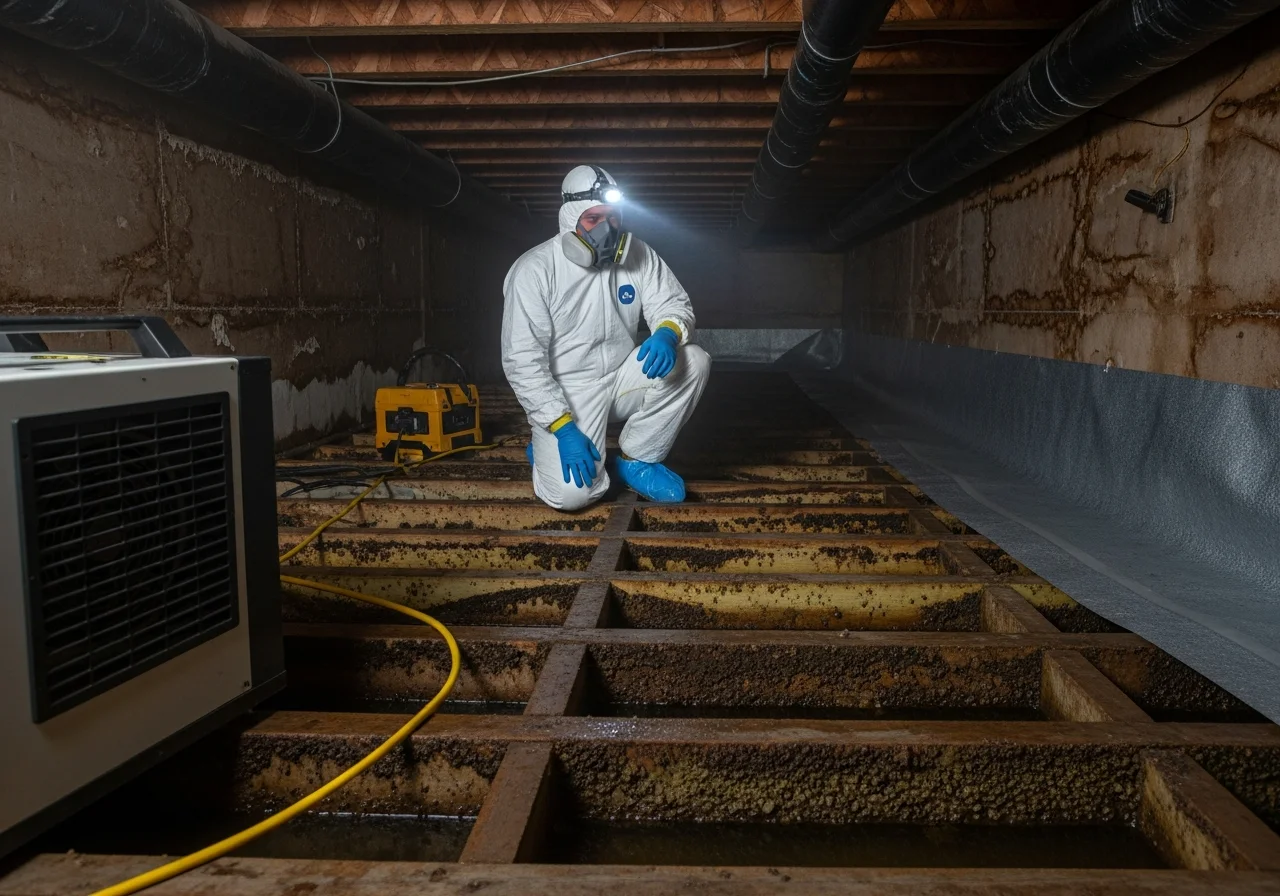
- Inspect Crawlspaces: Ensure crawlspaces feature properly installed vapor barriers (typically 6-mil polyethylene sheeting covering the entire earthen floor) and functioning foundation vents or sealed encapsulation systems.
- Clean Gutters and Downspouts: Regularly clear organic debris from roof gutters and ensure downspouts discharge rainwater at least four to six feet away from the foundation perimeter.
- Service HVAC Systems: Schedule annual maintenance checks for heating and cooling systems to ensure condensate drain lines remain clear and drain pans do not overflow into ductwork.
Frequently Asked Questions About Mold Remediation
Does homeowners insurance cover mold remediation in Sanford, NC?
Standard homeowners insurance policies typically exclude mold remediation unless the fungal growth is the direct result of a sudden, accidental covered peril, such as a burst supply pipe. Gradual damage resulting from long-term humidity, neglected roof leaks, or ground seepage is almost universally excluded. Property owners should review their specific policy endorsements or consult their insurance agent for clarity.
How long does the typical mold remediation process take?
The duration depends heavily on the extent of the contamination and the structural damage present. Minor residential remediation projects affecting a single room or bathroom usually require one to three days. Large-scale commercial projects or residential properties requiring extensive structural demolition, framing replacement, and rebuilding can take anywhere from one to two weeks.
Is bleach effective for killing mold on porous building materials?
No. While household bleach can discolor mold on non-porous surfaces like glass or metal, its chemical structure cannot penetrate porous materials like drywall or wood. The water content in bleach actually sinks into porous substrates, feeding the underlying root structures and often causing secondary mold proliferation within days.
Do I need to relocate during the remediation process?
For small, localized containment zones—such as an isolated utility room or guest bathroom—occupants can often remain in the home, provided they avoid the contained work area. However, if remediation involves main living areas, extensive HVAC duct cleaning, or severe whole-house contamination, temporary relocation is recommended for safety and comfort.
How can I verify that the mold has been completely removed?
The most reliable verification method is post-remediation verification (PRV) or clearance testing performed by an independent, third-party indoor environmental professional. They collect air and surface samples inside the remediated area and compare them against outdoor baseline samples to ensure spore counts have returned to safe, acceptable levels.
Conclusion and Next Actions
Addressing mold contamination promptly safeguards both the structural integrity of your property and the respiratory health of its occupants. If you suspect active fungal growth or have experienced recent water damage in Sanford, NC, begin by inspecting vulnerable zones like crawlspaces, attics, and bathrooms. For contaminations exceeding standard DIY limits, contact a certified, insured mold remediation professional equipped to perform thorough moisture mapping, containment, and HEPA-level air scrubbing.
Image Gallery