Understanding the Role of Parallel Mediation in Travel Disputes
Parallel mediation serves as a structured alternative dispute resolution mechanism where multiple interconnected travel conflicts—such as multi-party vendor disagreements or overlapping passenger claims—are negotiated simultaneously ac...
Parallel mediation serves as a structured alternative dispute resolution mechanism where multiple interconnected travel conflicts—such as multi-party vendor disagreements or overlapping passenger claims—are negotiated simultaneously across coordinated sessions to achieve comprehensive settlements.
Contents
The travel industry encompasses a complex web of service providers, ranging from airlines and global distribution systems to hotels, tour operators, and third-party insurance underwriters. When a widespread disruption occurs—such as a major volcanic ash cloud grounding flights, a sudden geopolitical crisis closing regional airspace, or a mass cruise line itinerary failure—thousands of travelers experience cascading financial and logistical losses. Traditional litigation or sequential, one-off alternative dispute resolution (ADR) processes frequently fail to address these systemic failures efficiently, often resulting in prolonged delays, escalating legal expenses, and conflicting outcomes for similarly situated parties.
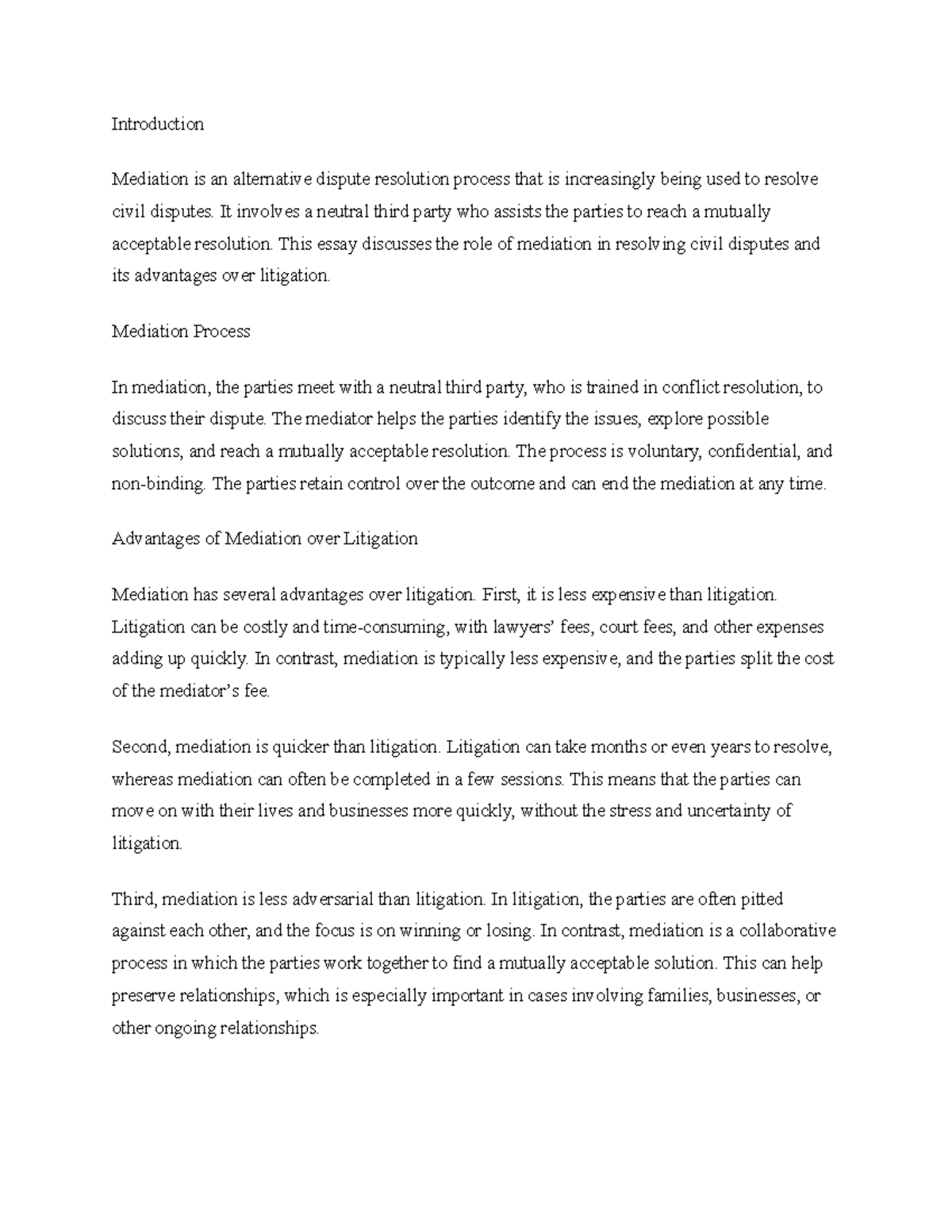
Parallel mediation addresses this challenge by grouping related claims and conducting synchronized negotiations with multiple stakeholders at once. This mechanism preserves commercial relationships, reduces administrative overhead, and provides a predictable framework for resolving complex multi-party travel disputes without resorting to costly court battles.
Defining Parallel Mediation in the Context of Travel Law
Parallel mediation diverges from traditional, bilateral mediation by deliberately synchronizing multiple dispute resolution proceedings that stem from a single root operational failure. In a typical single-incident scenario, a passenger might mediate a compensation claim directly with an airline. However, if that flight cancellation was caused by a grounded aircraft due to a faulty component supplied by a third-party manufacturer, and the passenger's travel insurance policy subsequently denies coverage based on a force majeure clause, the dispute immediately involves three distinct entities with competing legal positions.
Under a parallel mediation framework, a designated administrative body or agreed-upon private panel establishes synchronized negotiation tracks. Rather than resolving the airline dispute first, the insurance dispute second, and the manufacturer liability claim last, a coordinating mediator oversees joint sessions where all commercial entities and affected consumers engage in transparent, concurrent dialogue. This synchronized approach prevents "empty chair" tactics where one defendant blames an absent third party, forcing all responsible actors to address liability and contribution rights in real time.
Furthermore, parallel mediation differs fundamentally from class-action litigation or consolidated arbitration. While arbitration imposes a binding verdict rendered by an adjudicator, mediation remains fundamentally voluntary and confidential. Parallel mediation preserves this non-binding, interest-based negotiation style while scaling its structural capacity to manage multi-tiered supply chain disputes. Participants retain complete autonomy over the final settlement terms, ensuring that commercial confidentiality is maintained and that specialized operational remedies—such as future travel credits, service level agreements adjustments, or shared financial pools—can be crafted creatively.
The Mechanics of Multi-Party Travel Supply Chain Disruption
Modern travel itineraries are rarely fulfilled by a single enterprise. A standard international vacation often stitches together services from a primary booking platform, a regional airline, a code-share partner carrier, a ground transfer provider, an independent hotel chain, and specialized excursion operators. When a disruption occurs, determining fault and financial liability becomes a labyrinthine exercise in contract interpretation and tort law.
- Root Travel Disruption Event (e.g., Grounding, Itinerary Failure, Bankruptcy)
- Primary Airline
- Tour Operator
- Insurer / Broker
- Parallel Mediation Tracks (Synchronized Multi-Party Negotiation & Cost-Sharing)
Consider the legal and operational friction points that arise during these disruptions:
- Jurisdictional Conflicts: Different service providers may be incorporated in distinct legal jurisdictions, each governed by varying consumer protection statutes (such as the European Union's Flight Compensation Regulation 261/2004, United States Department of Transportation rules, or local civil codes).
- Contractual Finger-Pointing: Airlines frequently shift blame to airport handling agents, who in turn cite air traffic control mandates or late-arriving aircraft from alliance partners, leaving the consumer trapped in an endless cycle of denials.
- Insurance Subrogation Loops: Travelers often file claims with travel insurance providers, who pay out indemnities and then attempt subrogation against reluctant carriers, triggering protracted legal battles that stall consumer restitution.
Parallel mediation cuts through these structural bottlenecks by establishing a unified factual record. Independent technical experts, financial auditors, and legal specialists can be appointed to evaluate the root cause of the disruption once, rather than having every individual vendor commission its own contested investigation. This shared factual baseline dramatically reduces the time required to establish baseline liabilities, allowing mediation participants to focus immediately on damage mitigation, cost allocation, and ultimate settlement structures.
Benefits of Parallel Mediation Over Sequential Litigation
The primary advantage of deploying parallel mediation in travel disputes is the dramatic reduction in transaction costs and time-to-resolution. Traditional litigation involving multi-party travel supply chain failures can languish in court dockets for years, during which time legal fees often eclipse the actual financial damages claimed by the passengers.
| Feature / Metric | Traditional Litigation | Sequential Mediation | Parallel Mediation |
|---|---|---|---|
| Time to Resolution | 12 to 36 months | 6 to 18 months | 2 to 6 months |
| Administrative Cost | Extremely High | Moderate | Low to Moderate (Shared) |
| Preservation of Goodwill | Low (Adversarial) | Neutral | High (Collaborative) |
| Multi-Party Coordination | Complex & Fragmented | Sequential / Slow | Synchronized & Efficient |
| Outcome Predictability | Low (Judge/Jury Dependent) | Moderate | High (Consensual) |
Beyond raw speed and cost savings, parallel mediation offers profound strategic advantages for commercial travel enterprises:
- Reputational Risk Mitigation: Protracted public lawsuits regarding mass flight cancellations or stranded passengers attract negative media coverage. Parallel mediation sessions are conducted under strict confidentiality agreements, protecting corporate brands from public relations damage.
- Creative Settlement Terms: Courts are limited to awarding statutory damages or financial restitution. Parallel mediation allows parties to negotiate bespoke remedies, such as loyalty program upgrades, flexible booking vouchers, corporate partnership concessions, and shared marketing credits that satisfy consumers while preserving cash flow for struggling operators.
- Supply Chain Stability: By addressing liability disputes collaboratively, travel vendors can resolve underlying commercial friction without severing long-term operational partnerships, ensuring greater resilience for future travel seasons.
Implementation Prerequisites and Operational Requirements
Deploying parallel mediation successfully requires deliberate preparation, clearly defined legal frameworks, and the active cooperation of all participating entities. Unlike informal dispute resolution, a parallel mediation structure cannot be improvised mid-crisis; it requires pre-established institutional protocols or specific contractual clauses embedded within modern travel service agreements.
Key prerequisites for initiating a parallel mediation proceeding include:
- Consent and Submission Agreements: All involved parties—including consumers, carriers, intermediaries, and insurers—must voluntarily sign a binding agreement to submit to the parallel mediation structure, agreeing to suspend active litigation or arbitration during the negotiation window.
- Designation of a Lead Mediator Panel: Due to the complex nature of multi-party disputes, a single mediator is often insufficient. A specialized panel comprising experts in aviation law, insurance underwriting, and consumer rights is typically appointed to manage the synchronized tracks.
- Information Sharing Protocols: Participants must establish secure data-sharing channels to exchange booking records, maintenance logs, communication transcripts, and financial ledgers without violating privacy regulations such as the General Data Protection Regulation (GDPR) or local consumer privacy laws.
- Cost Allocation Matrix: Before sessions begin, participating enterprises must agree on how the administrative costs, mediator fees, and expert witness expenses will be distributed, usually based on commercial market share or provisional liability percentages.
Step-by-Step Guide to Navigating a Parallel Mediation Process
For travel industry professionals, legal counsel, and affected consumer groups, understanding the operational workflow of a parallel mediation session ensures efficient navigation from initial conflict to final execution.
Step 1: Dispute Identification and Consolidation
When a widespread travel disruption occurs, an independent dispute resolution administrator or designated lead counsel identifies all pending claims, cross-claims, and third-party notices arising from the specific event. Cases are assessed for commonality of facts, legal questions, and insurance coverage overlaps.
Step 2: Protocol Formulation and Scheduling
The administering organization drafts a bespoke Parallel Mediation Protocol. This document sets out the timeline, identifies the participating entities, appoints the mediation panel, establishes confidentiality boundaries, and outlines the procedure for joint plenary sessions versus private caucuses.
Step 3: Information Gathering and Fact-Finding
A centralized evidentiary repository is established. Instead of redundant discovery requests, participating vendors submit maintenance logs, passenger manifests, booking conditions, and policy wordings. Technical experts review these files and issue a neutral assessment of operational causes and financial exposure.
Step 4: Synchronized Joint and Caucused Sessions
The core mediation phase begins. The panel conducts synchronized sessions where all parties meet jointly to discuss global liability, followed by targeted private caucuses where individual carriers, insurers, and consumer representatives negotiate specific contribution amounts and settlement terms.
Step 5: Drafting and Executing Settlement Agreements
Once terms are agreed upon, comprehensive multi-party settlement documents are drafted. These agreements release all participating entities from further liability regarding the specific disruption, outline payment schedules or voucher distributions, and specify dismissal terms for any previously filed court actions.
Common Pitfalls and Troubleshooting Strategies
Despite its clear structural benefits, parallel mediation is not without operational challenges. Stakeholders frequently encounter specific stumbling blocks that can stall negotiations if not managed proactively.
- Information Asymmetry: Major airlines or global booking platforms may possess proprietary data regarding flight scheduling and system outages that smaller third-party hotels or insurers cannot access. Troubleshooting: Mandate the appointment of an independent technical auditor with subpoena-like access to all vendor systems to verify factual claims before substantive negotiations begin.
- Insurance Coverage Disputes: Insurers frequently argue that policy exclusions (such as systemic technical failures or acts of government) negate their duty to indemnify, causing them to withdraw from parallel mediation prematurely. Trouseyside: Separate insurance coverage tracks into specialized sub-mediation caucuses while keeping the primary consumer liability track moving forward to prevent total procedural collapse.
- Power Imbalances: Individual consumers negotiating against massive multinational conglomerates often feel overwhelmed by complex legal terminology and financial jargon. Troubleshooting: Ensure that consumers are represented by experienced consumer advocacy groups, class-action liaison counsel, or specialized ombudsman services to ensure equitable bargaining power during joint sessions.
Frequently Asked Questions
What types of travel disruptions are best suited for parallel mediation?
Parallel mediation is most effective for large-scale, multi-party disruptions where a single root event—such as an airline bankruptcy, a mass cruise itinerary cancellation, a major global IT outage grounding multiple carriers, or a regional weather crisis—impacts thousands of consumers and implicates multiple intertwined service providers and insurance policies.
Is a parallel mediation settlement legally binding?
The mediation process itself is consensual and non-binding. However, once all participating parties agree to terms and sign a formal settlement contract, that final agreement becomes a legally binding contract enforceable in court. If mediation fails, parties retain their rights to pursue litigation or arbitration unless pre-existing contract clauses dictate otherwise.
How are the costs of parallel mediation divided among participants?
Costs are typically distributed based on a pre-agreed formula established in the initial mediation protocol. Commercial entities usually share administrative and expert fees proportionately based on market share, revenue generated from the affected route, or preliminary liability assessments, while consumer participants are frequently subsidized by industry pools or consumer protection funds.
Can individual consumers participate directly without legal representation?
Yes, individual consumers can participate directly, particularly when organized through consumer protection agencies, travel ombudsman programs, or class-action representative structures. However, for highly complex commercial claims involving multiple corporate entities and insurance subrogation, retaining legal counsel experienced in travel law is strongly advised.
How does parallel mediation protect sensitive commercial data?
All participants are required to sign comprehensive Non-Disclosure Agreements (NDAs) and adhere to strict confidentiality protocols governed by institutional mediation rules. Information disclosed during parallel mediation sessions cannot be used as admissions of liability in subsequent litigation if the mediation ultimately fails.
Conclusion and Next Actions
Parallel mediation represents a sophisticated, highly efficient mechanism for resolving complex, multi-party travel disputes that overwhelm traditional legal systems. By synchronizing negotiations across airlines, operators, insurers, and consumers, this approach cuts administrative costs, preserves business relationships, and delivers faster, more creative settlements. Stakeholders facing systemic travel disruptions should audit their existing service contracts to ensure mediation clauses permit multi-party synchronization, consult with specialized legal counsel before entering dispute resolution proceedings, and prioritize collaborative, fact-based frameworks over adversarial litigation.
Image Gallery