Why the Fire in Heart Demands Acupuncture First
In traditional Eastern medicine, the concept of the "Heart Fire" represents an acute energetic and physiological imbalance characterized by restlessness, heat, insomnia, and anxiety. When this internal fire blazes unchecked, it disrupt...
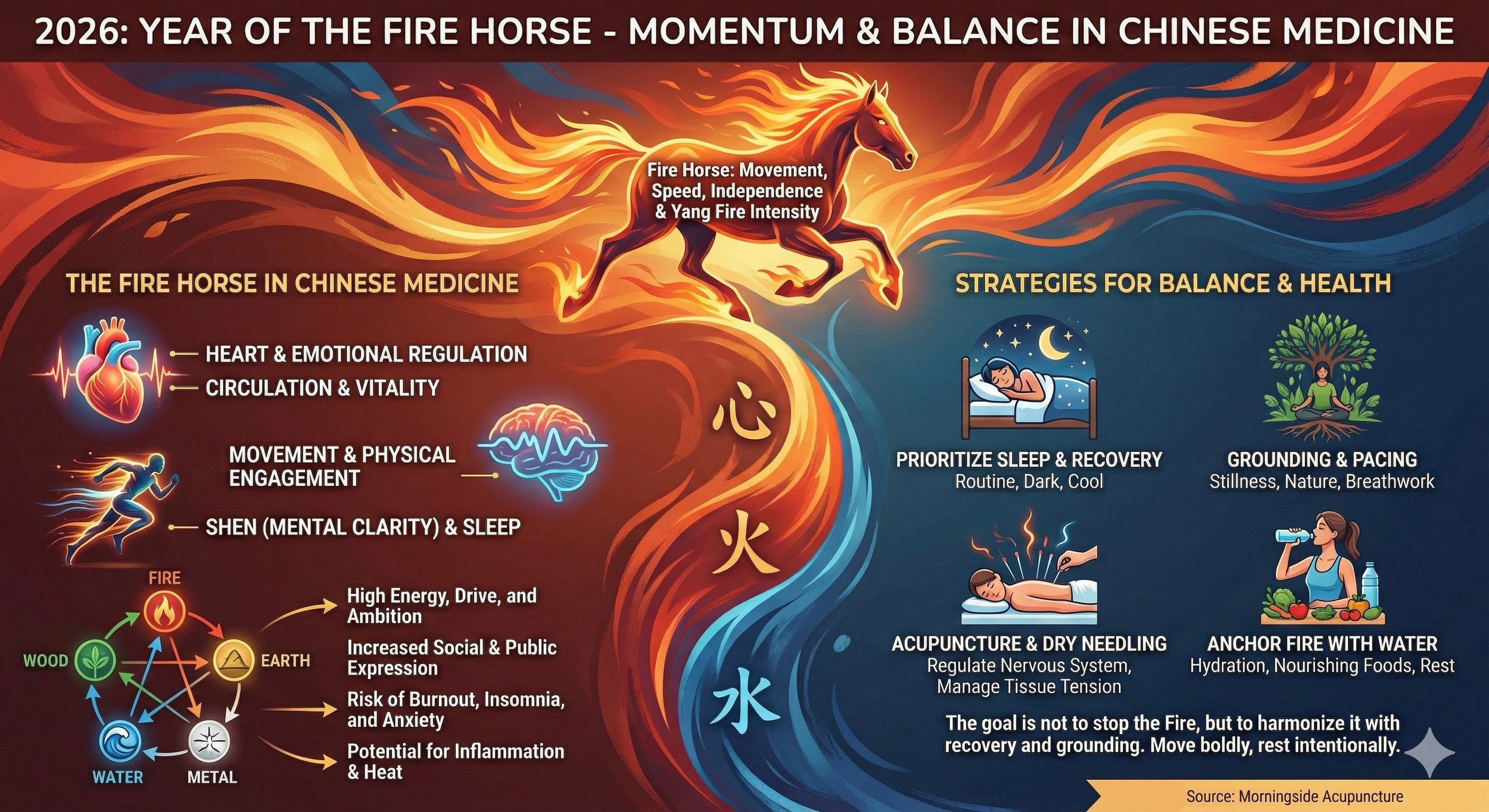
In traditional Eastern medicine, the concept of the "Heart Fire" represents an acute energetic and physiological imbalance characterized by restlessness, heat, insomnia, and anxiety. When this internal fire blazes unchecked, it disrupts the entire body, making acupuncture the essential first intervention to clear heat, calm the spirit, and restore structural and systemic harmony before addressing secondary symptoms.
Contents
Understanding the "Heart Fire" in Traditional and Modern Contexts
To appreciate why acupuncture takes precedence in treating the fire in the heart, one must first examine the physiological and energetic frameworks of Traditional Chinese Medicine (TCM). In classical theory, the heart houses the Shen (spirit or mind). When physical, emotional, or environmental stressors accumulate, they can transform into stagnant heat or pathological fire. This "Heart Fire" (Xin Huo) does not merely stay localized; it flares upward and outward, manifesting as symptoms ranging from heart palpitations, mouth ulcers, and insomnia to severe irritability, red face, and a rapid pulse.
In contemporary integrative health contexts, this energetic pattern frequently maps onto states of sympathetic nervous system overdrive, chronic stress, acute anxiety, and inflammatory responses. Modern lifestyles characterized by relentless multitasking, sleep deprivation, and high-pressure environments continually stoke this internal furnace. When the nervous system remains trapped in a state of fight-or-flight, the body exhibits classic signs of hyper-arousal.
Treating this state requires more than cognitive adjustments or herbal supplementation alone; it demands a somatic intervention capable of physically shifting autonomic tone. Because acupuncture directly interfaces with the nervous system and connective tissue networks, it acts as a physical fire extinguisher, providing an immediate physiological brake to an overheated system.
Why Acupuncture Takes Precedence Over Other Interventions
When a patient presents with multi-system symptoms driven by acute internal heat, practitioners often face a therapeutic sequencing dilemma. Should they prescribe calming herbal formulas, recommend lifestyle changes, use dietary therapy, or deploy manual therapies first? Clinical experience and classical methodology dictate that acupuncture must come first for several distinct reasons.
Immediate Autonomic Down-Regulation
Herbal medicines and nutritional supplements must be ingested, digested, metabolized, and absorbed before they can exert systemic effects. In cases of acute Heart Fire—where a patient is experiencing severe panic, racing thoughts, or total insomnia—waiting for systemic pharmacological or herbal absorption is often ineffective. Acupuncture offers an immediate bio-electric and neurochemical response. The insertion of fine needles into specific acu-points rapidly modulates the central nervous system, reducing cortisol levels, increasing parasympathetic activity, and lowering heart rate variability.
Clearing the Path for Subsequent Treatments
From a traditional perspective, if a patient is experiencing an acute flare of fire, their channels are obstructed by heat and excess. Introducing dense, warming, or nourishing herbal formulas or heavy tonics while the system is blazing can inadvertently fan the flames, worsening symptoms like anxiety or insomnia. Acupuncture acts as a clearing mechanism. By draining excess heat and opening blocked pathways, it stabilizes the clinical picture. Once the fire is subdued and the baseline is cooled, subsequent treatments like herbal medicine, moxibustion, or dietary therapy can be safely and effectively introduced without triggering adverse reactions.
Key Acupoints and Mechanisms for Cooling Heart Fire
Acupuncturists utilize specific distal and local points along the Heart meridian and its associated paired meridian, the Small Intestine, as well as the Pericardium channel, to clear fire and pacify the mind. Selecting these points requires precision, as the wrong approach can scatter energy rather than calm it.
- Heart 7 (Shenmen / Spirit Gate): Located on the wrist crease, this is the master source point of the Heart meridian. It is universally deployed to calm the Shen, nourish heart blood, and clear deficiency or excess heat affecting emotional stability and sleep.
- Pericardium 6 (Neiguan / Inner Pass): Situated on the inner forearm, this point is vital for regulating the chest, calming the spirit, and subduing rebellious energy. It acts as a primary bridge between emotional stress and physical cardiovascular sensations like palpitations.
- Kidney 3 (Taixi) and Kidney 6 (Zhaohai): In TCM, the Water element (Kidneys) must continuously interact with and balance the Fire element (Heart). When Heart Fire flares, it often indicates a deficiency in Kidney Water (Yin). Needling Kidney points nourishes the foundational Yin fluids, allowing the body to naturally douse the upper blaze.
- Small Intestine 2 (Qiangu): A distal point used specifically to clear heat from the Heart-Small Intestine functional axis, often manifesting as mouth sores or urinary heat associated with emotional stress.
| Acupoint | Meridian | Primary Function in Heart Fire Syndromes | Clinical Indication |
|---|---|---|---|
| Heart 7 (Shenmen) | Heart | Calms the Shen, clears excess heat | Insomnia, anxiety, palpitations |
| Pericardium 6 (Neiguan) | Pericardium | Regulates chest qi, relieves nausea and chest tightness | Acute stress, panic attacks, chest oppression |
| Kidney 3 (Taixi) | Kidney | Nourishes Yin, anchors floating fire | Night sweats, chronic restlessness, dizziness |
| Governing Vessel 20 (Baihui) | Governing Vessel | Lifts clarity, clears heat from the head | Agitation, headaches, overthinking |
Comparative Intervention Timeline
Understanding the sequence of care highlights why acupuncture is prioritized in acute presentations compared to secondary modalities.
[Phase 1: Acute Presentation] --> Immediate Acupuncture (Clears Heat, Engages Parasympathetic Nervous System) [Phase 2: Stabilization] --> Herbal Medicine & Dietary Adjustments (Nourishes Yin, Prevents Rebound) [Phase 3: Long-term Maintenance] --> Lifestyle Modification & Stress Management (Sustains Balance)
Attempting to reverse this sequence—such as starting with heavy herbal tonics during an acute panic flare driven by Heart Fire—frequently leads to treatment failure or aggravated agitation. The physical needle acts as the fastest, most direct lever to alter physiological state.
Clinical Limitations and Professional Guidance
While acupuncture serves as a primary intervention for functional imbalances categorized as Heart Fire, it is vital to recognize its clinical boundaries. Patients experiencing acute, crushing chest pain, radiating arm discomfort, severe shortness of breath, or sudden neurological deficits must seek emergency medical evaluation immediately. These symptoms can indicate acute myocardial infarction or other life-threatening cardiovascular emergencies that require western medical diagnostics and intervention rather than traditional energetic balancing alone.
Furthermore, patients should ensure they receive care from licensed acupuncturists (L.Ac.) or certified medical practitioners who have completed rigorous training in both Eastern diagnostic frameworks and biomedical safety standards. Professional diagnosis ensures that complex internal conditions are properly differentiated and that acupuncture is integrated safely with any conventional pharmaceutical treatments the patient may be taking.
Frequently Asked Questions
What does "fire in the heart" actually feel like physically?
Physically, it manifests as sudden or chronic heart palpitations, a feeling of heat in the chest, restless insomnia where the mind refuses to shut off, irritability, mouth or tongue ulcers, and sometimes a feeling of physical agitation or panic without an obvious external trigger.
Can acupuncture stop a panic attack caused by Heart Fire?
Yes. Acupuncture targets the autonomic nervous system, rapidly shifting the body from a sympathetic fight-or-flight state into parasympathetic rest-and-digest mode, which helps de-escalate the physical sensations of panic and acute anxiety.
Why can't I just take calming herbs first without acupuncture?
When internal fire is acute and blazing, the body's channels are too obstructed for herbs to work efficiently. Acupuncture opens these pathways and immediately drains excess heat, creating a receptive physiological environment for herbs to work effectively without causing adverse reactions.
How many acupuncture sessions are typically required to clear Heart Fire?
The timeline varies depending on whether the condition is acute or chronic. An acute flare from a sudden stressor may resolve in one to three sessions, whereas a chronic pattern rooted in long-term emotional strain or constitutional Yin deficiency may require a multi-week treatment plan.
Are there any risks associated with needling the heart meridian points?
Needling points on the forearm and wrist, such as Heart 7, is entirely safe when performed by a trained professional using sterile, single-use, disposable filiform needles. The heart meridian points on the limbs do not penetrate the thoracic cavity and pose no risk to the physical heart organ.
What lifestyle changes should accompany acupuncture for Heart Fire?
Patients must reduce consumption of warming stimulants like excessive caffeine, alcohol, and spicy foods, which fuel internal heat. Incorporating adequate sleep hygiene, mindfulness practices, and cooling physical activities like swimming or gentle yoga supports the recovery process.
Next Actions and Implementation
If you recognize the signs of internal heat and emotional restlessness characteristic of Heart Fire, your immediate next step is to consult a qualified, licensed acupuncturist. Request a comprehensive diagnostic evaluation that assesses your pulse, tongue presentation, and symptom history to determine the exact nature of your imbalance. Combine your initial acupuncture sessions with adequate rest, hydration, and the elimination of dietary stimulants to maximize the cooling and calming effects of your treatment plan.
Image Gallery