The Largest Car Pileup in History: Examining Massive Multivehicle Collisions and Highway Safety
While Guinness World Records and transportation historians do not officially track a single "largest car pileup in history" due to inconsistent reporting criteria among global jurisdictions, traffic safety analysts widely point to a le...
While Guinness World Records and transportation historians do not officially track a single "largest car pileup in history" due to inconsistent reporting criteria among global jurisdictions, traffic safety analysts widely point to a legendary 1991 fog-induced disaster on the A1 motorway in France as the most massive multivehicle collision ever recorded. That catastrophic event involved more than 200 vehicles and resulted in massive casualties, setting a grim benchmark for chain-reaction highway accidents.
Contents
Understanding these unprecedented traffic disasters requires examining the meteorological triggers, infrastructure vulnerabilities, driver behavior, and modern preventative technologies designed to keep massive highway corridors from turning into disaster zones.
Defining the Scope of Massive Multivehicle Collisions
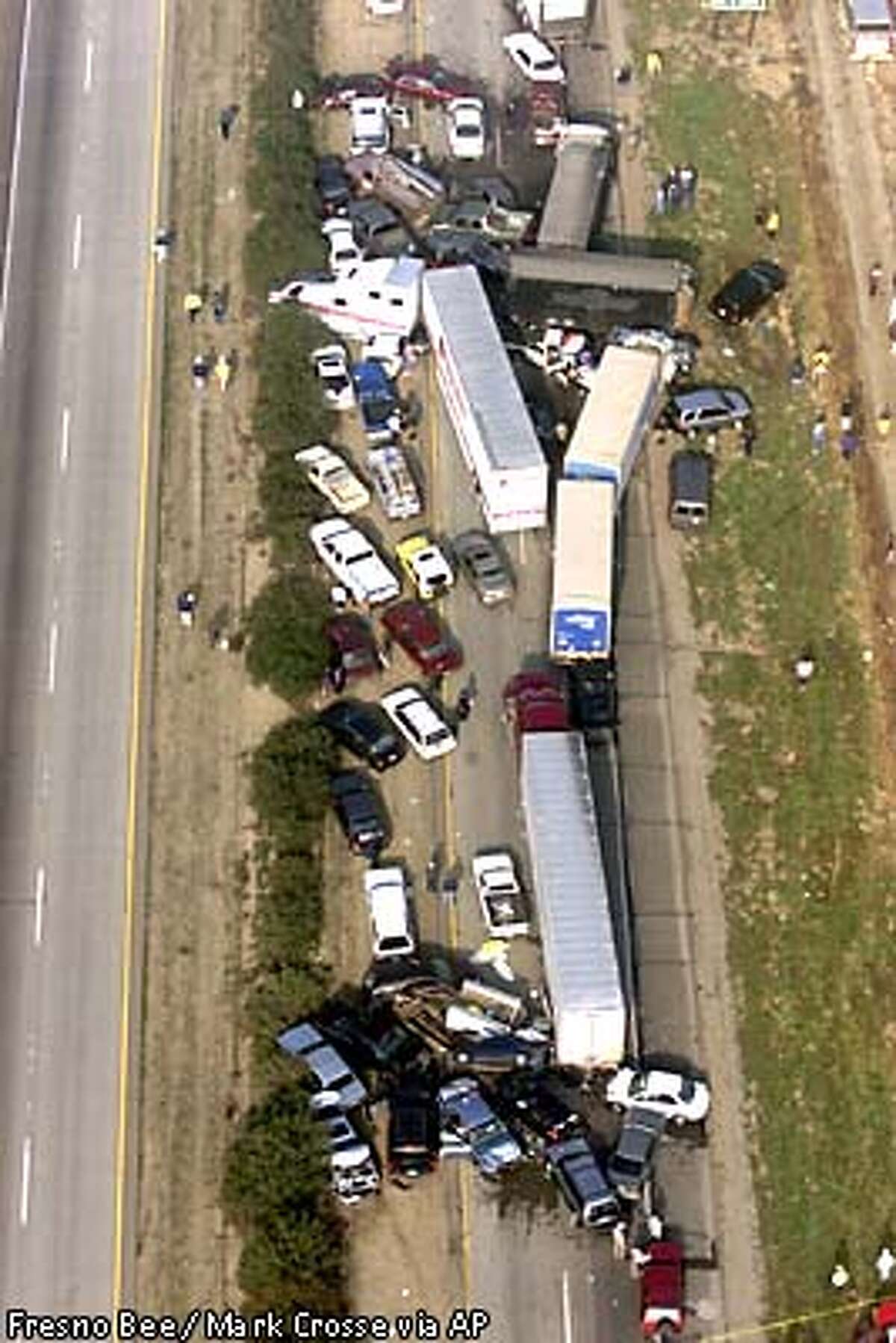
When evaluating what constitutes a massive highway pileup, transportation safety boards differentiate between standard multi-car fender benders and catastrophic chain-reaction events. A true mass pileup typically involves dozens to hundreds of vehicles colliding in rapid succession, often across both directions of a controlled-access highway or expressway.
These events are rarely caused by a single driver's mistake. Instead, they represent a convergence of systemic failures: sudden environmental hazards, excessive vehicle speeds for prevailing conditions, and a lack of adequate electronic warning infrastructure.
Key Characteristics of Mega-Pileups
- Rapid Escalation: Initial collisions trigger secondary and tertiary impacts within seconds or minutes before oncoming traffic can safely brake or swerve.
- Environmental Triggers: Nearly all major historical pileups involve sudden, localized visibility hazards such as dense fog, "super fog" (a mix of moisture and organic smoke), blinding snowsqualls, or sudden sun glare.
- Compounding Human Factors: Tailgating (failing to maintain a safe following distance), driving too fast for conditions, and rubbernecking compound the chaos.
The Benchmark Event: The 1991 French A1 Motorway Pileup
On November 4, 1991, the A1 motorway connecting Paris to Lille, France, became the site of what is widely considered the largest car and truck pileup in modern history.
Meteorological Conditions and Genesis
The morning of the disaster brought an exceptionally dense wall of fog over the flat terrain of northern France. Visibility dropped to near zero within a matter of meters. As motorists traveled at high speeds—typical for European autoroutes—they suddenly encountered slower traffic or stationary vehicles shrouded in the mist.
Scale of the Carnage and Emergency Response
The resulting chain reaction spanned several kilometers. When the smoke and dust settled, official reports documented:
- More than 200 vehicles involved, including passenger cars, delivery vans, and heavy commercial semi-trucks.
- Approximately 60 injuries of varying severity.
- Tragically, several fatalities resulting from high-speed impacts and subsequent vehicle fires caused by ruptured fuel systems.
Emergency responders faced unprecedented logistical hurdles. Ambulances and fire apparatus could not access the center of the wreckage from the highway lanes because the road was entirely plugged with twisted steel. Responders had to access victims by driving the wrong way up embankments and across adjacent agricultural fields.
Other Notable Historical Mass Pileups Around the World
While the 1991 A1 collision stands out for sheer vehicle volume, several other catastrophic pileups have occurred globally, demonstrating that no continent with modern highway infrastructure is immune.
| Date | Location | Primary Cause | Vehicles Involved | Casualties |
|---|---|---|---|---|
| November 4, 1991 | A1 Motorway, France | Dense Fog | 200+ | Multiple fatalities, ~60 injured |
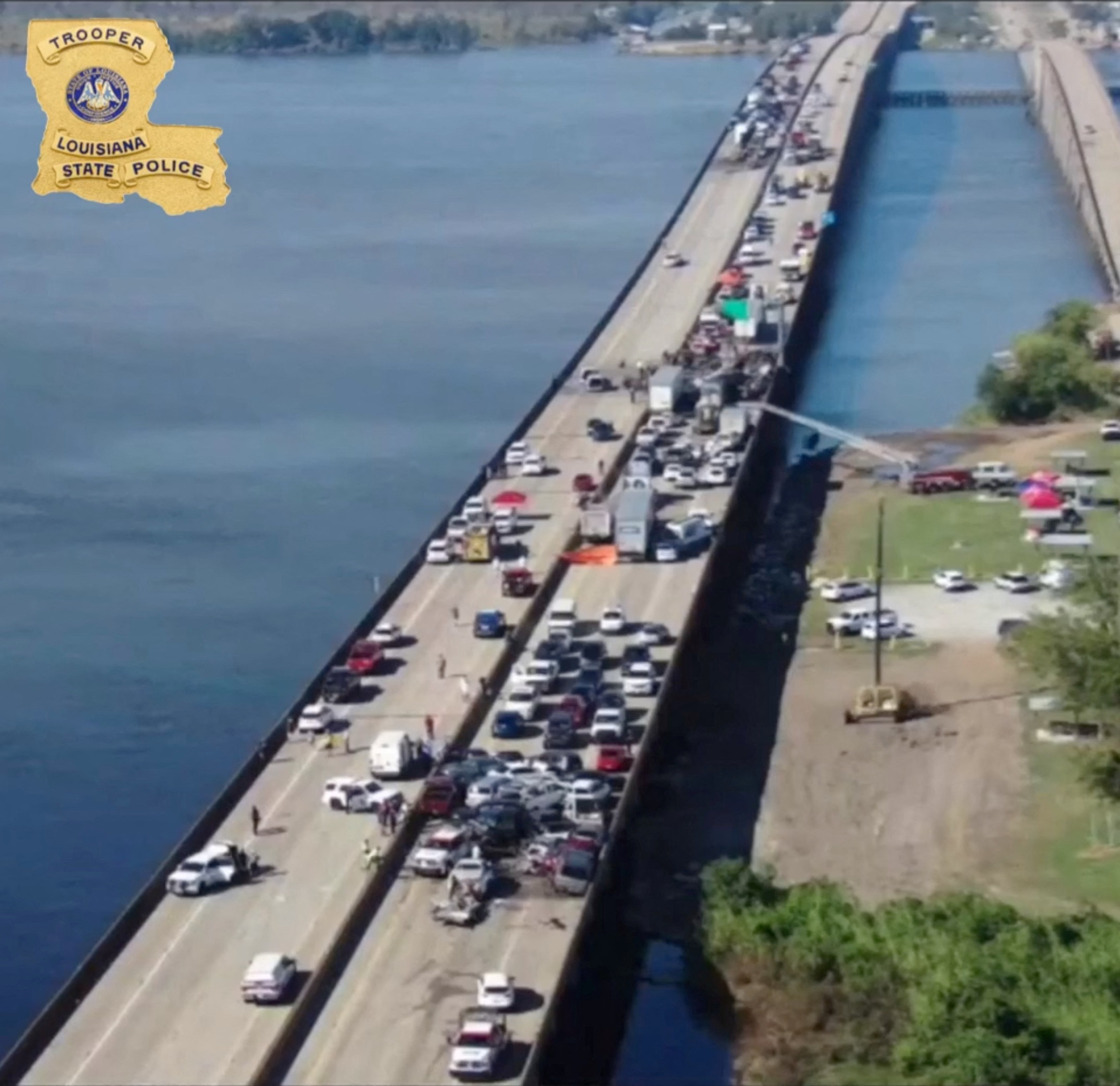
| December 11, 2012 | I-10, Interstate, USA (Mobile, Alabama) | "Super Fog" (smoke and moisture) | 158 | 10 fatalities, 40+ injured |
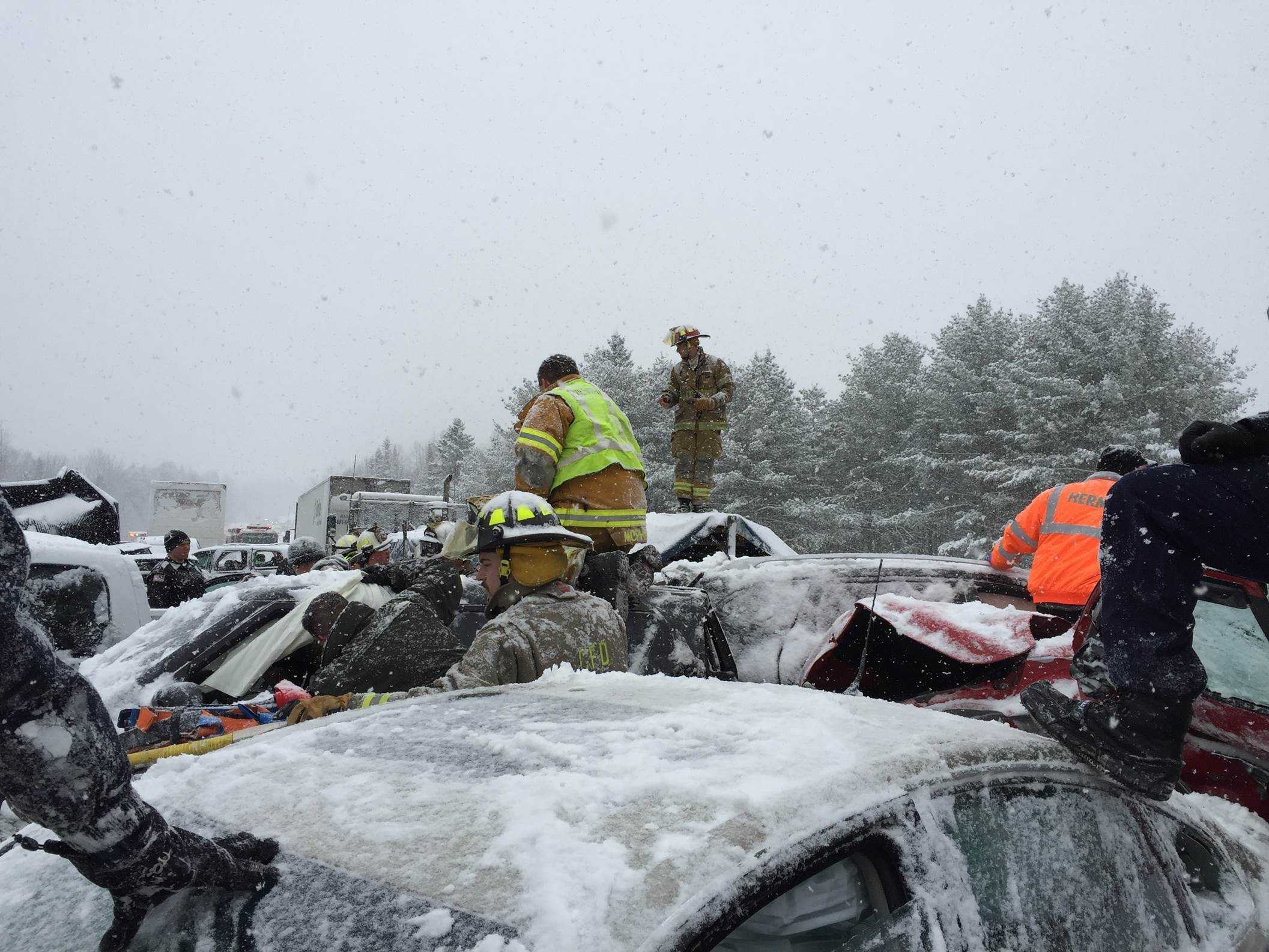
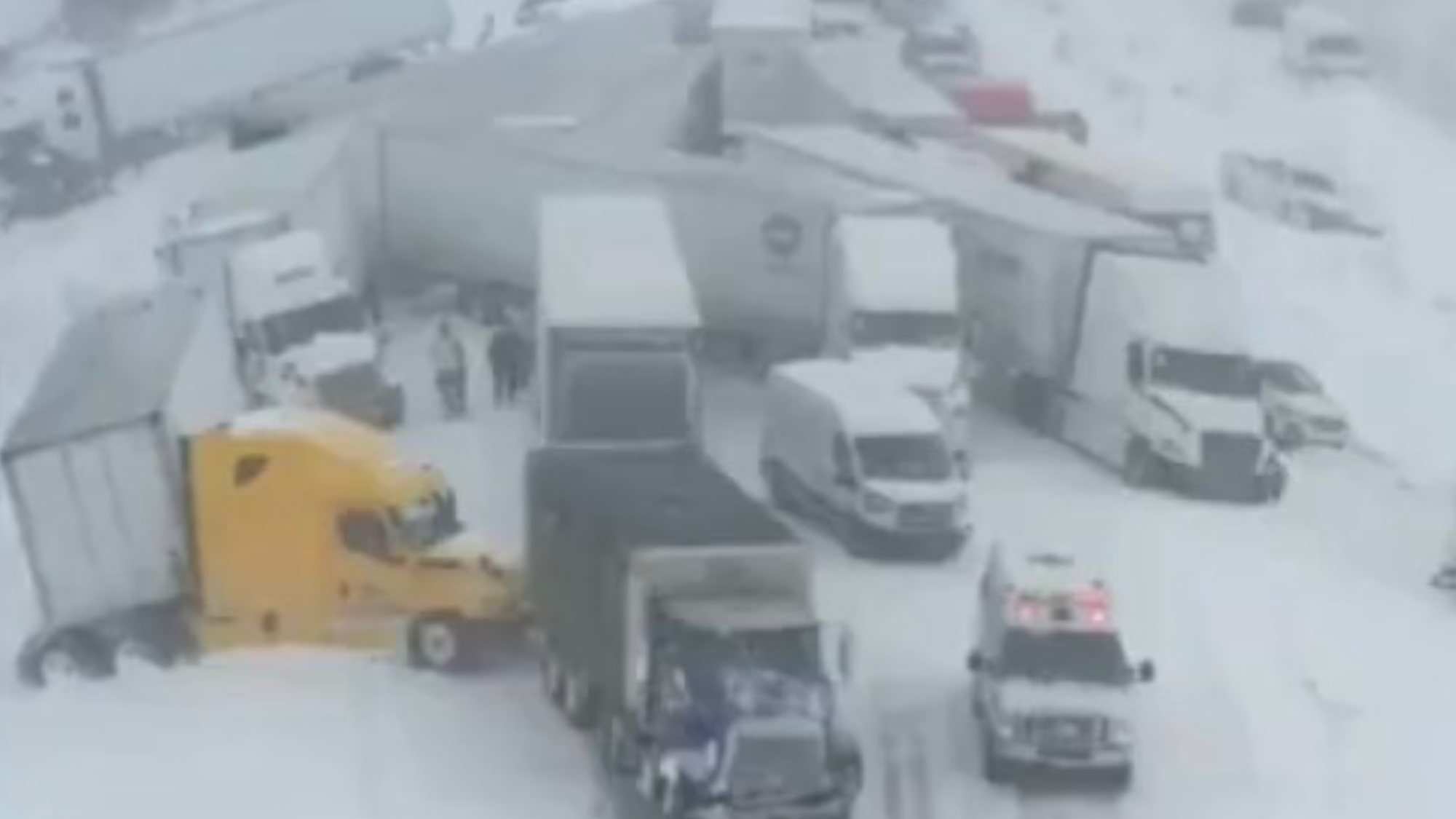
| March 13, 2020 | Highway 401, Ontario, Canada | Whiteout Snowsquall | 80+ | Numerous injuries, zero fatalities |
| December 1, 2021 | I-35W, Fort Worth, Texas, USA | Black Ice / Freezing Rain | 133 | 6 fatalities, 65+ hospitalized |
| November 29, 2023 | Hebei Province, China | Sudden Heavy Fog and Black Ice | 200+ (estimated) | Fatalities and extensive injuries |
Anatomy of a Catastrophe: Why Mega-Pileups Happen
To prevent future disasters, transportation engineers and forensic crash investigators study the exact physics and human behaviors that turn a localized accident into a multi-vehicle disaster.
1. The Physics of Following Distance and Reaction Time
At highway speeds (e.g., 65 mph or 100 km/h), a vehicle covers roughly 96 feet (29 meters) per second. Human reaction time takes approximately 1.5 seconds under alert conditions, meaning a driver travels nearly 150 feet before even touching the brake pedal. In low-visibility conditions, drivers often lose their frame of reference, making it nearly impossible to gauge the speed of the vehicle ahead until it is too late.
2. The Trap of Electronic and Visual Grouping (Platooning)
Drivers naturally tend to follow the taillights of the car ahead when visibility drops. This psychological phenomenon creates a tightly clustered convoy. When the lead vehicle hits an obstacle or brakes hard, subsequent drivers do not have enough buffer time to react, leading to simultaneous multiple-point impacts.
3. Commercial Vehicle Weight and Momentum
Heavy goods vehicles (HGVs) and semi-trucks require significantly longer stopping distances than passenger cars. When sudden fog or ice blankets a highway, commercial trucks caught in the flow cannot stop quickly enough, acting as crushing battering rams against lighter passenger vehicles trapped ahead of them.
Modern Technological Countermeasures and Prevention
In the decades following the A1 disaster and other major pileups, transportation departments worldwide have invested heavily in proactive safety infrastructure to mitigate the risk of mass collisions.
Smart Highways and Intelligent Transportation Systems (ITS)
Modern smart highways utilize networks of environmental sensors, closed-circuit television (CCTV) cameras, and radar detection systems to monitor traffic flow and weather in real time.
- Dynamic Speed Limits: Electronic overhead message boards can automatically lower legal speed limits when sensors detect ice, fog, or congestion ahead.
- Fog Detection and Warning Beacons: Automated strobe lights embedded in guardrails flash when visibility drops below safety thresholds, warning drivers to reduce speed immediately.
Connected Vehicle (V2X) Technology
Emerging vehicular communication systems allow cars to "talk" to each other and to roadside infrastructure. If a vehicle a half-mile ahead brakes aggressively or is involved in a collision, it instantly broadcasts a warning signal to all surrounding connected vehicles, bypassing human visual reaction times entirely.
What Drivers Should Do in Low-Visibility or Hazardous Conditions
When caught in sudden severe weather or encountering unexpected highway hazards, motorists can follow strict survival protocols to avoid becoming part of a chain-reaction pileup.
- Drastically Reduce Speed: Slow down well below the posted limit, but avoid slamming on the brakes, which can trigger a spin-out or rear-end collision.
- Turn on Proper Lighting: Use low-beam headlights and fog lights. Never use high beams in heavy fog, as the light will reflect off moisture droplets and blind both you and oncoming drivers. Avoid using hazard lights while actively driving at speed in a moving lane, as this can confuse drivers behind you regarding your directional intent (though hazards should be turned on once you are safely stopped or trapped).
- Increase Following Distance: Double or triple the space between your car and the vehicle in front of you.
- Pull Off Safely if Possible: If visibility or road conditions (such as black ice) become entirely unmanageable, exit the highway at the nearest interchange or pull completely onto the grassy shoulder, turn off your lights, and wait out the hazard.
- Abandon the Vehicle in a Crash: If you are involved in a minor collision or cannot move, exit your vehicle immediately if it is safe to do so. Move away from the roadway and climb over guardrails or barriers. Remaining seated inside a car on an active, fog-shrouded highway leaves you vulnerable to being struck by subsequent out-of-control vehicles.
Frequently Asked Questions
What is the primary cause of the largest car pileups?
Sudden environmental hazards—most notably dense fog, black ice, and blinding snowsqualls—are the primary triggers. These conditions drastically reduce visibility and traction, catching high-speed motorists off guard before they can adjust their driving behavior.
How many cars were involved in the largest recorded pileup?
While various international incidents claim records, the November 1991 pileup on France’s A1 motorway is widely cited as the largest, involving over 200 vehicles across a multi-kilometer stretch of highway.
Why do drivers keep speeding in heavy fog?
Many drivers suffer from "risk compensation," assuming their vehicle's modern features (like anti-lock brakes and all-wheel drive) protect them against environmental hazards. Additionally, optical illusions in fog make it difficult to perceive true travel speed relative to stationary objects.
Should I turn on my hazard lights while driving in fog?
Generally, no. Operating hazard lights while moving at highway speeds can disorient drivers behind you and mask your use of turn signals. Reserve hazard lights for instances where your vehicle is disabled, stopped, or traveling at an emergency crawl due to an immediate blockage ahead.
Are modern highways safer against mass pileups than they were in the past?
Yes. The integration of Intelligent Transportation Systems (ITS), automated variable speed limit signs, real-time weather monitoring, and advanced driver-assistance systems (ADAS) have significantly reduced the frequency and severity of modern multivehicle pileups.
Next Steps for Highway Safety Awareness
Drivers frequently traveling through fog-prone valleys, mountain passes, or winter weather corridors should proactively check weather advisories before starting long journeys. Equipping vehicles with winter tires, maintaining proper tire tread depth, and ensuring all lighting systems function correctly remain essential steps in preventing tragedy on modern expressways.
Image Gallery