Comprehensive Guide to Rocky Mountain Elk: Size, Populations, and Essential Facts for 2026
Mature Rocky Mountain bull elk typically weigh between 700 and 1,100 pounds, standing roughly 5 feet tall at the shoulder, while cows average 500 to 600 pounds. As of 2026, the North American population remains stable at approximately...
Mature Rocky Mountain bull elk typically weigh between 700 and 1,100 pounds, standing roughly 5 feet tall at the shoulder, while cows average 500 to 600 pounds. As of 2026, the North American population remains stable at approximately one million individuals, with the highest densities concentrated in Colorado, Montana, and Wyoming.
Contents
The Rocky Mountain elk (Cervus canadensis nelsoni) stands as one of the most iconic megafauna species in North America. Whether you are a wildlife photographer, a conservationist, or a hunter, understanding the physical dimensions, population dynamics, and behavioral patterns of these majestic cervids is vital. In 2026, management strategies have evolved to balance growing human populations with the necessity of preserving vast migration corridors, making it more important than ever to stay informed on the current state of the species.
Physical Specifications: Understanding Elk Size and Growth
When discussing the size of Rocky Mountain elk, it is essential to distinguish between the various age classes and sexes. Size is not merely a matter of weight; it involves skeletal structure, antler mass, and the physiological changes that occur throughout the seasons.
Bull Elk (Males)
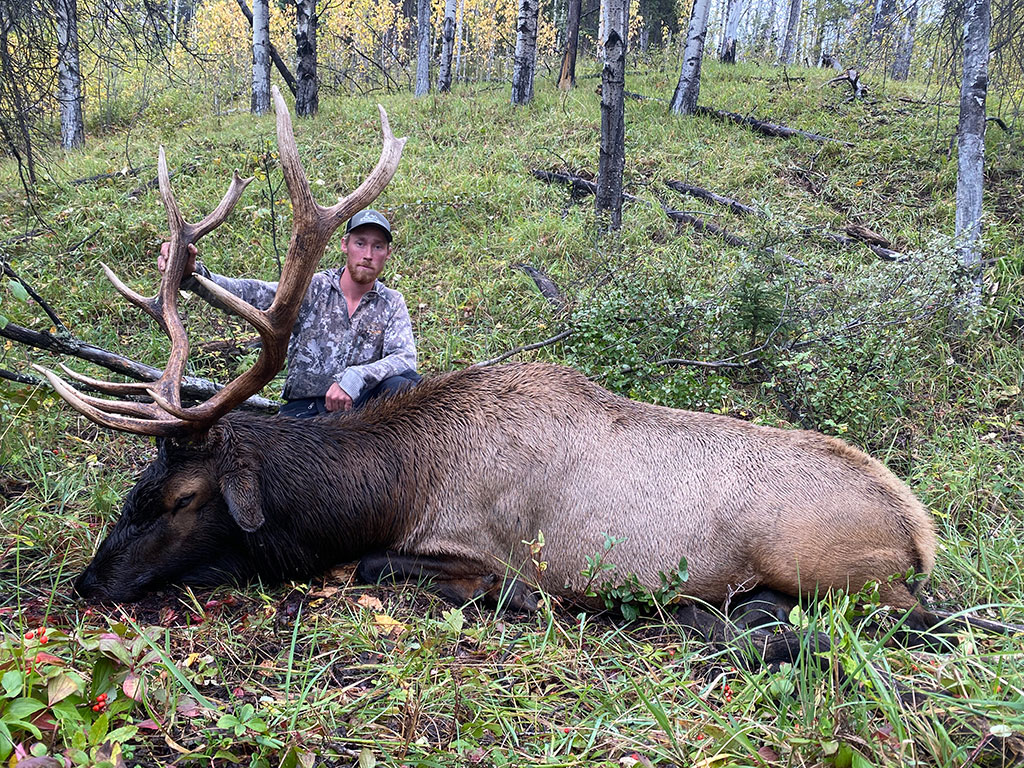
An adult bull elk is a massive animal. By their fourth or fifth year, they reach their physical prime. A typical mature bull will stand about 5 feet (1.5 meters) at the shoulder and have a total body length of approximately 8 feet (2.4 meters). In peak condition during the late summer—just before the rut—a bull can weigh upwards of 1,000 pounds, though the average for the subspecies is closer to 700–850 pounds.
Antlers are the most striking feature of the bull. Unlike horns, antlers are shed and regrown annually. In the spring, growth is rapid, fueled by a highly vascularized skin called velvet. By August, the antlers harden into bone. A "trophy" bull typically sports a six-point (6x6) configuration, known as a "royal" bull. These antlers can weigh 40 pounds or more and span over 4 feet in width.
Cow Elk (Females)
Cows are significantly smaller than bulls and lack antlers. An adult cow generally weighs between 500 and 600 pounds. They stand about 4.5 feet at the shoulder. Despite their smaller size, cows are the primary drivers of herd intelligence and survival, often leading the movement between seasonal ranges.
Calves
Born in late May or June, calves weigh about 30 to 35 pounds at birth. They are born with spots that provide camouflage against the forest floor, which they lose by late summer. Their growth is incredibly rapid; by their first winter, a calf can weigh over 200 pounds, a necessary adaptation to survive the harsh conditions of high-altitude winters.
Population Numbers and Distribution in 2026
As of 2026, the Rocky Mountain elk is the most numerous of the four remaining elk subspecies in North America. While they were once nearly extirpated from much of their range due to overhunting in the late 19th century, modern science-based management has facilitated a remarkable recovery.
Regional Strongholds
The "Elk Belt" of the American West continues to hold the highest concentrations.
- Colorado: Remains the state with the largest elk population, estimated at approximately 280,000 to 300,000 animals. Management focus here in 2026 is on reducing "herd density" in specific units to prevent overgrazing.
- Montana and Wyoming: Both states maintain robust populations, with Montana hosting around 170,000 elk and Wyoming roughly 110,000. These states are critical for the Greater Yellowstone Ecosystem, where elk are a primary prey source for wolves and grizzly bears.
- The Pacific Northwest: Oregon and Washington have stable populations of Rocky Mountain elk in their eastern regions, totaling over 130,000 combined.
Eastern Reintroductions
One of the great success stories of the 21st century is the continued expansion of elk in the Eastern United States. Through the efforts of organizations like the Rocky Mountain Elk Foundation, elk populations are now thriving in Kentucky, Pennsylvania, Tennessee, and North Carolina. Kentucky, in particular, boasts the largest herd east of the Mississippi, with numbers exceeding 15,000 in 2026.
Subspecies Comparison: Where Rocky Mountain Elk Rank
It is a common misconception that all elk are the same size. Habitat and genetics play a major role in the physical development of the different subspecies.
| Subspecies | Common Name | Average Bull Weight | Primary Habitat |
|---|---|---|---|
| C. c. nelsoni | Rocky Mountain Elk | 700 – 1,100 lbs | Open forests & alpine meadows |
| C. c. roosevelti | Roosevelt Elk | 700 – 1,300 lbs | Pacific Northwest coastal rainforests |
| C. c. manitobensis | Manitoban Elk | 700 – 900 lbs | Prairie and hardwood forests |
| C. c. nannodes | Tule Elk | 450 – 550 lbs | California grasslands and marshes |
The Rocky Mountain elk is the second largest in body mass, eclipsed only by the Roosevelt elk of the Pacific Coast. However, Rocky Mountain bulls typically have more expansive and "sweeping" antler growth compared to the denser, often "crowned" antlers of the Roosevelt subspecies.
Essential Ecology: What You Need to Know
To understand elk, one must understand their relationship with the landscape. Their lives are dictated by two factors: food availability and reproductive cycles.
Diet and Foraging
Elk are "intermediate feeders," meaning they both graze on grasses and browse on shrubs and woody plants. In the summer, they focus on high-protein grasses and forbs found in mountain meadows. As winter approaches and snow covers the grass, they transition to browsing on aspen bark, willow, and dried shrubs. In 2026, wildlife biologists have noted that shifting moisture patterns are altering the timing of "green-up," which in turn affects the timing of elk migrations.
The Rut (Mating Season)
Occurring from September through mid-October, the rut is the most dramatic period in an elk's life. Bulls use "bugling"—a haunting sound that transitions from a low growl to a high-pitched whistle—to attract cows and challenge rival males. During this time, bulls lose significant body weight as they spend more time defending their "harem" of cows than eating.
Migration Corridors
Rocky Mountain elk are migratory. They spend summers in high-elevation basins and winters in lower-elevation valleys where the snow is shallower. Protecting these corridors is a top priority for organizations like the Western Governors' Association, as highways and urban sprawl increasingly threaten these ancient paths.
Management and Health Challenges in 2026
The year 2026 presents unique challenges for elk conservation. While numbers are generally high, the quality of habitat and the health of individual herds are under constant scrutiny.
Chronic Wasting Disease (CWD)
CWD remains the most significant neurological threat to elk. It is a prion disease that is always fatal. State agencies have implemented rigorous testing protocols for hunters and have restricted the movement of high-risk carcass parts across state lines. In 2026, several states have launched new "vaccine research initiatives," though a field-ready vaccine remains elusive.
Predators and Balance
The presence of apex predators like gray wolves and mountain lions keeps elk herds alert and moving, which prevents overbrowsing in sensitive riparian areas—a concept known as "trophic cascades." However, in some localized areas, high predation rates on calves have led to declining "recruitment" (the number of calves that reach adulthood), requiring wildlife managers to adjust hunting quotas accordingly.
Safety and Ethical Observation
If you are planning to view or hunt Rocky Mountain elk, safety must be your first priority.
- Maintain Distance: During the rut, bull elk are highly aggressive and can charge humans or vehicles. During the spring, cows are equally dangerous if they perceive a threat to their calves. Always stay at least 100 yards away.
- Use Optics: Invest in high-quality binoculars or a spotting scope. This allows you to observe natural behaviors without stressing the animals.
- Respect Private Property: Many elk winter on private ranch lands. Always obtain permission before entering private property or stick to public lands like National Forests and BLM (Bureau of Land Management) areas.
- CWD Awareness: If you are a hunter, always have your animal tested for CWD if you are in a known "hot zone," and follow all disposal regulations to prevent the spread of prions.
Frequently Asked Questions
How long do Rocky Mountain elk live in the wild?
In the wild, a typical elk lives 8 to 12 years. Cows generally live longer than bulls because they do not endure the physical toll of the rut and fighting. In protected environments or areas with low predator density, some individuals have been known to reach 20 years of age.
Can elk and deer interbreed?
No. While elk and deer (like mule deer or white-tailed deer) are both members of the Cervidae family, they belong to different genera and cannot interbreed. Elk are more closely related to the red deer of Europe.
Why do elk bugle?
The bugle serves two primary purposes: it advertises a bull's fitness and presence to potential mates, and it warns other bulls to stay away. Research has shown that the pitch and duration of a bugle can actually convey the size and dominance of the bull to others in the area.
What is the "ivory" in an elk's mouth?
Elk possess two canine teeth in the upper jaw, commonly called "ivories" or "whistlers." These are remnants of prehistoric tusks. Today, they are highly prized by hunters and craftsmen for jewelry, as they are composed of high-quality dentine similar to walrus or elephant ivory.
How much meat do you get from a Rocky Mountain elk?
For a mature bull weighing 700 pounds, you can expect a "hanging weight" (carcass without hide or internal organs) of about 350-400 pounds. Once the bone is removed and the meat is trimmed, a hunter will typically take home 160 to 220 pounds of lean, high-protein venison.
Final Recommendations for 2026
To truly appreciate the Rocky Mountain elk, one must look beyond the impressive size and numbers. They are a "keystone species" that dictates the health of the Western wilderness. For those looking to support the species, contributing to habitat restoration projects and respecting seasonal closures on public lands are the most effective actions you can take. Whether you are watching a herd graze in a meadow or tracking them through the timber, the Rocky Mountain elk remains a testament to the success of North American wildlife conservation.
Image Gallery