Understanding the Keefah Approach in Enterprise Architecture: A Strategic Framework for 2026
The Keefah approach in enterprise architecture (EA) is a multi-dimensional framework designed to synchronize organizational strategy with technological execution through an emphasis on resilience, human-centric design, and adaptive gov...
The Keefah approach in enterprise architecture (EA) is a multi-dimensional framework designed to synchronize organizational strategy with technological execution through an emphasis on resilience, human-centric design, and adaptive governance. Unlike rigid traditional models, Keefah prioritizes the "endeavor" or "effort" phase of digital transformation, ensuring that technical debt is minimized while business value is maximized through continuous alignment cycles.
Contents
The Evolution of Enterprise Architecture and the Rise of Keefah
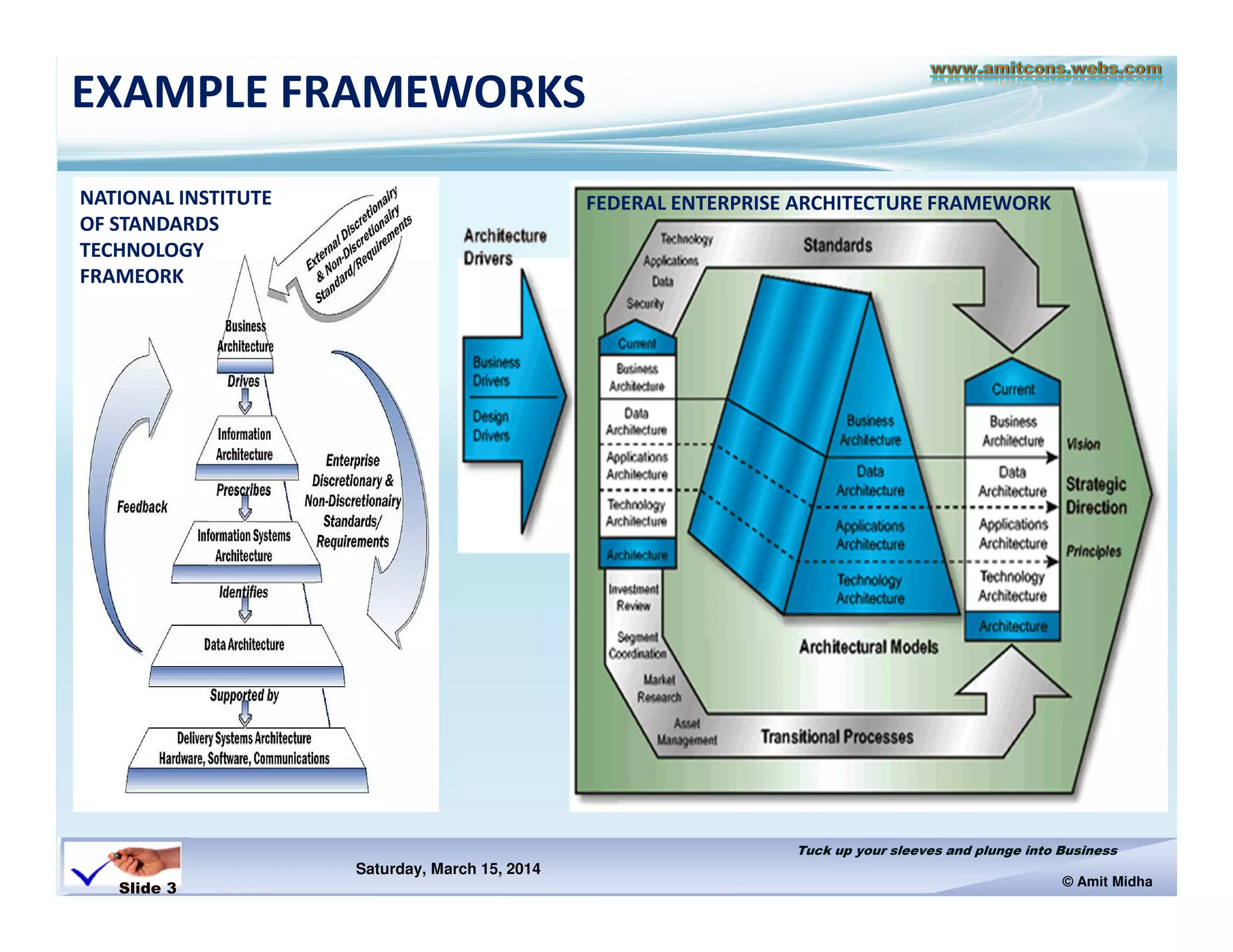
By 2026, the landscape of enterprise architecture has shifted from static blueprints to dynamic, living ecosystems. Traditional frameworks like TOGAF or the Zachman Framework, while still foundational, often struggle with the velocity of AI-driven change and the complexities of global decentralized workforces. The Keefah approach emerged as a response to these gaps, focusing on the "Struggle of Alignment"—a concept that acknowledges that business and IT are naturally divergent forces that require constant, intentional calibration.
The Keefah approach treats enterprise architecture not as a set of diagrams, but as a strategic capability. It recognizes that in a post-digital transformation era, the primary challenge is no longer just "building the system," but "sustaining the evolution." This methodology is particularly prevalent in organizations undergoing massive modernization where legacy infrastructure must coexist with cloud-native, AI-augmented services.
The Five Core Pillars of the Keefah Approach
To implement the Keefah approach effectively, architects must balance five distinct pillars. These pillars act as the structural supports for any architectural initiative, ensuring that no single aspect of the enterprise is optimized at the expense of another.
1. Strategic Intent and Value Mapping
The Keefah approach begins with the "Why" before the "How." Strategic intent involves mapping every technical capability to a specific business outcome. In 2026, this frequently includes sustainability goals and ESG (Environmental, Social, and Governance) compliance. Architects using Keefah employ value-stream mapping to identify where data flows create the most significant impact, ensuring that the architecture supports high-value activities while pruning redundant processes.
2. Adaptive Governance
In traditional EA, governance is often viewed as a "gatekeeper" function that slows down innovation. Keefah redefines governance as "adaptive" and "automated." It utilizes policy-as-code and real-time observability to ensure compliance without manual intervention. This allows the enterprise to maintain security and regulatory standards—such as GDPR or the latest AI safety protocols—while allowing development teams to move at high velocity.
3. Human Capital Readiness
Perhaps the most unique aspect of the Keefah approach is its focus on the human element. It posits that an architecture is only as effective as the people who operate it. This pillar involves assessing the "Digital Literacy" and "Change Readiness" of the workforce. Before a new architectural pattern is deployed, the Keefah methodology requires a transition plan for the talent involved, ensuring that the organization has the skills to maintain the new environment.
4. Data Sovereignty and Intelligence
In 2026, data is not just an asset; it is a liability if not managed correctly. The Keefah approach emphasizes data sovereignty, ensuring that data resides in jurisdictions that comply with local laws while remaining accessible for global analytics. It integrates a "Data Mesh" philosophy, where data is treated as a product, owned by the business units that understand it best, rather than being siloed in a central IT repository.
5. Technical Elasticity
Finally, the technical pillar focuses on elasticity. The Keefah approach advocates for "composable architecture," where services can be swapped, upgraded, or retired with minimal impact on the broader system. This relies heavily on microservices, event-driven architectures, and standardized API contracts. The goal is to build a "resilient" rather than just a "robust" system—one that can absorb shocks (like outages or cyber-attacks) and recover quickly.
Comparing Keefah with Traditional Frameworks
For senior architects deciding whether to adopt the Keefah approach, it is helpful to see how it contrasts with established methodologies like TOGAF (The Open Group Architecture Framework).
| Feature | TOGAF (Standard) | Keefah Approach (2026) |
|---|---|---|
| Primary Goal | Standardization & Process | Resilience & Value Alignment |
| Pace of Change | Sequential (ADM Cycles) | Continuous & Adaptive |
| Governance | Committee-based | Automated (Policy-as-Code) |
| Human Element | Minimal focus | Core Pillar (Readiness) |
| Data Handling | Centralized Models | Distributed (Data Mesh) |
| Technology Focus | Infrastructure & Apps | Composable Services & AI |
The Lifecycle of the Keefah Methodology
Implementing the Keefah approach is not a one-time project but a recurring lifecycle. In the current 2026 business environment, this lifecycle typically repeats every 6 to 12 months to account for market shifts.
Phase 1: Discovery and Capability Assessment
Architects begin by auditing the existing landscape. This isn't just a technical audit but a capability assessment. What is the organization actually capable of doing today? Using the Keefah lens, architects identify "Capability Gaps"—areas where the business strategy requires a level of agility that the current technology cannot provide.
Phase 2: Design for Resilience
During the design phase, the focus is on "Anti-fragility." Architects do not just design for the "happy path." They model failure scenarios, including vendor lock-in, regional cloud outages, and sudden regulatory changes. The Keefah approach mandates that every critical system must have a "degraded mode" of operation, ensuring business continuity under stress.
Phase 3: The Endeavor (Execution)
This is where the name "Keefah" (Effort) is most relevant. The execution phase is treated as a series of "sprints" or "endeavors." Instead of a massive multi-year rollout, the approach favors "Thin Slices" of functionality that deliver immediate value. This reduces the risk of "Architecture Fatigue," where stakeholders lose interest before the project is completed.
Phase 4: Operational Optimization and Feedback
Once a capability is deployed, it enters the optimization phase. The Keefah approach uses AI-driven telemetry to monitor whether the architectural changes actually achieved the strategic goals defined in Phase 1. If the value isn't being realized, the governance model triggers a "pivot" rather than continuing to invest in a failing pattern.
Prerequisites for Successful Adoption
Before an organization can successfully implement the Keefah approach, several prerequisites must be met. Without these, the framework can become overly complex and fail to gain traction.
- Executive Sponsorship: Because Keefah involves changing how business and IT interact, it requires buy-in from the C-suite (CEO, CTO, and CDO).
- Cultural Openness: The organization must be willing to acknowledge technical debt and be open to decentralized decision-making.
- Modern Tooling: Teams need access to modern observability tools, automated testing frameworks, and cloud-native infrastructure management.
- Baseline Literacy: A basic level of architectural understanding across business units is necessary to facilitate the "Human Capital Readiness" pillar.
Practical Challenges and Troubleshooting
While the Keefah approach offers significant advantages in the volatile market of 2026, it is not without its challenges. Understanding these pitfalls early can prevent project stalls.
Common Mistake: Over-Engineering the "Elasticity" Pillar Architects sometimes spend too much time building highly complex, decoupled systems for low-priority functions. The Keefah approach advises focusing elasticity only where the rate of change is highest. For stable, core systems (like a general ledger), a simpler, more traditional architecture may be more cost-effective.
Issue: Resistance to Automated Governance Middle management may resist automated governance, fearing a loss of control. To troubleshoot this, architects should implement "Observability First." By showing managers the data and the safety nets provided by the automated policies, trust is built gradually.
Challenge: Managing Multi-Cloud Complexity The Keefah approach often leads to multi-cloud or hybrid environments to ensure resilience. This can lead to fragmented data. The solution within the Keefah framework is a strict adherence to the "Data Sovereignty" pillar, using a global control plane to manage data regardless of its physical location.
Future-Proofing with Keefah in 2026 and Beyond
As we move further into 2026, the Keefah approach is increasingly incorporating "Generative Architecture." This involves using large language models (LLMs) and specialized AI to draft architectural diagrams and documentation based on natural language strategic goals. By automating the "busy work" of documentation, the Keefah approach allows senior architects to focus on the high-level "struggle" of alignment and long-term strategic health.
Furthermore, the integration of sustainability metrics into the technical pillar is becoming a non-negotiable requirement. The Keefah methodology now includes "Carbon Footprint Tracking" as part of the technical elasticity assessment, ensuring that as systems scale, their environmental impact remains within acceptable bounds.
FAQs
What is the primary difference between the Keefah approach and the Zachman Framework?
The Zachman Framework is a classification schema (a "taxonomy") that helps organize architectural artifacts, whereas the Keefah approach is a dynamic "methodology" focused on the effort of alignment and resilience. Zachman tells you where things go; Keefah tells you how to make them work together under pressure.
Can the Keefah approach be used in small to medium-sized enterprises (SMEs)?
Yes, although it was designed for complex environments, its core pillars are scalable. SMEs can focus on the "Value Mapping" and "Technical Elasticity" pillars to ensure they don't over-invest in rigid systems that they cannot afford to change later.
How does the Keefah approach handle cybersecurity?
Cybersecurity is integrated into the "Adaptive Governance" pillar. Rather than being a separate "add-on" at the end of the design, security is treated as an inherent property of the architecture (Zero Trust). Policies are enforced automatically through the code, ensuring that every "endeavor" is secure by design.
Does the Keefah approach require a specific software tool?
No, the Keefah approach is tool-agnostic. However, it works best with platforms that support Infrastructure as Code (IaC), real-time monitoring, and collaborative modeling. Many organizations in 2026 use a combination of cloud-native governance tools and AI-assisted design platforms.
How long does it take to see results from a Keefah implementation?
Because the approach focuses on "Thin Slices" and "Endeavors," organizations often see initial value within 3 to 4 months. However, achieving full maturity across all five pillars typically takes 18 to 24 months, depending on the starting technical debt.
Next Steps for Enterprise Architects
To begin integrating the Keefah approach into your organization, start by conducting a Human Capital Readiness assessment. Identify the gap between your current technical stack and your team's ability to manage a more elastic, automated environment. Once the human element is understood, initiate a pilot "Endeavor"—a small, high-value project where you can apply adaptive governance and value mapping. This incremental approach will demonstrate the framework's effectiveness while building the necessary momentum for a broader organizational rollout in 2026.
Image Gallery