The Most Accurate Way to Check Your Credit Score in 2026
The most accurate way to check your credit score is to obtain your FICO Score directly through a major credit bureau—Experian, Equifax, or TransUnion—or via myFICO.com. Since over 90% of top lenders use FICO scoring models for credit d...
The most accurate way to check your credit score is to obtain your FICO Score directly through a major credit bureau—Experian, Equifax, or TransUnion—or via myFICO.com. Since over 90% of top lenders use FICO scoring models for credit decisions, these sources provide the most reliable reflection of your creditworthiness from a lender's perspective.
Contents
To understand your financial standing in 2026, you must distinguish between the various types of "educational" scores and the "lender-ready" scores used for mortgages, auto loans, and high-limit credit cards. While free apps are convenient, they often utilize the VantageScore model, which may differ significantly from the FICO scores used in formal underwriting processes.
The Distinction Between FICO and VantageScore
Accuracy in credit scoring is not about a single "correct" number, but rather about which model a specific lender uses. There are two primary competitors in the scoring space: the Fair Isaac Corporation (FICO) and VantageScore.
The Dominance of FICO
FICO remains the industry standard. In 2026, most traditional banks and credit unions rely on FICO 8 or FICO 9 for general lending, while FICO 10 and 10T (which incorporates trended data) have become the benchmark for sophisticated risk assessment. If you are applying for a mortgage, lenders typically use older, specific versions like FICO Score 2, 4, or 5. Checking a VantageScore when you are preparing for a mortgage application can lead to "score shock," where your actual mortgage score is 30 to 50 points lower than the free score you saw online.
The Role of VantageScore
VantageScore (currently in versions 3.0 and 4.0) was created by the three major credit bureaus to compete with FICO. It is the model most frequently provided by free credit monitoring services like Credit Karma or through your banking app's "credit health" feature. While VantageScore is a highly accurate reflection of the data in your credit report, it is less "accurate" as a predictor of your loan approval odds because fewer lenders use it for final decision-making. It is best used as a tool for tracking trends rather than for precise loan planning.
Primary Sources for the Most Accurate Credit Scores
If you need the highest level of precision, you should look toward official channels that provide FICO scores derived from all three bureaus.
1. myFICO.com
Operated by the Fair Isaac Corporation itself, myFICO is widely considered the most comprehensive source for consumers. It provides access to over 28 different versions of your FICO score, including industry-specific scores for auto loans and mortgages. This is the only place where you can see exactly what a mortgage lender sees before you apply.
2. Credit Bureau Portals (Experian, Equifax, TransUnion)
The three national credit reporting agencies offer direct access to your scores. Experian, for example, provides a free FICO Score 8 updated monthly. Equifax and TransUnion often bundle their scores with credit monitoring subscriptions. Obtaining your score directly from the bureau ensures that the data used to calculate the score is the most current information available in their database.
3. Financial Institutions and Credit Card Issuers
Many major banks—such as American Express, Chase, Citi, and Wells Fargo—now provide customers with a free FICO score. This is an excellent, no-cost way to monitor your "most accurate" score. However, be aware of which bureau they are pulling from. For example, one bank might provide your FICO Score 8 based on Experian data, while another uses TransUnion data. Because your credit history may vary across bureaus, these scores might not be identical.
Why Your Score Varies Across Different Platforms
It is common for a consumer to check their score on three different websites and see three different numbers. This does not mean any of them are "wrong." Several factors contribute to these discrepancies:
- The Scoring Model: As discussed, FICO vs. VantageScore is the most common reason for a gap.
- The Data Source: Some platforms only pull data from one bureau (e.g., TransUnion). If a specific collection or late payment is only reported to Equifax, a score based on TransUnion data will be higher.
- The Update Frequency: Some services update daily, while others update weekly or monthly. If you recently paid down a large credit card balance, a daily-updating service will reflect the score increase much sooner than a monthly one.
- The Version of the Model: A FICO 8 score will differ from a FICO 10T score because the latter looks at your credit behavior over the last 24 months (trended data) rather than just a snapshot of your current utilization.
Comparison of Credit Scoring Platforms (2026)
| Provider | Scoring Model | Data Source | Primary Use Case | Cost |
|---|---|---|---|---|
| myFICO | FICO (Multiple Versions) | All 3 Bureaus | Mortgage/Auto Loan Prep | Paid Subscription |
| Experian | FICO Score 8 | Experian Only | General Credit Monitoring | Free / Paid Tiers |
| AnnualCreditReport.com | Credit Report Only | All 3 Bureaus | Verifying Data Accuracy | Free (Weekly in 2026) |
| Credit Karma | VantageScore 3.0 | TransUnion & Equifax | Trend Tracking | Free |
| Major Bank Apps | Usually FICO 8 or 9 | Variable (1 Bureau) | Quick Monthly Check | Free for Customers |
The Foundation of Accuracy: The Credit Report
No credit score is accurate if the underlying data is flawed. Before paying for a premium FICO score, you must verify the information in your credit reports. Under federal law, you are entitled to a free copy of your credit report from each of the three bureaus.
As of 2026, the permanent extension of weekly free reports via AnnualCreditReport.com remains the gold standard for data verification. You should review these reports for:
- Identity Errors: Incorrect names, addresses, or Social Security numbers.
- Account Status: Closed accounts showing as open, or vice versa.
- Inaccurate Late Payments: Payments marked late that were actually on time.
- Fraudulent Accounts: New credit lines you did not open (a sign of identity theft).
If you find an error, you must dispute it with the relevant credit bureau. Once the error is corrected, your "accurate" score will naturally adjust to reflect your true credit behavior.
How to Check Your Score Without Damaging It
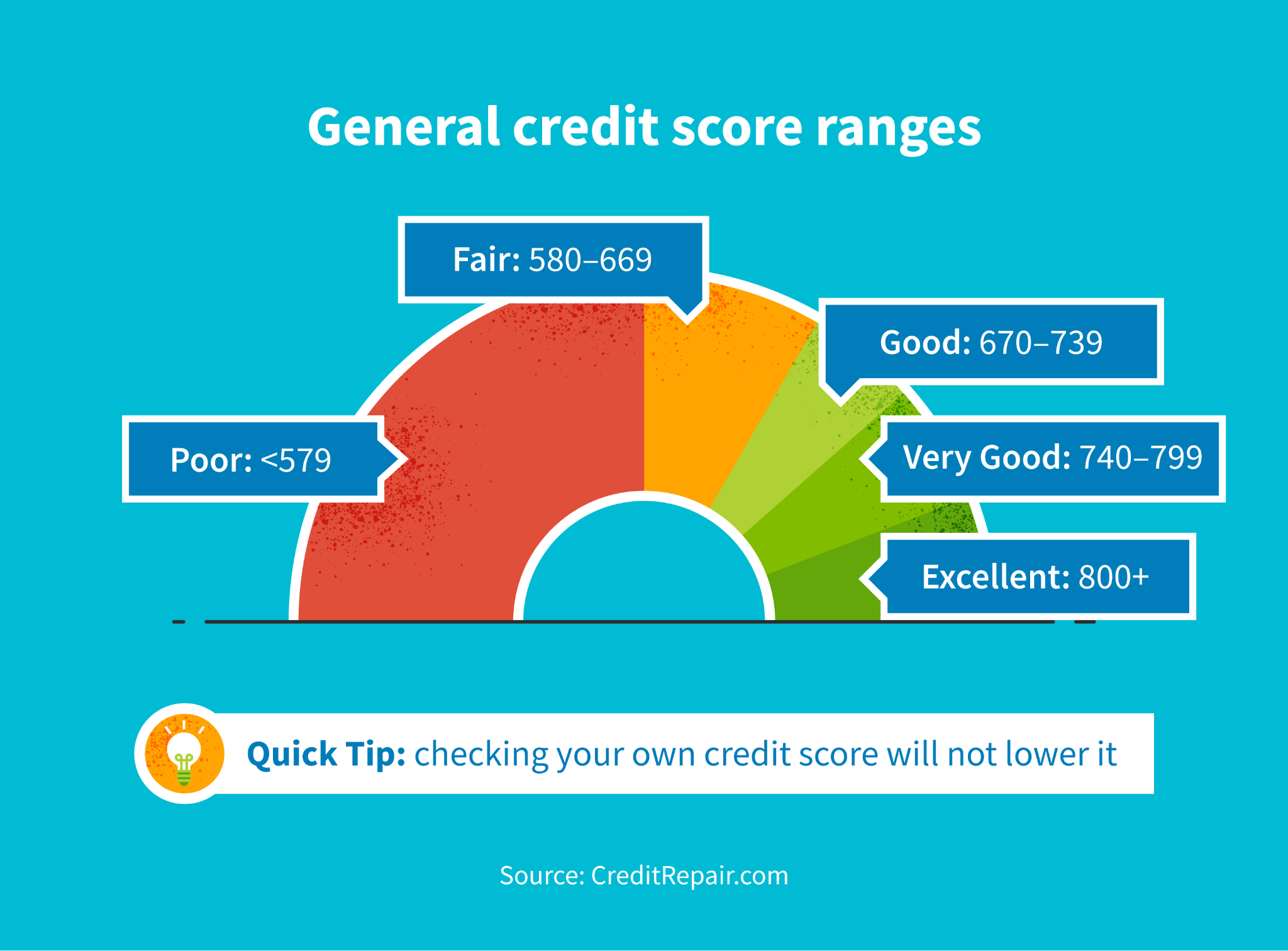
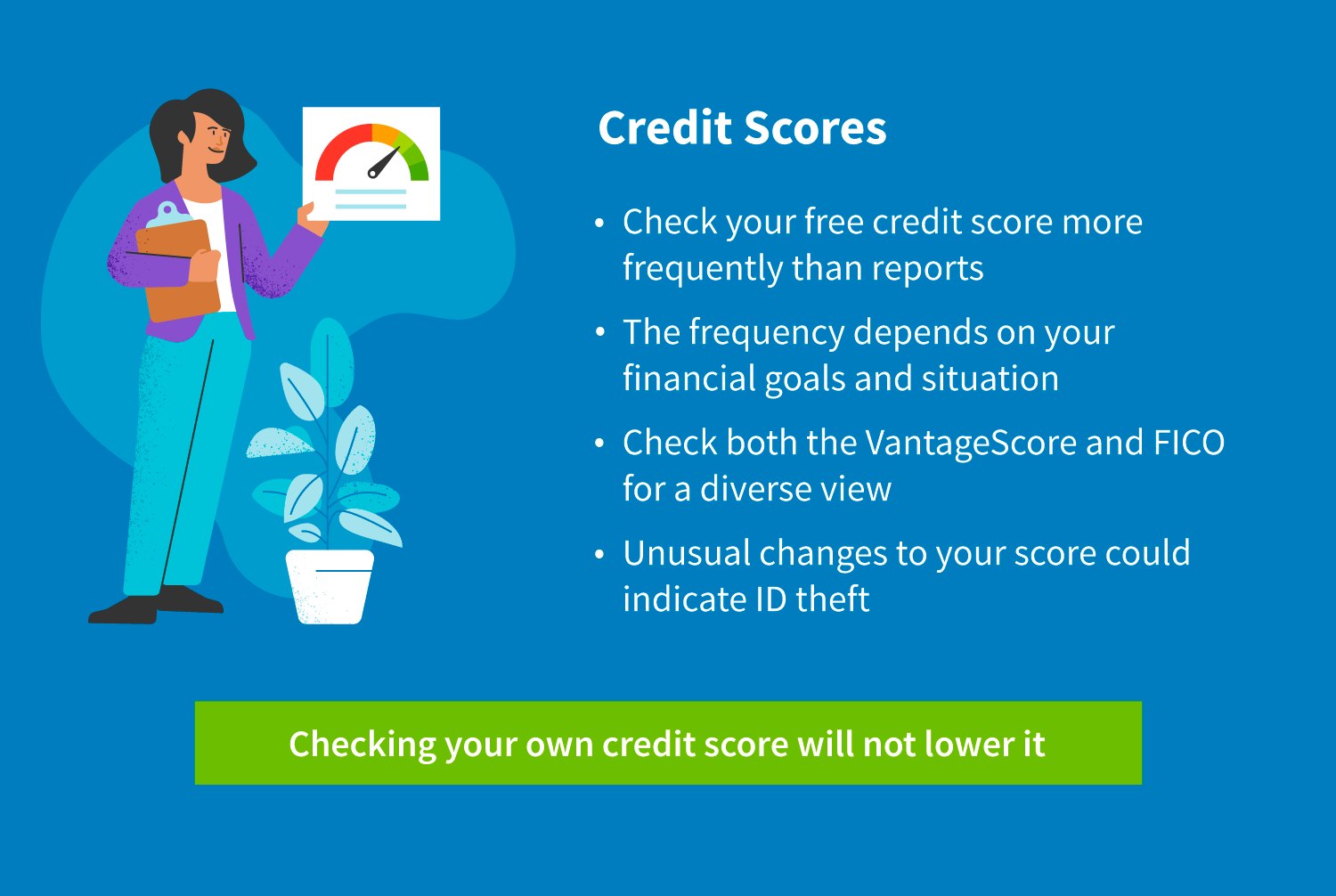
A common myth is that checking your own credit score will lower it. This is false. When you check your own score through an authorized provider or a bank app, it is classified as a soft inquiry. Soft inquiries have zero impact on your credit score.
A hard inquiry, which can lower your score by a few points, occurs when a lender reviews your credit report to make a lending decision (e.g., when you apply for a new credit card or a car loan). In 2026, many fintech platforms offer "pre-approval" or "pre-qualification" tools that use soft inquiries to give you an estimated rate without affecting your score. Always utilize these tools before submitting a formal application.
Advanced Considerations for 2026: Trended Data and BNPL
The landscape of credit accuracy has shifted with the widespread adoption of FICO 10T and VantageScore 4.0. These models use "trended data," which looks at your financial trajectory over the previous two years.
Lenders are now more interested in whether you are paying down your debt or if your balances are slowly creeping up month-over-month. This means that a one-time payment to lower your utilization right before a loan application may not boost your score as significantly as it did in the past. To get the most "accurate" result, you must maintain consistent, positive credit habits for several months leading up to a major financial milestone.
Additionally, "Buy Now, Pay Later" (BNPL) services are now more integrated into credit reports in 2026. While some BNPL providers only report missed payments, many now report the entire history of the loan. Ensuring your BNPL accounts are in good standing is now a vital part of maintaining an accurate and high credit score.
Frequently Asked Questions
Why is my FICO score different from my VantageScore?
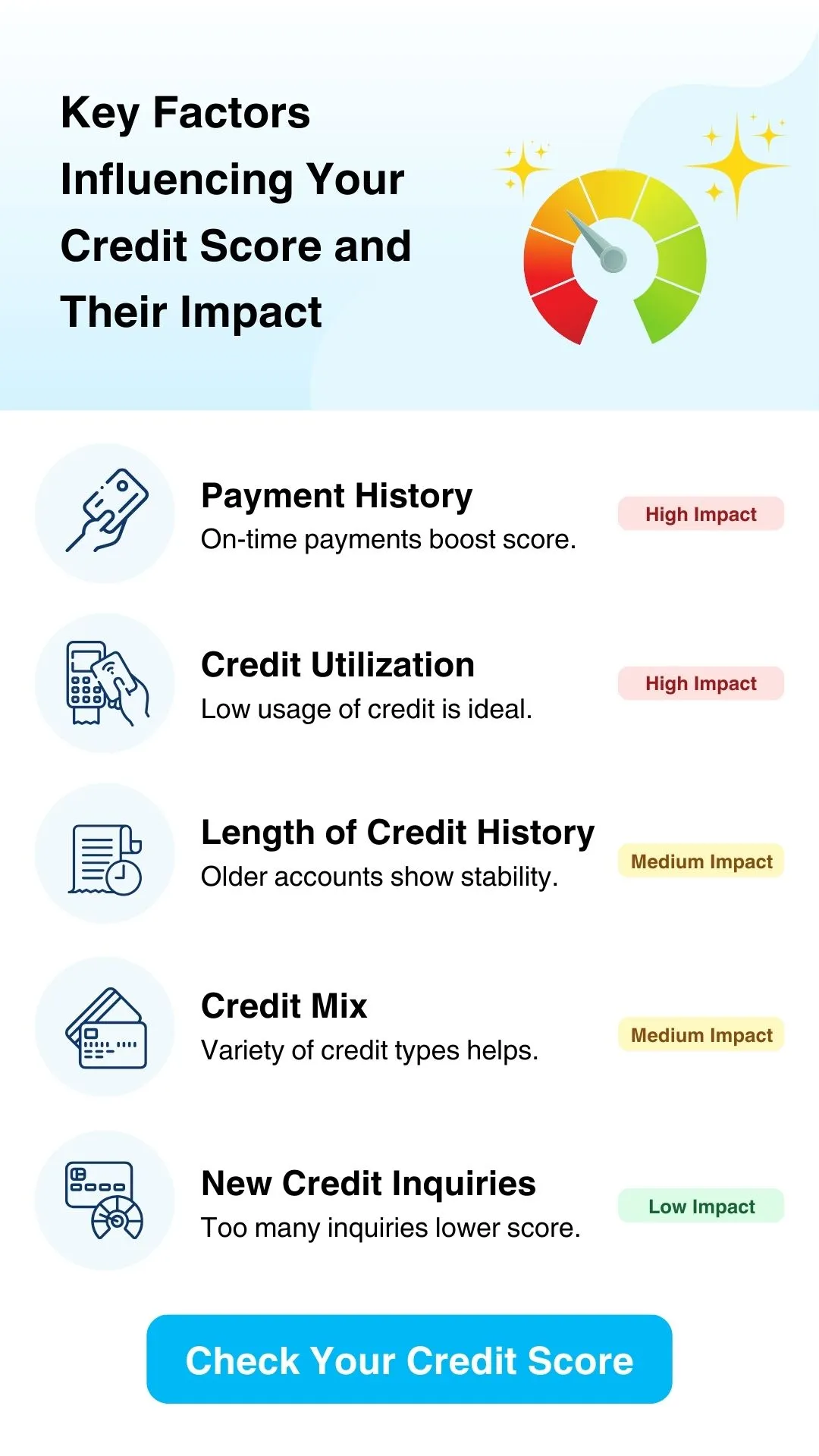
FICO and VantageScore use different algorithms to weigh your financial data. For example, FICO may place more emphasis on the length of your credit history, while VantageScore might more heavily weigh your total credit utilization. Because they prioritize different factors, the numbers will rarely be the same.
How often should I check my credit score for accuracy?
For most people, a monthly check through a free service or a bank app is sufficient. However, if you are planning a major purchase like a home, you should check your official FICO scores from all three bureaus at least three to six months in advance. This gives you time to correct errors or improve your score to qualify for better interest rates.
Can a "free" credit score be trusted?
Yes, free scores are technically "accurate" for the model they are using. If a free app shows you a 720 VantageScore, that is a legitimate calculation. The problem arises when you assume that 720 VantageScore is the same as the 720 FICO score a lender will see. Use free scores for direction and paid FICO scores for precision.
Is there a truly "universal" credit score?
No. There is no single universal credit score. You have dozens of scores depending on the model (FICO vs. VantageScore), the version (FICO 8 vs. FICO 10T), the bureau data used (Experian, Equifax, or TransUnion), and the industry focus (Auto, Mortgage, or Bankcard).
Next Steps for Maximum Accuracy
To ensure you have the most accurate view of your credit before a major financial decision, follow these three steps:
- Download your free credit reports from AnnualCreditReport.com to ensure there are no reporting errors.
- Access your FICO Score 8 through your bank or a bureau portal (like Experian) for a general sense of your standing.
- Purchase a comprehensive 3-Bureau FICO report from myFICO if you are within 90 days of a mortgage or auto loan application to see the specific industry versions lenders will use.
By understanding that accuracy is defined by the lender's choice of model, you can move away from "educational" scores and toward the data that truly impacts your financial future.
Image Gallery