How Harvey Mason Reshapes Jazz Education Today
Harvey Mason’s impact on jazz education bridges world-class studio craftsmanship with modern institutional advocacy. By combining Harvey Mason Sr.’s masterclasses on rhythmic precision and session versatility with Harvey Mason Jr.’s le...
Harvey Mason’s impact on jazz education bridges world-class studio craftsmanship with modern institutional advocacy. By combining Harvey Mason Sr.’s masterclasses on rhythmic precision and session versatility with Harvey Mason Jr.’s leadership in music industry education and Recording Academy advocacy, contemporary jazz pedagogy now integrates studio discipline, digital music production, and career entrepreneurship alongside traditional improvisational theory.
Contents
The Evolution of Jazz Education: Bridging Tradition and Studio Realities
For decades, formal jazz education focused heavily on Bebop harmonic theory, chord-scale relationships, and big band arranging. While these foundational elements remain crucial, contemporary music careers demand a far broader skill set. Modern working musicians must navigate hybrid acoustic-digital environments, tight studio tracking environments, complex contracts, and self-managed digital distribution.
The influence of the Mason family—drummer and composer Harvey Mason Sr. and producer, songwriter, and Recording Academy CEO Harvey Mason Jr.—represents a pivotal shift in how universities, conservatories, and community music programs prepare students. Rather than treating jazz strictly as a historical art form confined to traditional concert halls, contemporary education adopts a practical, industry-aligned approach.
- Traditional Jazz Pedagogy
- Bebop & Modal Theory
- Acoustic Big Band
- Historical Transcription
- Solo Improvisation
- Modern Integrated Pedagogy
- Hybrid Rhythmic Precision
- DAW & Studio Tracking
- Music Business & Rights
- Multi-Genre Adaptability
This pedagogical model addresses a historical gap in music schools: the disconnect between academic virtuosic performance and the realities of professional session work. By embedding studio tracking discipline, micro-timing accuracy, and business literacy into the standard jazz curriculum, educators ensure that graduates can thrive across recording studios, live tours, and independent media production.
Harvey Mason Sr. and the Mechanics of Rhythmic Precision
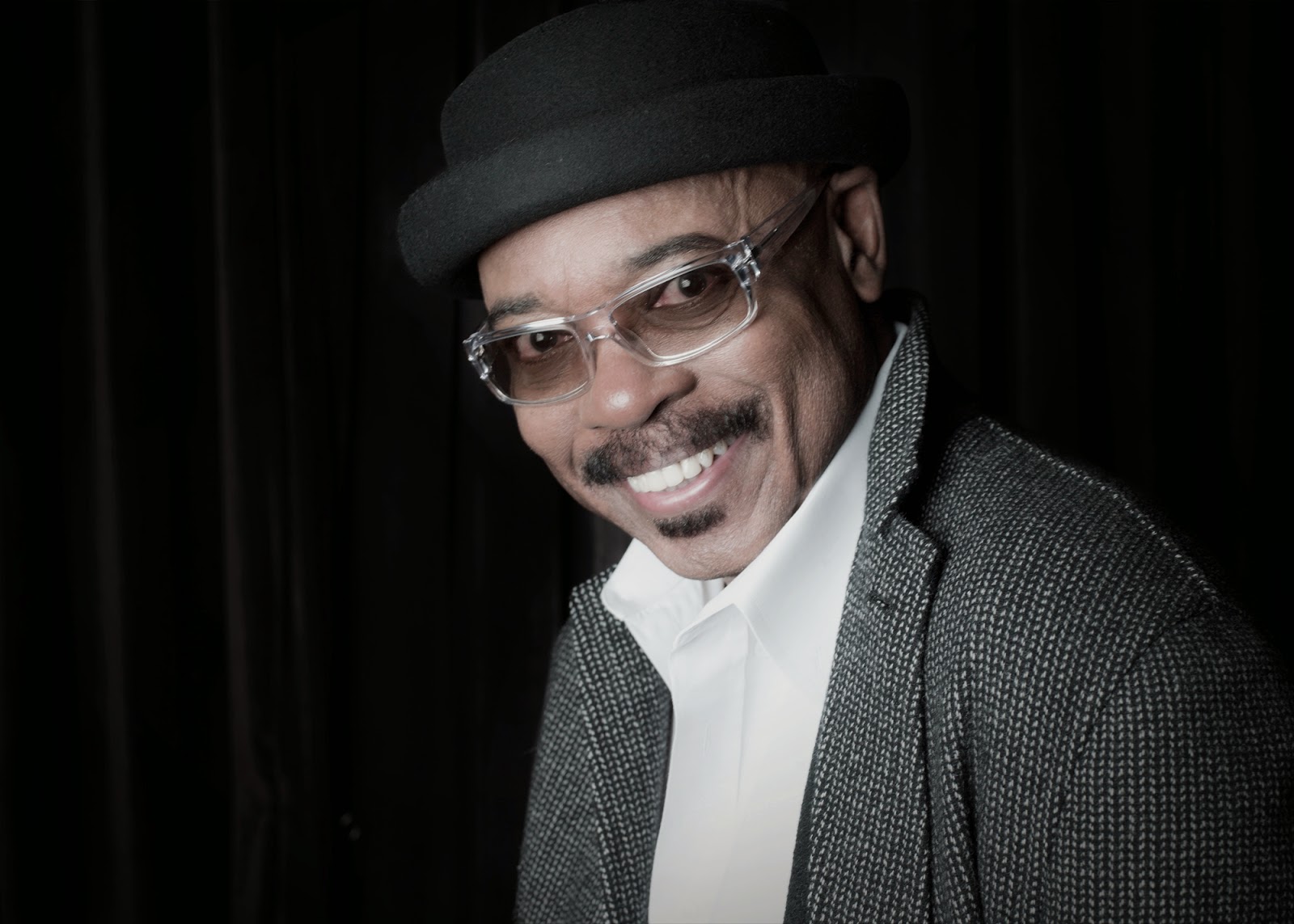
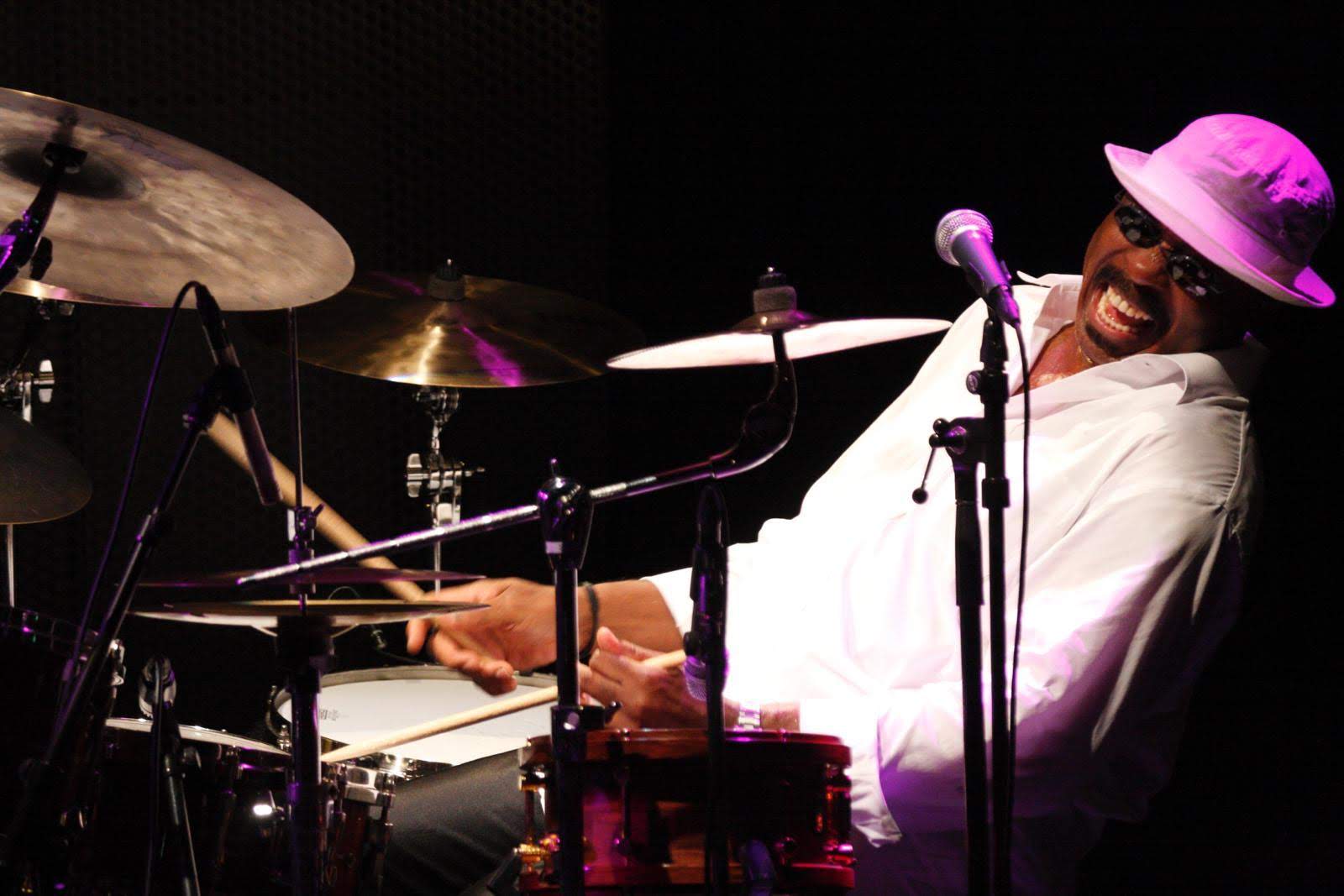
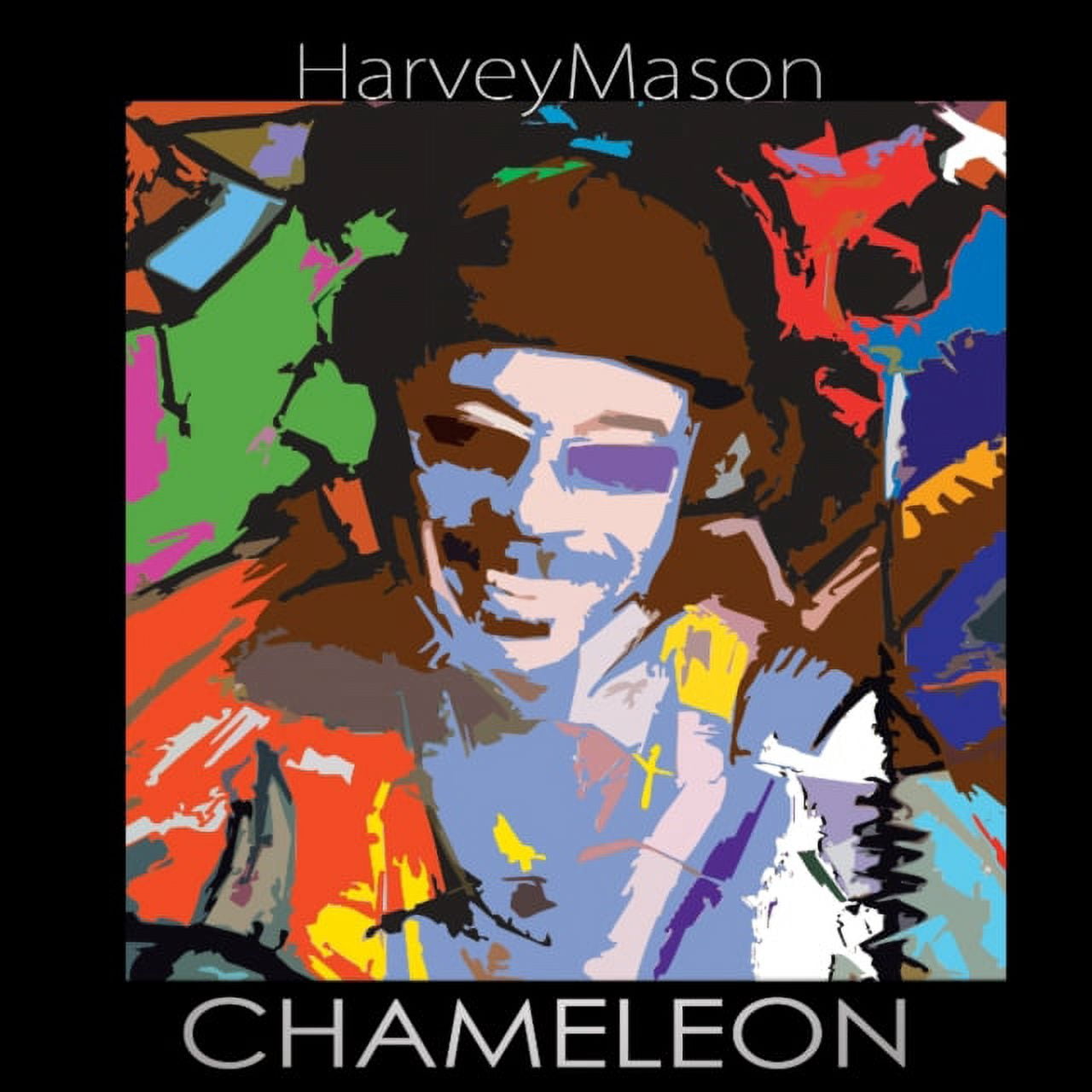
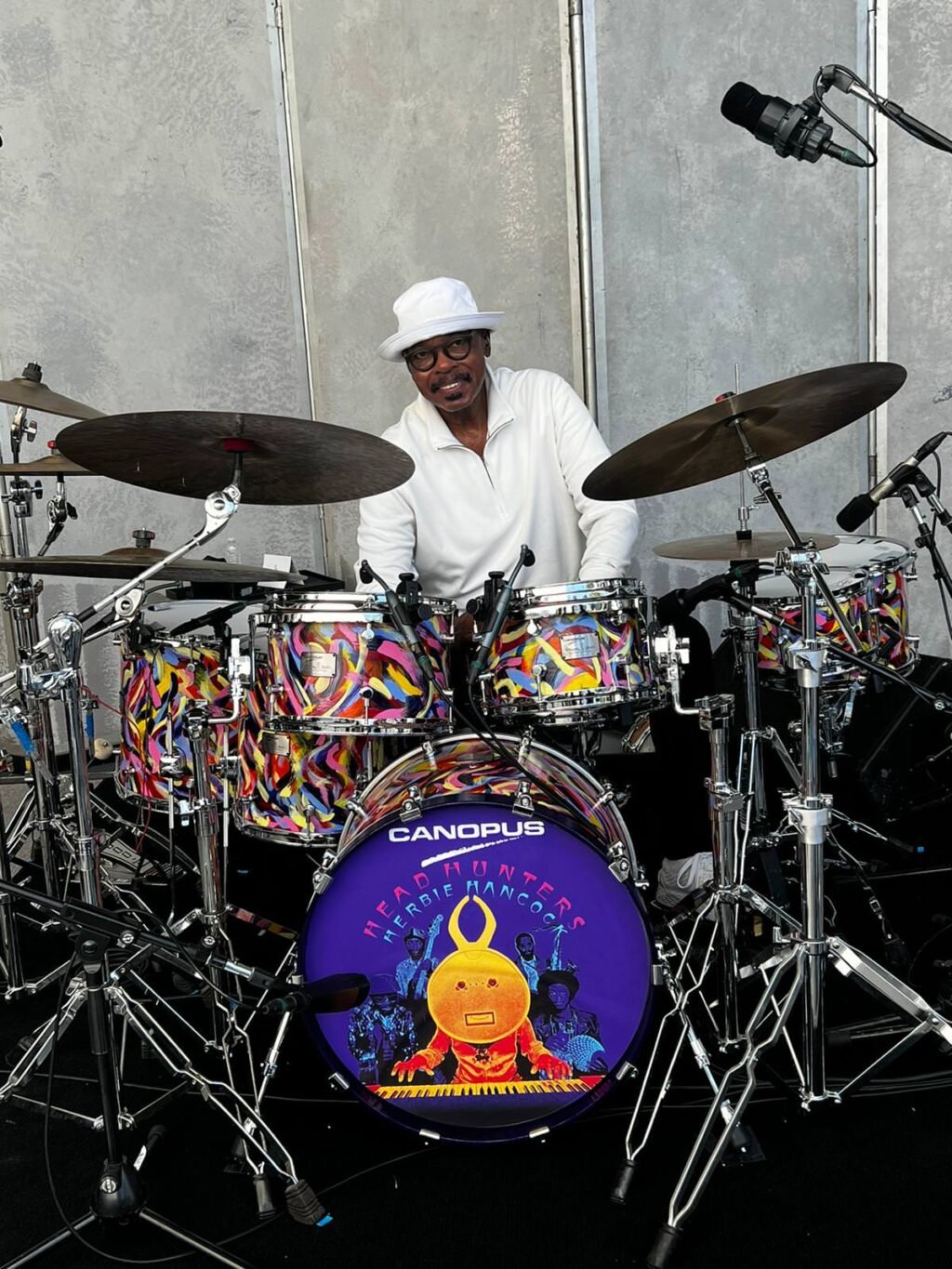
As a founding member of the smooth-jazz supergroup Fourplay and the drummer behind Herbie Hancock’s seminal album Head Hunters (including the iconic drum performance on "Chameleon"), Harvey Mason Sr. established the benchmark for modern groove drumming. His masterclasses and educational clinics at institutions such as the Berklee College of Music, the University of Southern California (USC) Thornton School of Music, and international conservatories focus on specific technical pillars.
Micro-Timing and "The Pocket"
In traditional jazz training, tempo management is often taught organically through ensemble playing. Mason Sr.’s educational framework introduces systematic micro-timing exercises. Students learn how to play intentionally "behind the beat" (layback), "on top of the beat" (pushing), or dead center, depending on the stylistic context.
Key elements of this rhythmic methodology include:
- Subdivision Precision: Practicing grid-aligned sixteenth-note and triplet subdivisions against a click track without losing natural swing feel.
- Dynamic Balance across the Kit: Controlling the relative decibel output between the hi-hat, snare, bass drum, and cymbals to achieve an instantly "mix-ready" acoustic sound in tracking rooms.
- Metric Modulation Awareness: Navigating complex time-signature shifts while maintaining an unbroken inner metronome.
Versatility and Genre-Bending
Mason Sr.’s career spanning jazz, funk, R&B, pop, and orchestral film scoring forms the basis for cross-genre drum instruction. Modern jazz programs influenced by his work emphasize that a complete jazz musician must effortlessly transition between straight-ahead swing, Brazilian bossa nova, Afro-Cuban clave patterns, and hip-hop boom-bap grooves.
Institutional Advocacy: Harvey Mason Jr. and Music Education Stewardship
While Mason Sr. transformed rhythm-section performance, Harvey Mason Jr. has reshaped institutional access and industry education. Through his executive leadership at The Recording Academy and involvement with academic advisory boards, Mason Jr. has championed programs that bridge academia with the global music industry.
- Institutional Educational Impact
- GRAMMY Museum & Camp
- High School Mentorship
- DAW Production Workshops
- Direct Access to Top Producers
- Recording Academy
- Music Educator Award
- Advocacy for Music Funding
- IP & Fair Pay Education
- GRAMMY Museum & Camp
Expanding the GRAMMY Museum Educational Initiatives
Under his stewardship, initiatives like GRAMMY Camp and the GRAMMY Museum Foundation educational outreach have expanded access for young jazz, pop, and urban music creators. These programs provide high school and college students with hands-on exposure to studio environments, professional songwriting camps, and masterclasses led by Grammy-winning artists and engineers.
Modernizing Music Curricula
Mason Jr. has consistently advocated for updating conservatory curricula to reflect current recording realities. Key areas of focus include:
- Digital Audio Workstation (DAW) Literacy for Performers: Ensuring jazz instrumentalists can record high-quality remote stems, edit their own audio, and interface directly with modern software tools like Pro Tools, Logic Pro, and Ableton Live.
- Intellectual Property and Rights Management: Teaching emerging jazz artists how publisher royalties, master recording ownership, mechanical licensing, and digital performance rights (SoundExchange) work in an ecosystem dominated by streaming services.
- Equity and Inclusion in Arts Access: Expanding scholarships and outreach to underrepresented communities to diversify the pipeline of future jazz arranging, performance, and audio engineering talent.
Key Pillars of Modernized Jazz Education
To understand how jazz education has transformed today, it is useful to compare historical academic methods with the integrated approach championed by contemporary session masters and industry executives.
| Pedagogical Area | Traditional Jazz Education Model | Modern Integrated Jazz Pedagogy | Practical Student Outcome |
|---|---|---|---|
| Rhythmic Foundation | Metronome practice focused primarily on swing feel and tempo maintenance. | Studio click-track tracking, micro-timing feel adjustment, and grid alignment. | Mastery over live and studio timing; zero latency tracking adaptability. |
| Technology Integration | Acoustic ensemble rehearsals; minimal studio recording experience. | Home studio stem delivery, DAW recording, mic placement, and hybrid acoustic-electronic setups. | Self-sufficiency in remote session recording and modern production workflows. |
| Repertoire & Style | Classic Great American Songbook, Bebop, Hard Bop, and Fusion charts. | Jazz standards combined with R&B, Hip-Hop, Electronic, Neo-Soul, and Film Score applications. | High employability across diverse commercial music gigs and international tours. |
| Music Business Education | Optional elective courses covering basic music management or history. | Integrated instruction on copyright law, publishing, sync licensing, and direct-to-fan marketing. | Financial sustainability and protection of intellectual property rights. |
| Ensemble Dynamics | Large Big Bands and traditional small Combos with standard instrumentation. | Small flexible groups, rhythm section tracking sessions, and live synth/sample integration. | Readiness for modern touring bands and modern studio tracking environments. |
Implementing Studio-Grade Discipline in the Classroom
Integrating studio-grade professionalism into jazz education requires structural adjustments in how educators structure practice routines, rehearsals, and evaluations.
- Modern Jazz Student Development Pipeline
- Phase 1: Foundation
- Harmonic Analysis
- Dynamic Balance
- Micro-Timing Drills
- Phase 2: Studio Tracking
- Click-Track Precision
- Stem Recording & DAW
- Sight-Reading Under Pressure
- Phase 3: Industry Entry
- EP/Album Production
- Copyright Registration
- Performance Contracts
- Phase 1: Foundation
1. Click-Track Integration in Combo Rehearsals
Instead of reserving click tracks solely for recording sessions, modern jazz educators introduce metronome tracking into daily combo rehearsals. Students practice playing standard jazz charts against click tracks set to sub-divided beats, forcing them to take responsibility for precise timekeeping without relying passively on the drummer.
2. Live Recording and Self-Critique Protocols
Contemporary jazz programs require students to record their weekly ensemble sessions directly into a DAW. Rather than relying solely on professor feedback, students analyze their waveforms for:
- Rhythmic Consistency: Visualizing whether notes land ahead of, on, or behind the grid.
- Dynamic Range: Checking for clipping, uneven velocity control, or muddy frequency overlaps between instruments.
- Tonal Quality: Evaluating mic technique and tone production in a recorded medium.
3. Professional Sight-Reading Exercises
Studio session work demands reading complex lead sheets, zero-error execution, and immediate stylistic adaptation. Educators implement "one-take" sight-reading challenges, giving students studio-style lead sheets containing complex metric changes and mixed genres, simulating real-world commercial recording sessions.
Challenges and Future Outlook in Jazz Pedagogy
While the modernization of jazz education offers immense benefits, institutions face ongoing challenges in balancing traditional artistic values with rapid technological change.
- Core Pedagogical Challenges
- Preserving Acoustic Integrity
- Maintaining acoustic technique
- Balancing soloing with groove
- Preventing mechanical feel
- Equitable Tech Access
- High cost of studio gear
- Access to high-end DAWs
- Institutional funding gaps
- Preserving Acoustic Integrity
Balancing Acoustic Authenticity with Technology
A primary concern among jazz purists is that excessive emphasis on click tracks, DAWs, and grid alignment might compromise the organic elasticity of jazz swing. Leading educators address this by teaching technology as a diagnostic tool rather than a rigid boundary. Students learn to master exact pulse alignment before intentionally bending timing for emotional expression.
Funding and Access Gaps
High-end studio recording gear, DAWs, and specialized industry faculty require significant institutional capital. Organizations like the GRAMMY Museum actively work to offset these costs by providing grants, instruments, and educational programming to underfunded public schools and community music programs. Ensuring equitable access to these modernized tools remains a critical priority for the future of jazz music education.
Frequently Asked Questions
How does Harvey Mason Sr.'s drum technique influence modern jazz rhythm sections?
Harvey Mason Sr. introduced a level of studio precision, dynamic control, and micro-timing flexibility that redefined rhythm-section playing. His masterclasses teach drummers how to maintain an unflappable "pocket" across genres—from funk and fusion to straight-ahead swing—while maintaining precise dynamic balance across the acoustic kit for recording studio applications.
What role does Harvey Mason Jr. play in contemporary music education?
As CEO of The Recording Academy and an advocate for music education, Harvey Mason Jr. promotes initiatives that connect young musicians with professional industry resources. Through the GRAMMY Museum Foundation and national advocacy campaigns, he emphasizes updating music curricula to include digital music production, intellectual property education, and equitable access to music technology.
Why is studio tracking discipline important for jazz students today?
Modern working jazz musicians rarely perform exclusively in acoustic live venues. They frequently record remote session stems, compose for media and film, and perform with hybrid electronic-acoustic setups. Learning click-track discipline, DAW operation, and mic technique ensures that jazz graduates are immediately employable in modern studio environments.
How do modern jazz curricula balance tradition with new technology?
Top music conservatories combine rigorous study of historical jazz theory, transcription, and acoustic ensemble playing with contemporary courses in digital audio workstations, music business, and multi-genre session work. Technology is used as a diagnostic tool to enhance precision while preserving artistic expression.
What equipment does a modern jazz student need for studio-aligned practice?
In addition to their primary instrument, modern jazz students benefit from a simple home recording setup: a high-quality condenser or dynamic microphone, a two-channel digital audio interface, studio monitor headphones, and a digital audio workstation (DAW) such as Logic Pro, Pro Tools, or Ableton Live for tracking and timing self-analysis.
Recommended Next Steps for Educators and Students
To implement these modern jazz education principles into your study or teaching curriculum, consider the following actionable steps:
- Audit Your Rhythmic Tracking: Incorporate metronome subdivision drills into daily instrument practice. Record your playing into a DAW against a click track and visually inspect your micro-timing accuracy on the audio grid.
- Develop Basic DAW Competency: If you are an instrumentalist, gain working proficiency in tracking, editing, and exporting high-quality audio stems in standard recording software.
- Learn the Fundamentals of Music Business: Study basic copyright registration with the U.S. Copyright Office, performance rights organizations (PROs like ASCAP and BMI), and digital sound recording royalty mechanisms through SoundExchange.
- Engage with Educational Advocacy Programs: Explore mentorship workshops, grant programs, and regional masterclasses offered by institutions such as the GRAMMY Museum Foundation and local university jazz outreach programs.
Image Gallery