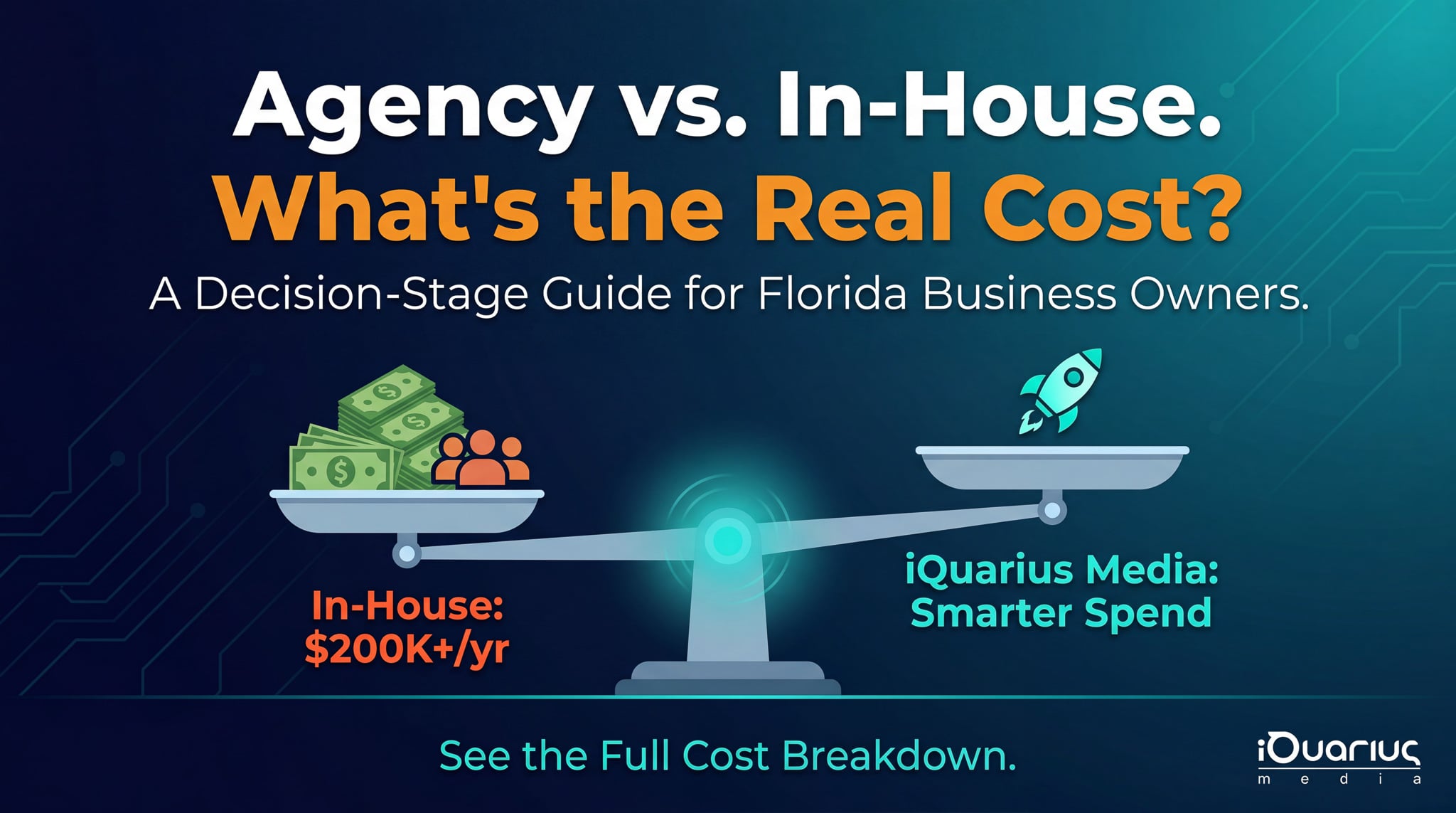
Understanding the Real Cost of a PA COSTARS Contract Search
Navigating the PA COSTARS program—Pennsylvania's Cooperative Purchasing Program—requires more than just identifying potential contracts; it requires understanding the hidden administrative and operational costs associated with market r...
Navigating the PA COSTARS program—Pennsylvania's Cooperative Purchasing Program—requires more than just identifying potential contracts; it requires understanding the hidden administrative and operational costs associated with market research, compliance, and vendor management. While the program is designed to streamline procurement for local public agencies, the "cost" of a search extends beyond software fees to include internal labor, legal due diligence, and vendor verification overhead.
Contents
The Foundation of the PA COSTARS Program
The PA COSTARS program, administered by the Pennsylvania Department of General Services (DGS), allows local public procurement units and state-affiliated entities to purchase supplies and services from contracts established by the Commonwealth. For a local municipality, school district, or nonprofit, this eliminates the need to conduct independent competitive bidding for every purchase, theoretically saving significant time and administrative resources.
However, the "search" component—the act of identifying which suppliers hold valid COSTARS contracts and whether those contracts cover the specific needs of an agency—is an active process. Agencies often mistake the program’s accessibility for a lack of complexity. To effectively utilize these contracts, procurement officers must conduct thorough research, which incurs measurable internal costs.
Breaking Down the Components of Search Costs
When an organization evaluates the cost of searching for a COSTARS contract, it must account for several distinct layers of resource consumption.
1. Labor and Administrative Time
The most significant cost of a contract search is human capital. Procurement officers or department heads must:
- Navigate the DGS website to locate the correct Contract Search tool.
- Filter by commodity codes (UNSPSC) or supplier names.
- Cross-reference specific product lines against current contract terms.
- Verify that the supplier is indeed a "COSTARS-exclusive" or "COSTARS-participating" vendor.
If an agency spends ten hours a month manually verifying, validating, and comparing quotes against COSTARS pricing, the hourly wage of the staff involved represents a direct, recurring operational cost.
2. Compliance and Verification Costs
Simply finding a contract number is insufficient. The agency must verify the contract's expiration date, ensure the supplier’s insurance documentation is current, and confirm the scope of work aligns with the agency’s requirements. This often involves back-and-forth communication with the supplier’s sales representative. The cost here is the "opportunity cost" of the time diverted from other municipal projects.
3. Software and Third-Party Intelligence Costs
Some agencies utilize third-party procurement intelligence platforms to aggregate state contract data. While these tools reduce the manual labor of searching the DGS portal, they introduce subscription costs. An agency must weigh the price of a monthly seat license against the time saved for their procurement staff.
Cost Comparison Table: Manual vs. Automated Research
| Research Method | Primary Cost Factor | Scalability | Risk Profile |
|---|---|---|---|
| Manual DGS Portal | Labor (Staff Hours) | Low | High (Error/Outdated Info) |
| Specialized GovTech | License/Subscription Fees | High | Low (Real-time updates) |
| Consultant-Led | Fixed Professional Fees | Medium | Very Low (High Expertise) |
Legal and Due Diligence Overhead
Every contract search must be tempered by legal review. Even if a vendor is listed on a PA COSTARS contract, the procurement officer must ensure that the purchase does not violate local ordinances or specific board policies. If a municipality requires a specific brand or feature set that falls outside the rigid definitions of a state contract, the "search" may result in a dead end, necessitating a formal RFP (Request for Proposals) process instead. The cost of this failed research loop is a hidden drain on agency efficiency.
Identifying the True Cost of Inaction
What is the cost of not conducting a proper search? If an agency assumes a vendor is a COSTARS participant but fails to verify the status, they may inadvertently bypass competitive bidding laws. In Pennsylvania, failing to adhere to the Public School Code or the Borough Code regarding competitive bidding can result in:
- Voided contracts and legal challenges from losing bidders.
- Public scrutiny and loss of community trust.
- Fines or administrative sanctions. The cost of a thorough, diligent search is negligible compared to the legal fees associated with a bid protest or a contract nullification.
Best Practices for Minimizing Research Friction
To reduce the overhead of your COSTARS contract search, consider these strategic adjustments:
- Centralize Procurement Knowledge: Establish a master list of preferred COSTARS vendors that your department uses frequently. Review this list quarterly for expiration dates.
- Utilize DGS Alerts: The Department of General Services provides updates on contract renewals. Assign a staff member to monitor these notifications to avoid searching for expired contracts.
- Standardize the Request Process: When reaching out to a vendor, use a standardized email template that requires the vendor to confirm their current COSTARS status and contract number. This shifts the administrative burden of verification onto the supplier.
- Audit the "Search Time": If your staff is spending more than five hours per major procurement on contract searching, evaluate whether a small investment in procurement software or a temporary administrative assistant would be more cost-effective.
Addressing Common Pitfalls
One common mistake is assuming that "COSTARS" equals "lowest price." While COSTARS contracts leverage the purchasing power of the entire Commonwealth, local market conditions or specific supply chain disruptions might occasionally yield better pricing through a local open-market bid. The "search" should always include a cursory comparison with local market rates to ensure the COSTARS contract is providing genuine value.
Another trap is the "Scope Creep" of services. A vendor may have a contract for office supplies, but if you ask them to perform office furniture installation, that service might not be covered under their specific COSTARS contract terms. Misinterpreting the "Scope of Service" often leads to procurement errors that are only discovered during an audit.
Frequently Asked Questions
Does it cost money to access the PA DGS COSTARS contract search portal? No, access to the Commonwealth’s public contract database is free. However, the time required to navigate the database and verify vendor compliance represents an internal administrative cost.
How often should I verify a vendor’s COSTARS status? You should verify the contract status every single time a purchase is initiated. Contract numbers can expire, or a vendor's participation status can change mid-year. Never rely on a vendor’s verbal claim of participation without checking the official DGS portal.
Can I use a COSTARS contract for a service that isn't clearly listed? No. Procuring services outside the defined scope of a contract can be viewed as an illegal circumvention of competitive bidding laws. Always consult with your solicitor if the scope is ambiguous.
Are there software tools that help search COSTARS contracts? Yes, several GovTech platforms offer aggregated data on state contracts. These tools can automate monitoring, but you must ensure they have direct data feeds from Pennsylvania DGS to maintain accuracy.
What is the "hidden" cost of a failed contract search? The hidden cost includes delayed project timelines, the potential need for legal review to rectify improper procurement, and the wasted man-hours spent vetting a vendor that cannot actually provide the requested items under the COSTARS framework.
Is there a penalty for using an expired COSTARS contract? While not always a criminal penalty, using an expired contract invalidates the "piggybacking" authority granted by the program. This forces the purchase into the standard competitive bidding requirement of your specific government code, which could result in the purchase being declared null and void.
Strategic Recommendation
To manage the real cost of a PA COSTARS contract search, move away from reactive, project-by-project searches. Instead, treat procurement research as a scheduled operational task. By auditing your most frequent vendors annually and standardizing the vendor-verification request, you can turn a cumbersome, high-risk process into a streamlined procurement workflow. If your organization is small, prioritize high-dollar contracts first, as the risk of audit failure is significantly higher for large, high-visibility purchases than for routine commodity buys.
Image Gallery