King Charles Moves Prince Andrew to Private Accommodation: Background, Royal Lodge Lease, and Royal Estate Reforms
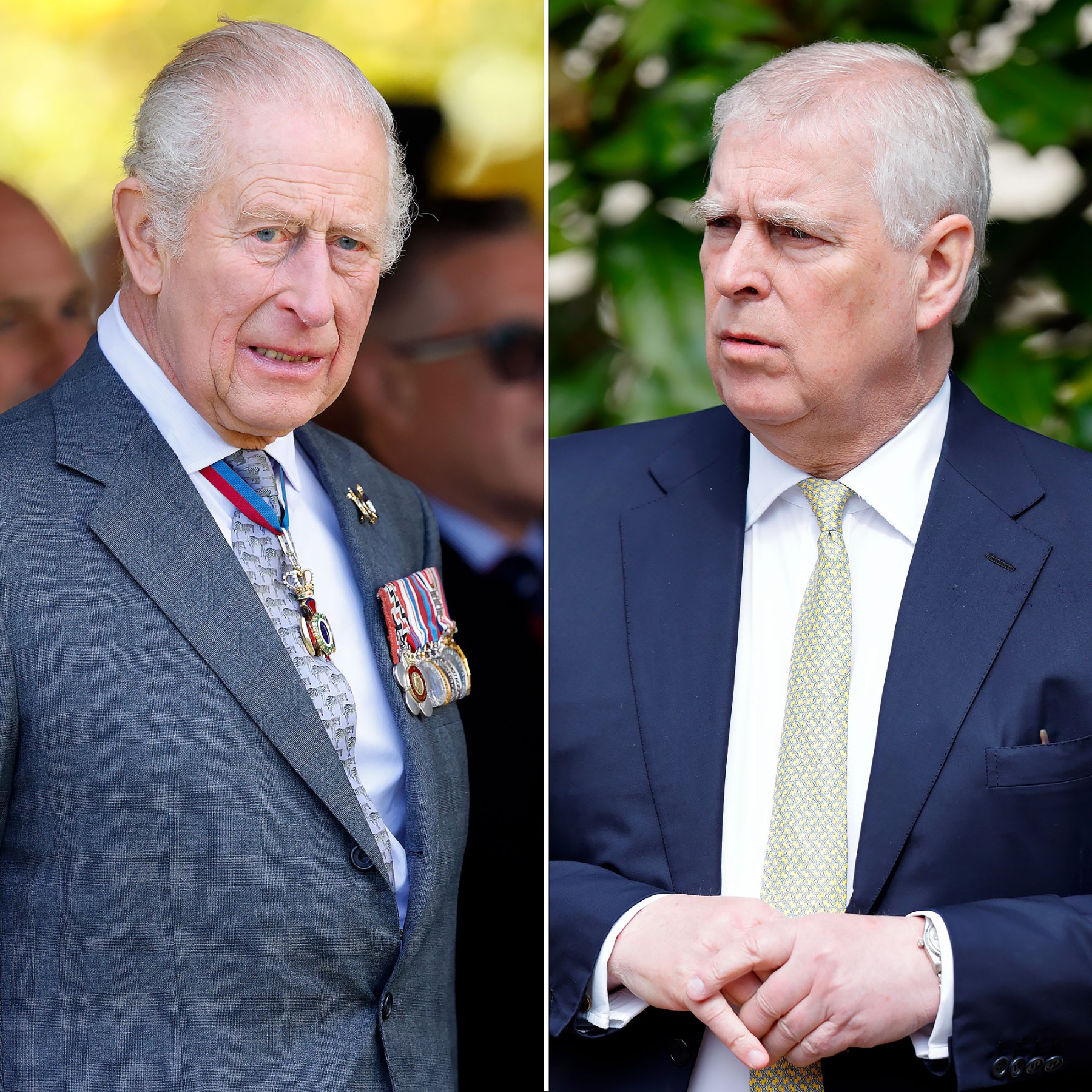
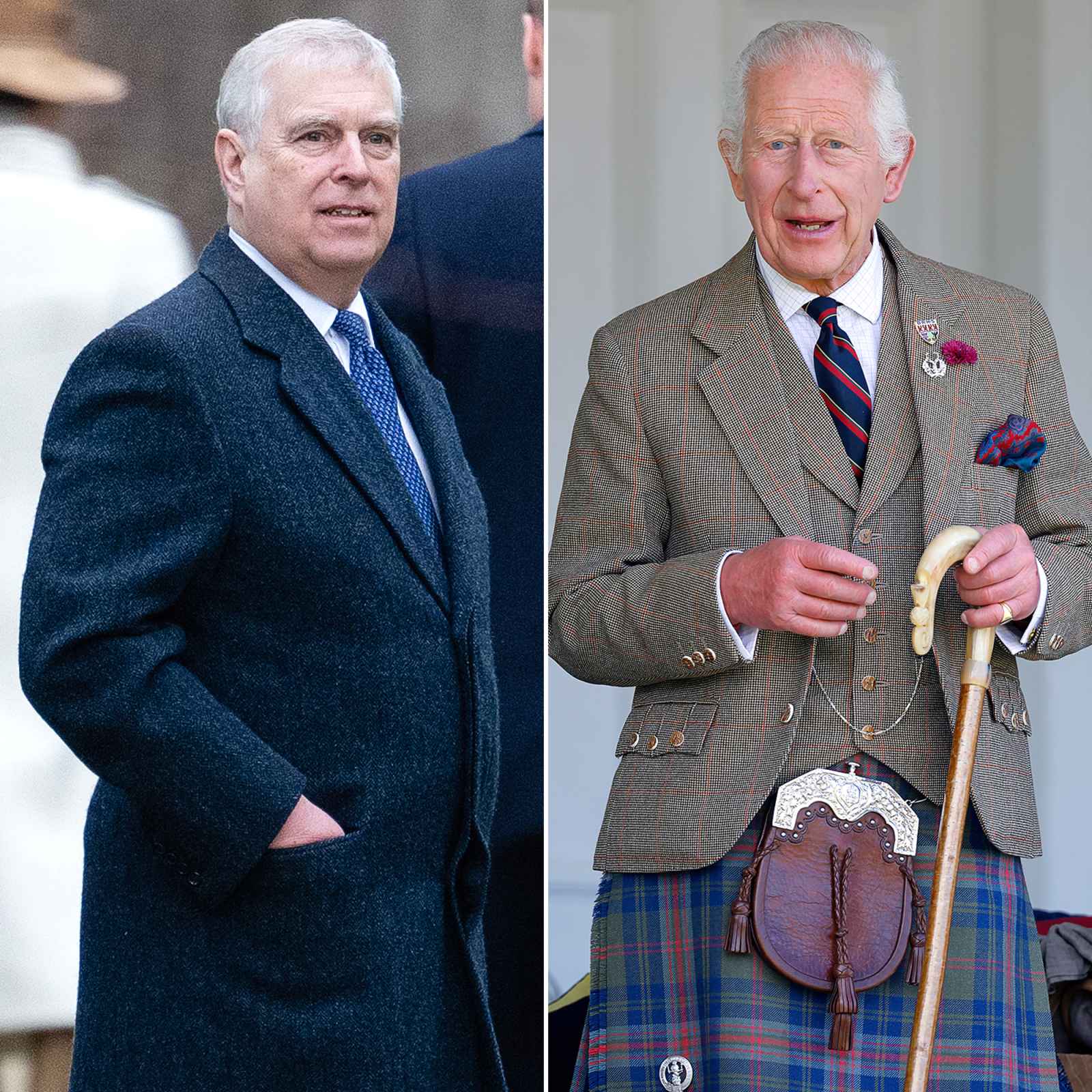
King Charles III has taken decisive action regarding the housing and security arrangements of Prince Andrew, the Duke of York, directing a transition from his long-held royal residence at Royal Lodge toward privately funded accommodati...
King Charles III has taken decisive action regarding the housing and security arrangements of Prince Andrew, the Duke of York, directing a transition from his long-held royal residence at Royal Lodge toward privately funded accommodation. This decision reflects a broader institutional strategy to streamline the monarchy, remove non-working royals from publicly maintained estates, and reallocate royal private funds strictly to official duties.
Contents
The Royal Lodge Dispute and King Charles’s Decision
The ongoing dispute surrounding Prince Andrew’s residence at Royal Lodge in Windsor Great Park has centered on property maintenance costs, security logistics, and the public management of royal assets. Following years of scrutiny over Prince Andrew's association with Jeffrey Epstein and his subsequent step-back from public duties in 2019, his status within the royal family underwent progressive formal reductions.
Under the reign of King Charles III, the monarch initiated a comprehensive review of royal properties and financial allocations. Royal Lodge, a grade-II listed 30-room mansion, requires substantial capital expenditure for ongoing structural maintenance and modern security perimeter updates. The King’s decision to cease financial support for Prince Andrew's dedicated private security team and personal allowance forced a strategic turning point regarding whether the Duke of York could independently maintain the estate.
The move toward private accommodation or alternative royal residences—such as Frogmore Cottage or private properties financed entirely outside of state or Crown resources—serves as the culmination of King Charles’s initiative to decouple non-working royals from official royal infrastructures.
Chronology of Prince Andrew's Residential and Financial Status Modifications
| Year | Event / Policy Change |
|---|---|
| 2003 | Prince Andrew signs a 75-year lease for Royal Lodge with the Crown Estate. |
| 2019 | Steps back from official public duties following public scrutiny. |
| 2022 | Military affiliations and royal patronages returned to Queen Elizabeth II. |
| 2023–2024 | King Charles III cuts annual personal allowance and withdraws private funding for Royal Lodge security detail. |
| 2024–2026 | Transition framework executed to relocate Andrew to private estate/cottage. |
Legal and Financial Structure of Royal Lodge
Understanding the housing transition requires examining the underlying legal contract governing Royal Lodge. Unlike properties held as personal private possessions by the monarch, Royal Lodge is part of the Crown Estate portfolio.
The 75-Year Crown Estate Lease
In 2003, Prince Andrew signed a 75-year lease agreement with the Crown Estate Commissioners following the death of Queen Elizabeth The Queen Mother. Key elements of this lease agreement include:
- Upfront Premium: Prince Andrew paid an initial lump sum payment of approximately £7.5 million to secure the leasehold.
- Refurbishment Commitments: The lease obligated the tenant to carry out extensive initial repairs, modernizations, and structural updates, which required millions in private expenditure.
- Peppercorn Rent: In exchange for the substantial upfront capital outlay and ongoing repair commitments, the annual rent was set at a nominal rate (often referred to as a peppercorn rent) after an initial period.
- Maintenance Obligations: The tenant bears full financial responsibility for preserving the structural integrity, exterior facades, and historical interior of the Grade II listed building.
Because the lease is a binding civil agreement managed by the independent Crown Estate Commissioners rather than a grace-and-favor arrangement revocable at will, displacing a leaseholder requires either a voluntary surrender of the lease, buy-out negotiations, or proof of failure to meet contractual repair obligations.
The Role of the Crown Estate vs. The King's Private Funds
The distinction between different royal financial streams dictates how housing decisions are implemented:
- The Crown Estate: An independent commercial property business created by Act of Parliament. Its revenues go to the UK Treasury, with a percentage returned via the Sovereign Grant to fund official royal duties and public palace upkeep. The King does not own Crown Estate properties individually.
- The Duchy of Lancaster: A private estate held in trust for the reigning monarch to generate personal income (the Privy Purse). King Charles used income from the Privy Purse to fund Prince Andrew's personal allowance and private security detail until these allocations were formally terminated.
- Private Royal Property: Assets owned individually by members of the royal family, such as Balmoral Castle or Sandringham House, which sit completely outside parliamentary oversight and Crown Estate lease structures.
Alternative Housing Options and the Shift to Private Estates
To complete the relocation of Prince Andrew away from Royal Lodge, several property alternatives were evaluated. Each option carries distinct legal, financial, and logistical implications for both the monarchy and the Duke of York.
| Accommodation Option | Ownership / Management Structure | Security Framework | Financial Responsibility | Operational Viability |
|---|---|---|---|---|
| Royal Lodge (Windsor) | Crown Estate (75-Year Lease) | Requires extensive static perimeter guard force | Fully on leaseholder (Prince Andrew) | Financially unviable without major private wealth or royal allowance |
| Frogmore Cottage (Windsor) | Crown Estate / Royal Burials Enclave | Covered under existing inner Windsor security perimeter | Reduced maintenance overhead paid by occupant/monarch private funds | Highly viable; downgraded footprint with lower operational expenditure |
| Private Estate / Residence | Privately purchased or rented real estate | Standard private security or civilian arrangements | 100% private funds (Privy Purse support or independent assets) | Strategically isolates monarchic accountability from property disputes |
Frogmore Cottage
Frogmore Cottage, located within the secure inner perimeter of the Home Park at Windsor, emerged early as the primary royal alternative. Formerly updated by the Duke and Duchess of Sussex, the five-bedroom property offers significant advantages:
- Reduced Security Costs: Because it sits within an existing secured ring, it does not require a standalone team of round-the-clock private security personnel.
- Lower Maintenance: The financial burden of maintaining a five-bedroom cottage is significantly lower than preserving a 30-room estate like Royal Lodge.
Independent Private Estates
Another pathway involves moving Prince Andrew entirely to a privately owned estate outside the public royal footprint. This could entail housing supported privately by King Charles via the Privy Purse at a non-royal property, or a private home purchased independently. This approach eliminates public controversy regarding the management of Crown Estate assets while fulfilling the King's familial objective of providing housing without relying on public grants or state-funded security.
Impact on Monarchy Finances and Public Relations
King Charles III’s restructuring of royal housing aligns with long-term goals for institutional governance. Since ascending the throne, the King has emphasized a "slimmed-down" operational model designed to maintain public support and reflect modern institutional standards.
- King Charles III Reform Monarchy Strategy
- Official State Footprint
- Working Royals Only
- Sovereign Grant Funded
- Official Crown Properties
- Private Family Arrangement
- Non-Working Members
- Privy Purse / Private Assets
- Private Estate Housing
- Official State Footprint
Removing Non-Working Members from Official Assets
The primary objective of this reform is drawing a sharp line between working royals—who represent the state and carry out public engagements—and non-working family members. By ensuring non-working royals do not occupy expansive state-adjacent properties supported by indirect subsidies or royal security allowances, the monarchy minimizes public friction over estate management.
Realignment of Royal Security Detail
Security for the Royal Family is overseen by the Home Office through the Royal and VIP Executive Committee (RAVEC), which decides when taxpayer-funded Metropolitan Police protection applies.
- Working Royals: Receive police protection funded through public security budgets during official duties.
- Non-Working Members: Do not receive automatic state protection. When King Charles withdrew the privately funded security contract for Royal Lodge (which cost several million pounds annually from his private funds), it rendered Royal Lodge financially unsustainable for an occupant without significant private income.
Legal and Administrative Implications for Crown Properties
The transition of occupancy at major Crown Estate properties highlights key contractual administrative processes within UK estate management.
Crown Estate Property Lease Termination Process
Dilapidations Assessment & Compliance Audit
- Inspect external masonry, roofs, & interiors.
Financial Settlement or Lease Buyout Terms
- Calculate residual value of initial investment.
Formal Surrender of Leasehold to Crown Estate
- Reversion of property rights to Commissioners.
Reallocation or Commercial Lease Assignment
- Re-lease for income or reserve for official use
Dilapidations Assessment: Before any lease surrender is finalized, the Crown Estate undertakes a full survey to ensure the tenant met contractually mandated maintenance schedules. If structural dilapidation is identified, the tenant may owe remedial payments.
Lease Value Compensation: If a tenant surrenders a 75-year lease early, negotiations determine whether any unexpired residual value of original capital repairs is offset against future housing provisions or surrendered entirely.
Property Re-Allocation: Once Royal Lodge reverts to the control of the Crown Estate, the Commissioners can assign a new commercial lease to generate income for the public purse, or allocate it for alternative official uses in agreement with the government and sovereign.
Frequently Asked Questions
Why did King Charles decision to move Prince Andrew happen?
King Charles III implemented this move as part of a broader strategy to streamline the monarchy and sever financial support for non-working royals. The King stopped funding Prince Andrew's private security detail and annual financial allowance, making the ongoing upkeep and protection of Royal Lodge financially unsustainable for the Duke.
Does Prince Andrew own Royal Lodge?
No. Prince Andrew does not own Royal Lodge. He holds a 75-year leasehold agreement signed in 2003 with the Crown Estate, an independent commercial entity that manages land owned by the Crown. Ownership of the physical property remains with the Crown Estate.
Who pays for Prince Andrew's new private estate or accommodation?
Any new accommodation outside of official state channels is funded through private means. This involves a combination of Prince Andrew’s private resources or non-public financial assistance from King Charles III derived from the Duchy of Lancaster (Privy Purse), completely separate from taxpayer funds or the Sovereign Grant.
Can King Charles evict Prince Andrew directly from Royal Lodge?
Because Royal Lodge is governed by a legally binding lease agreement with the Crown Estate Commissioners rather than a grace-and-favor arrangement, the King cannot simply issue an eviction order. However, by removing financial allowances and private security funding, the King rendered it impractical for the Duke to fulfill his obligations under the lease.
What will happen to Royal Lodge once Prince Andrew vacates?
Once vacated and surrendered back to the Crown Estate, the property can be leased to alternative tenants at market rates—generating income that flows to the UK Exchequer—or reassigned for official duties and preservation within the royal estate footprint.
Practical Recommendations for Tracking Royal Estate Reforms
To follow official developments regarding royal property management, public finance allocations, and estate governance, rely on primary official records and government transparency reports:
- Review Sovereign Grant Annual Reports: The financial allocations, property maintenance spending, and estate management metrics are published annually by the Royal Household Financial Reports.
- Consult Crown Estate Disclosures: Details regarding real estate holdings, financial returns to the UK Treasury, and lease management policies are maintained transparently on the Crown Estate Official Website.
- Track Parliamentary Oversight Reports: Statements from the UK National Audit Office (NAO) and the Public Accounts Committee provide objective audits on how public funds and state assets interact with the royal estate footprint.
Image Gallery