Why Mortgage Protection Insurance vs Life Assurance Matters for Homeowners
Choosing between mortgage protection insurance and life assurance is a critical financial decision for anyone securing a property loan. While both products provide a financial payout upon death, their structures, payout timelines, and...
Choosing between mortgage protection insurance and life assurance is a critical financial decision for anyone securing a property loan. While both products provide a financial payout upon death, their structures, payout timelines, and ultimate financial objectives differ significantly. Understanding these distinctions ensures your family retains the home if the unexpected happens, preventing unnecessary overpayment for coverage you do not need or leaving critical gaps in your estate planning.
Contents
Understanding the Core Definitions
To evaluate why mortgage protection insurance versus life assurance matters, you must first examine how each product functions fundamentally. Both are forms of personal risk insurance designed to protect dependents, but their design mechanics serve entirely different purposes within a household budget and long-term financial plan.
What is Mortgage Protection Insurance?
Mortgage protection insurance (often structured as decreasing term assurance) is specifically designed to cover the outstanding balance of a repayment mortgage. As you pay down your principal mortgage balance over time, the potential payout from the insurance policy decreases at a corresponding rate.
Because the risk to the insurer decreases each year, the premiums for this type of coverage typically remain level and are generally more affordable than standard level-term policies. The primary beneficiary of this policy is technically the lender, though the ultimate beneficiaries are your surviving family members, who inherit a fully cleared property rather than a suffocating monthly debt obligation.
What is Life Assurance?
Life assurance (frequently used interchangeably with life insurance, though traditionally associated with whole-of-life policies that guarantee a payout whenever death occurs, or level term assurance over a fixed period) provides a predetermined lump sum to your beneficiaries upon your death.
Unlike mortgage protection, the payout amount does not decrease as your debts shrink. If you purchase a £300,000 level life assurance policy, your beneficiaries receive £300,000 whether you pass away in year one or year twenty-nine. This cash can be used for any purpose: paying off the mortgage, funding university education, covering daily living expenses, or clearing unsecured debts.
Key Differences Between Mortgage Protection and Life Assurance
The functional differences between these two financial instruments dictate how well they protect your estate. When structuring a comprehensive financial safety net, examining how they diverge in payout structure, cost efficiency, and flexibility is essential.
Payout Structure and Debt Trajectory
Mortgage protection follows a downward trajectory that mirrors your amortization schedule. If you have a 30-year repayment mortgage, the coverage amount drops month by month. Life assurance remains fixed or grows, depending on whether you select a level term or an index-linked policy.
Cost-Efficiency for Homeowners
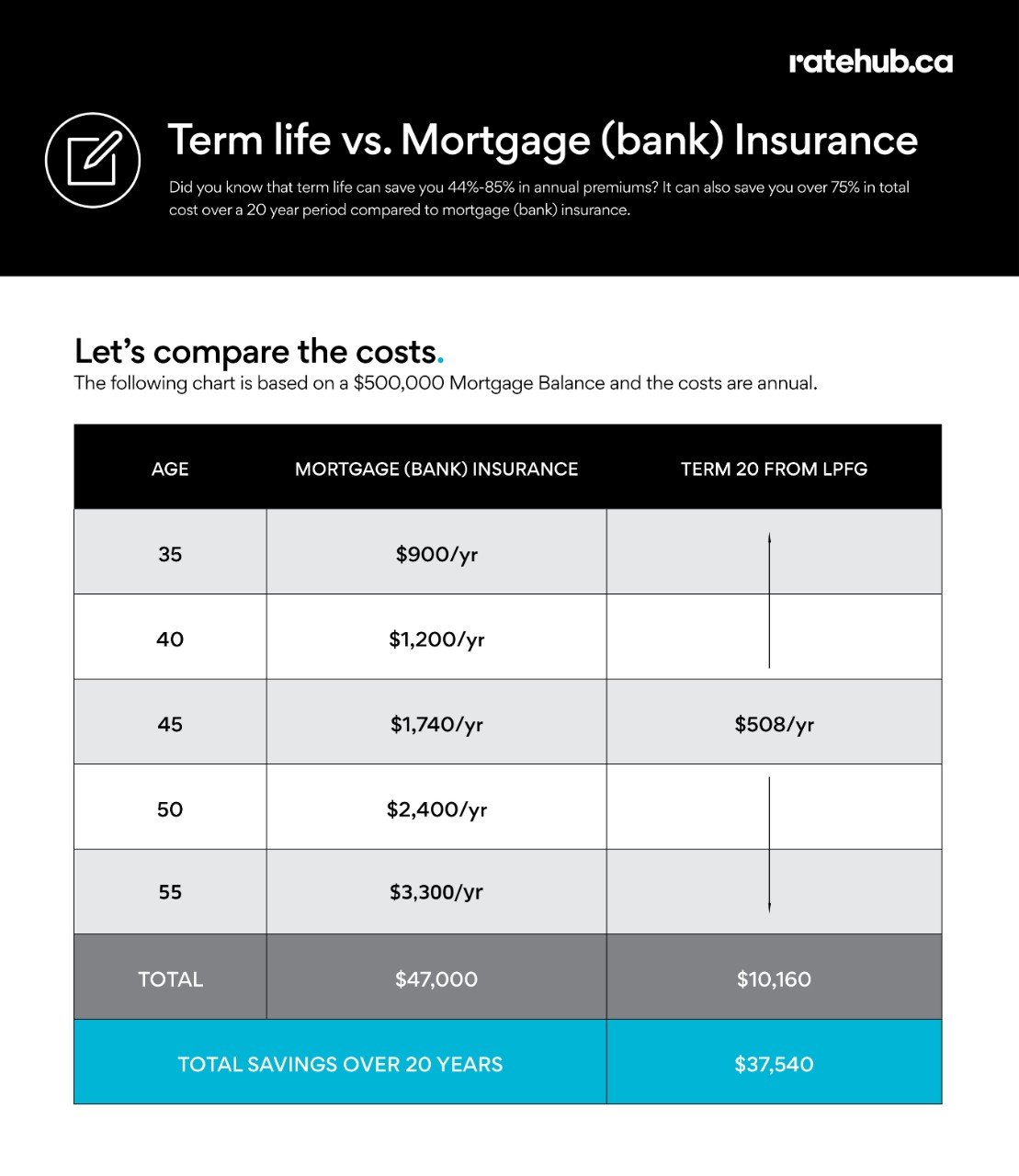
Because mortgage protection decreases in liability over time, insurers face lower long-term risk. Consequently, premiums for decreasing term insurance are almost always lower than those for level life assurance providing the same initial sum insured. For budget-conscious first-time buyers, this lower cost makes securing essential home protection much more accessible.
Flexibility of Benefit Usage
With mortgage protection, the insurance proceeds are typically earmarked directly to settle the remaining mortgage debt with the lending institution. Life assurance offers absolute flexibility; the cash payout goes to your named beneficiaries or trust, allowing them to decide how to allocate the funds based on immediate post-bereavement financial priorities.
| Feature | Mortgage Protection Insurance | Life Assurance (Level Term) |
|---|---|---|
| Payout Amount | Decreases over time, matching the mortgage balance | Remains fixed for the entire policy term |
| Primary Purpose | Specifically clears the remaining home loan | Provides general financial security and cash lump sum |
| Cost | Generally lower premiums due to reducing liability | Higher premiums due to constant payout risk |
| Beneficiary | Usually assigned to the mortgage lender | Nominated individuals or a family trust |
| Policy Flexibility | Rigidly tied to the property loan schedule | Highly versatile for income replacement and debt |
Why the Distinction Matters for Your Financial Security
Mistaking one policy for the other can lead to severe financial shortfalls for surviving family members. Selecting the correct instrument involves analyzing your broader family obligations, income distribution, and long-term wealth transfer goals.
Protecting Dependents Beyond the House
If you have a young family, clearing the mortgage is only part of the equation. Surviving partners still face utility bills, grocery costs, childcare expenses, and property maintenance. Relying solely on a decreasing mortgage protection policy means that once the house is paid off, no additional liquid funds remain to replace the lost income of the deceased partner.
Conversely, if you purchase a level life assurance policy that exceeds your mortgage balance, the surplus funds act as an income replacement buffer. This distinction becomes critical in single-income households where the loss of the primary earner jeopardizes basic daily survival, not just housing stability.
Joint Mortgages and Decreasing Coverage Gaps
Many couples purchase property together using a joint mortgage. When setting up mortgage protection, insurers often offer joint-life-first-death policies. This means the policy pays out upon the death of the first partner, clearing the mortgage, but terminates thereafter.
If the surviving partner wants ongoing life assurance coverage for their remaining lifetime or until retirement, they must secure a separate individual policy, often at an older age and higher premium rate. Understanding this limitation prevents unexpected insurance gaps later in life.
Evaluating Cost Versus Coverage in 2026
When shopping for coverage, economic factors and personal underwriting criteria heavily influence pricing. Insurers evaluate your age, health history, occupation, and smoking status to determine baseline rates.
Premium Stability and Inflation
Most standard mortgage protection and term life policies feature fixed premiums for the duration of the term. However, reviewing whether your policy is index-linked is vital in inflationary economic environments. Index-linked policies increase your coverage and premiums annually to match inflation, ensuring your payout retains its real purchasing power over a 25- or 30-year mortgage term.
Underwriting and Medical Disclosures
Both policy types require medical underwriting. Failing to disclose pre-existing conditions during the application process can result in denied claims when your family needs support most. Always complete health questionnaires with absolute transparency, consulting your primary care provider if you are uncertain about historical diagnoses.
Common Mistakes Homeowners Make
Navigating the insurance market involves avoiding several well-documented pitfalls that compromise household financial safety:
- Underinsuring the Mortgage: Assuming property value equals the mortgage balance. You must insure the peak loan amount and account for potential interest rate fluctuations if you selected a variable-rate mortgage.
- Confusing Term with Whole-of-Life: Buying a temporary mortgage protection policy believing it serves as an eternal estate planning tool. Term policies expire when the loan term ends.
- Ignoring Policy Trusts: Failing to place life assurance policies in a trust. Without a trust, insurance payouts may become subject to probate delays and inheritance tax complications, stalling access to funds when your family needs them immediately.
- Canceling Coverage Prematurely: Dropping supplemental life assurance to save money without verifying whether the mortgage is fully paid off or if dependents remain financially dependent.
Frequently Asked Questions
Can mortgage protection insurance replace a standard life insurance policy?
No. Mortgage protection insurance decreases over time and is strictly intended to clear a specific property loan. It does not provide general cash support for living expenses, childcare, or income replacement after the mortgage is settled.
Do lenders legally require mortgage protection insurance?
Many residential mortgage lenders require proof of adequate life or mortgage protection cover before releasing funds, ensuring the loan is secured against the borrower's death. However, you are rarely required to purchase the policy directly through the lending institution; independent brokerage options often provide better rates.
What happens to mortgage protection insurance if I pay off my mortgage early?
If you make overpayments and clear your mortgage ahead of schedule, your decreasing term mortgage protection policy is no longer needed. You can typically cancel the policy, though no cash-surrender value is returned since these are pure risk-protection products without an investment component.
Is it better to buy decreasing term or level term insurance for a mortgage?
Decreasing term is typically more cost-effective if your sole objective is covering a repayment mortgage, because the risk decreases as you pay down the debt. Level term is preferred if you have an interest-only mortgage, where the principal balance remains unchanged for the entire term.
Should I get separate policies or a joint policy with my partner?
While joint policies are cheaper initially, they usually pay out only once upon the first death and then expire. Separate single policies ensure that both partners maintain independent coverage pools, providing more comprehensive long-term security for surviving dependents.
Next Actions for Homeowners
To secure your household against financial vulnerability, audit your current mortgage structure and existing insurance policies today. Request independent quotes for both decreasing term mortgage protection and level life assurance to compare exact monthly commitments. Consult with a qualified, independent financial advisor to establish a policy trust, ensuring your beneficiaries receive payouts swiftly and securely without unnecessary tax penalties or probate delays.
Image Gallery