Navigating the Best UK Decreasing Term Life Insurance in 2026
Finding the best UK decreasing term life insurance in 2026 requires balancing cost-efficiency with the specific financial protection needs of your mortgage or loan repayment schedule. This type of policy, often called mortgage life ins...
Finding the best UK decreasing term life insurance in 2026 requires balancing cost-efficiency with the specific financial protection needs of your mortgage or loan repayment schedule. This type of policy, often called mortgage life insurance, is designed to align the death benefit with the reducing balance of a capital-and-interest loan, ensuring that your debt is cleared if you pass away during the term.
Contents
Understanding Decreasing Term Life Insurance
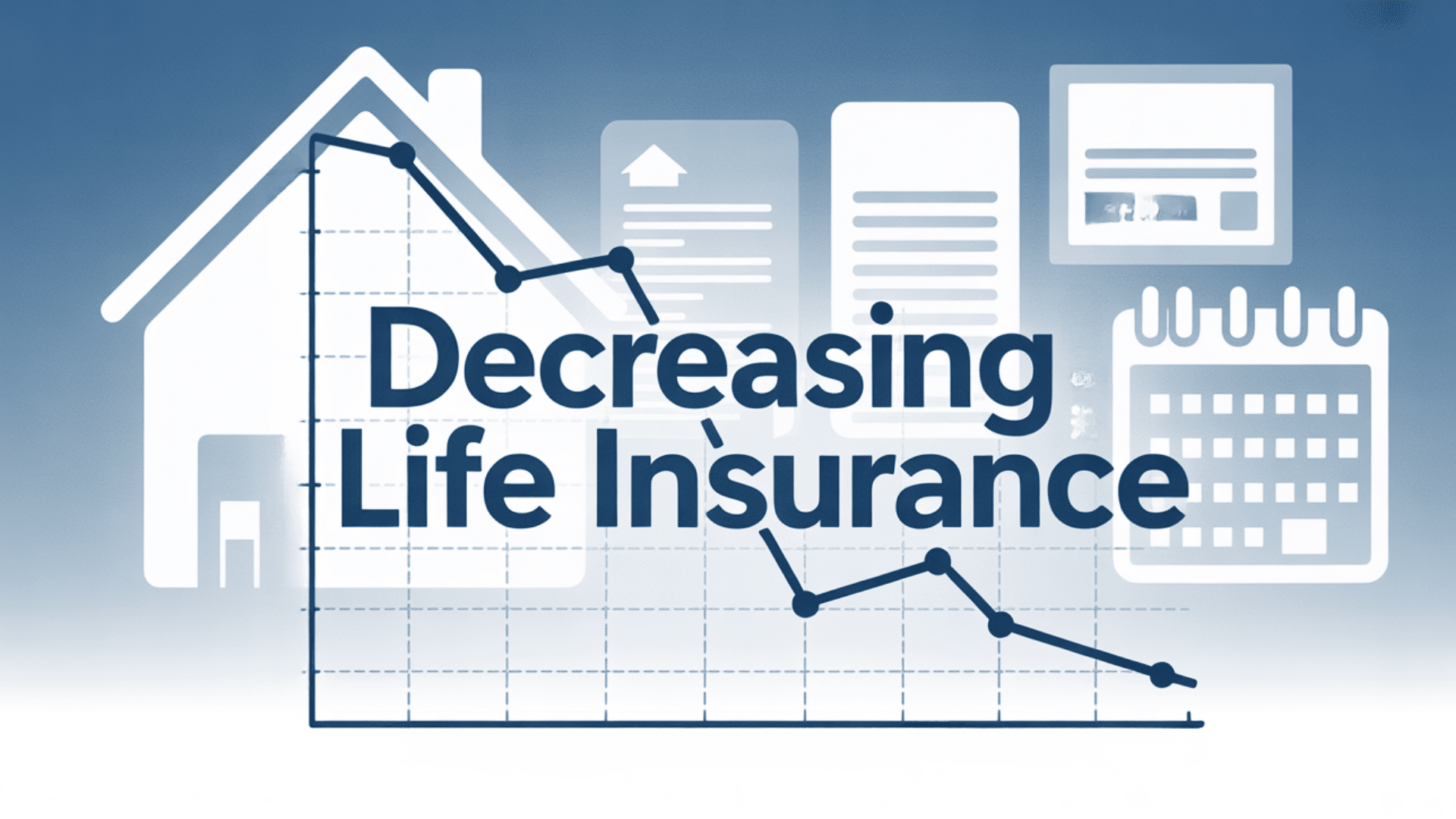
Decreasing term life insurance is a specialized protection product. Unlike level term insurance, where the payout remains constant throughout the life of the policy, decreasing term insurance features a sum assured that gradually drops over the policy term. This reduction is usually calculated to mirror the declining balance of a repayment mortgage.
Because the potential liability for the insurer reduces over time, the premiums are typically lower than those for a level term policy of the same duration. This makes it an exceptionally cost-effective way to secure your home for your family. If you die during the term, the policy pays out a lump sum intended to pay off your outstanding mortgage balance. If you survive the term, the policy ends, and no payment is made.
Why 2026 Market Conditions Matter
In 2026, the UK insurance market remains highly competitive, with a strong focus on digital underwriting and precision pricing. As you search for the best policy, you must consider the current interest rate environment. If your mortgage is a repayment loan, the speed at which your debt reduces is tied to your interest rate. Most insurers allow you to adjust the "interest rate factor" on your policy—typically set at 5%, 6%, or 7%—to ensure the coverage keeps pace with your actual mortgage reduction.
Choosing a policy where the interest rate factor is too low could leave you with a shortfall if your mortgage interest rates rise unexpectedly. Conversely, selecting a factor that is too high increases your premium unnecessarily.
Key Factors in Selecting Your Policy
To identify the "best" policy for your circumstances, you must evaluate several critical variables beyond the base premium.
- Guaranteed vs. Reviewable Premiums: Always prioritize policies with guaranteed premiums. This ensures that the price you sign up for in 2026 remains constant throughout the term, protecting you against future age-related price hikes or market shifts.
- Critical Illness Cover (CIC) Add-ons: Many providers allow you to bundle CIC with your decreasing term policy. This is often a strategic choice, as it provides a payout upon the diagnosis of a specified serious illness, which can be used to pay off the mortgage even if you are still living.
- Waiver of Premium: This is a vital feature for many policyholders. It ensures that the insurer will pay your premiums for you if you become too ill or injured to work, effectively maintaining your cover without additional out-of-pocket expense during a period of financial strain.
- Trust Nominations: Placing your policy in trust is a crucial administrative step. It allows the payout to be paid directly to your chosen beneficiaries, potentially bypassing probate and reducing inheritance tax exposure.
Comparison Table: Policy Feature Considerations
| Feature | Importance | Benefit |
|---|---|---|
| Guaranteed Premiums | Essential | Locks in costs for the duration of the 2026 policy. |
| Interest Rate Factor | High | Ensures cover keeps pace with mortgage debt reduction. |
| Waiver of Premium | Moderate/High | Protects the policy if you are unable to work due to illness. |
| Terminal Illness Benefit | Standard | Pays out early if you are diagnosed with a terminal condition. |
| Trust Options | Essential | Ensures fast, tax-efficient payout to beneficiaries. |
The Application Process: Prerequisites and Requirements
Applying for coverage in 2026 involves a rigorous underwriting process. Insurers will assess your health, lifestyle, and occupation to determine your risk profile.
- Medical Disclosure: You must provide accurate information regarding your medical history. Failure to disclose pre-existing conditions can result in a claim being denied later.
- Smoking Status: Smoking significantly impacts premiums. If you are a smoker in 2026, note that some insurers offer "quitters' discounts" if you remain smoke-free for a specified period after starting the policy.
- Lifestyle and Hobbies: Engaging in high-risk sports or occupations may lead to premium loadings. Be transparent to ensure the policy is valid.
Avoiding Common Mistakes
One of the most frequent errors is underestimating the interest rate factor. If you hold a mortgage with a variable rate that is significantly higher than the policy’s interest factor, you may experience a "coverage gap." Regularly review your policy against your mortgage statement, especially if you move to a new property or remortgage.
Another mistake is forgetting to update the policy when your financial circumstances change. While decreasing term insurance is specifically tied to debt, major life events such as marriage, the birth of a child, or a significant salary increase might warrant a review of your overall life insurance portfolio, potentially necessitating a top-up policy.
Financial Advice Limitation
This information is intended for educational purposes and does not constitute regulated financial advice. Insurance products are subject to specific terms, conditions, and exclusions set by individual providers. Before finalizing a policy in 2026, it is highly recommended to consult with a qualified financial adviser or an independent mortgage broker who can provide personalized recommendations based on your specific debt, health profile, and long-term financial goals.
Frequently Asked Questions
What happens if I move house during the term? If you move to a new property with a different mortgage, your existing decreasing term policy may not align with the new debt. You may need to cancel your current policy and take out a new one, or if your provider allows, modify the existing policy to reflect the new loan amount.
Can I switch my policy to a different insurer later? Yes, but you will undergo new medical underwriting. If your health has declined since you first took out the policy in 2026, your premiums with a new provider may be higher, or you may be subject to new exclusions.
Do I need a medical exam to get covered? In 2026, most applicants will not need a physical medical exam. Decisions are increasingly based on electronic data, such as your GP report, although insurers reserve the right to request medical examinations for those with complex health histories or very high cover amounts.
What is the difference between a joint and single policy? A single policy covers one person and pays out once. A joint policy covers two people, usually partners, and typically pays out on the first death. After the first claim, a joint policy usually ends, leaving the survivor without cover.
Is the payout from a decreasing term policy taxable? In the UK, life insurance payouts are generally free from income and capital gains tax. However, depending on your total estate value, the payout may be subject to inheritance tax if it is not placed in a trust.
Next Steps for Securing Coverage
To move forward, begin by checking your current mortgage balance and the remaining term of your loan. Contact a reputable comparison service or an independent financial adviser to gather quotes from multiple providers. Compare not only the premiums but also the definitions of "critical illness" and the flexibility of the interest rate factors offered. Ensure you understand the underwriting requirements before you submit your application to ensure a smooth, transparent process.
Image Gallery