How to Cook Fresh Beets: A Comprehensive Guide to Every Method
Cooking fresh beets requires a balance of temperature and time to transform their dense, earthy structure into a tender, sweet delicacy. The most effective methods include roasting to concentrate sugars, boiling for efficient peeling,...
Cooking fresh beets requires a balance of temperature and time to transform their dense, earthy structure into a tender, sweet delicacy. The most effective methods include roasting to concentrate sugars, boiling for efficient peeling, or steaming to preserve nutrients. Success depends on leaving the root and an inch of stem intact during cooking to prevent the pigments from leaching.
Contents
Fresh beets (Beta vulgaris) are often overlooked due to their intimidating exterior and the potential for staining, yet they are among the most versatile and nutrient-dense root vegetables available in 2026. Whether you are working with the deep crimson Detroit Dark Red, the vibrant Golden beet, or the striking striped Chioggia (Candy Cane) variety, mastering the preparation process is essential for unlocking their natural sweetness.
Selecting and Preparing Fresh Beets
Before applying heat, the quality of your results is dictated by the selection process at the market or garden. Look for beets that are firm to the touch, heavy for their size, and free of deep "shriveling" or soft spots. If the greens are still attached, they should be bright, crisp, and wilt-free. In 2026, many sustainable farming practices prioritize keeping the greens attached to demonstrate freshness, though you should remove them as soon as you get home to prevent them from drawing moisture out of the root.
To prepare the beets, trim the greens, leaving about one to two inches of the stems attached. Do not trim the "tail" or the taproot. This is a critical technical step: if you cut into the bulb of the beet before cooking, the internal juices will "bleed" into the water or onto the roasting pan, resulting in a pale, less flavorful vegetable. Scrub the skins gently with a vegetable brush under cold running water to remove soil, taking care not to rupture the skin.
The Roasting Method: For Maximum Flavor
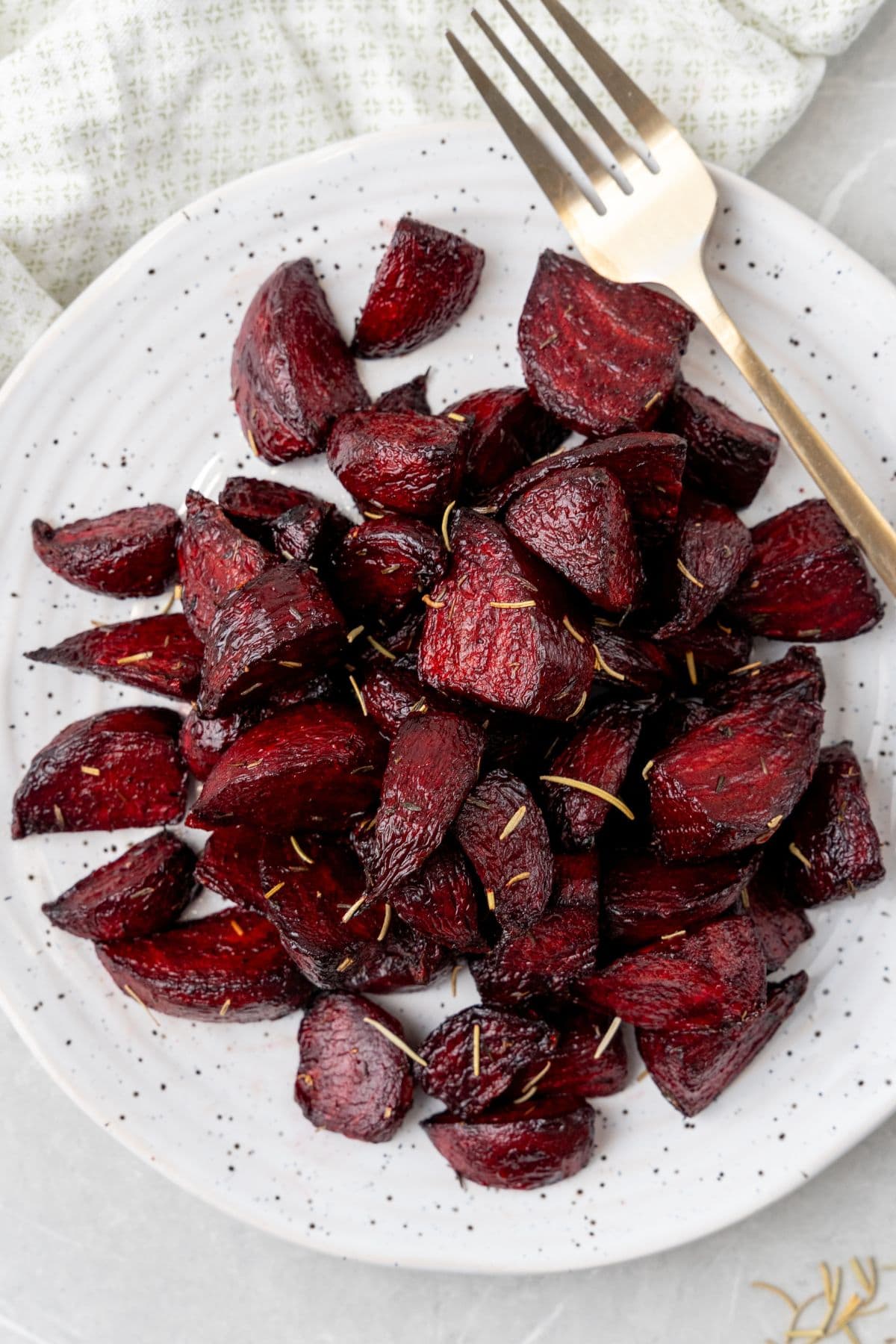
Roasting is widely considered the gold standard for cooking beets because it utilizes dry heat to induce caramelization. This process concentrates the natural sugars and creates a rich, earthy flavor profile that boiling cannot replicate. By 2026 standards, roasting in foil or a covered Dutch oven remains the most efficient way to ensure even cooking without drying out the exterior.
To roast, preheat your oven to 400°F (204°C). Place the cleaned, whole beets on a large piece of aluminum foil, drizzle them with a high-smoke-point oil (like avocado or refined olive oil), and add a pinch of salt. Fold the foil to create a sealed pouch. This pouch acts as a mini-steamer within the oven, softening the fibers while the high ambient temperature roasts the sugars. Place the pouch on a rimmed baking sheet to catch any potential leaks.
Small beets typically take 35 to 45 minutes, while larger ones may require up to an hour or more. You will know they are done when a paring knife slides into the thickest part of the beet with zero resistance. Once cooked, let them cool slightly inside the pouch. The residual steam helps loosen the skins, allowing you to rub them off easily with a paper towel or under a stream of cool water.
The Boiling Method: Efficiency and Texture
Boiling is the preferred method when you need a large quantity of beets for salads, pickling, or cold preparations. While it does not concentrate sugars like roasting, it produces a very uniform texture and is often faster for exceptionally large, woody beets.
Place the prepared beets in a large pot and cover them with at least two inches of water. To help preserve the vibrant color, add a tablespoon of acid, such as lemon juice or white vinegar, to the water. This adjustment to the pH level helps stabilize the betalain pigments. Bring the water to a boil, then reduce the heat to a simmer.
Boiling times vary significantly based on size:
- Small Beets: 20–30 minutes
- Medium Beets: 30–45 minutes
- Large Beets: 50–60+ minutes
Avoid poking the beets too frequently with a fork during the boiling process, as each puncture causes pigment loss. Once tender, drain the beets and immediately plunge them into an ice bath. This thermal shock stops the cooking process and causes the skin to expand and separate from the flesh, making manual peeling a seamless task.
Steaming and Pressure Cooking
For those prioritizing nutritional density, steaming is an excellent middle ground. Because the beets do not sit in water, there is less leaching of water-soluble vitamins like Vitamin C and B-complex vitamins. Place the beets in a steamer basket over boiling water, cover tightly, and steam for 30 to 40 minutes.
If you are short on time, the pressure cooker (or Instant Pot) is a transformative tool. In 2026, high-pressure cooking remains the fastest way to break down the tough cellulose in root vegetables. Place a cup of water in the bottom of the pot, insert the trivet, and set the beets on top.
- Pressure Time: 12 minutes for medium beets, 15–20 minutes for large ones.
- Release: Allow for a natural pressure release for at least 10 minutes to ensure the centers are fully softened.
Comparison of Cooking Methods
The following table compares the most common methods to help you decide which fits your specific culinary needs.
| Method | Average Time | Best For | Flavor Profile | Ease of Peeling |
|---|---|---|---|---|
| Roasting (Foil) | 45–60 mins | Salads, Side Dishes | Highly Sweet, Concentrated | Excellent |
| Boiling | 30–50 mins | Pickling, Borscht | Mild, Earthy | Good (with ice bath) |
| Steaming | 35–45 mins | Purees, Nutrition | Natural, Clean | Moderate |
| Pressure Cooker | 15–20 mins | Quick Prep | Balanced | Excellent |
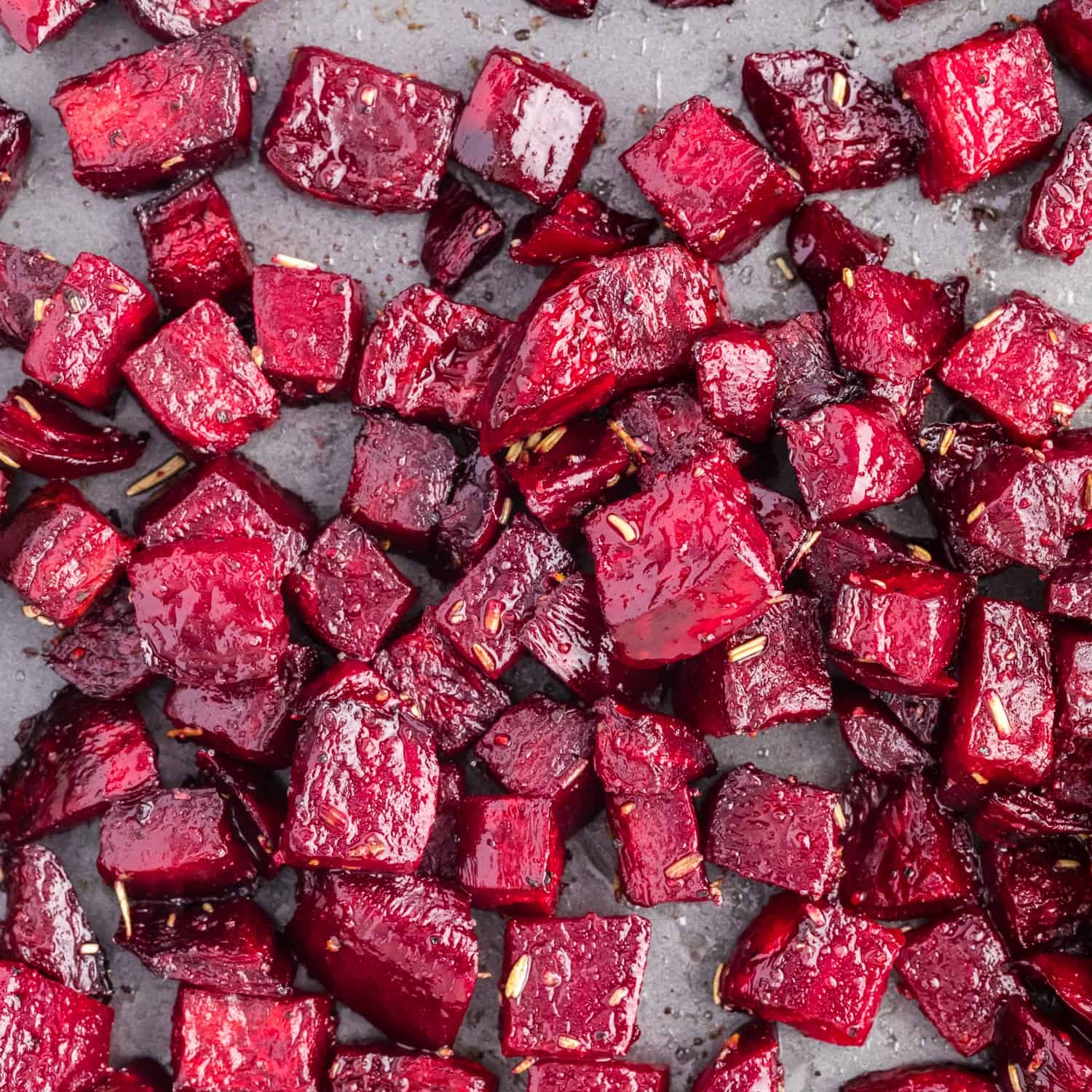
| Open Roasting | 40–50 mins | "Beet Steaks," Crisps | Nutty, Slightly Charred | Difficult (Peel before) |
Managing the "Beet Mess": Tips and Troubleshooting
The most common deterrent to cooking fresh beets is the staining of hands, cutting boards, and countertops. The pigments, known as betalains, are highly water-soluble and act as a powerful natural dye. To mitigate this, wear gloves during the peeling and slicing stages. If your hands do become stained, rubbing them with a wedge of lemon or a paste of baking soda and water can help lift the color.
If you find that your beets are still "crunchy" after the recommended cooking time, it is likely due to the age of the vegetable. Older beets harvested late in the season develop more lignified fibers that require significantly more time to break down. Conversely, if your beets turn out "mushy," they have been overcooked, which can happen easily in a pressure cooker if the natural release time is extended too long.
For those interested in the nutritional aspects of these preparation methods, the USDA FoodData Central provides comprehensive breakdowns of how heat affects the mineral and vitamin content of root vegetables.
Common Mistakes to Avoid
- Peeling before boiling or roasting: This is the most frequent error. Peeling before cooking exposes the cells, leading to a loss of moisture and color. Always cook with the skin on unless you are specifically roasting sliced "fries" or "chips."
- Cutting off the taproot: Cutting the bottom of the beet creates an "open wound." Keep the tail intact until after the beet is cooked and peeled.
- Ignoring the greens: Beet greens are nutritionally similar to Swiss chard and are delicious when sautéed with garlic and olive oil. They should be treated as a secondary vegetable, not kitchen waste.
- Underestimating size differences: Cooking a giant beet in the same pot as a tiny one will result in uneven textures. Group your beets by size before choosing your cooking method.
Frequently Asked Questions
Can you eat the skin of a beet?
Yes, beet skins are perfectly edible, especially on young, thin-skinned "baby" beets. However, for larger or older beets, the skin can be tough, gritty, and have a bitter, "dirt-like" flavor. Most culinary applications recommend removing the skin after cooking for a smoother, more refined texture.
Why did my red beets turn my urine or stool red?
This condition is known as beeturia. It occurs when the betacyanin pigments are not fully broken down by the digestive system. It is generally harmless and affects approximately 10% to 14% of the population, often linked to iron deficiency or specific stomach acid levels. If you are concerned, consult a medical professional, but in most cases, it is a temporary reaction to the vegetable's pigments.
How long do cooked beets last in the refrigerator?
Once cooked and peeled, beets should be stored in an airtight container. They will remain fresh for 5 to 7 days. If you need to store them longer, cooked beets freeze remarkably well. Slice or cube them, flash-freeze on a tray, and then transfer to a vacuum-sealed bag for up to 10 months.
Do I have to use foil when roasting beets?
You do not have to use foil, but roasting them uncovered requires you to peel them beforehand, which can lead to a drier texture and more mess. If you want to avoid foil, place the beets in a glass baking dish with a half-inch of water and cover the dish tightly with a lid or a baking sheet to create a similar steaming effect.
Is it better to cook beets whole or sliced?
Cooking them whole is superior for retaining moisture, color, and flavor. Slicing them before cooking is only recommended if you are making roasted beet chips or if you are specifically looking for a charred, caramelized exterior on each individual slice (though this requires careful monitoring to prevent burning).
Final Recommendation
For the best balance of flavor and ease, roasting whole beets in a foil pouch at 400°F is the recommended method for most home cooks in 2026. This technique requires minimal active effort and yields the sweetest results. Once you have mastered the basic cook, try experimenting with different acids—like balsamic glaze or citrus zest—during the final serving stage to brighten the earthy notes of the vegetable.
Image Gallery