Understanding White Monkeys in Japan: Myth, Reality, and Biological Science
White monkeys in Japan occupy a unique space where Japanese folklore, Shinto beliefs, and biological science intersect. While popular culture and historical accounts frequently reference ghostly or divine white primates, actual occurre...
White monkeys in Japan occupy a unique space where Japanese folklore, Shinto beliefs, and biological science intersect. While popular culture and historical accounts frequently reference ghostly or divine white primates, actual occurrences of white-coated monkeys in Japan are rare natural phenomena, usually attributed to genetic mutations such as albinism or leucism rather than distinct separate species.
Contents
The Cultural and Mythological Context of White Primates
To understand the fascination with white monkeys in Japan, it is essential to examine the deep cultural roots that view unusual animal colorations with spiritual significance. In traditional Japanese folklore and Shinto cosmology, animals that deviate from standard appearances are often interpreted as shisha (messengers) of the gods (kami).
Shinto Beliefs and Animal Messengers
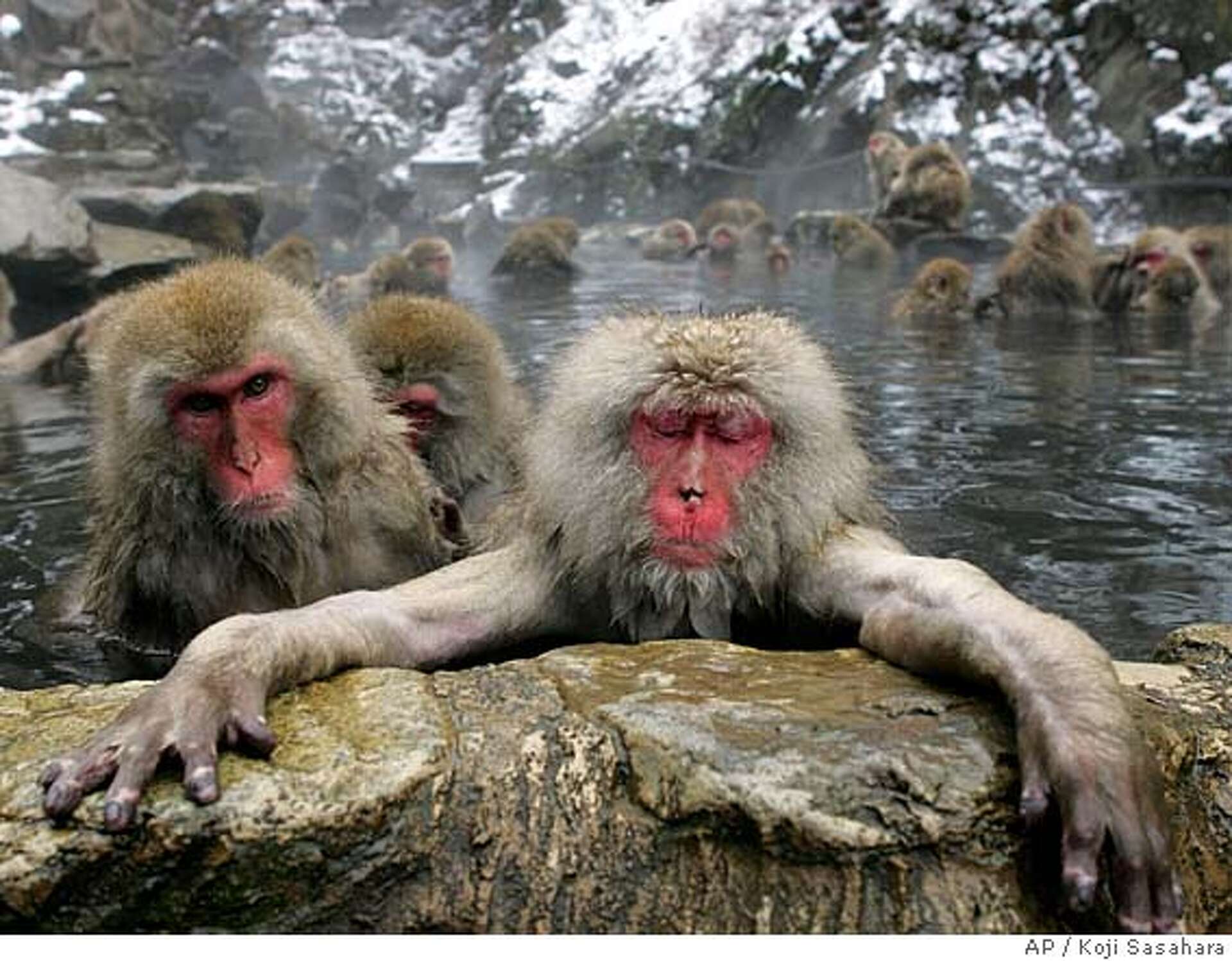
In Shinto, specific animals are designated as divine attendants to particular deities. For example, foxes (kitsune) serve Inari, and deer (sika) serve the deities of Kasuga Shrine. Japanese macaques (Macaca fuscata), commonly known as snow monkeys, have a long-standing association with mountain deities (yama-no-kami).
When a macaque is born with white or exceptionally pale fur, historical communities often viewed the creature through a lens of sacred awe. Rather than being treated as biological anomalies, these animals were frequently recorded in historical chronicles as auspicious omens, harbingers of peace, or manifestations of divine will. This cultural reverence has preserved stories of white monkeys across centuries, embedding them deeply into Japanese literature and local lore.
Folklore Versus Biological Reality
It is vital to distinguish between the legendary white monkey of folklore—often endowed with human-like intelligence, supernatural powers, or moral authority—and the actual biological specimens found in the wild. Folklore tends to universalize and exaggerate rare traits, transforming a random genetic mutation into a mythical guardian of the forest. Scientific documentation, by contrast, evaluates these animals through the frameworks of genetics, evolutionary biology, and ethology (animal behavior).
Biological Explanations: Albinism and Leucism in Japanese Macaques
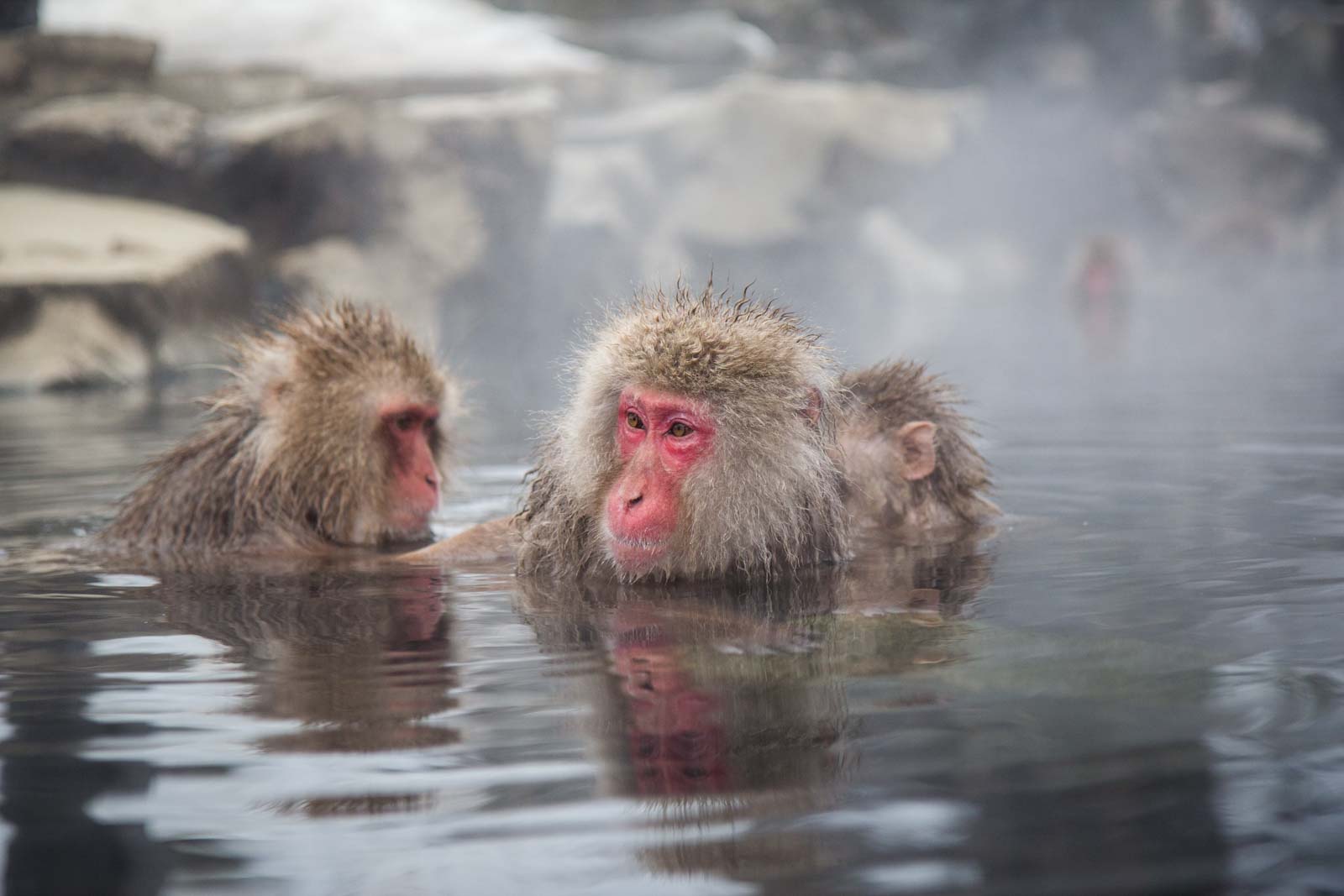
The appearance of white monkeys in Japan is scientifically explicable through specific genetic variations that affect pigmentation. The Japanese macaque normally features brownish-grey to reddish-brown fur with a pink or red face and posterior. Variations resulting in a white coat are driven by conditions that disrupt melanin production or distribution.
Albinism
Albinism is a congenital disorder characterized by the complete or partial absence of melanin in the skin, hair, and eyes. It is caused by mutations in genes involved in melanin production, such as the TYR gene.
- Visual Characteristics: True albinos possess completely white fur and characteristically pink or red eyes due to the visibility of blood vessels through the unpigmented iris.
- Ecological Challenges: Albinism presents severe survival hurdles in the wild. The lack of melanin provides no protection against ultraviolet (UV) radiation, making these animals highly susceptible to sunburn and skin cancers. Furthermore, their lack of camouflage against standard forest backgrounds makes them conspicuous to apex predators.
Leucism
Leucism is a distinct condition characterized by the reduced pigmentation of all types of skin, hair, or feathers, unlike albinism, which affects only melanin production.
- Visual Characteristics: Animals with leucism retain normally pigmented eyes, which separates them from albinos. Their fur may be entirely white or patchy (piebald).
- Survival Impact: While leucistic animals still face camouflage disadvantages, they generally do not suffer from the severe photophobia and vision impairments associated with the lack of ocular pigmentation in albinos.
Distribution, Sightings, and Scientific Observation
Wild populations of Japanese macaques inhabit Honshu, Shikoku, Kyushu, and several smaller islands. Because the total population numbers in the tens of thousands, rare genetic mutations inevitably occur within isolated or large gene pools.
| Condition | Ocular Impact (Eye Color) | Skin and Fur Appearance | UV Susceptibility | Relative Wild Frequency |
|---|---|---|---|---|
| True Albinism | Pink or Red | Pure white fur, unpigmented skin | Extremely High | Extremely Rare |
| Leucism | Normal (Dark) | White or patchy/piebald fur | Moderate | Very Rare |
| Standard Macaque | Dark | Brownish-grey to reddish-brown | Low | Dominant (Wild Type) |
Field researchers and wildlife management agencies in Japan occasionally document troops containing unusually light-colored individuals. However, primatologists note that monkeys exhibiting severe congenital pigmentation disorders rarely survive to adulthood in the wild. Predation by animals such as the Japanese wolf (historically) and stray dogs, combined with potential social rejection from troop members, significantly lowers their life expectancy.
Social Integration and Behavioral Dynamics Within Macaque Troops
Japanese macaques are highly social, hierarchical animals that live in structured troops ranging from a dozen to several hundred individuals. The introduction of an atypical individual—such as a white monkey—tests the social cohesion and behavioral adaptability of the troop.
Grooming and Kinship
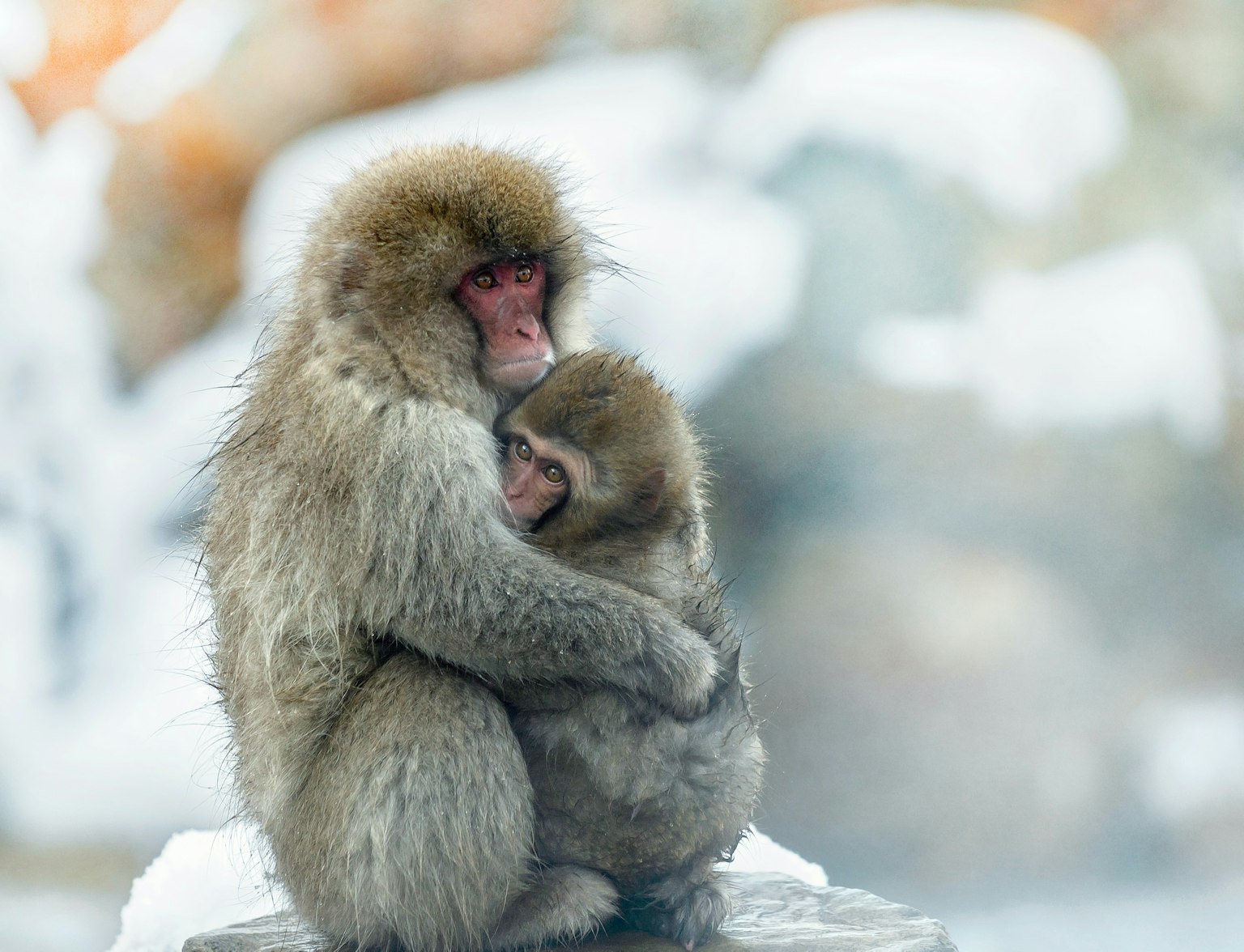
Grooming (grooming) is the primary mechanism for maintaining social bonds, reducing tension, and establishing alliances within a macaque troop. Studies of atypical infants within wildlife parks and wild troops indicate that mothers typically invest normal maternal care in white offspring. Kinship bonds often protect young white monkeys during their infancy.
Troop Acceptance Versus Ostracization
As white monkeys mature, their reception by the broader troop can vary:
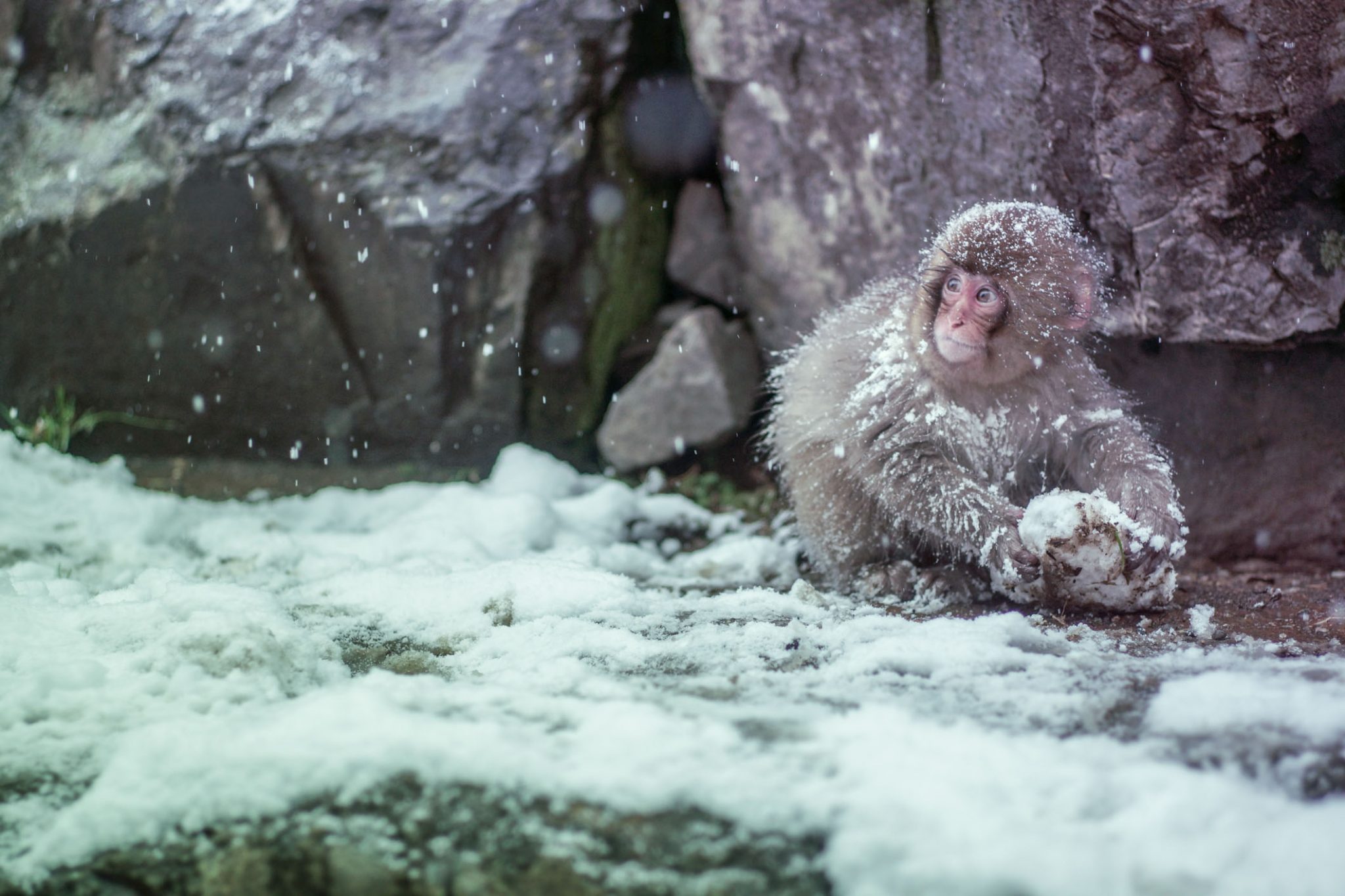
- Juvenile Phase: Play groups generally accept young white macaques without overt hostility, as peer socialization is flexible.
- Adult Phase: As dominance hierarchies solidify, visible physical differences can occasionally lead to marginalization. If the animal's vision is impaired (common in albinism), it may struggle to read micro-expressions and postural cues, leading to lower social standing, reduced access to preferred foraging sites, and potential expulsion from the core troop.
Conservation, Tourism, and Ethical Considerations
The emergence of a white monkey in areas frequented by tourists—such as the famous Jigokudani Monkey Park in Nagano Prefecture or Arashiyama in Kyoto—creates unique management and ethical challenges for wildlife officials and conservationists.
The Attraction of Atypical Wildlife
When a rare animal appears in a habituate-managed park, it instantly becomes a focal point for tourism. Visitors and photographers often travel long distances specifically to capture images of unusual wildlife. While this boosts local tourism revenue, it places intense pressure on the animal and the surrounding troop.
Management and Protection Dilemmas
Wildlife managers face difficult choices when managing white monkeys:
- Intervention vs. Non-Interference: Should park authorities protect an albino or leucistic monkey from natural predators or harsh winters, or allow natural ecological processes to run their course?
- Avoiding Exploitation: Ethical wildlife guidelines discourage the artificial breeding or isolation of atypical animals solely for exhibition purposes, advocating instead for natural observation within their native habitat.
Comparison with Similar Primates Worldwide
Japan is not the only region where white or light-colored primates capture public attention. Examining global equivalents provides context for the rarity of these traits.
- South America: Albinism and leucism have been documented in various New World monkey species, such as howler monkeys and capuchins, where forest canopy cover provides dense shade that mitigates UV risks.
- Africa and Asia: Langurs, baboons, and macaques in other regions occasionally display light-colored variations. For instance, the "blonde" or golden-coated variations in certain Asian colobine monkeys are normal genetic polymorphisms rather than albinism, distinguishing them from the anomalous white monkeys of Japan.
Frequently Asked Questions
Are white monkeys in Japan a distinct species?
No. White monkeys in Japan are individual Japanese macaques (Macaca fuscata) that exhibit rare genetic mutations like albinism or leucism, causing a lack of normal fur and skin pigmentation.
Are white snow monkeys protected by Japanese law?
While Japanese macaques are protected under specific wildlife conservation and hunting regulations, individuals with albinism do not receive special legal status independent of their species classification. However, local cultural reverence often prompts informal community protection.
Do white monkeys survive long in the wild?
Generally, no. Their lack of natural camouflage makes them highly vulnerable to predators, and conditions like albinism often bring severe vision impairments and UV sensitivity that reduce survival rates in unmanaged environments.
Where can I see a white monkey in Japan?
There are no guaranteed locations to view a white monkey, as their occurrences are random and sporadic wild events. While captive facilities or managed wildlife parks occasionally house atypical individuals, sightings depend entirely on natural birth events and survival.
What is the difference between an albino monkey and a leucistic monkey?
An albino monkey has a complete lack of melanin, resulting in white fur and pink or red eyes. A leucistic monkey has reduced pigmentation in its skin and fur but retains normal, dark-colored eyes.
Practical Next Steps for Researchers and Travelers
For wildlife researchers, documenting cases of albinism or leucism in Japanese macaques contributes to broader genetic databases tracking mutation rates and gene flow in isolated island populations. For travelers and nature enthusiasts interested in Japanese wildlife, the best approach is to visit established observation areas—such as the Jigokudani Monkey Park—with realistic expectations, understanding that while standard snow monkeys are common, encountering a white specimen remains an extraordinarily rare stroke of fortune. Observers should always maintain respectful distances and adhere strictly to park guidelines to avoid stressing the animals.
Image Gallery