How SGUL Insurance Compares With Whole Life
Secondary Guarantee Universal Life (SGUL) provides permanent death benefit protection with lower premiums and minimal cash value, whereas Whole Life insurance offers guaranteed death benefits alongside a robust cash value component and...
Secondary Guarantee Universal Life (SGUL) provides permanent death benefit protection with lower premiums and minimal cash value, whereas Whole Life insurance offers guaranteed death benefits alongside a robust cash value component and potential dividends. SGUL functions like a "lifetime term" policy, while Whole Life acts as a long-term financial asset and savings vehicle.
Contents
Permanent life insurance is often misunderstood as a monolithic product, but as of 2026, the distinction between "pure protection" and "asset-based" policies has never been sharper. When deciding between Secondary Guarantee Universal Life (SGUL)—often referred to simply as Guaranteed Universal Life (GUL)—and Whole Life, the choice hinges on whether you view insurance as a simple expense to manage risk or a complex tool for wealth accumulation.
Understanding the Mechanics of SGUL Insurance
Secondary Guarantee Universal Life is a specialized form of universal life insurance designed primarily to provide a death benefit that is guaranteed to remain in force until a specific age, such as 90, 100, or 121. Unlike traditional universal life policies, which rely on internal cash value and fluctuating interest rates to cover the rising costs of insurance, SGUL includes a "secondary guarantee" rider.
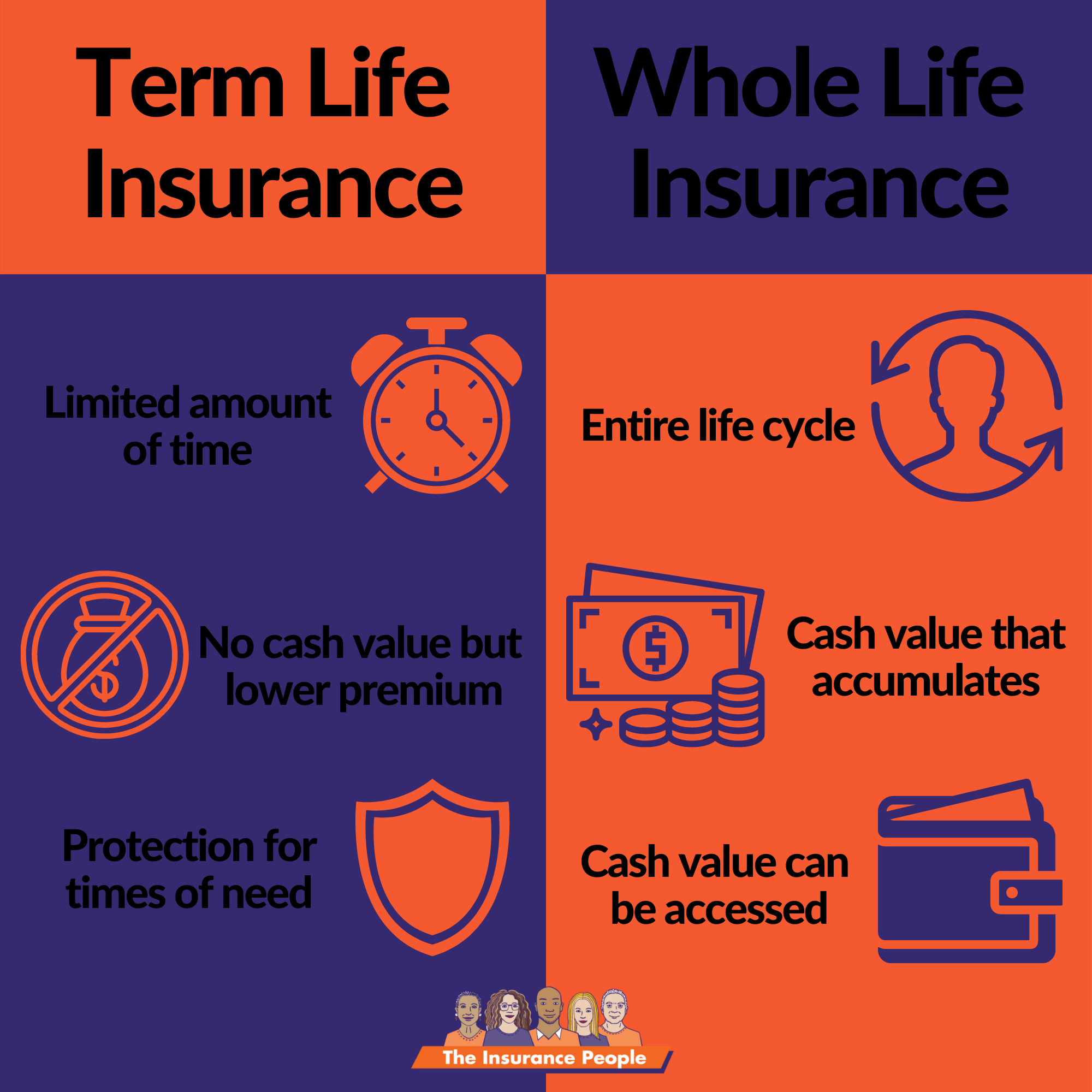
This guarantee ensures that as long as the policyholder pays the required premium on time, the policy cannot lapse, even if the cash value drops to zero. Because the focus of SGUL is almost entirely on the death benefit, the premiums are significantly lower than those of Whole Life. However, this lower cost comes at the price of equity; SGUL policies typically accumulate little to no surrender value. If you decide to cancel the policy after twenty years, you will likely walk away with nothing, much like a term insurance policy.
The "secondary" nature of the guarantee refers to the fact that the policy has two sets of books. The first set tracks the actual cash value based on interest and expenses. The second set (the shadow account or secondary guarantee) tracks whether you have met the cumulative premium requirements to keep the guarantee active. In the 2026 market, SGUL remains the most cost-effective way to secure a permanent death benefit without the volatility of indexed or variable products.
The Foundations of Whole Life Insurance
Whole Life insurance is the most traditional form of permanent coverage. It is characterized by three main guarantees: a fixed premium that never increases, a guaranteed death benefit, and a guaranteed rate of cash value accumulation. Because the insurance company assumes all the investment and mortality risk, Whole Life premiums are the highest in the industry.
Beyond the guarantees, many Whole Life policies are "participating," meaning the policyholder is eligible to receive dividends from the insurance company’s surplus. While dividends are not guaranteed, major mutual insurers have a history of paying them for over a century. These dividends can be used to purchase "paid-up additions," which increase both the death benefit and the cash value over time, creating a compounding effect that can turn the policy into a significant financial asset.
As of 2026, Whole Life is frequently utilized in "Infinite Banking" or "Bank on Yourself" strategies, where the policyholder uses the cash value as a source of liquidity for loans. This dual-purpose nature—providing a legacy for heirs while maintaining a "living benefit" for the owner—is the primary driver for the higher cost of Whole Life compared to SGUL.
Critical Differences: Premium, Cash Value, and Flexibility
To choose between these two products, one must analyze how they perform across several key dimensions: cost-efficiency, liquidity, and long-term risk.
1. Premium Structure and Cost
SGUL premiums are typically 30% to 50% lower than Whole Life premiums for the same amount of death benefit. This is because SGUL does not require the "overfunding" necessary to build a substantial cash reserve. In 2026, for a healthy 50-year-old looking for $500,000 in coverage, the SGUL premium might be manageable within a standard monthly budget, whereas the Whole Life premium might require significant financial planning.
2. Cash Value Accumulation
This is the most significant divergence. A Whole Life policy is designed to eventually have a cash value equal to the death benefit (usually at age 100 or 121). This cash value grows tax-deferred and can be accessed via withdrawals or loans. Conversely, SGUL is "lean." Its internal pricing is designed to strip away cash value to keep the premium low. In many SGUL contracts, the cash value may actually decline to zero in later years, which is perfectly acceptable as long as the secondary guarantee remains intact.
3. Rigidity vs. Forgiveness
Whole Life is famously rigid; if you miss a premium, the policy may use its own cash value to pay the premium (automatic premium loan), or it might lapse if no cash is available. SGUL is even more sensitive to timing. Because the secondary guarantee is contingent on a specific schedule of payments, a single late payment or a "short" payment can potentially void the lifetime guarantee or significantly reduce the age to which the policy is guaranteed.
Detailed Comparison Table: SGUL vs. Whole Life
| Feature | Secondary Guarantee Universal Life (SGUL) | Whole Life Insurance |
|---|---|---|
| Primary Goal | Pure death benefit protection. | Death benefit + cash accumulation. |
| Premium Cost | Moderate (cheaper than Whole Life). | High (most expensive option). |
| Cash Value | Minimal to none; often zero. | Guaranteed growth + potential dividends. |
| Duration | Guaranteed to a specific age (e.g., 121). | Guaranteed for the "whole" of life. |
| Flexibility | Limited; missed payments risk guarantee. | Low; fixed premiums required. |
| Surrender Value | Usually zero or very low. | High; increases over the life of policy. |
| Dividends | Not applicable. | Often available in participating policies. |
| Risk Profile | Low (if premiums are paid on time). | Lowest (guaranteed by the carrier). |
Who Should Choose SGUL?
In 2026, SGUL is the optimal choice for individuals who have a specific, permanent need for a death benefit but have no interest in using life insurance as a savings vehicle. Common scenarios include:
- Estate Liquidity: Providing heirs with cash to pay estate taxes or settlement costs without the need to liquidate real estate or business interests.
- Pension Maximization: If a retiree chooses a "Life Only" pension payout for a higher monthly check, they can use an SGUL policy to replace that income for a surviving spouse.
- Special Needs Trusts: Ensuring that a trust for a dependent with a disability is funded regardless of when the parents pass away.
- Legacy Planning on a Budget: For those who want to leave a specific dollar amount to a charity or grandchildren but want the lowest possible "overhead" cost to do so.
Who Should Choose Whole Life?
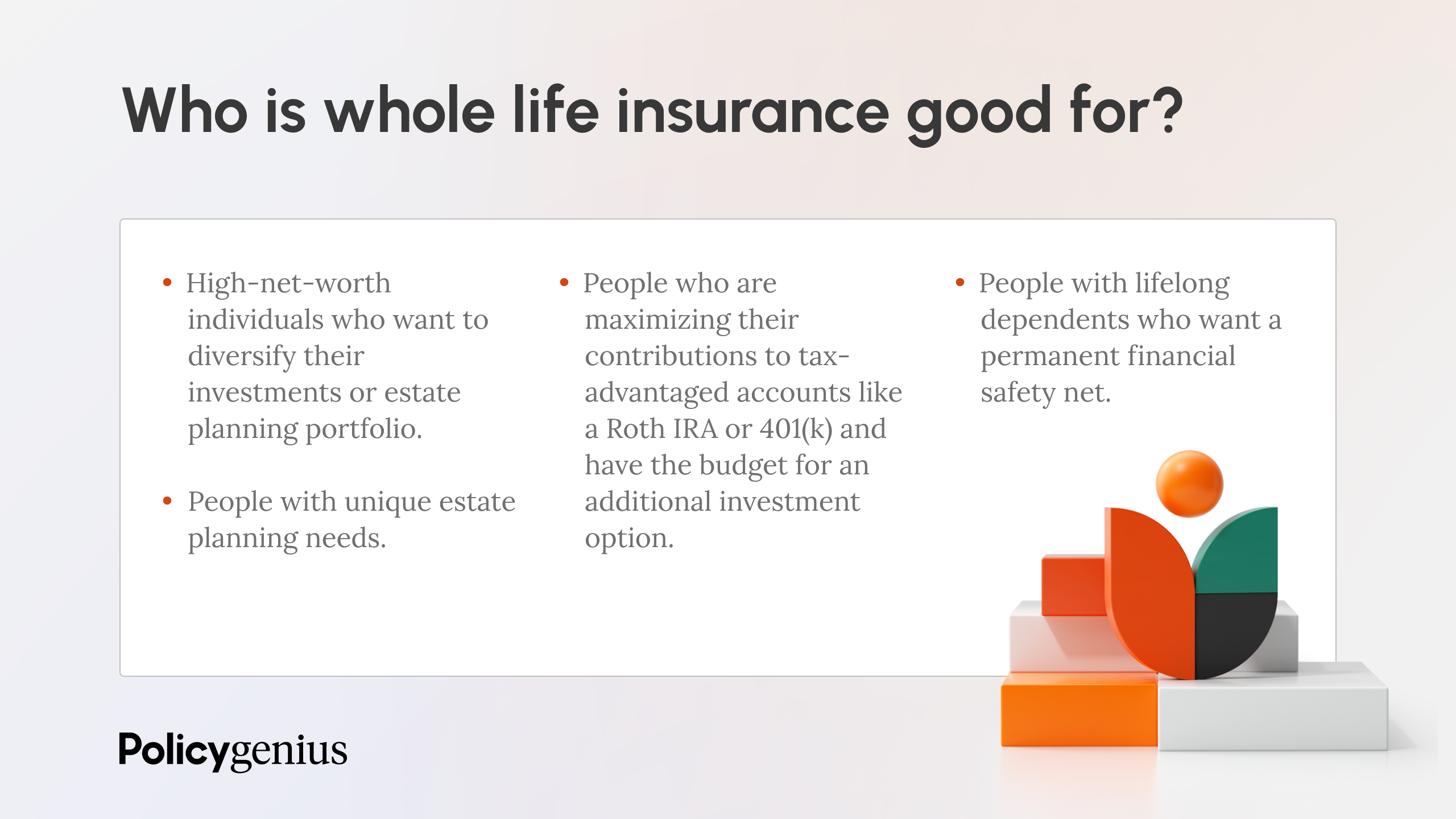
Whole Life remains the "gold standard" for those who prioritize certainty and asset integration. It is suitable for:
- Conservative Investors: People who want a portion of their portfolio in an asset that does not fluctuate with the stock market and offers a guaranteed floor.
- High Net Worth Individuals: Those looking for tax-advantaged ways to move wealth or those who have already maxed out 401(k)s and IRAs.
- Business Owners: Using the cash value as a "sinking fund" for future capital expenditures or as part of a Buy-Sell agreement.
- Intergenerational Wealth: Creating a policy that can eventually be "paid up," providing a permanent legacy that the next generation can also borrow against.
Managing Risks: The "Lapse Trap" in SGUL
A critical technical nuance that 2026 consumers must understand is the sensitivity of the secondary guarantee. Most SGUL policies are governed by "catch-up" provisions. If you pay $2,000 a year for ten years and then miss a year, simply paying $4,000 the following year may not restore the guarantee to age 121. The lost "internal interest" or the timing of the premium can permanently degrade the guarantee to age 95 or 85.
When comparing quotes, it is essential to request a "Target Premium" illustration and a "Maximum Premium" illustration. You should also ensure the policy includes an "Annual Report" that specifically states the current status of the secondary guarantee. In contrast, Whole Life is more transparent; as long as the fixed premium is paid, the contract performs exactly as stated in the original ledger.
2026 Market Context and Interest Rates
As we operate in 2026, the interest rate environment has stabilized following the volatility of the early 2020s. This has two effects. First, Whole Life dividend scales have become more predictable, making the "break-even" point (where cash value exceeds total premiums paid) generally occur between years 10 and 15.
Second, SGUL pricing has become more competitive. Insurance companies use long-term bonds to back these guarantees. With yields remaining steady, SGUL is currently a high-value proposition for those in their 50s and 60s who missed the window for cheap term insurance but still need a permanent safety net.
FAQ
Can I convert a Term policy into SGUL or Whole Life? Most term policies issued by major carriers include a conversion rider. In 2026, this allows you to swap your term coverage for a permanent policy without a medical exam. However, carriers often limit the products available for conversion. Some may only allow conversion to a specific Whole Life product, while others might allow SGUL. Always check your original term contract for the "Conversion Endorsement."
Does SGUL have a "Cash Out" option? Generally, no. SGUL is designed to be held until death. If you surrender the policy, you typically receive nothing. Some modern SGUL policies include a "Return of Premium" (ROP) rider that allows you to cancel the policy at specific intervals (e.g., year 15 or 20) and receive a portion of your premiums back, but this rider increases the annual cost.
Are the death benefits taxed differently? No. Under current 2026 tax law, the death benefits for both SGUL and Whole Life are generally received by beneficiaries income-tax-free under Internal Revenue Code Section 101(a). The main tax difference lies in the "living benefits"—Whole Life offers tax-deferred cash growth and tax-free loans, which SGUL does not.
Which is better for burial insurance? For small death benefits (e.g., $10,000 to $25,000) intended for final expenses, Whole Life is more common. Most "Final Expense" plans are small Whole Life policies because they build enough cash value to eventually become "self-funding" or offer a "reduced paid-up" option if the policyholder can no longer afford premiums in their 80s.
Can I change my premium payments with SGUL? Technically, SGUL is a "flexible premium" product, but this flexibility is an illusion if you want to keep the guarantee. While you can pay less in a given year, doing so will almost certainly jeopardize the secondary guarantee. To keep the guarantee to age 100 or 121, you must treat the SGUL premium as if it were a fixed Whole Life premium.
Strategic Recommendation
If your primary objective is to leave a guaranteed inheritance for the lowest possible price and you have the discipline to never miss a payment, Secondary Guarantee Universal Life (SGUL) is the superior tool. It eliminates the "investment risk" and focuses entirely on the mortality benefit.
However, if you view your insurance as part of your "tier one" capital—assets that should provide liquidity, growth, and a hedge against inflation through dividends—Whole Life is worth the additional cost. Before committing to either, ensure you obtain an illustration that shows the policy's performance up to age 121 and consult with a professional to verify that the policy's "Shadow Account" is structured to withstand current economic projections.
Image Gallery