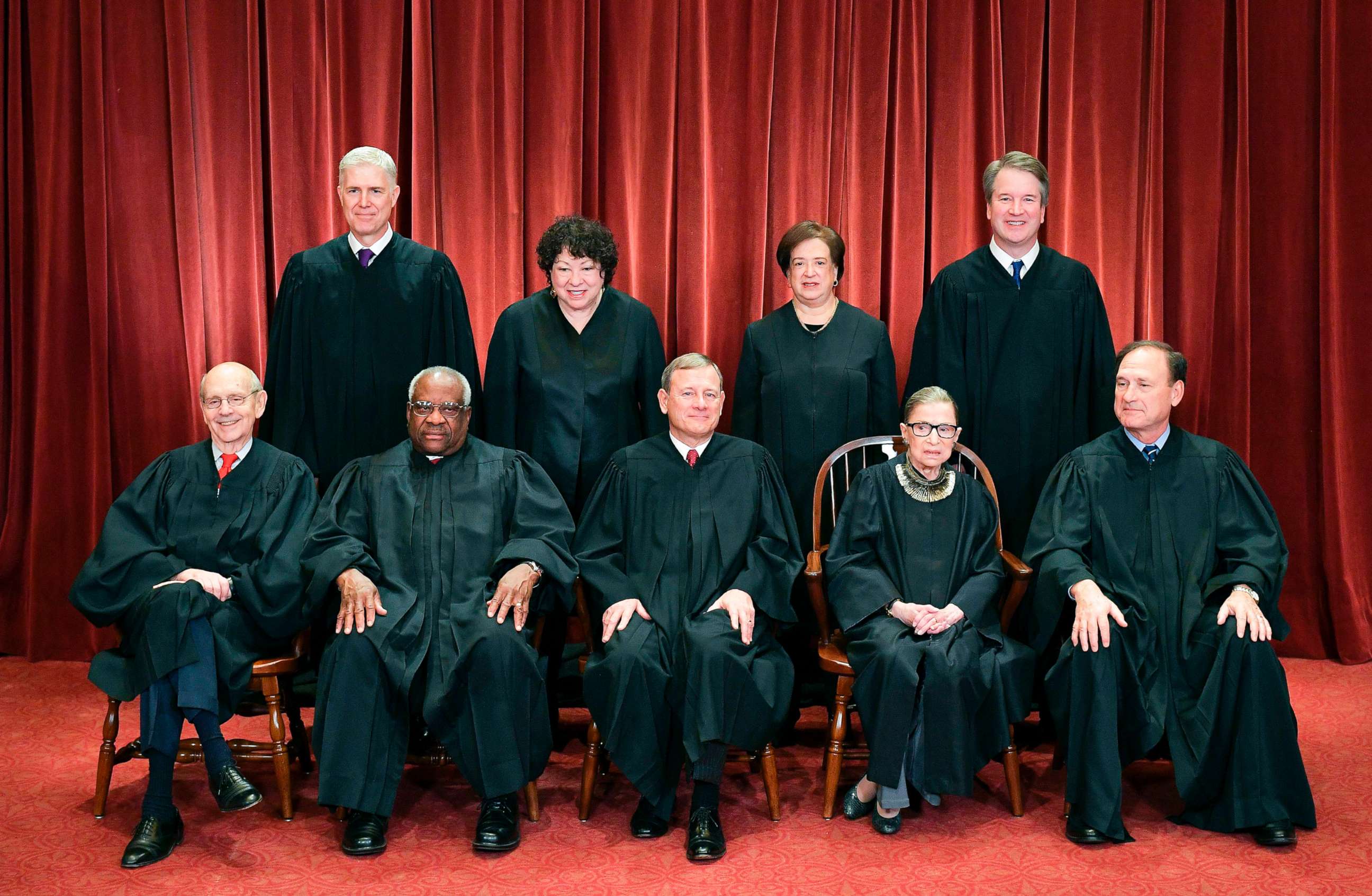
Supreme Court Justices Salary 2024: Official Pay Scales and Judicial Compensation
In 2024, the Chief Justice of the United States earned an annual salary of $312,200, while the eight Associate Justices of the Supreme Court received $298,500. These figures reflect the mandatory cost-of-living adjustments (COLA) appli...
In 2024, the Chief Justice of the United States earned an annual salary of $312,200, while the eight Associate Justices of the Supreme Court received $298,500. These figures reflect the mandatory cost-of-living adjustments (COLA) applied to the federal judiciary to ensure judicial compensation remains competitive and insulated from inflation.
Contents
The compensation of the United States Supreme Court is not merely a matter of payroll administration; it is a fundamental aspect of constitutional law and the separation of powers. Under Article III, Section 1 of the U.S. Constitution, the compensation of federal judges "shall not be diminished during their Continuance in Office." This protection was designed by the Framers to ensure judicial independence, preventing the legislative or executive branches from using salary reductions as a tool of political coercion.
The 2024 Federal Judicial Pay Adjustment
The salary figures for 2024 represent a calculated increase from the previous year. This adjustment is typically governed by the Ethics Reform Act of 1989, which provides for annual cost-of-living adjustments for federal judges, members of Congress, and top-level executive branch officials. However, these increases are not always automatic; they often require specific legislative or executive authorization to proceed, as seen with Executive Order 14113, signed in late 2023, which finalized the schedules for 2024.
The 2024 increase was approximately 4.7%, a figure intended to mirror the General Schedule (GS) base pay increase for federal employees. This adjustment is critical because federal judicial salaries remained stagnant for several years in the early 21st century, leading to concerns that the bench might lose talent to the private sector, where "Big Law" partners frequently earn several times the salary of a Supreme Court Justice.
Historical Context of Supreme Court Pay
To understand the 2024 figures, one must look at the trajectory of judicial pay over the last decade. In 2014, the Chief Justice earned $255,500, while Associate Justices earned $244,400. Over ten years, the increase to the 2024 levels represents a growth of roughly 22%. While this sounds substantial, it often trails behind the consumer price index (CPI) and the rapid escalation of salaries for top-tier legal professionals in the private sector.
The disparity between public service and private practice is a recurring theme in judicial ethics and recruitment discussions. For instance, a first-year associate at a major New York or D.C. law firm in 2024 might earn a base salary of $225,000 plus bonuses—closing the gap significantly with a sitting Supreme Court Justice who may have decades of experience and the highest level of legal responsibility in the nation.
Detailed Breakdown of 2024 Judicial Salaries
The federal judiciary maintains a strict hierarchy for compensation. The Supreme Court sits at the apex, followed by the U.S. Courts of Appeals and the U.S. District Courts. This structure ensures that the level of responsibility and the finality of the court's decisions are reflected in the pay scale.
| Judicial Position | 2023 Salary | 2024 Salary | Percentage Increase |
|---|---|---|---|
| Chief Justice of the United States | $298,500 | $312,200 | ~4.6% |
| Associate Justices (SCOTUS) | $285,400 | $298,500 | ~4.6% |
| U.S. Court of Appeals Judges | $246,600 | $257,900 | ~4.6% |
| U.S. District Court Judges | $232,600 | $243,300 | ~4.6% |
| U.S. Court of International Trade | $232,600 | $243,300 | ~4.6% |
The data above, sourced from the Administrative Office of the U.S. Courts, illustrates the standardized nature of these increases. The uniformity of the percentage raise across all federal judicial levels indicates a systemic adjustment rather than a merit-based or position-specific raise.
Beyond the Base Salary: Benefits and Total Compensation
While the base salary is the most visible component of a Justice’s compensation, it does not represent the entirety of the financial package. Federal judges receive robust benefits that are often superior to those found in the private sector, particularly regarding retirement and health insurance.
The "Rule of 80" and Retirement
One of the most significant financial benefits of being a Supreme Court Justice is the retirement system. Under what is commonly known as the "Rule of 80," a judge may retire from active service (or take "senior status") and continue to receive their full salary for the rest of their life. To qualify, a judge’s age and years of service must total at least 80, with a minimum age of 65 and minimum service of 15 years.
For a Justice retiring in 2024 at the full salary of $298,500, this pension is essentially an inflation-protected annuity. Unlike many private-sector pensions that are fixed at the time of retirement, federal judges who take "senior status" continue to receive the same salary adjustments that active judges receive. This ensures that their purchasing power does not diminish over time, a rare and highly valuable benefit in the modern economy.
Senior Status and Continued Service
Justices also have the option to take senior status rather than retiring fully. Senior status allows a judge to reduce their caseload while still maintaining their office and staff. While Supreme Court Justices rarely take senior status in the same way lower court judges do (as there are only nine seats), they may retire from the Supreme Court and sit by designation on lower federal appellate or district courts. This allows the nation to continue benefiting from their expertise while the Justice continues to receive full pay.
Outside Income and Ethical Constraints
Supreme Court Justices are permitted to earn income beyond their government salary, but this is strictly regulated by the Ethics in Government Act of 1978. These rules are designed to prevent conflicts of interest and to ensure that the Justices' primary focus remains on their judicial duties.
Teaching and Lecturing
Justices often serve as guest lecturers or adjunct professors at law schools. For 2024, the limit on "outside earned income" (which includes teaching) was approximately $31,800. This cap is adjusted annually and applies to all "non-investment" income earned through personal services. Many Justices utilize this allowance to teach summer courses, often abroad, which also provides for travel and lodging expenses covered by the sponsoring institution.
Book Deals and Royalties
Notably, book royalties are generally exempt from the outside income cap. This has allowed several Justices to earn significant sums—sometimes in the millions of dollars—through memoirs or treatises on the law. These earnings must be disclosed in annual financial disclosure reports. In 2024, public interest in the personal lives and legal philosophies of the Justices remained high, making book deals a primary source of wealth for many members of the Court.
Financial Disclosures and Transparency
Transparency is a critical component of judicial compensation. Each year, Justices must file financial disclosure reports that list their assets, liabilities, gifts, and outside income. In late 2023 and throughout 2024, the Supreme Court faced increased scrutiny regarding these disclosures, leading to the adoption of a formal Code of Conduct in November 2023. This code clarified the rules regarding the acceptance of gifts and the reimbursement of travel expenses, ensuring that while Justices can accept certain "hospitality," it must be reported if it exceeds specific thresholds.
Comparison with Other Branches of Government
To place the 2024 Supreme Court salary in perspective, it is helpful to compare it with the compensation of leaders in the Legislative and Executive branches.
- The President of the United States: The salary remains fixed at $400,000, a level set in 2001. Because this is not automatically adjusted for inflation, the gap between the President and the Chief Justice has narrowed significantly over the last two decades.
- The Vice President: Earned $284,600 in 2024, which is less than an Associate Justice of the Supreme Court.
- Members of Congress: Most Senators and Representatives earned $174,000 in 2024, a salary that has remained frozen since 2009. Leadership positions, such as the Speaker of the House ($223,500), earn more but still fall well below the judicial pay scale.
The fact that Supreme Court Justices earn more than Members of Congress is a deliberate policy choice. It reflects the life-tenured nature of the role and the desire to attract the nation's most brilliant legal minds who might otherwise remain in lucrative private sector positions.
Common Misconceptions About Judicial Pay
There are several myths regarding how Supreme Court Justices are paid that require clarification:
- "They set their own pay": False. Judicial salaries are set by federal law and adjusted via Executive Orders issued by the President, following statutory guidelines. Congress has the power to block these raises, which it has done in the past.
- "They get paid for life regardless of behavior": Partially true. While they have life tenure "during good behavior," they can be impeached and removed, which would terminate their salary and pension.
- "They receive health care for free": False. Justices participate in the Federal Employees Health Benefits (FEHB) program, the same as other federal employees, and they pay premiums for their coverage.
Summary of the 2024 Economic Impact on the Court
The 2024 salary adjustment was a necessary step to maintain the status of the federal judiciary amidst a period of global inflation. While $312,200 for the Chief Justice is a significant amount of taxpayer money, it represents a small fraction of the federal budget and a modest sum compared to the compensation of CEOs or senior partners at global law firms.
The stability of judicial pay is viewed by many legal scholars as a safeguard for the rule of law. By providing a comfortable, though not "wealthy" (by elite legal standards), salary and a guaranteed pension, the system encourages Justices to make decisions based on the Constitution and the law rather than financial pressure or future employment prospects.
Frequently Asked Questions
Why does the Chief Justice earn more than the Associate Justices?
The Chief Justice has additional administrative responsibilities that the Associate Justices do not. This includes presiding over the Judicial Conference of the United States, overseeing the Administrative Office of the U.S. Courts, and managing the internal operations of the Supreme Court building and staff. The salary differential (approx. $13,700 in 2024) recognizes this increased workload.
Do Supreme Court Justices receive a housing allowance?
No. Unlike some international high courts or diplomatic positions, U.S. Supreme Court Justices do not receive a housing allowance. They must provide for their own housing in the Washington D.C. metropolitan area, which is one of the most expensive real estate markets in the United States.
Can a Justice’s salary be lowered if the public is unhappy with their rulings?
No. Article III of the Constitution specifically prohibits the reduction of a federal judge's salary while they are in office. This is a core protection for judicial independence, ensuring that Justices can make unpopular or controversial decisions without fear of financial retribution from Congress.
What happens to a Justice's salary if they are incapacitated?
If a Justice becomes permanently disabled or incapacitated, they may retire under specific disability provisions of federal law. If they meet the years-of-service requirements, they receive their full salary for life. If they do not meet the "Rule of 80" requirements, they may still receive a portion of their salary based on their years of service.
Are the 2024 salaries subject to federal income tax?
Yes. Supreme Court Justices pay federal income tax, Social Security taxes (up to the wage base limit), and Medicare taxes, just like other high-income earners in the United States.
Practical Recommendation
For researchers or students looking to verify these figures or track future changes, the most reliable source is the Administrative Office of the U.S. Courts. They publish the "Judicial Compensation" tables annually, usually in early January. Additionally, the Office of Personnel Management (OPM) provides the Executive Orders that authorize these pay adjustments. If you are analyzing the total financial picture of a Justice, you should consult the Financial Disclosure Reports released annually through the Supreme Court’s own website or authorized repositories like Free Law Project’s "CourtListener."
Image Gallery