Top Water Filtration Systems for Home in 2026: A Comprehensive Guide
The top water filtration systems for home in 2026 include multi-stage reverse osmosis units for drinking water purity and high-capacity whole-house carbon systems for total home protection. Choosing the right system requires balancing...
The top water filtration systems for home in 2026 include multi-stage reverse osmosis units for drinking water purity and high-capacity whole-house carbon systems for total home protection. Choosing the right system requires balancing your local water quality, specifically targeting contaminants like PFAS and lead, with your household's daily flow rate requirements.
Contents
Understanding the Landscape of Home Water Filtration
As of 2026, home water filtration has evolved from a luxury addition to a fundamental home utility. With increasing awareness regarding aging municipal infrastructure and the prevalence of "forever chemicals" (PFAS), homeowners are looking for more than just improved taste. A modern filtration strategy generally splits into two categories: Point-of-Entry (POE) systems, which treat all water entering the home, and Point-of-Use (POU) systems, which treat water at a specific tap.
The primary goal of any filtration system is to reduce or eliminate specific contaminants. These range from aesthetic concerns like chlorine and sulfur odors to health-related threats like heavy metals, VOCs (Volatile Organic Compounds), and microplastics. Before investing, it is critical to obtain a water quality report—either through your local municipal provider or via independent laboratory testing—to identify exactly what needs to be removed.
Top Reverse Osmosis (RO) Systems for Drinking Water
Reverse Osmosis remains the gold standard for high-purity drinking water in 2026. These systems use a semi-permeable membrane to remove up to 99% of dissolved solids.
Multi-Stage Under-Sink RO Units
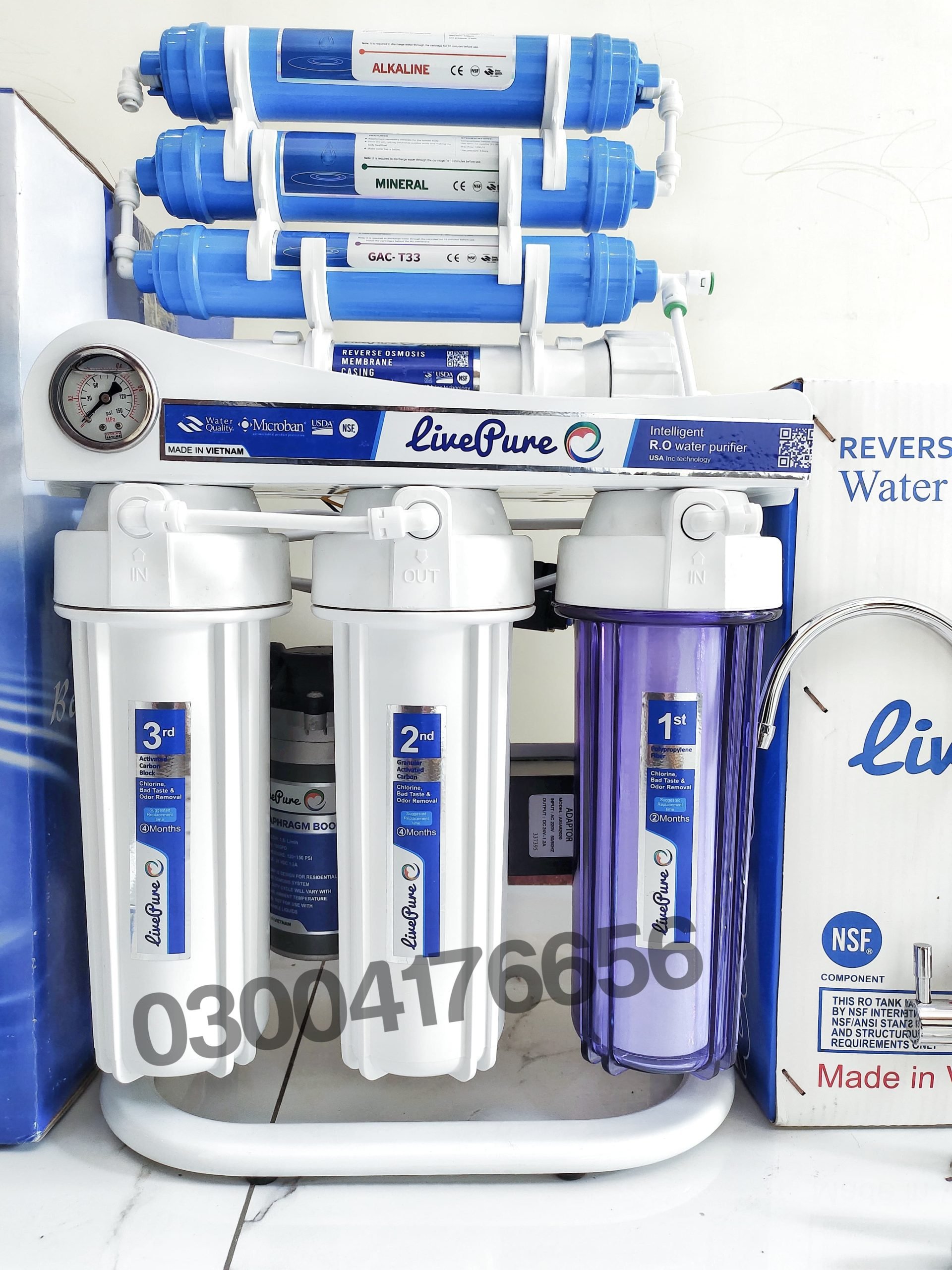
The most effective POU systems currently utilize a 5-stage or 7-stage process. This typically begins with a sediment filter to remove rust and silt, followed by activated carbon blocks to strip chlorine. The water is then forced through the RO membrane, which handles microscopic contaminants.
Modern 2026 designs have shifted toward tankless RO systems. Unlike traditional units that store water in a pressurized tank, tankless models use high-capacity pumps to provide "on-demand" filtration. This prevents the "flat" taste sometimes associated with stored water and significantly reduces the physical footprint under the sink. Furthermore, newer models boast a 1:1 or 2:1 waste-to-pure water ratio, a vast improvement over the 4:1 ratios common a decade ago.
Remineralization Stages
A common critique of RO water is that it is "too pure," meaning it lacks the natural minerals found in spring water and has a slightly acidic pH. Top-tier systems now include an alkaline remineralization filter as the final stage. This adds controlled amounts of calcium, magnesium, and potassium back into the water, improving the flavor profile and balancing the pH to a more neutral or slightly alkaline level.
Whole-House Filtration Systems for Comprehensive Protection
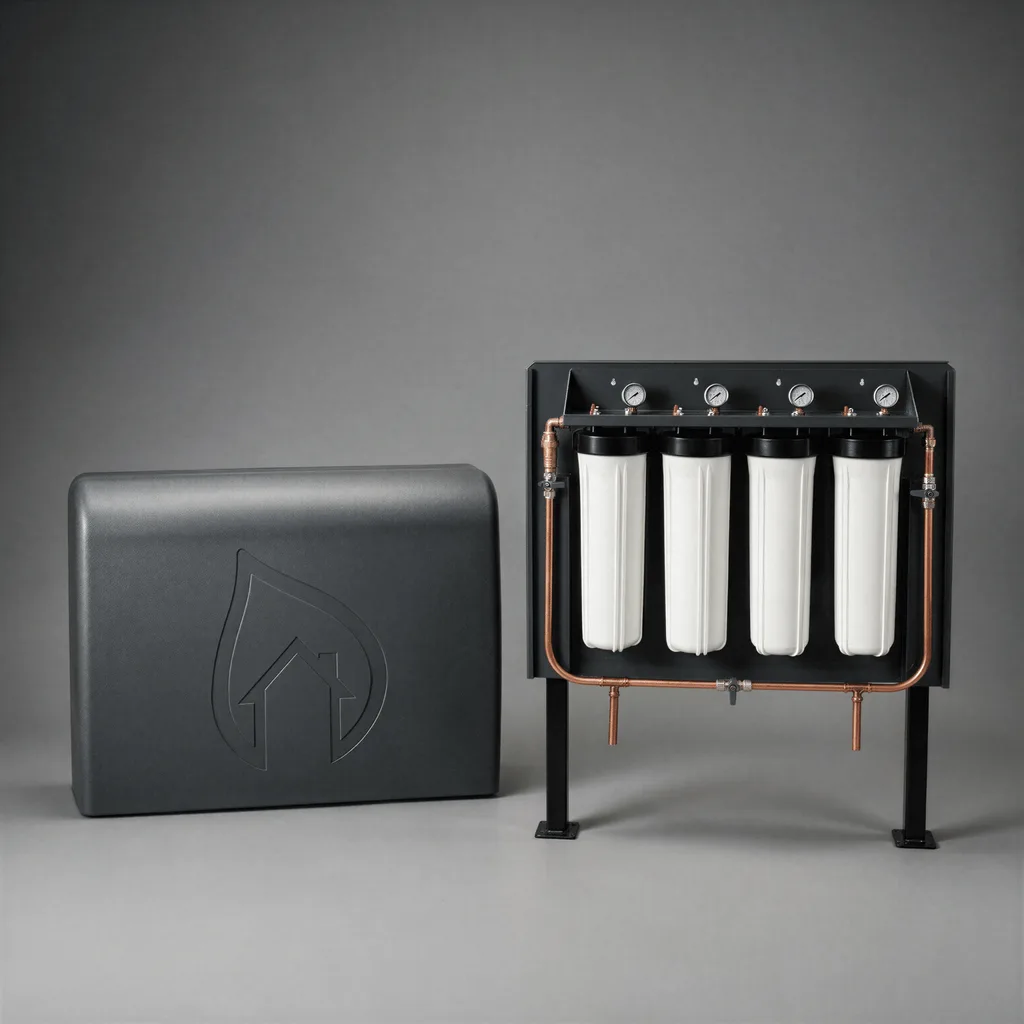
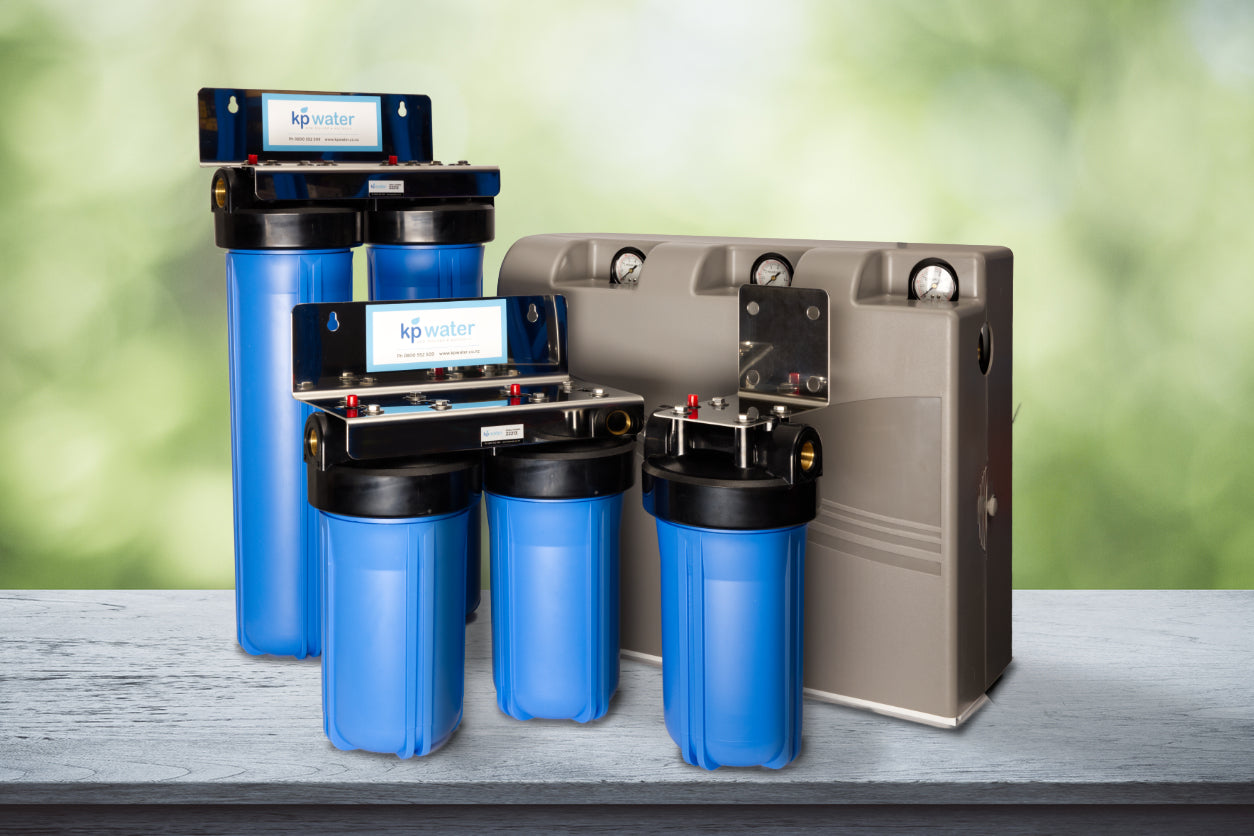
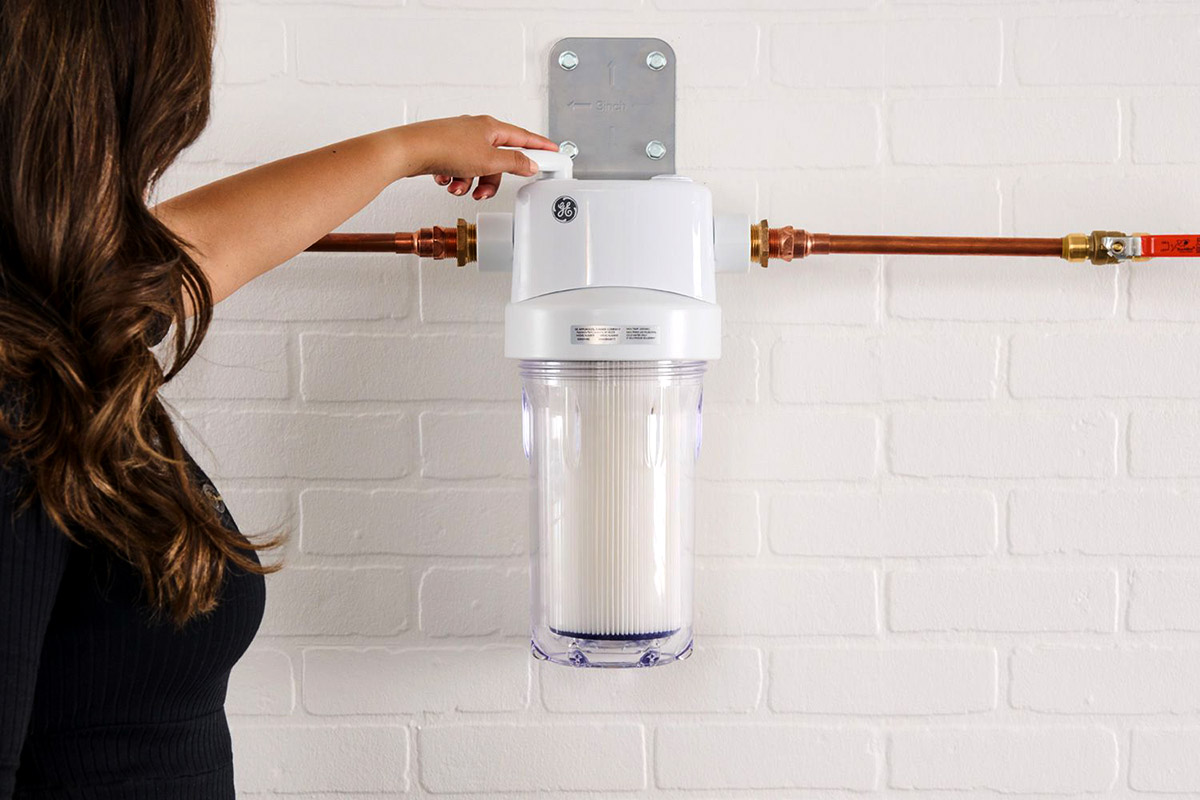
A whole-house (POE) system is the best defense against contaminants that affect skin, hair, and home appliances. By treating water at the main line, these systems ensure that every shower and every load of laundry uses filtered water.
Carbon Filtration Arrays
High-capacity carbon systems are the core of whole-house treatment. These typically use Granular Activated Carbon (GAC) or catalytic carbon. Catalytic carbon is particularly effective in 2026 for addressing chloramines, which many municipalities now use instead of standard chlorine for disinfection. Chloramines are more stable than chlorine but harder to remove, making a specialized carbon stage essential for many suburban homes.
Sediment and Pre-Filtration
Every whole-house system should begin with a high-flow sediment pre-filter. These are usually rated at 5 to 20 microns. By capturing physical debris at the entry point, you protect the more expensive carbon media and the internal valves of your home’s plumbing and appliances from abrasion and clogging.
Salt-Free Water Conditioners vs. Softeners
While technically not "filters" in the sense of removing chemicals, water softeners are often integrated into home filtration setups. In 2026, salt-free conditioners (using Template Assisted Crystallization or TAC) have gained popularity for those looking to prevent scale buildup without the slippery feel of salt-softened water or the environmental impact of brine discharge. However, for genuinely "hard" water (above 10-15 grains per gallon), a traditional ion-exchange softener remains the most effective solution for protecting water heaters and preventing soap scum.
Specialized Filtration for Emerging Contaminants
With updated EPA regulations in recent years, 2026 has seen a surge in filtration media specifically engineered for PFAS (Per- and Polyfluoroalkyl Substances).
Advanced Adsorption Media
While standard carbon can reduce PFAS, specialized ion-exchange resins are now frequently used in high-end home systems to target these specific molecular structures more aggressively. These resins are often used in "polishing" stages to ensure that even trace amounts of "forever chemicals" are captured before the water reaches the tap.
UV Disinfection Systems
For homes on private wells or in areas with frequent "boil water" advisories, Ultraviolet (UV) purification is a critical component. A UV lamp neutralizes 99.9% of bacteria, viruses, and cysts (like Giardia and Cryptosporidium) by disrupting their DNA. In 2026, many UV systems feature smart sensors that monitor the intensity of the lamp and provide digital alerts when the bulb's effectiveness drops, ensuring continuous microbiological safety.
Technical Specifications and Certification Standards
When evaluating the "top" systems, technical certifications are the only objective way to verify performance. In the United States and many international markets, the NSF/ANSI standards are the benchmark.
- NSF/ANSI 42: Covers aesthetic effects (chlorine, taste, and odor).
- NSF/ANSI 53: Covers health effects (lead, VOCs, PFAS, and mercury).
- NSF/ANSI 58: The specific standard for Reverse Osmosis systems.
- NSF/ANSI 401: Targets "emerging" contaminants, such as pharmaceuticals and pesticides.
A system might claim to "reduce" lead, but without an NSF 53 certification, there is no verified proof that it can handle the specific concentrations often found in older plumbing systems. Always look for the certification seal on the product housing or the manufacturer’s data sheet.
Comparison of Home Water Filtration Technologies
The following table compares the most common filtration technologies available in 2026 to help determine which matches your specific household needs.
| Technology | Primary Targets | Typical Location | Maintenance Frequency | Best For |
|---|---|---|---|---|
| Reverse Osmosis | Dissolved Solids, Lead, Fluoride, PFAS | Under-Sink (POU) | 6–12 Months | High-purity drinking and cooking water. |
| Activated Carbon | Chlorine, Odor, VOCs, Pesticides | Whole-House or POU | 6–12 Months | Improving overall taste and removing chemicals. |
| UV Purification | Bacteria, Viruses, Parasites | Whole-House (POE) | Annual Lamp Change | Well water or microbiologically unsafe water. |
| Ultrafiltration | Suspended Solids, Larger Pathogens | Under-Sink (POU) | 6–12 Months | Retaining minerals while removing bacteria. |
| Ion Exchange | Hardness Minerals (Calcium, Mag.) | Whole-House (POE) | Monthly (Salt Refill) | Preventing scale and protecting appliances. |
Installation and Operational Costs
The total cost of ownership for a water filtration system includes the initial purchase, professional installation (if required), and recurring filter replacements.
As of 2026, a high-quality under-sink RO system typically costs between $300 and $800. Installation is often a DIY project for those comfortable with basic plumbing, though a professional plumber may charge $150 to $300. Annual filter replacements generally range from $100 to $200.
Whole-house systems represent a larger investment. A comprehensive multi-stage carbon and sediment system can cost between $1,000 and $2,500. If a UV stage or a water softener is added, the price can climb to $4,000 or more. Because these systems involve cutting into the main water line, professional installation is highly recommended and can cost between $500 and $1,000 depending on the complexity of the existing plumbing.
Common Mistakes to Avoid
- Ignoring the Flow Rate: Many homeowners purchase a whole-house filter that is too small for their needs. If your home has four bathrooms but the filter is only rated for 7 Gallons Per Minute (GPM), you will experience a significant drop in water pressure when multiple fixtures are running simultaneously.
- Neglecting Filter Changes: A saturated filter is worse than no filter at all. Once a carbon block is "full," it can begin to release captured contaminants back into the water stream in concentrated bursts—a phenomenon known as "breakthrough."
- Failing to Test Source Water: Buying a complex system to remove fluoride when your water doesn't contain fluoride is an unnecessary expense. Always test first to ensure your hardware matches your water chemistry.
Frequently Asked Questions
Does a standard refrigerator filter remove PFAS?
Most standard refrigerator filters use basic carbon media designed for taste and odor (NSF 42). While some advanced refrigerator filters are now certified for NSF 53 (including lead and some PFAS), they generally have a much shorter lifespan and lower capacity than dedicated under-sink or whole-house systems. Always check the specific NSF certifications for your refrigerator's filter model.
Will a water filter remove fluoride?
Standard carbon filters and pitcher filters are generally ineffective at removing fluoride. To effectively remove fluoride, you typically need a Reverse Osmosis system or a specialized filter containing Activated Alumina. If fluoride removal is a priority, ensure the system is specifically rated for it.
How do I know if I need a whole-house system or just a kitchen filter?
If your primary concern is the taste and safety of drinking water, a Point-of-Use (POU) system at the kitchen sink is usually sufficient. However, if you have hard water causing scale buildup, chlorine smells in the shower, or concerns about skin irritation from chemicals, a Point-of-Entry (POE) whole-house system is necessary to treat the water used throughout the entire building.
Do water filters remove beneficial minerals?
Reverse Osmosis and distillation remove almost all dissolved solids, including beneficial minerals like calcium and magnesium. Ultrafiltration and standard carbon filtration do not remove these minerals. If you use an RO system, you can easily add a remineralization cartridge to the final stage to restore these minerals for health and flavor.
How often should I test my water after installing a system?
For municipal water, an annual test of the filtered water is sufficient to ensure the system is performing as expected. For private well owners, testing should be more frequent—at least twice a year—specifically for bacteria and nitrates, even if a filtration system is in place.
Final Recommendation
For the majority of homeowners in 2026, the most effective setup is a dual-layered approach: install a high-flow whole-house sediment and carbon system to protect the entire home’s plumbing and improve bathing water quality, paired with a multi-stage, tankless reverse osmosis system at the kitchen tap for superior drinking water. Before purchasing, verify your water quality with a lab test and ensure any system you select carries the appropriate NSF/ANSI certifications for the specific contaminants identified in your report.
Image Gallery